NHTSA Investigates 1.16 Million GM Vehicles After Brakes Suddenly Failed in Crashes

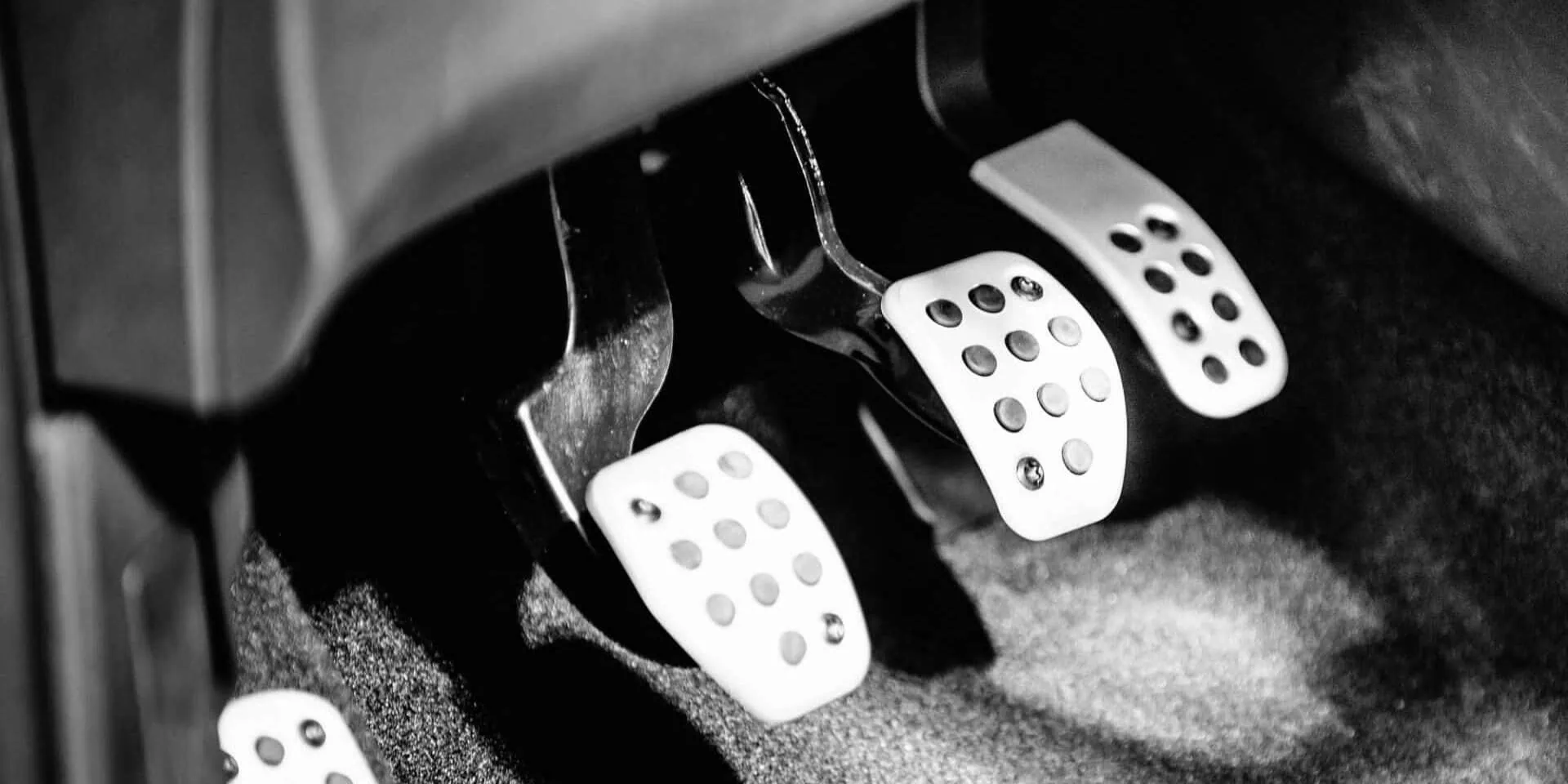
The driver of a 2025 Cadillac Lyriq lost braking power while pulling into a parking space in front of a store. The SUV rolled over the curb and came to a stop, in the driver’s own words, “mid-way in the store, amidst the furniture and store structure.” In a separate incident, the driver of a 2024 Chevrolet Blazer EV said the only way to avoid a “catastrophic intersection collision” was to steer deliberately into a concrete curb.
Those two reports sit inside a pile of 745 incidents that pushed federal safety regulators to escalate their investigation into General Motors’ eBoost brake system this week. The National Highway Traffic Safety Administration opened Engineering Analysis EA26006 on August 24, the highest level of investigation the agency’s Office of Defects Investigation performs before ordering a recall. An estimated 1,164,820 vehicles are covered, spanning Cadillac, Chevrolet, GMC, Buick and two Honda-built models.
What Is Going Wrong
GM’s eBoost is a brake-by-wire system, meaning there is no direct mechanical link between the brake pedal and the brakes themselves. Pressing the pedal sends an electronic signal to a computer, which calculates how much stopping force to apply. Introduced in 2019, the design lets GM fine-tune brake feel across driving modes and supports features like Super Cruise and automatic emergency braking.
ODI first opened a preliminary evaluation in April 2024 after owners of 2023 Cadillac Lyriq vehicles reported a hard brake pedal followed by a “Brake System Failure” warning, either at startup or mid-drive. GM’s internal investigations traced that pattern to fractures in the spindle inside the eBoost unit. By the automaker’s own account, when a spindle fractures, anti-lock brakes, stability control and traction control keep working until the vehicle comes to a full stop; only then do those systems fail together, and vehicle speed automatically limits to 43 mph.
What changed this week is that regulators kept receiving reports that did not match that explanation. Instead of a gradual failure after the car stopped, some drivers described losing brake assist immediately, in the middle of an active braking maneuver, the exact moment when extended stopping distance is most dangerous. ODI said that inconsistency is what justified opening the more intensive engineering analysis rather than waiting for GM’s spindle fix to run its course.
Which Vehicles Are Covered
The investigation reaches every GM model built on the eBoost system, along with two vehicles GM produced jointly with Honda:
Cadillac Lyriq (2023-2026), Cadillac Optiq and Celestiq (2025-2026), Chevrolet Colorado (2023-2026), Chevrolet Blazer EV, Equinox EV and Traverse (2024-2026), GMC Canyon (2023-2026), GMC Acadia (2024-2026), Buick Enclave and Envision (2024-2026), Honda Prologue (2024-2026) and Acura ZDX (2024-2026). The now-discontinued Cruise Origin robotaxi also used the system.
Of the 745 logged incidents, 22 involved a crash or fire, five caused an injury and six people were hurt in total. No deaths have been reported. Investigators recorded 227 complaints directly through ODI and another 531 reported to GM, with duplicates removed from the total.
How the Warning System Is Supposed to Work
According to GM’s own filings, an eBoost fault triggers one of three diagnostic trouble codes, which in turn sets off an audible chime, a “Service Brake System” message on the dashboard display, and multiple warning lights covering ABS, traction control and the brakes themselves. The system is designed to cap vehicle speed at 43 mph once a fault is detected. The complaints driving this week’s escalation describe a failure mode where that warning sequence either does not give drivers enough time to react, or does not match the sudden, mid-brake loss of assist that some owners reported.
What This Means for Owners Right Now
An engineering analysis is not a recall. GM has not been ordered to fix or replace anything yet, and the company has not issued a new statement beyond the internal investigations it already shared with regulators describing the spindle fracture theory. NHTSA typically opens an engineering analysis to build the record needed to require a recall, and GM’s own Cadillac Lyriq ABS system has already been the subject of an earlier, narrower recall tied to a related defect.
Owners of any of the affected models can check whether their specific vehicle has an open recall by entering their 17-character VIN at NHTSA.gov/recalls or through GM’s own recall lookup tool. This is currently an investigation and not a recall, so a clean VIN search today does not guarantee the vehicle will stay uncovered if GM issues a recall later in the analysis.
Drivers who notice a hard brake pedal, a “Service Brake System” warning, or any illuminated ABS or traction control light should have the vehicle inspected at a GM or Honda dealer immediately rather than waiting for a recall notice. The failure pattern investigators are now examining involves sudden loss of brake assist while actively driving, not just a warning that gives advance notice every time.
Shoppers looking at a used Cadillac Lyriq, Chevrolet Blazer EV, Equinox EV, Honda Prologue or Acura ZDX should ask the dealer directly whether the vehicle has had any brake-related service, and should run the VIN through NHTSA’s database themselves rather than relying on a dealer’s word alone. A vehicle covered by an active engineering analysis is not legally required to carry any special disclosure at the point of sale, as no recall has been issued yet, which means the burden falls on the buyer to check.
Why GM Built a Brake-by-Wire System in the First Place
GM first rolled eBoost out on the C8 Corvette and its full-size trucks in 2019, then expanded it to full-size SUVs in 2020 before spreading it across the newer EV lineup. The system packs the master cylinder, an electric booster, the ABS hydraulic unit and the ABS electronic control module into one combined unit, replacing the vacuum-assisted booster that had been standard in most vehicles for decades. GM has also pitched a version of eBoost for trailer braking, claiming it can cut stopping distances by 20 percent when towing.
The tradeoff for that precision is complexity. A traditional hydraulic brake system keeps a mechanical, hands-on connection between the pedal and the brakes, so the brakes still work if every electronic system in the car fails. Brake-by-wire systems like eBoost depend on sensors, a control module and software to translate a driver’s foot pressure into stopping force, which is exactly why regulators scrutinize failure reports in these systems more closely than in conventional setups.
A Pattern of Scrutiny for GM’s Braking Systems
This is not GM’s only active brake-related issue. The Cadillac Optiq is separately under internal GM investigation for rear brake pad noise complaints, and the eBoost probe itself has grown from a single-model preliminary evaluation covering roughly 50,000 Cadillac Lyriq vehicles in 2024 to an analysis covering more than 1.1 million vehicles across six brands in under two and a half years. NHTSA assigned investigator Kevin Mcgough to lead EA26006, with Sharon Yukevich reviewing the findings and Tanya Topka signing off on the filing.
Sources:

Leave a Comment
More in News

Windscreen Repairs Now Cost £283 on Average as ABI Reports Record £3.2bn Motor Payouts

What a Dangerous MOT Fail Means (and Whether You Can Drive Home)

2027 Jeep Gladiator Adds Sport S Trim and Factory 35-Inch Tire Package

Used Cars Under £5,000 Lost 3.4% of Value in August, Cap HPI Data Shows

Kia Keeps 2027 EV6 Pricing at $37,900 Across Seven Trims
Trending on Motoring Chronicle

Full Coverage Car Insurance Now Averages $187 a Month as 32 States See Hikes

Elmbridge Has Repaid 260 Drivers in Its Parking Fine Refund Scheme So Far
Just 0.32% of Unfair Parking Charges Ever Get Overturned by Drivers

Subaru of Indiana Automotive Begins Hybrid Production