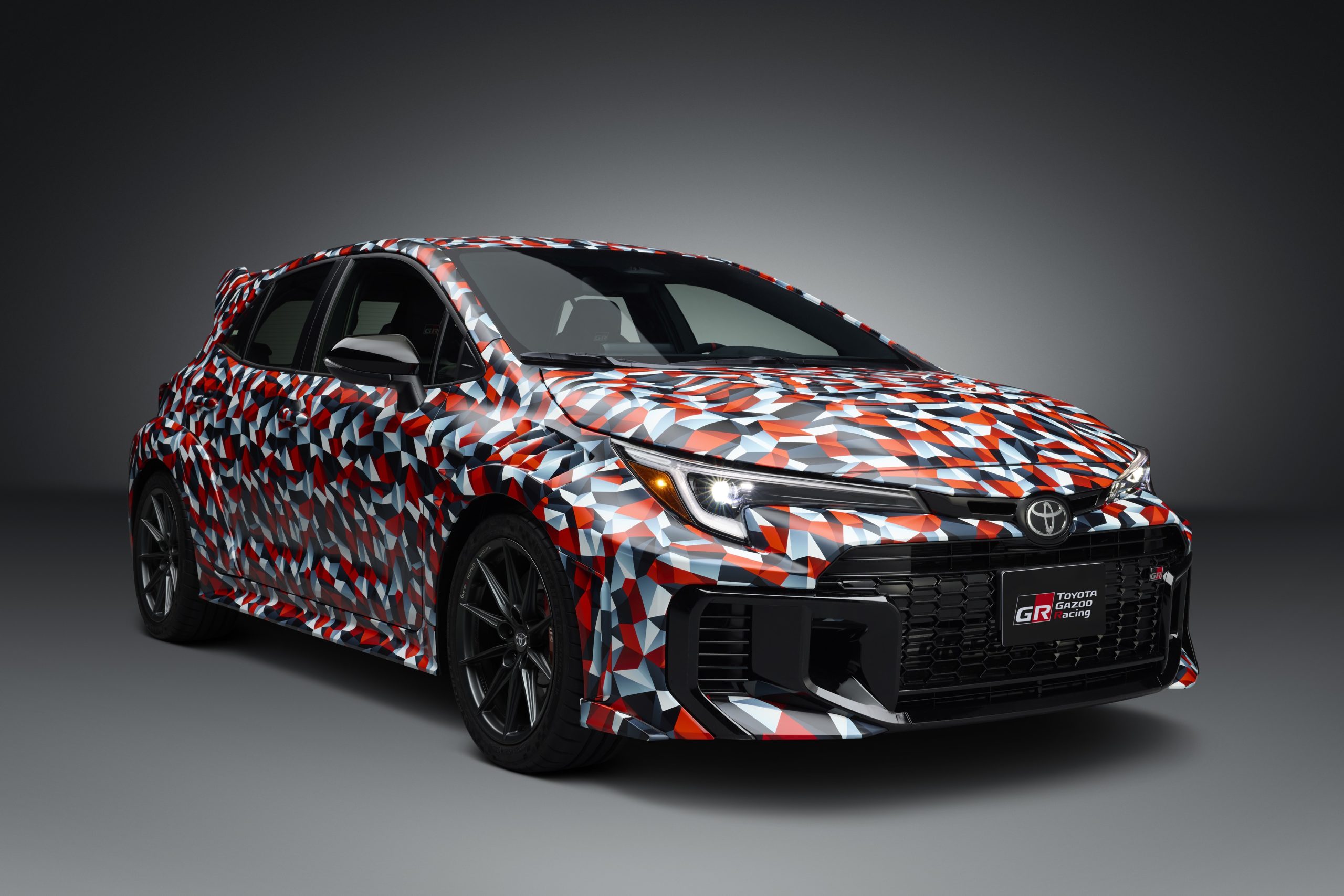
One in Three New Cars Must Be Electric in 2026 – Car Makers Face £15,000 Fines Per Vehicle for Every Shortfall
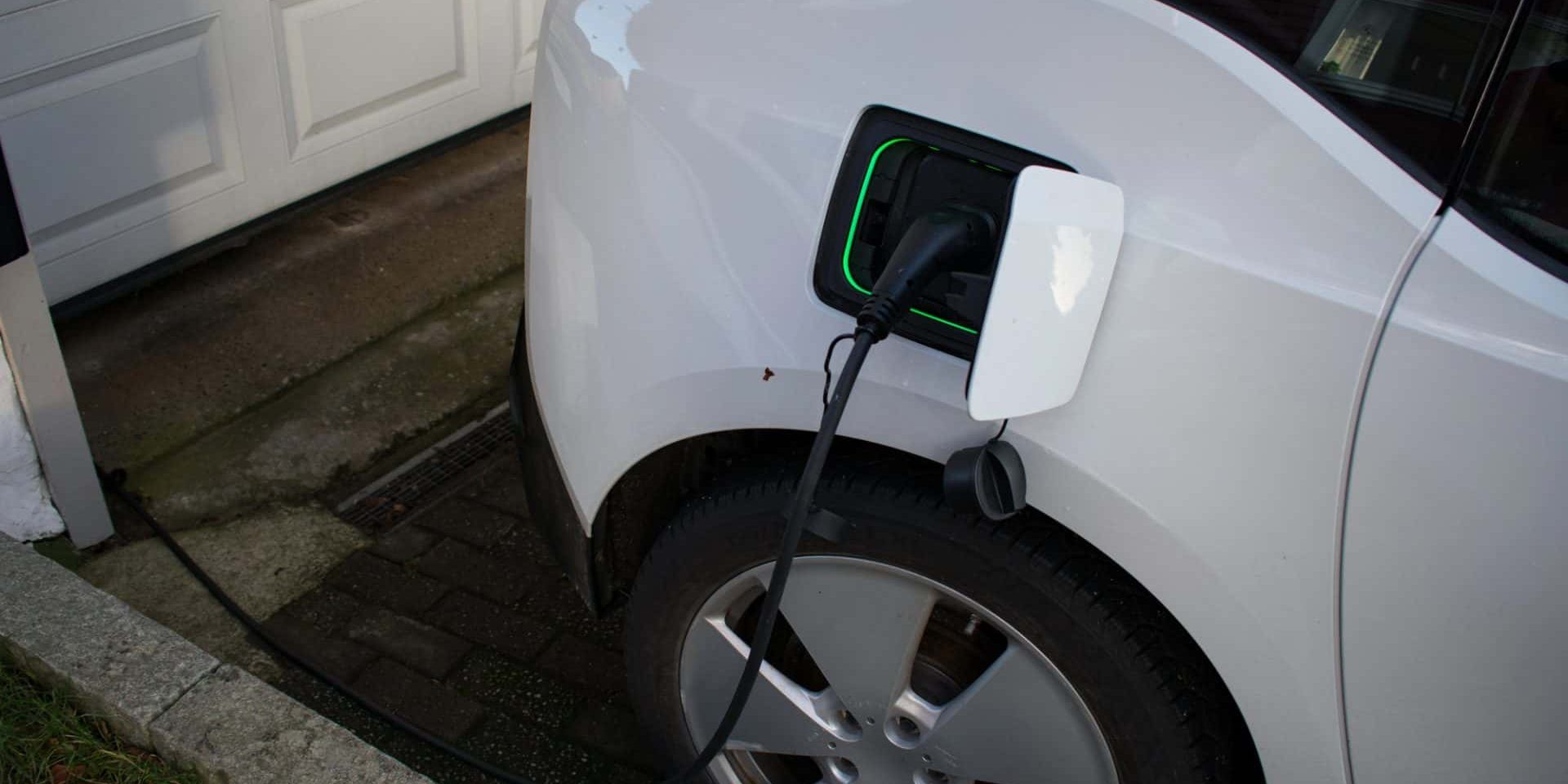

This year, car manufacturers selling new vehicles in the United Kingdom must ensure that at least one in three of those vehicles is a zero-emission model. The Zero Emission Vehicle mandate, now in its third year of operation, requires 33 percent of new car sales in 2026 to be fully electric or hydrogen powered. Manufacturers who miss the target face fines of £15,000 per non-compliant vehicle, with no ceiling on the total penalty. The rules are reshaping how cars are priced, what stock dealers hold, and in some cases which models are available to buyers at all.
The Targets and the Penalties
The ZEV mandate was introduced by the previous government and retained by the current administration, setting annual targets for the proportion of zero-emission vehicles manufacturers must sell as a share of their total new car registrations. The target for 2024 was 22 percent. It rose to 28 percent in 2025. In 2026, the requirement stands at 33 percent. Future targets escalate further: 38 percent in 2027, 52 percent in 2028, 66 percent in 2029, and 80 percent by 2030.
The fine for missing the annual target is £15,000 per car, applied to every vehicle by which a manufacturer falls short. A brand that sells 100,000 cars but only delivers 30,000 zero-emission models, against a requirement for 33,000, faces a fine of £45 million for the three-thousand-car shortfall. For van manufacturers, the penalty is £18,000 per van. There is no maximum cap on the total fine, though manufacturers can carry credits forward from over-performing years and borrow against future years within limits set by the scheme.
Which Manufacturers Are Under Pressure
Manufacturers with strong existing electric line-ups and loyal EV customer bases are broadly on track. Brands including Tesla, Polestar and BYD have no difficulty meeting the threshold given their model ranges. Volume manufacturers with large combustion car portfolios face a harder task. Stellantis, which includes Vauxhall, Peugeot, Citroën and Fiat, has previously raised concerns about the pace of the mandate given consumer demand for electric models in those brands. Ford and Toyota, both of which have significant petrol and hybrid sales, have also faced questions about compliance.
The mandate includes a flexibility mechanism that allows manufacturers to pool credits across brands within a corporate group, and to borrow credits from future compliance years at a cost. This means a manufacturer that falls short in 2026 can partially offset the gap by over-delivering in a previous or future year, but the borrowing provisions carry limits and increase the pressure in subsequent years. Manufacturers that rely heavily on borrowing to avoid fines are effectively deferring their challenge rather than solving it.
How Manufacturers Are Responding
The most visible consumer-facing effect of the mandate is in electric car pricing. Manufacturers who need to increase their EV sales volumes as a share of total registrations have in many cases introduced deeper discounts, deposit contributions, and enhanced finance offers on electric models to make them more attractive relative to petrol equivalents. These incentives are in many cases funded by the manufacturer rather than appearing as dealer margin, and they represent a direct financial effort to shift the sales mix toward compliance.
Some manufacturers have responded in the opposite direction by restricting the supply of petrol and diesel models in the UK. If a manufacturer faces a choice between selling fewer total cars and missing the ZEV percentage target, it can improve compliance by selling fewer combustion vehicles even if demand for them exists. Dealers in some brand networks have reported tighter allocations of popular petrol models in certain configurations, with longer delivery times for some variants as manufacturers manage their annual compliance position.
Fleet and business buyers have been a key lever for manufacturers trying to shift their ZEV percentage. Zero-emission vehicles sold to fleet operators count toward the target in the same way as retail sales, and fleet customers tend to be more receptive to electric vehicles given their ability to model total cost of ownership across higher mileage cycles. Some manufacturers have offered particularly aggressive fleet terms on electric models to drive volume through this channel, even if retail demand has not kept pace with what compliance requires.
What This Means for Buyers of Petrol Cars
For drivers who want to buy a new petrol or diesel car this year, the most practical effects of the ZEV mandate are in availability and pricing. Popular petrol models from manufacturers under compliance pressure may have longer lead times in some specifications as dealer allocations are managed to keep the overall sales mix within tolerance. Buyers who need a specific model quickly should check current stock availability rather than assuming the standard delivery lead time from previous years applies.
Pricing of combustion models may also be softer than historic norms as dealers balance the need to sell through petrol stock without artificially inflating the manufacturer’s combustion share relative to its EV numbers. In practice, this can mean better negotiating positions for buyers of conventional cars in some brands, as dealers have more flexibility to move stock quickly.
Buyers who are open to an electric vehicle and are being offered a manufacturer incentive should compare the total cost including home charging costs, insurance, and road tax against the petrol equivalent before treating the headline deal as the only figure that counts. Manufacturer EV incentives funded by compliance pressure can represent genuine value, particularly where the incentive is structured as a deposit contribution or a fixed monthly payment reduction rather than a complex part-exchange arrangement.
The Broader Picture for UK Car Buyers
The ZEV mandate is the most significant structural force shaping the UK new car market in 2026. It determines which cars manufacturers prioritise selling, what incentives are on the table, and in some cases what stock is available. Understanding that the deals you see on electric cars and the relative pricing of petrol equivalents are being shaped by compliance requirements as much as by consumer demand helps explain what might otherwise seem like an odd set of market signals.
The mandate targets rise steeply through to 2030, when four in five new cars sold must be zero-emission. Manufacturers who are already finding 2026’s 33 percent requirement stretching face a narrow window to build out EV ranges, retrain sales networks, and bring charging infrastructure to a level that makes broad consumer confidence possible. For buyers in the used car market, this dynamic will shape which models are abundant and which become scarce at different price points over the next several years as the ZEV fleet builds from the current new car sales mix.

Leave a Comment
More in News

Texas woman goes to AutoZone for her BMW. Then she talks to an open-air mechanic: ‘Lot of different quotes’
Pennsylvania Turnpike Gantry Tolls Start Jan. 3 as Rates Rise 3.5 Percent

Washington’s SR 167 Expressway Tolls Start Dec. 14 at $1 With a Pass

Your Plug-in Hybrid Gives You Less in Winter, and Not in the Way You Expect

Average New Car Price Hits Record $51,109, Up 2.1% on October 2025
Trending on Motoring Chronicle

Bentley introduces ‘Ombre by Mulliner’ for the ultimate paint finish [Photo Gallery]

MOT Failure Rates Double Between Ages Four and Twelve, According to 33 Million Tests

Legends Reborn: Iconic Liveries Dazzle at Salon Privé Blenheim Palace 2024 [Photo Gallery]

Merseyside Police Become First UK Force to Charge Drink-Drivers at the Roadside