
London Pollution Deaths Fall 40 Percent Since 2019 as New ULEZ Data Lands
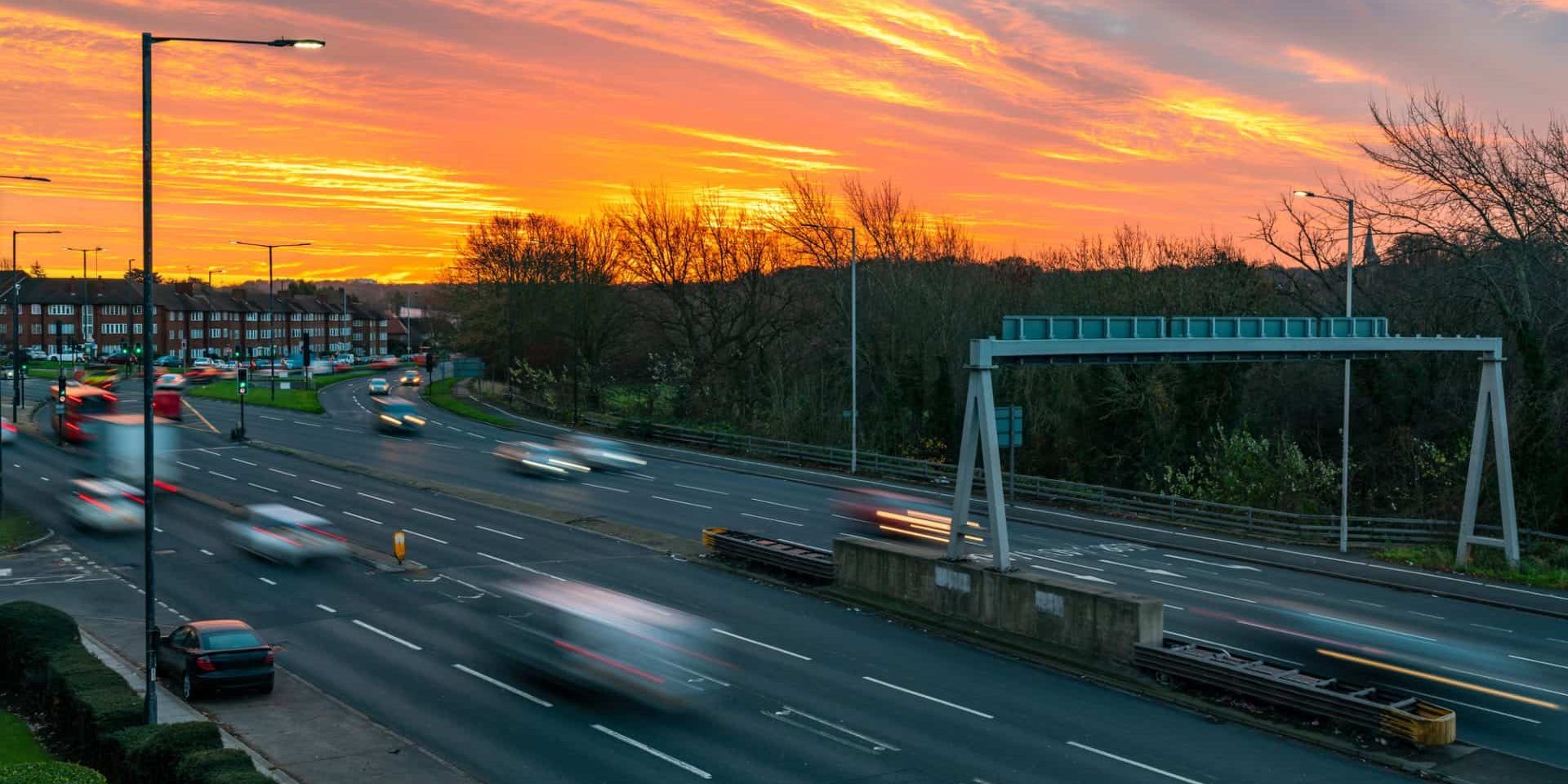

The Ultra Low Emission Zone has split opinion in London like few other motoring policies, and new figures will reignite the argument on both sides. Research from Imperial College London estimates that deaths linked to air pollution in the capital fell by around 40 per cent between 2019 and 2024, the period in which the zone was introduced and then expanded across all of Greater London. For the nine million people who now live inside the zone, and the drivers who pay to enter it, the data gives the clearest picture yet of what the scheme has and has not delivered.
Whatever your view of the charge, the practical questions for drivers have not changed: does your car still have to pay, how much, and how do you avoid a fine. This is what the new evidence shows, and what every motorist driving into London needs to know.
What the New Data Shows
The Imperial College analysis found that nitrogen dioxide levels, the pollutant most closely tied to diesel exhaust, dropped by 41 per cent across the capital. Fine particulate pollution known as PM2.5, which lodges deep in the lungs and is linked to respiratory and heart conditions, fell by 28 per cent. Using updated methods, the researchers estimate that premature deaths attributable to air pollution fell from a range of 6,400 to 8,000 in 2019 to between 3,800 and 5,100 in 2024.
Those reductions track the rollout of the zone. The ULEZ began in central London in April 2019, expanded to inner London in 2021, and was extended to cover the whole of Greater London in August 2023, making it the largest clean air zone in the world. Sir Sadiq Khan, the Mayor of London, said the latest figures vindicated a decision he admitted was “not easy”. “The evidence is now overwhelming and unarguable: the bold action we have taken in London has reduced pollution, improved public health and saved lives,” he said, adding that illnesses from childhood asthma to dementia are linked to dirty air.
Who Still Pays the ULEZ Charge
The zone works by charging the most polluting vehicles a daily fee rather than banning them. For cars, motorcycles and vans up to 3.5 tonnes, the charge is £12.50 a day if the vehicle does not meet the emissions standard. The standards are the key detail. As a rule of thumb, petrol cars first registered from 2006 onwards usually meet the Euro 4 standard and are exempt, while diesel cars generally need to have been registered from September 2015 to meet the tougher Euro 6 standard. A large number of ordinary family cars therefore pay nothing, but plenty of older diesels still attract the daily charge.
The penalty for getting it wrong is steep. Drive a non compliant vehicle in the zone and fail to pay by midnight on the third day after the journey, and you face a Penalty Charge Notice of £160, reduced to £80 if you pay within 14 days. Because the rules turn on the exact registration date and emissions rating rather than the age of the car, the only reliable way to know your position is to check the registration directly, which we explain below.
Drivers should also be aware of a separate change to the Congestion Charge that overlaps with the same area of central London. The daily Congestion Charge rose from £15 to £18 in January 2026, the first increase in years, and electric vehicles lost their automatic exemption at the same time. EV owners now need to register for Transport for London’s Auto Pay system to qualify for a discount rather than driving in free, so even a zero emission car can carry a daily cost in the centre.
It is also worth remembering how many drivers were helped to comply in the first place. As the zone expanded, Transport for London ran a scrappage scheme worth tens of millions of pounds that paid grants to lower income residents, disabled Londoners and small businesses to scrap or retrofit non compliant vehicles. That scheme has now closed to new applicants, so drivers who still run an older car can no longer count on a grant towards a cleaner replacement, which sharpens the case for checking your status and planning ahead rather than being caught out by a daily charge.
London is far from alone. Clean air zones with their own charges already operate in Bath, Birmingham, Bradford, Bristol, Portsmouth, Sheffield and the Tyneside area covering Newcastle and Gateshead, each with its own rules on which vehicles pay and how much. Unlike the ULEZ, several of these zones charge only the most polluting vans, taxis, buses and lorries rather than private cars, but the detail varies from city to city. Any driver travelling around the country this summer should check the specific scheme for the city they are visiting, because compliance in London does not automatically mean compliance elsewhere, and the penalties for missing a charge are just as real.
The Outer London Picture and the Debate
The expansion to outer London in 2023 was met with significant opposition, including protests and damage to enforcement cameras. The new data gives the Mayor a fresh argument, because the boroughs with the highest number of deaths attributable to air pollution per 100,000 residents in 2024 were outer London areas: Bexley, Havering and Sutton. Khan said this showed why extending the zone to the suburbs was important, and warned Londoners not to become complacent, saying “there is still more to do”.
Campaigners pressed the same point. Jemima Hartshorn, founder of Mums for Lungs, said more than 100,000 children went to hospital with breathing issues in London in 2024 and called for further action, noting that other cities and regions remain more polluted than the capital. Critics of the zone counter that the charge falls hardest on lower income drivers and small traders who cannot easily replace an older vehicle, and that the health gains owe much to cleaner new cars arriving on the market anyway. The Imperial figures will not settle that argument, but they do give both sides firmer numbers to debate.
How to Check Your Car and Avoid a Fine
The single most useful step for any driver heading into London is to run the registration through Transport for London’s free vehicle checker before the journey. It tells you in seconds whether you need to pay the ULEZ charge, the separate Low Emission Zone charge for larger vehicles, and the Congestion Charge, using only your number plate and country of registration. Do not rely on the age of the car alone, because a handful of older petrol cars are exempt while some pre 2015 diesels are not.
If your vehicle is liable, you can pay the £12.50 charge online or set up TfL Auto Pay, which records your journeys automatically and bills you, removing the risk of forgetting and collecting a £160 penalty. Drivers who only enter London occasionally should diarise the midnight deadline on the third day after a trip, since late payment is the most common reason ordinary motorists end up fined. Anyone buying a used car for regular London use should check its ULEZ status before purchase, as compliance can make a meaningful difference to running costs over a year.
For drivers weighing up whether to switch to a compliant vehicle, the long term direction is towards cleaner zones rather than away from them, with charges and discounts increasingly tied to emissions across the country. The new health data strengthens the political case for keeping the ULEZ in place and for other cities to follow London’s lead, so understanding your own car’s status is likely to stay worthwhile. We will keep following clean air charges and what they cost drivers on Motoring Chronicle.
Sources:

Leave a Comment
More in News

What Drivers Need to Know About This Week’s National Drive Sober Crackdown

Kansas Turnpike Tolls Rise Today as Truckers Pay 4% More for a $500 Million Upgrade
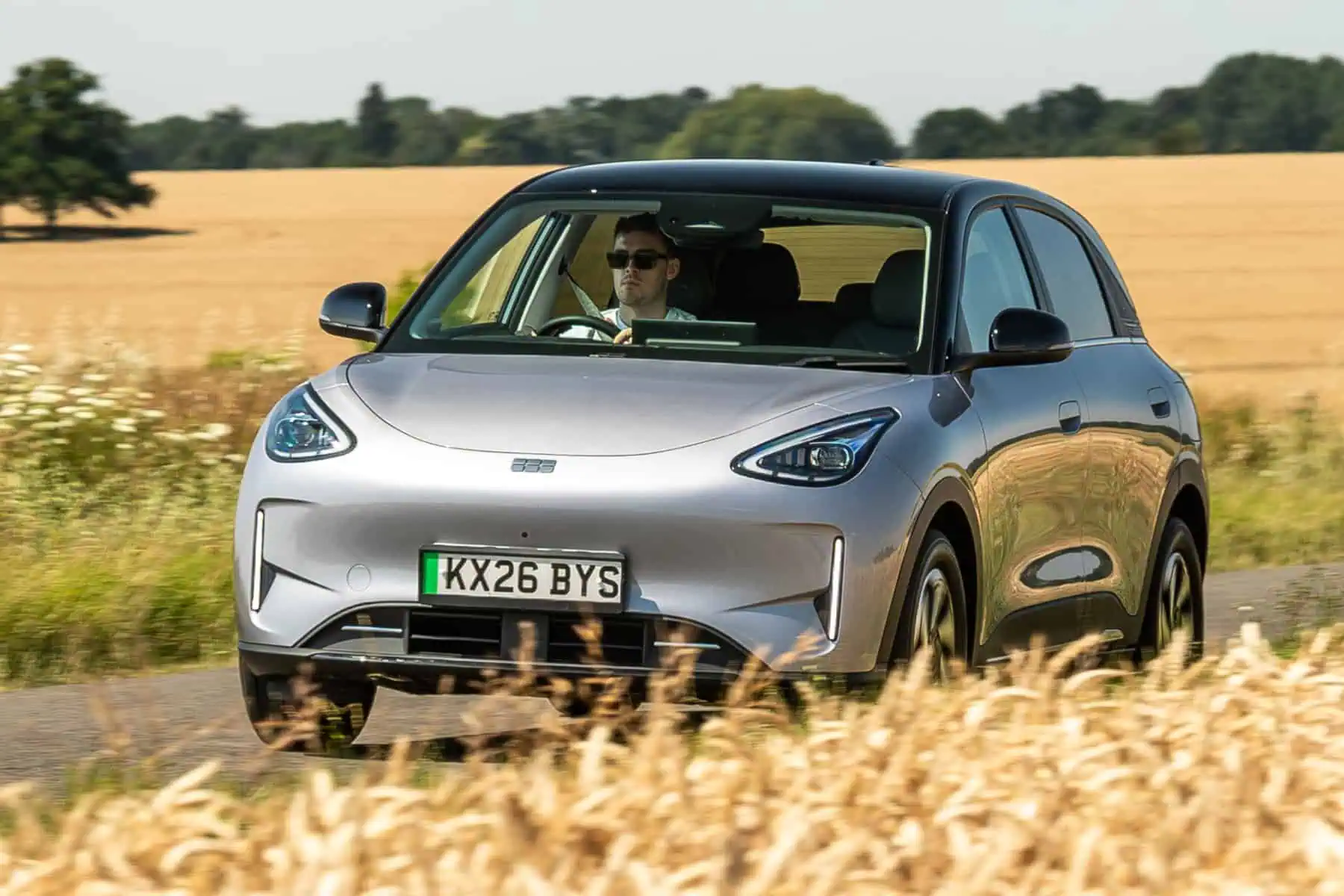
Geely EX2 review: Affordable EV supermini wins the space race
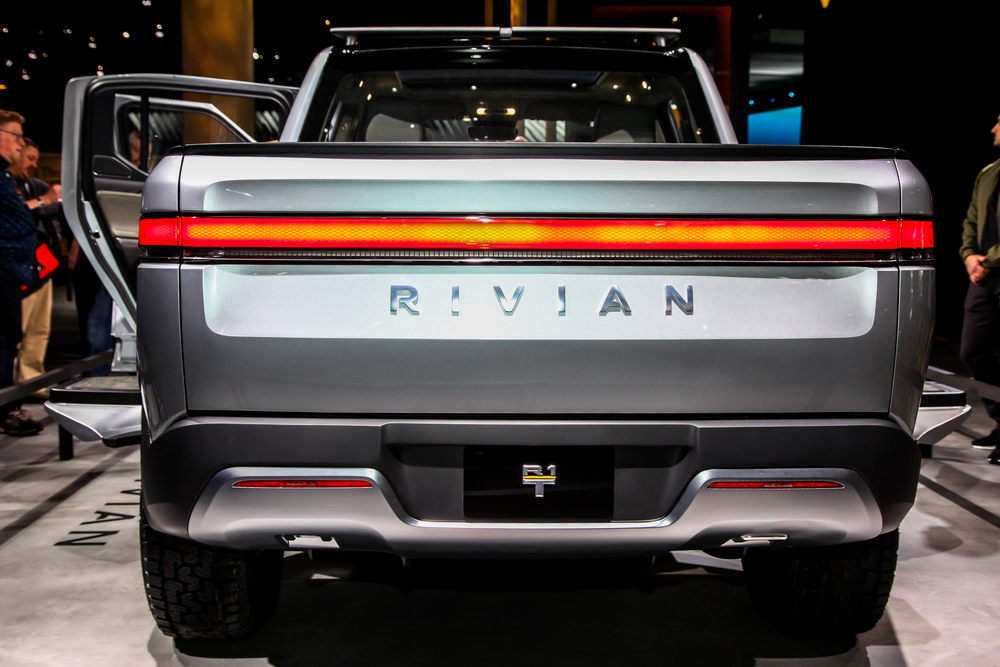
Rivian Recalls 3,829 More EVs After Turn Signals Fail Again
Why Auto Loan Delinquencies Just Hit Their Highest Level in 32 Years
Trending on Motoring Chronicle

A decade of vision: the 10 most iconic Genesis concept cars
How to Keep Driving Legally While You Wait Out a DVLA Medical Licence Delay
Why Your Car’s Backup Camera Gets Blurry Over Time (And How to Fix It)
Ferrari Stop Mat Armstrong From Rebuilding His 296 GTB
