
How Connecticut’s New Work Zone Speed Cameras Work and When the Fines Start

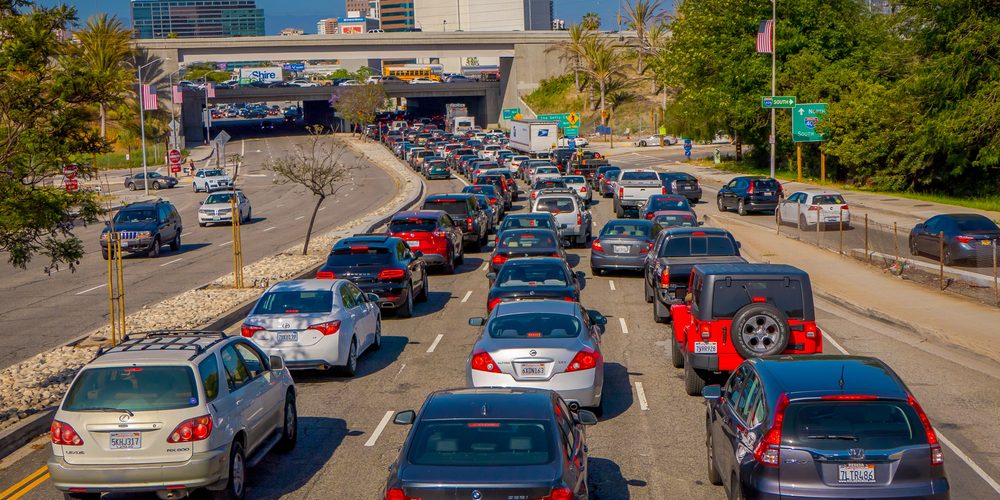
Drivers on Connecticut highways have until July 6 before the state’s new work zone speed cameras start hitting wallets. The Connecticut Department of Transportation switched on its Automated Work Zone Speed Control Program, branded Know the Zone, on June 1, 2026. For the first five weeks it has been a warning only system, mailing notices but charging nothing. That grace period ends on July 6, after which a camera that catches you speeding through an active work zone can turn into a $75 fine. Here is exactly how the program works, where the cameras are, and how to avoid a notice in the first place.
How the Cameras Catch Speeders
The system uses radar backed speed safety cameras positioned in marked, active highway work zones. The cameras measure a vehicle’s speed against the posted work zone limit and photograph the license plate of any vehicle traveling 10 mph or more over that limit. A notice is then mailed to the registered owner. The program is designed to protect roadway workers and drivers in the stretches of highway where lanes narrow, crews are close to traffic, and crash risk is highest.
Crucially for drivers, a Know the Zone violation behaves differently from a traditional speeding ticket. Connecticut has structured the program so that violations do not add points to your license and do not appear as a moving violation on your driving record. That means a notice should not directly raise your insurance the way a conventional ticket can. The penalty is financial and tied to the vehicle rather than a judgment against the driver’s record, which is a common design for automated camera programs.
The Warning Period and the July 6 Deadline
From June 1 through July 5, 2026, the cameras issue warning notices only. A driver clocked at 10 mph or more over the work zone limit during this window receives a written warning in the mail and owes nothing. The state built in this education period so that drivers learn the cameras are live before any money changes hands.
Beginning July 6, the penalties take hold. A first offense still draws a written warning, but a second violation within one year carries a $75 fine. There is one important exception that applies from day one of enforcement: any vehicle recorded traveling 85 mph or more in a work zone receives a $75 fine immediately, even on a first offense. In other words, ordinary speeders get one free warning after July 6, but drivers going 85 or faster do not. After the first paid offense, the structure escalates for repeat violations within the year.
Where the Cameras Are Located
CTDOT has said the program can operate in up to 15 active highway work zones statewide, and it specifically points to heavily traveled corridors such as Interstate 84 and Route 15. Initial enforcement has been concentrated at a small number of sites, including Interstate 95 at Interchange 43 in West Haven, Interstate 95 at Interchange 74 in East Lyme, and Route 2 in Colchester. The locations move as construction projects start and finish, so a camera that is active one month may not be the next, and new zones can appear as the summer building season ramps up.
Connecticut is not acting alone. Work zone speed cameras have spread across the Northeast and beyond as states try to cut a stubborn toll of crashes in construction areas. Maryland, Pennsylvania, and other states run similar automated programs, and the federal government has encouraged the approach through safety funding. The common thread is that these cameras only operate where workers are present and signs warn drivers that automated enforcement is in use.
What To Do to Avoid a Notice
The simplest protection is to treat every posted work zone limit as a hard number, not a suggestion. Slow to the signed speed as soon as you see the orange signs, and stay there until you pass the end of the zone. Because the cameras trigger at 10 mph or more over the limit, leaving a buffer below the posted speed keeps you well clear of a notice. Watch for reduced limits that drop sharply on the interstates, where a 65 mph stretch can fall to 45 mph within a construction area.
If a notice does arrive, read it carefully. It will identify the date, time, location, recorded speed, and the amount owed, and it should include instructions for paying or contesting. Because these are civil notices tied to the vehicle, the registered owner is responsible, so anyone who lends a car to a family member should know a work zone notice could land in their mailbox. Drivers who believe a notice was issued in error, for example because the cited vehicle was not theirs or the plate was misread, can follow the appeal process printed on the notice.
For drivers who pass through Connecticut on regular commutes or summer trips, the safest assumption is that any active work zone on I-95, I-84, or Route 15 could be watched. The fine is modest at $75, and the absence of license points softens the blow, but the program is built to change behavior rather than raise revenue. Slowing down through the cones protects the crews working a few feet from traffic and keeps the notices out of your mail. After July 6, the warnings stop being free, and the 85 mph trigger means the fastest drivers pay from the very first photo.
Why Work Zones Are So Dangerous
The reason states keep adding these cameras is a grim and persistent crash record. Highway work zones force traffic into narrower lanes, sudden merges, and abrupt speed drops, often with concrete barriers or crews only a few feet from passing vehicles at full highway speed. Most people hurt in work zone crashes are drivers and passengers, not just construction workers, because rear end collisions and lane departure crashes spike where traffic patterns shift without warning. Speed is the single factor that turns a near miss into a serious injury, which is why automated enforcement targets it directly rather than relying on a trooper parked in a coned off lane.
Connecticut’s approach mirrors a national push backed by federal highway safety funding. Maryland has run highway work zone speed cameras for years and issues fines in the same modest range, while Pennsylvania operates an automated program on its interstates and turnpike. The shared design features are consistent: cameras only run in active, signed zones, drivers get clear warning that automated enforcement is in use, and the penalties are civil rather than criminal so they stay off the driving record. The aim across all of them is to slow the flow of traffic through the most hazardous stretches of road during the busy summer building season.
It also helps to understand what counts as an active work zone for the cameras. Enforcement is tied to zones where crews are present and the reduced limit is posted and in force, not to a permanent fixture on the highway. When a project wraps or a crew leaves for the day, the temporary limit and the camera enforcement that goes with it lift. That is why the safest habit is to react to the orange signs and the posted number in front of you rather than to a speed you remember from a previous trip down the same road.
Sources:

Leave a Comment
More in News
Car Insurance Bills Rose by £8 This Quarter as a Two-Year Price Drop Ends

Garage Complaints to the Motor Ombudsman Jumped 22 Percent as Payouts Hit £4,308

How Cap HPI Data Shows Some Used Electric Cars Losing 29 Percent of Value

POPLA Cancelled Nearly Half of 107,000 Parking Fines UK Drivers Challenged

What a Flashing Oil Pressure Light Means for Your Engine and How to React
Trending on Motoring Chronicle

2027 Toyota Prius Plug-in Hybrid Starts at $33,980 With 44-Mile Electric Range

How to Claim Up to $4,595 From the Mitsubishi Outlander Hood Settlement

KGM Musso EV Becomes UK’s Cheapest Electric Pick-Up at £39,995

How UK Drivers Can Keep Children Safer on the Roads This Bank Holiday Weekend
