Young Northern Ireland Drivers Face a Night Time Passenger Curfew Under New Licence Law
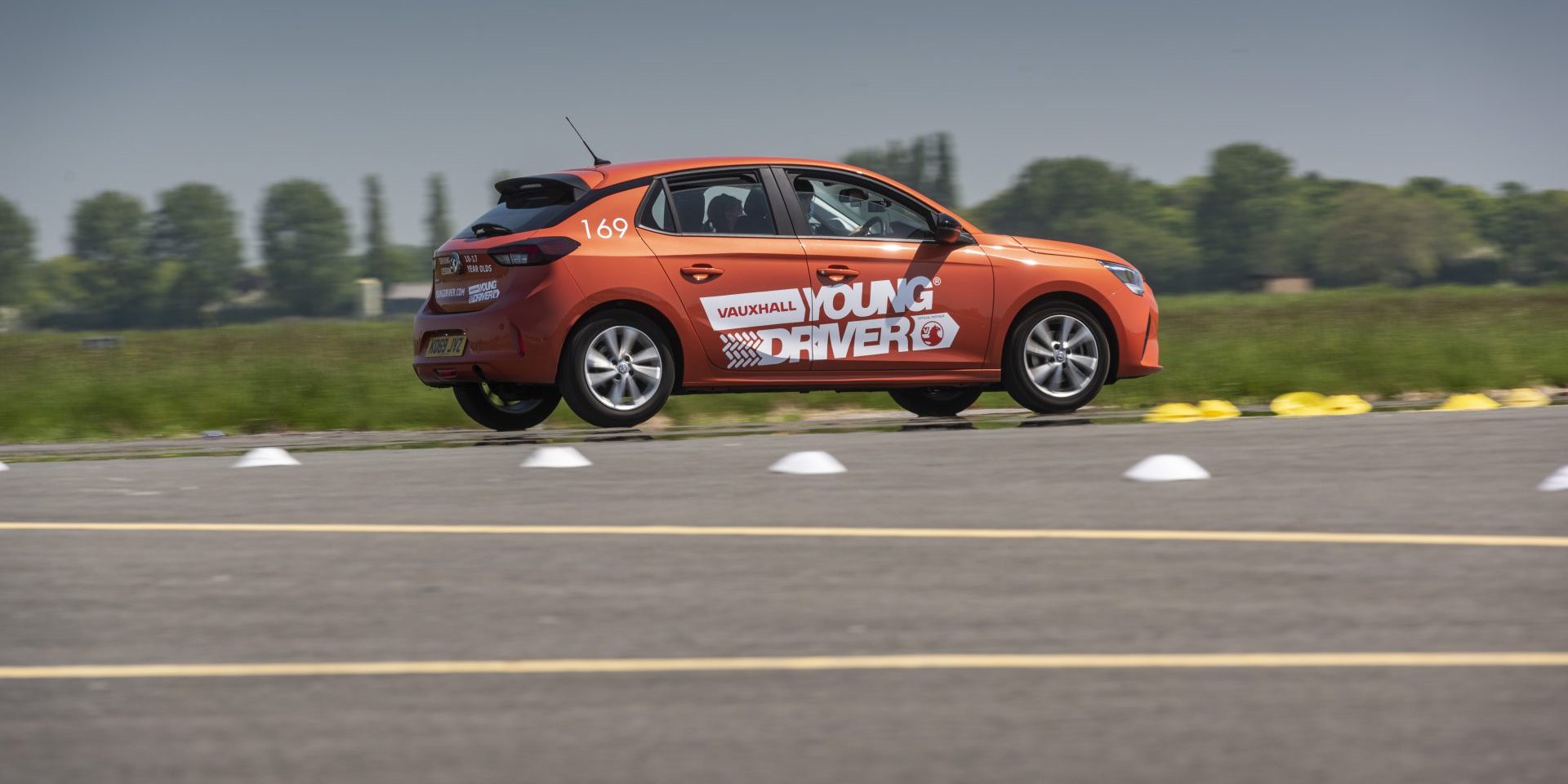

New drivers in Northern Ireland are about to face the tightest restrictions on young motorists anywhere in the United Kingdom. From 1 October 2026, every learner who holds a provisional car or motorcycle licence in Northern Ireland will be brought into a Graduated Driver Licensing scheme, a phased system that controls when and how a new driver builds up experience on the road. The Northern Ireland Assembly has approved the regulations, and officials have called the change the biggest reform of driving law in the region in almost 70 years. For any family with a teenager learning to drive, it rewrites the timetable, the cost and the day to day rules of the first two years behind the wheel.
Northern Ireland is the first part of the UK to adopt graduated licensing, a model already used in Australia, New Zealand and parts of Canada and the United States. Drivers in England, Scotland and Wales are not affected for now, but the scheme will be watched closely because campaigners have spent years pressing for the same approach across Great Britain. Here is what is changing, who it touches, and the steps learners and parents should take before October.
A Night Time Limit on Who New Drivers Can Carry
The change most likely to affect daily life is a restriction on passengers. For the first six months after passing the test, drivers under the age of 24 will not be allowed to carry passengers aged between 14 and 20 between 11pm and 6am. The rule targets the late night car full of young friends, a situation road safety researchers have long tied to the most serious crashes involving inexperienced drivers. Carrying several similar aged passengers at night is one of the strongest known risk factors for a fatal collision among newly qualified motorists.
There is one important exception. Immediate family members are exempt, so a newly qualified 19 year old can still drive a younger brother or sister home after 11pm without breaking the rule. The restriction is tied to the driver’s age and the time of day rather than the number of seats in the car, and it lifts automatically once the six month period is over. After that, the same driver faces no passenger limit at all.
Six Months of Supervised Learning Before the Test
The scheme reaches back into the learning stage as well. Before anyone can sit the practical test, they will have to complete a minimum learning period of six months and pass the theory test first. Learners will also have to work through a structured Programme of Training and keep a record of their progress in a mandatory logbook. The Department for Infrastructure has built a mobile app to manage the process, with a web based version for those who prefer it, so the logbook is completed digitally rather than on paper.
The training is designed to do more than teach clutch control and parallel parking. Officials say it is meant to help young people understand how their attitude, mood and behaviour shape the way they drive, the human factors that sit behind many young driver crashes. Learners will only be able to book a practical test once they have passed the theory test, served the six month learning period and finished the training programme. Under the new system, learner drivers will also be allowed onto motorways for the first time, provided they are accompanied by an approved driving instructor.
Once a candidate passes, they move onto a new R plate, which replaces the current restricted driver scheme. The R plate allows the driver to use motorways and drive up to the posted speed limit rather than the lower limit that restricted drivers face today. The R period runs alongside a two year probationary period, and this is where another sharp rule bites: anyone who builds up six penalty points during those two years will automatically lose their licence, the same threshold that already catches new drivers across the rest of the UK.
For families, the financial side is worth planning for too. Insurers price new and young drivers as the highest risk group on the road, and a newly qualified teenager can face a premium running into thousands of pounds in their first year. Telematics or black box policies, which monitor speed, braking and the time of day a car is used, often cut those costs for careful drivers, and the new scheme’s focus on late night risk sits neatly alongside the way those policies already reward avoiding the small hours. Building up a clean record during the probationary period also protects a no claims discount that takes years to rebuild if it is lost.
Great Britain has flirted with graduated licensing for more than a decade without adopting it, with successive governments commissioning research and then stopping short of legislation over concerns about the impact on young people in rural areas who depend on a car for work and study. Northern Ireland’s scheme will produce the first hard UK evidence on whether the benefits outweigh those concerns, which is why road safety charities, insurers and ministers in London, Edinburgh and Cardiff will be studying the casualty data closely once the rules bed in.
Why Northern Ireland Acted, and the Numbers Behind It
The case for the overhaul rests on a stark imbalance in the casualty figures. People aged between 17 and 23 hold just 8 per cent of driving licences in Northern Ireland, yet they account for almost a quarter of all fatal or serious road collisions. In the last year alone, 164 people were killed or seriously injured in crashes where a driver aged 17 to 23 was responsible. The toll is heaviest away from town: 71 per cent of those killed or seriously injured in crashes involving young drivers were hurt on rural roads, where higher speeds and unforgiving bends leave little room for a mistake.
Evidence from the Transport Research Laboratory suggests graduated licensing can cut collisions involving young drivers by between 5 and 40 per cent, depending on how the rules are designed and enforced. Infrastructure Minister Liz Kimmins welcomed the Assembly vote, saying the approval of the regulations would let her put the remaining legislation in place to introduce the scheme. “Too many lives are lost, and too many are shattered by the consequences of road deaths and serious injuries here,” she said, describing graduated licensing as “a valuable lifesaving tool” in her wider road safety plans.
What Drivers and Families Need to Do
The first thing to check is the date on the provisional licence. The new scheme applies to anyone whose provisional car or motorcycle licence starts on or after 1 October 2026. Existing learner drivers who already hold a provisional licence before that date will carry on under the current rules until 31 March 2027. After that cut off, they too will have to meet the graduated licensing requirements if they have not yet passed their test, so learners part way through their lessons should aim to pass before the spring 2027 deadline or be ready to switch to the new system.
Families planning lessons from October should build in the six month minimum learning period when they think about timing and budget, because there is no longer a way to rush from first lesson to test in a matter of weeks. Download the Department for Infrastructure logbook app early and keep it updated, since a complete training record will be needed before a test can be booked. New drivers and their passengers should also be clear on the 11pm to 6am passenger rule and the family exemption, so a lift home does not turn into an accidental offence. And every new driver should treat the six point probationary limit seriously, because a single careless moment caught on camera can wipe out a licence with no court hearing.
A public information campaign is due before the rules take effect, and the Department for Infrastructure has promised more detail on how the app and training programme will work in practice. For the rest of the UK, the Northern Ireland scheme becomes a live test of whether graduated licensing saves lives without unfairly penalising young people who rely on a car for work, study and rural life. If the casualty figures fall as researchers predict, pressure to bring similar rules to Great Britain is likely to grow. You can follow how the rules develop on Motoring Chronicle.
Sources:

Leave a Comment
More in News
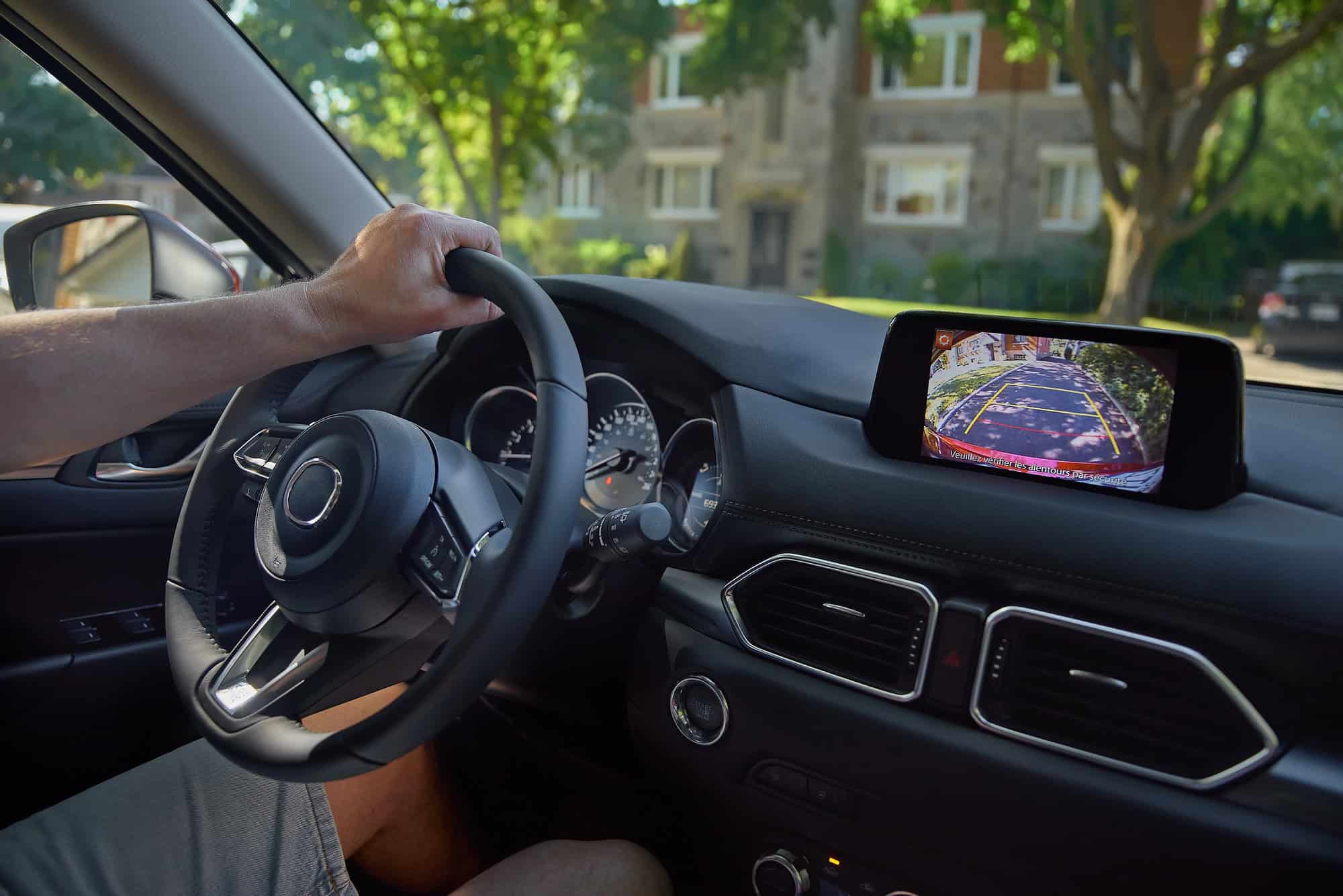
Honda Recalls 325,588 Odyssey Minivans Over Backup Cameras That Go Dark in Reverse

How Bellevue’s New Speed Cameras Will Fine Drivers Up to $248 Starting in September
NHTSA Investigates 1.16 Million GM Vehicles After Brakes Suddenly Failed in Crashes

Colorado Now Forces Uber and Lyft to Investigate Assault Complaints in 7 Days

KGM Actyon Hybrid review: Leftfield family SUV gets a hybrid boost
Trending on Motoring Chronicle

How to Spot the Hidden Fees the FTC Just Warned 97 Car Dealers About
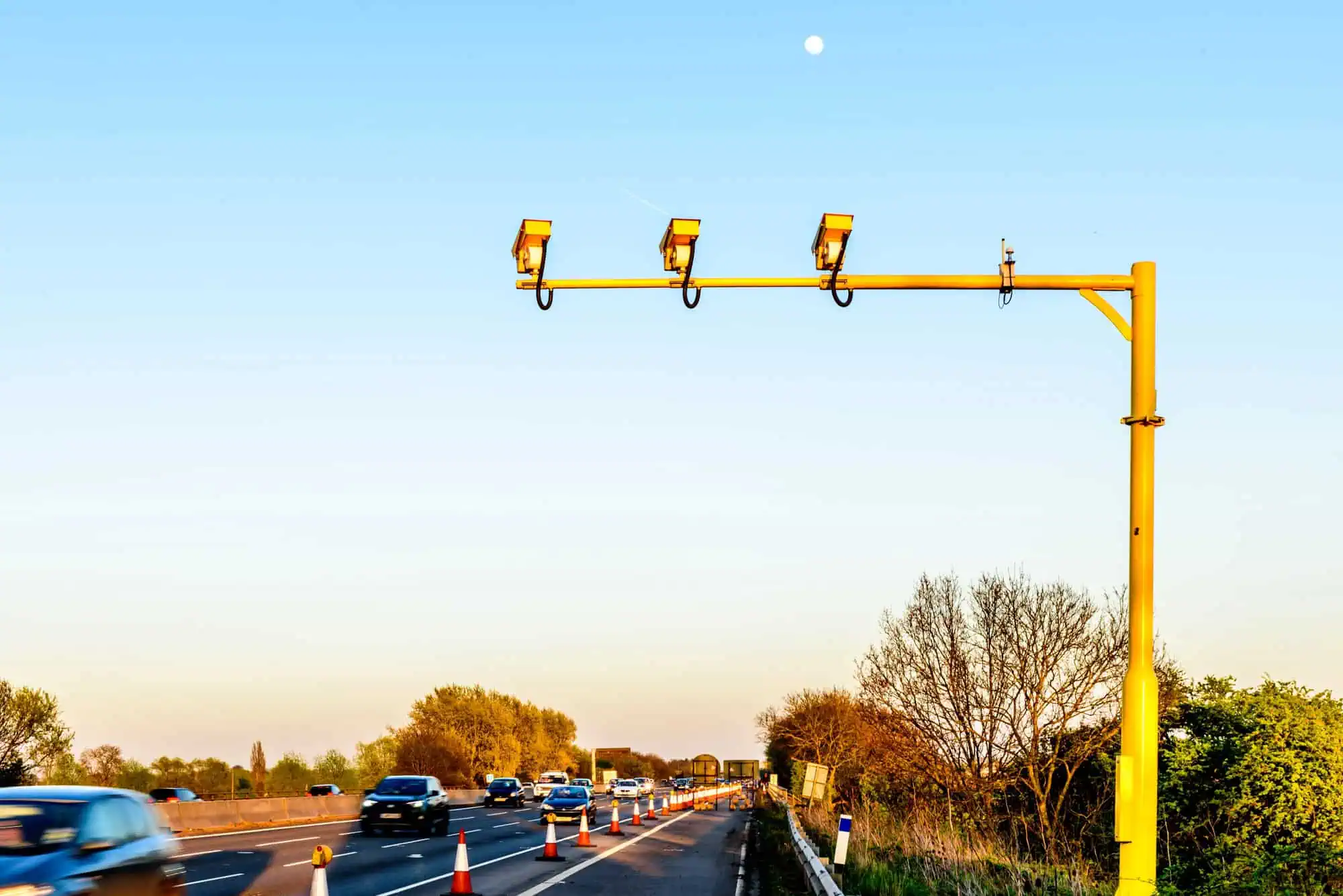
AI Roadside Cameras Now Spot Phones and Seatbelts from a Mile Away

How New Traffic Cameras in Lancashire Are Catching Drivers Making Banned Turns

How Taller Truck and SUV Hoods Are Killing Hundreds of US Pedestrians a Year