
What the Law Really Says About Middle-Lane Hogging (and the £5,000 Penalty for Undertaking)
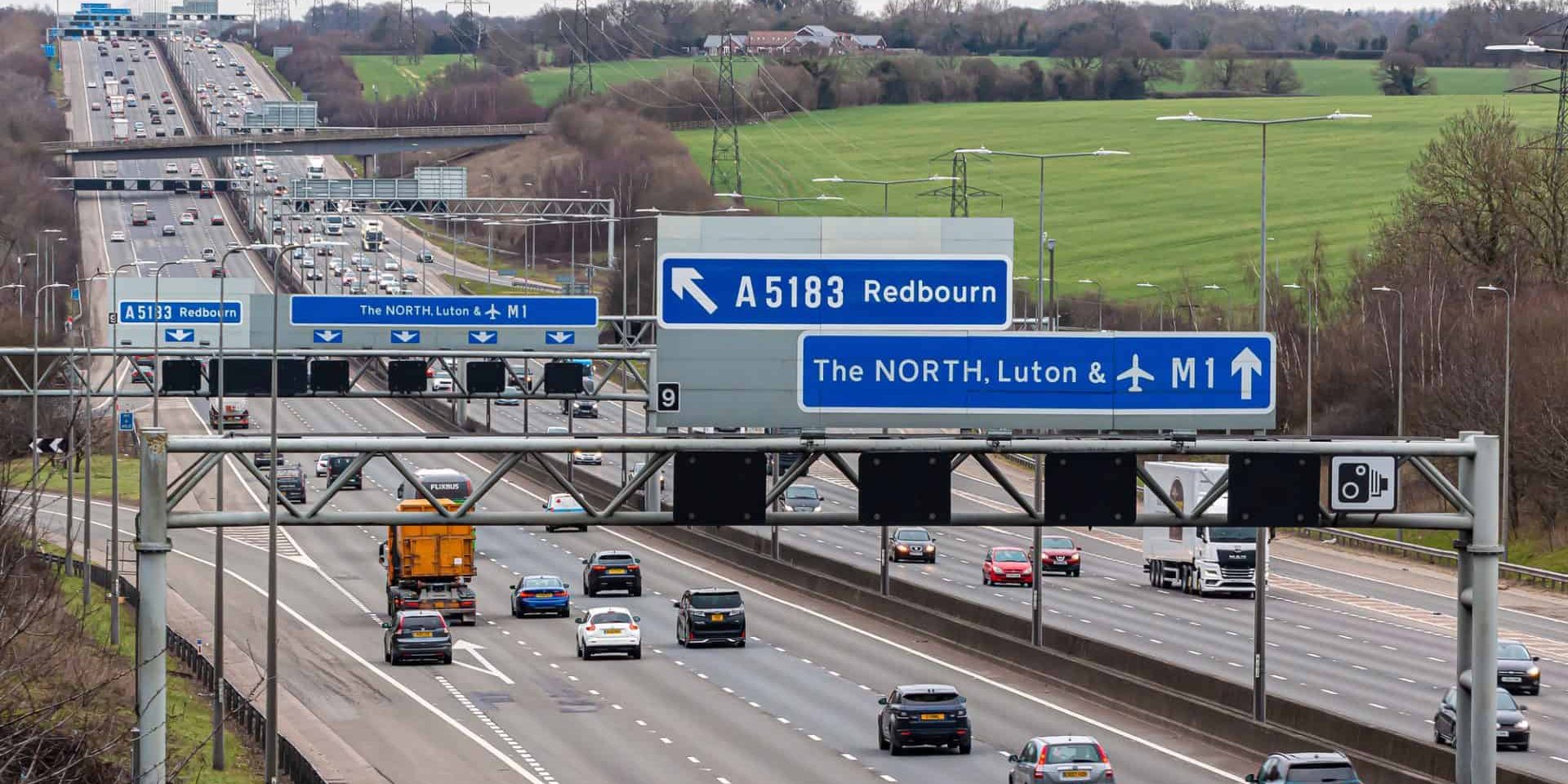
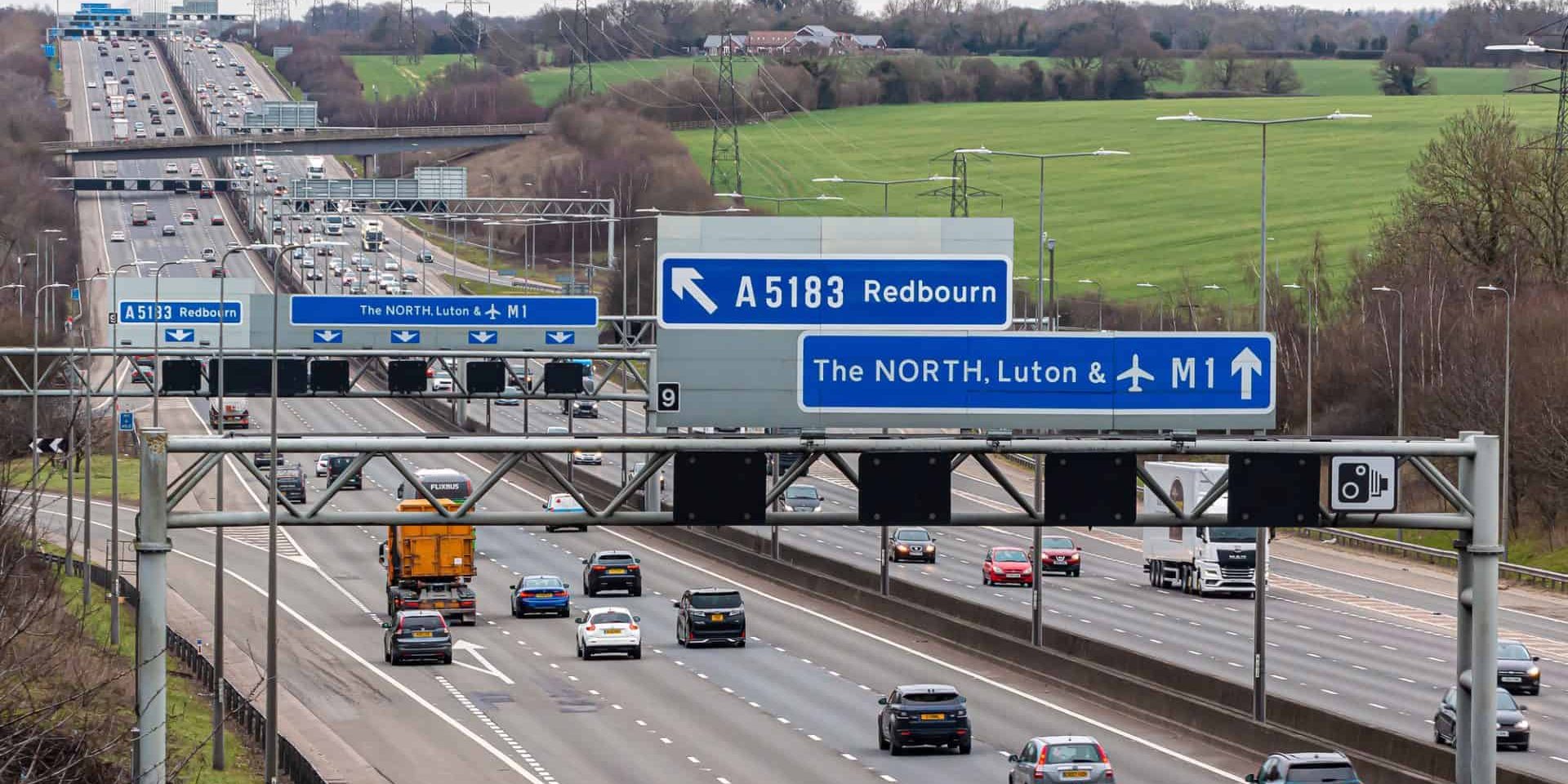
Middle-lane hogging is one of the most complained about habits on Britain’s motorways, and new research shows it is now pushing ordinary drivers into breaking the law themselves. A survey published in June 2026 found that more than a quarter of motorists have driven dangerously in response to a lane hog, with many undertaking, speeding or tailgating to get past. The catch is that the retaliation can cost far more than the original offence. Undertaking to escape a middle-lane hogger can be treated as careless driving and carries a fine of up to £5,000 and as many as nine penalty points. Here is what the law actually says, and how to deal with a lane hog without landing yourself in trouble.
What the new research found
The study was carried out by used car marketplace Cazoo, which asked UK drivers about their experiences of lane hogging. Almost everyone had seen it. Some 98 percent of drivers said they had observed lane hogging on multi-lane roads, and 17 percent said they witness it every single time they drive on a motorway.
The more alarming finding was how drivers respond. More than a quarter, 26 percent, admitted they had broken the law by driving unsafely in reaction to a middle-lane hog. The same proportion said they had illegally undertaken a car sitting in the middle lane, and an equal share admitted breaking the speed limit to get around one. A quarter said they had honked their horn at a lane hogger, and 13 percent said they had tailgated one.
That frustration has real consequences. Some 16 percent of motorists said they had come close to a collision because of their anger at a middle-lane hogger, and 6 percent said they had actually been involved in an accident as a result. Tellingly, almost two thirds of those who broke the law, 63 percent, said they knew at the time that their actions were potentially illegal. Lane hogging did not even top the list of most irritating habits. Drivers failing to indicate annoyed 92 percent of those surveyed, tailgating frustrated 89 percent, and dazzling headlights bothered 88 percent.
Why middle-lane hogging is already against the law
Many drivers do not realise that hogging the middle lane is an offence in its own right. The Highway Code is explicit. Rule 264 states that you should always drive in the left-hand lane when the road ahead is clear, and that if you are overtaking a number of slower vehicles you should return to the left lane as soon as you are safely past. Sitting in the middle lane with an empty inside lane is a breach of that rule.
Since 2013, police have been able to issue an on-the-spot fixed penalty for careless driving, which covers lane hogging, tailgating and other inconsiderate behaviour. The standard fixed penalty is £100 and three points. If the case goes to court rather than being dealt with by a fixed penalty, the maximum rises to a £5,000 fine and between three and nine penalty points, because careless driving under Section 3 of the Road Traffic Act 1988 is the charge that applies. In other words, the lane hog and the angry driver undertaking them can both end up facing the same serious offence.
We covered the scale of the problem in our earlier report on why three in five drivers risk a fine for middle lane hogging, and the wider rise in motorway frustration in our look at why Gen Z drivers are the most likely to lose their temper behind the wheel.
The penalties for losing your temper
This is where the survey results become a financial warning. Undertaking, which means passing a slower vehicle on its inside, is not automatically illegal in slow-moving queues, but deliberately undertaking to get past a lane hog on a flowing motorway can be construed as careless driving. That carries the same potential penalty as the hogging itself, a fine of up to £5,000 and three to nine points.
Speeding to get around a lane hog risks a separate penalty, with fines of up to £2,500 on a motorway and three to six points depending on how far over the limit you go. Brake checking, where a driver slows suddenly to make a point, can also be treated as careless or even dangerous driving and carries a fine of up to £2,500. Even the gestures that feel harmless carry risk. Aggressively flashing your headlights or leaning on the horn to intimidate another driver can be treated as an offence with a penalty of up to £1,000, because the horn is meant to warn others of your presence, not to vent anger.
Add it up and the maths is stark. The driver who calmly stays in lane and waits for a safe gap risks nothing. The driver who undertakes, speeds or brake checks to make a point risks points, a fine running into thousands and a higher insurance premium for years afterwards. Three points alone can add roughly £100 to an annual policy, and six points can push that far higher for younger drivers.
How to deal with a lane hog safely
The first rule is to overtake properly. If the middle lane is occupied and the outside lane is clear, signal, move out, pass the slower car and return to the lane you came from once you are safely ahead. It can feel counter-intuitive to swing across two lanes to pass a car that should simply move over, but it keeps you on the right side of the law and removes any argument that you undertook.
Leave plenty of space. Tailgating a lane hog to pressure them into moving is both dangerous and an offence in itself, and it dramatically cuts your reaction time if the traffic ahead slows. Charlie Harvey, motoring expert at Cazoo, summed up the risk. “While it may feel intimidating to constantly change lanes on a busy motorway, which explains why some drivers stubbornly stick to the middle, causing obstacles for other road users is incredibly dangerous,” he said. “One faulty link in the motorway chain causes chaos, delays and potentially serious collisions.” Lane discipline, he added, is a core part of driving safely and responsibly.
If a lane hog simply refuses to move and you cannot pass safely, the answer is patience rather than confrontation. Hold back, wait for the outside lane to clear and overtake when it is safe. Reporting persistent or dangerous driving to the police through a dashcam submission is a far better outlet for frustration than retaliating at the wheel. Modern driver assistance systems can also help, with lane-keeping aids and blind-spot monitoring making it easier to change lanes confidently rather than sitting in the middle out of nervousness.
The broader point from the research is that motorway courtesy protects your licence as well as your temper. Lane hogging is inconsiderate and against the Highway Code, but reacting to it dangerously turns one driver’s bad habit into your own costly offence. The safest and cheapest response is always to keep your distance, overtake on the correct side and let the camera or the patrol car deal with the hogger. For more on how strict motorway enforcement has become, see our guide to why ignoring a smart motorway red X now risks six points and your licence.
It is also worth knowing how lane hogging is detected. Police patrols on motorways watch for cars sitting in the middle or outside lane with an empty inside lane, and unmarked cars fitted with cameras are increasingly used to record both lane hogging and the aggressive reactions it provokes. Dashcam footage submitted by other drivers is now a common route to prosecution too, with most forces running an online portal for uploading clips. That means a moment of retaliation captured on someone else’s camera can lead to a fine and points landing on your doormat weeks later, long after the frustration has faded. Set against the few seconds saved by undertaking a lane hog, the risk to your licence and your premium simply is not worth taking.
Sources:
- https://www.motoringresearch.com/car-news/middle-lane-hoggers-law-breaking/
- https://www.gov.uk/guidance/the-highway-code/using-the-road-159-to-203
- https://www.gov.uk/penalty-points-endorsements/penalty-points-stay-on-your-driving-record

Leave a Comment
More in News

Florida Orders Removal of License Plate Reader Cameras From State Roads
Annapolis Speed Cameras Go 24/7 Starting September 8, With Fines Up to $425

Why NHTSA Is Investigating Nearly 1 Million GM Trucks and SUVs for Engine Failure

How to Claim Your $2,000 Mercedes-Benz Diesel Settlement Before September 30

How California’s New Car-Buying Law Ends Hidden Dealer Fees Starting in October
Trending on Motoring Chronicle

2026 Mazda MX-5 Miata: Pricing and Packaging

Colorado Now Forces Uber and Lyft to Investigate Assault Complaints in 7 Days

What does Skoda VRS stand for?

How to Drive Into London This Summer Without Getting Hit by a £30 Bill
