
Pennsylvania Begins Fining Handheld Phone Use as Paul Miller’s Law Grace Period Ends


The free pass is over for Pennsylvania drivers who hold a phone behind the wheel. As of June 5, 2026, police across the state can issue citations under Paul Miller’s Law, ending a 12-month warning period during which officers handed out written warnings but no fines. The base fine is $50, but court costs and fees typically push the real out-of-pocket total to somewhere between $125 and $200 per ticket.
If you drive in Pennsylvania, the practical message is simple. You can no longer hold a cellphone or any interactive mobile device in your hand while driving, even at a red light. The law applies statewide, on every road, and the enforcement period that gave drivers a year to adjust has now ended. Here is exactly what the law bans, what it costs, and how to stay on the right side of it.
What Paul Miller’s Law Actually Bans
Paul Miller’s Law prohibits drivers from using a handheld mobile device while operating a vehicle. That covers holding or supporting a phone with any part of your body, so propping it between your shoulder and ear counts. It applies whether you are moving or temporarily stopped in traffic or at a signal. The law is named for Paul Miller Jr., a 21-year-old from the Scranton area who was killed in 2010 when a distracted tractor-trailer driver crossed the center line and struck his vehicle. His mother, Eileen Miller, campaigned for years to get the measure passed.
What is still allowed is hands-free operation. You can use a phone mounted in a cradle or dashboard mount, or paired through the vehicle’s Bluetooth system, as long as you are not holding it. A single touch or swipe to activate or deactivate a feature is generally permitted, but scrolling, texting, dialing by hand or watching video is not. The safest approach is to set your destination and playlist before you put the car in drive, then leave the phone alone.
The structure of the rollout matters. The ban itself took effect on June 5, 2025, but the legislature built in a full year during which violations drew only warnings. That grace period expired on June 5, 2026, and officers began writing citations that day. So the conduct has been illegal for a year. What changed this month is that breaking the rule now carries a financial penalty.
What It Costs and How Pennsylvania Compares
The headline fine is $50, but that is rarely the full bill. Pennsylvania courts add costs and fees that commonly run from $75 to $150 on top of the base penalty, so the realistic total per violation lands closer to $125 to $200. Beginning in mid-2027, the law also adds the prospect of points-style consequences and tougher treatment for repeat and aggravated cases, including situations where handheld use contributes to a serious crash. The state is also required to collect and publish data on traffic stops under the law to monitor for bias.
Pennsylvania is far from alone. The move reflects a national push toward hands-free driving laws, and many states have ended the grace periods that once let drivers off with a warning. More than two dozen states now have some form of hands-free requirement, and enforcement has grown more aggressive as research continues to tie handheld phone use to crashes. The National Highway Traffic Safety Administration estimates distracted driving kills thousands of people on US roads every year, and handheld phone use is among the most common and avoidable forms of it.
There is also an insurance angle that goes beyond the fine itself. A distracted driving citation can show up on your record and, depending on your insurer and state rules, contribute to a higher premium at renewal. With the average US full-coverage premium already elevated, a single avoidable ticket can cost far more than the $50 base fine once the downstream effects are counted. We break down what is driving premiums in our look at the costs hitting American drivers’ wallets this year.
What To Do to Stay Compliant
The simplest fix is a phone mount. A cradle clipped to a vent or stuck to the dash keeps the phone in your line of sight without holding it, which is exactly what the law requires. Pair the phone to your car’s Bluetooth or use a wired connection so calls route through the speakers, and set up voice commands so you can change music or accept a call without touching the screen. Enable your phone’s driving focus mode, which silences notifications and can auto-reply to texts while you are moving.
Plan before you roll. Enter your destination into the map app, pick your audio, and check messages while parked. If you must take a call or send a text by hand, pull over somewhere safe and legal first. For parents of teen drivers, this is a good moment to set household rules, since younger drivers are both more likely to use phones behind the wheel and less experienced at recovering from a momentary lapse in attention.
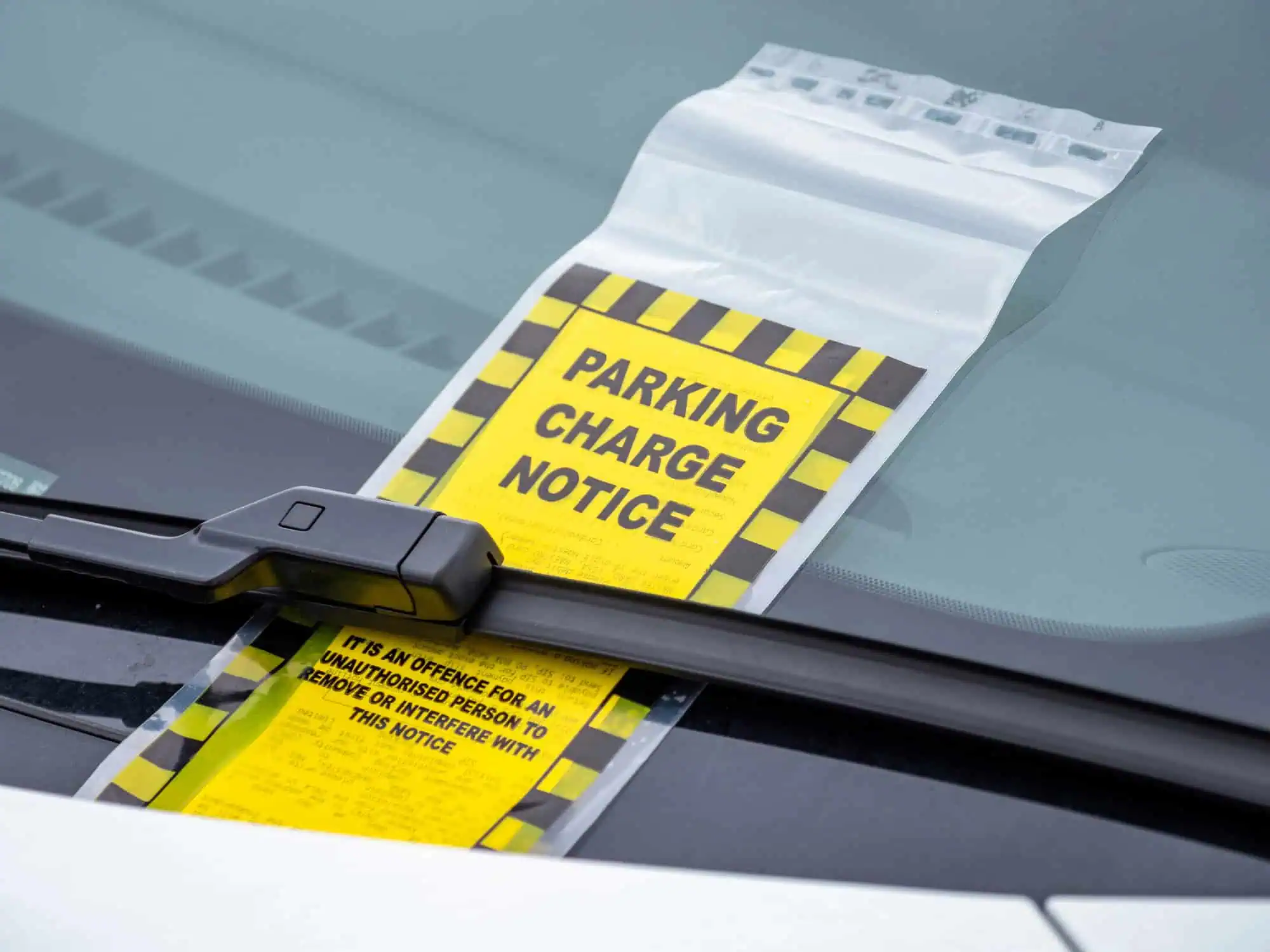
If you are cited, you will receive a notice with instructions on how to pay or contest the ticket in the appropriate magisterial district court. You can pay the fine and costs, or you can challenge it if you believe the stop was made in error. Keep in mind that the officer’s testimony about observing handheld use is often central to these cases, so documenting your own circumstances at the time can help if you choose to dispute it.
The takeaway for Pennsylvania drivers is that the warning era has ended. Holding a phone behind the wheel now carries a real cost, the rule applies even when you are stopped at a light, and a $20 mount removes almost all of the risk.
Sources:
- https://www.timesleader.com/news/1737388/effective-this-june-drivers-convicted-under-paul-millers-law-will-pay-a-fine
- https://local21news.com/local-shows/paul-millers-law-takes-effect-june-5-fining-handheld-phone-use-while-driving-in-pa
- https://www.nbcphiladelphia.com/news/local/new-pa-ban-on-cell-phone-use-in-vehicles-set-to-take-effect-next-month/4397041/

Leave a Comment
More in News

Every Driver Fitting LED Headlight Bulbs Risks a £54.85 MOT Fee Under New DVSA Rules

Why Subaru Is Telling Owners of Brand New Crosstreks and Foresters Not to Drive
How Water Pooling in Nearly 94,000 Range Rovers Could Blind the Backup Camera

Toyota Recalls 105,794 Land Cruiser Hybrids Over Fuel Line Fire Risk
Ford Recalls 102,159 Super Duty and F-150 Trucks Over Faulty Speedometers
Trending on Motoring Chronicle

Mazda 6e review: Sleek rival for the Tesla Model 3 stands out from the crowd
Every UK Driver Now Risks a £442 Bailiff Bill Over One Unpaid Parking Fine
CONCEPT AMG GT XX – a new dimension of performance [Photo Gallery]
Cash Cow To Cashback: How Croydon Drivers Can Reclaim Their Unlawful LTN Fines
