What Dorchester’s Plan to Drop Almost Every Road to 20mph Means for Drivers
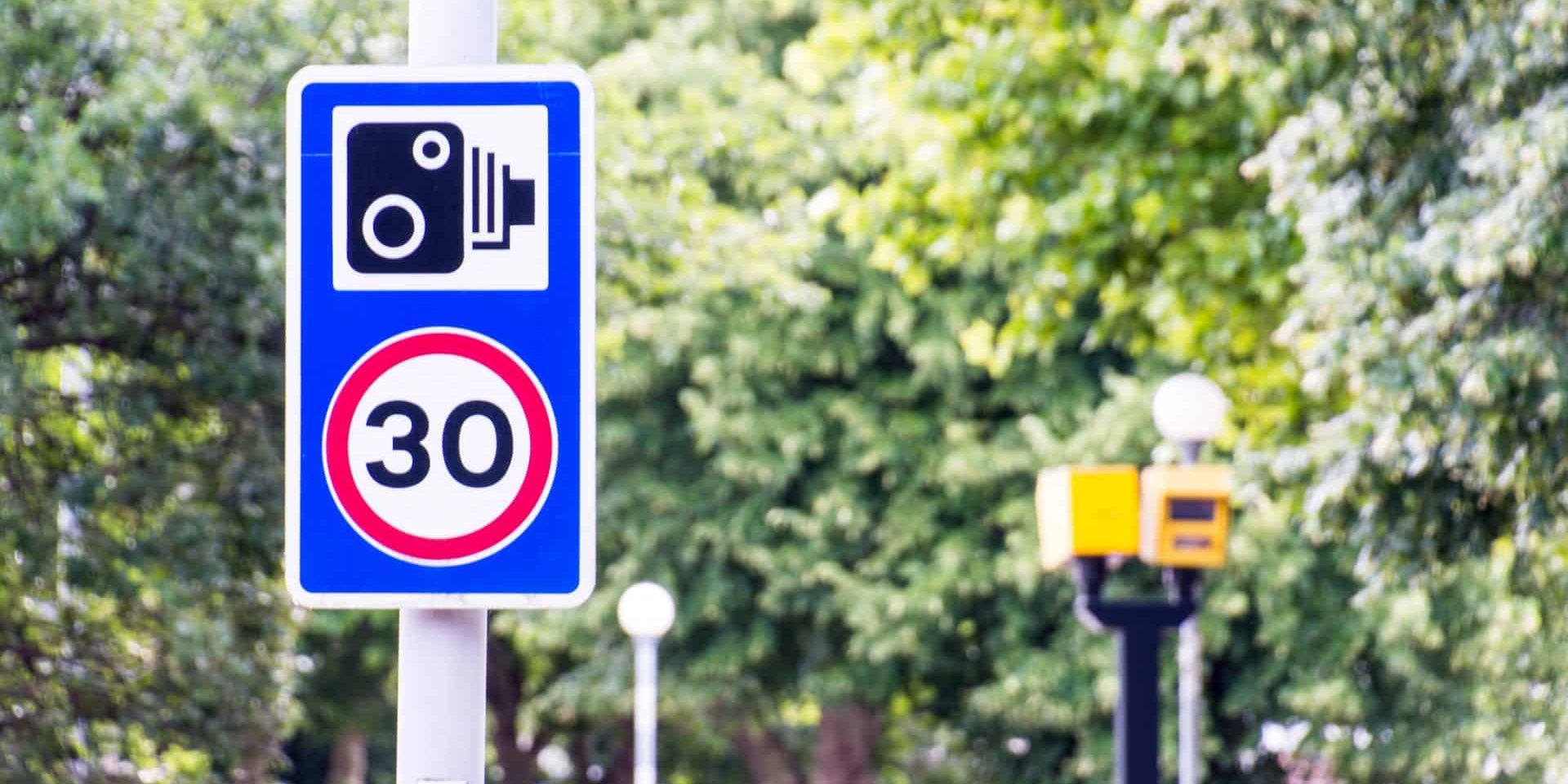
If you drive through Dorchester, the speed limit on almost every street you use could soon be 20mph. Dorset Council has put forward plans that would turn the Dorset county town into a near blanket 20mph zone, with only a single road keeping its 30mph limit. For the thousands of people who drive, deliver, or run a business in and around the town, it would change how every short trip is timed, and it adds Dorchester to a fast growing list of UK towns where 30mph is becoming the exception rather than the rule.
Here is what the proposal actually says, why one road has been singled out for different treatment, what a breach of a 20mph limit costs, and what drivers should do before any change takes effect.
What Dorset Council is proposing
The plan, discussed at a Dorchester planning committee meeting on Monday, would apply a 20mph limit to almost every road in the town. At present only a handful of streets, such as Fordington High Street, carry the lower limit. Under the proposal that patchwork would be replaced by a single town wide standard.
Councillors backing the scheme argue that one consistent limit across Dorchester would make the roads safer, cut the confusion of drivers guessing whether a street is 20 or 30, and help prevent serious collisions. Councillor Stella Jones told the meeting that earlier 20mph schemes had been welcomed by residents, pointing to Fordington High Street as an example of an area where the lower limit had bedded in.
The idea is not yet a done deal. Town councillors are now preparing a public engagement campaign, with meetings planned with local schools, the Civic Society, bus operators and businesses, before the proposal returns to the town planning and environment committee and then goes to a full council vote. Even if Dorchester Town Council approves it, the final say rests with Dorset Council, which is the highways authority for the county. Residents will get the chance to have their say before any decision is taken later this year.
Not everyone on the committee is convinced. Some councillors warned that a lower limit could slow journeys and hit local businesses, and acknowledged the plan could face opposition from taxi drivers, bus companies and delivery firms who spend much of their day on the town’s roads.
The one road that stays at 30mph
The single exception is Middle Farm Way in Poundbury, which would keep its 30mph limit if the plans go ahead. That decision became one of the sharper points of debate, with councillors David Taylor and Molly Rennie both questioning why one road should be treated differently when every other street would drop to 20.
Councillor Sue Biles, who led the working group behind the plans, defended the exemption. She argued that keeping Middle Farm Way at the higher speed would encourage drivers to use it as a through route rather than cutting through the smaller residential streets of Poundbury. She said the road was built differently from most others in the town: “It has wide grass verges, homes set further back from the road, very few junctions and good visibility.”
The exchange reflects a wider tension running through 20mph schemes across the country, namely whether every road should be held to the same limit or whether the design of a street should decide its speed. It is a debate drivers in many other towns will recognise.
How a 20mph limit is enforced and what it costs
A 20mph limit set with the standard repeater signs is a legal speed limit, enforceable in exactly the same way as 30, 40 or 70mph stretches. Get caught exceeding it and the usual penalties apply. The minimum is a £100 fixed penalty and three points on your licence. Drivers who are well over the limit, or who refuse the fixed penalty and go to court, can face fines calculated as a percentage of weekly income and, in the most serious cases, a short ban.
Enforcement of 20mph zones tends to be a mix of police mobile camera vans, fixed and average speed cameras where they are installed, and community speed watch schemes that report offenders. Many forces apply the long standing guideline of the limit plus 10 per cent plus 2mph before a camera triggers, which on a 20mph road means activity from around 24mph, although that is guidance rather than a legal entitlement and some forces enforce more tightly. The driver who recently lost her licence after being caught at 28mph in a 20mph zone is a reminder that the margins are thin once points start stacking up, and you can read how that totting up ban unfolded here.
It is also worth remembering that points carry a cost long after the fine is paid. Three points typically push up insurance premiums and stay on your licence for four years, so a single lapse on a newly lowered limit can prove expensive for several renewals.
Why this is happening far beyond Dorchester
Dorchester is not acting in isolation. Wales introduced a default 20mph limit on most restricted roads in September 2023, the first nation in the UK to do so, before later refining which roads it applied to after a public backlash. Scotland has been steadily expanding 20mph limits across residential and town centre streets. In England the decision sits with individual councils, and a growing number of towns and cities, from Cornwall to Greater Manchester, have rolled out area wide 20mph schemes in recent years.
The evidence on outcomes is mixed but points broadly in one direction. Studies of Bristol’s 20mph roll out reported reductions in injuries, and supporters point to the simple physics that a pedestrian hit at 20mph is far more likely to survive than one hit at 30. Critics counter that limits without physical changes such as humps or narrowing are widely ignored, and that journey times and emissions can rise if traffic crawls in too low a gear. Dorset’s debate, and the Middle Farm Way exemption, is essentially an attempt to balance those arguments road by road.
The proposal also sits inside a much bigger plan. Dorset Council is reviewing its draft Local Transport Plan covering 2026 to 2041, with the Department for Transport pledging around £158.5 million for the county between 2026 and 2030 and roughly £33 million already allocated for this financial year. Cabinet Member for Place Services, Councillor Jon Andrews, said: “How we travel affects our health, our environment and our quality of life. This plan is about making everyday journeys safer and easier.” For drivers, that signals more changes to local limits and road layouts in the years ahead, not fewer. Some of those same pressures are already reshaping the 60mph and 70mph network too, as our look at the motorway stretches still capped at 60mph shows.
What drivers should do
If you live in or regularly drive through Dorchester, the most useful step is to take part in the public engagement when it opens, whether you support the plan or not, because the council has said residents will be consulted before a decision. Watch for the new signs and road markings once any scheme is confirmed, as the limit becomes legally enforceable the moment the signage goes up, not when the publicity ends.
More broadly, treat 20 as the new default in built up areas wherever you drive. Check your speedometer more often than you think you need to, because modern cars carry speed so quietly that 28 in a 20 feels like nothing. If your car has a speed limiter or intelligent speed assistance, a feature now fitted to most new models, setting it in town removes the guesswork entirely. And if you do pick up points, shop around at renewal, as the premium difference between insurers for a driver with three points can run to several hundred pounds a year.
Sources:

Leave a Comment
More in News
HMRC Fuel Duty Rises Will Add £2.75 to Every Tank of Petrol by March

Is a Pickup Truck a Car?
Tool Theft Now Costs UK Tradespeople an Average £2,646, Simply Business Reveals

How to Appeal a Parking Fine (and Actually Win Your Case)

Birmingham’s Clean Air Zone Has Now Raised £57 Million From Non-Compliant Drivers
Trending on Motoring Chronicle
What Labour’s New Highways Bill Means for Every Driver Who Could Soon Pay Tolls on New Roads
Volvo Cleared by US Commerce Department to Keep Selling Connected Cars in America

Why EV Charging Slows Down at 80% (The Science Explained Simply)
What Every Driver Towing a Caravan This Bank Holiday Must Know About Fines