How to Protect Yourself as Crash for Cash Fraud Hits a Record £576 Million


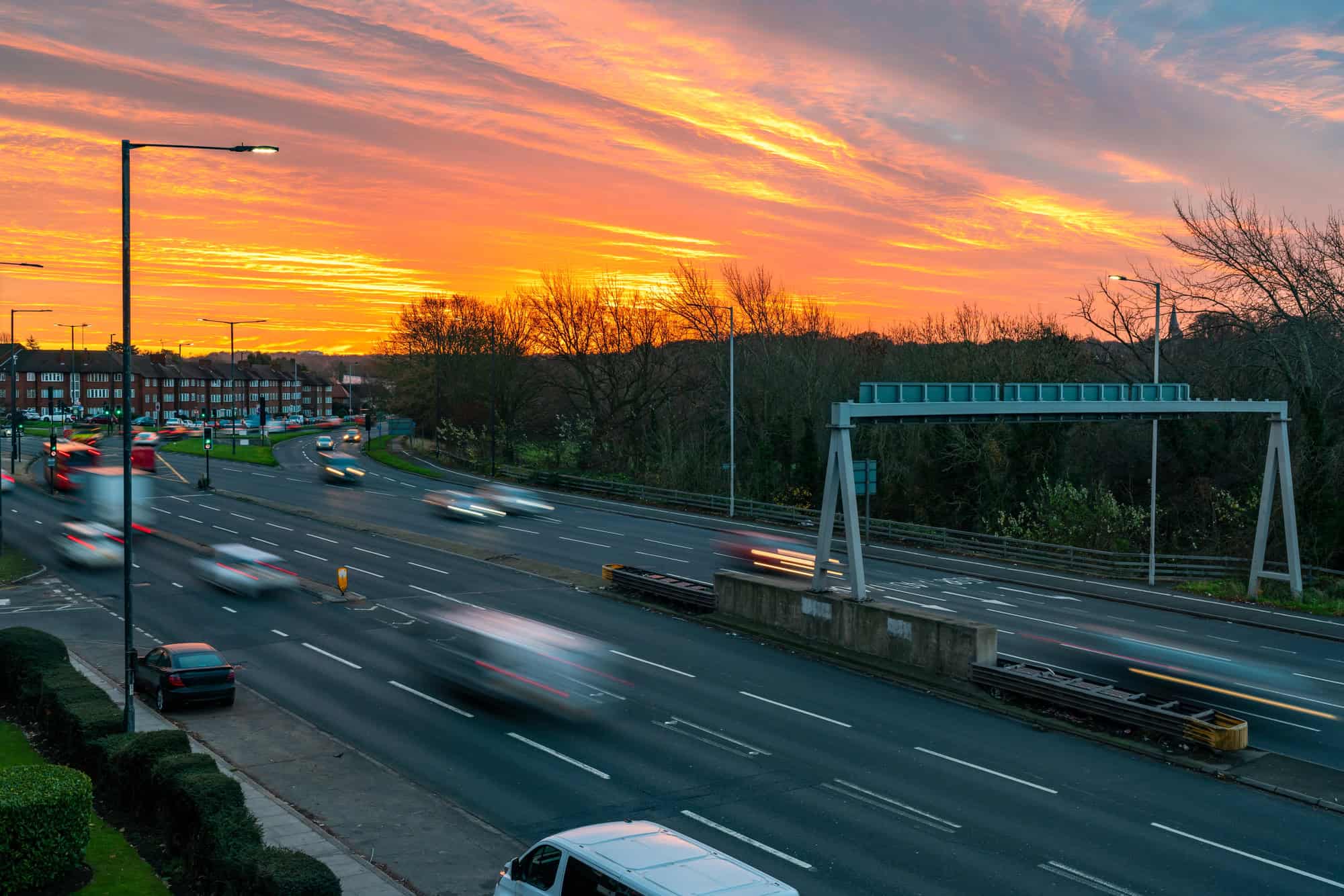
Every honest driver is paying for a crime they may never see coming. New figures show that insurers detected 51,700 dishonest motor insurance claims worth a record £576 million in a single year, and fresh data has now mapped the postcodes where staged “crash for cash” collisions are most concentrated. The cost does not stay with the fraudsters. It is spread across every premium in the country, which is why understanding how these scams work, and how to react if you are targeted, is worth a few minutes of any driver’s time.
Here is what the new numbers reveal, the tactics criminals are using on UK roads, the areas where the risk is highest, and the practical steps that protect you behind the wheel.
What the new fraud figures show
According to the Association of British Insurers, motor insurance remained the most targeted area for fraud, accounting for 53 per cent of all dishonest claims uncovered. The 51,700 motor scams detected were worth £576 million between them, a 5 per cent rise on the previous year, with fraud on personal policies climbing 9 per cent. These are only the cases insurers caught, so the true scale is almost certainly larger.
The Insurance Fraud Bureau has gone a step further and pinpointed the hotspots. Barking and Dagenham, covered by the RM9 postcode in east London, was named the single biggest area in England for reports of insurance fraud. Crieff (PH5) topped the list in Scotland, while Cemaes Bay (LL67) and Crumlin (BT29) were the worst affected in Wales and Northern Ireland. Birmingham is a recurring name, appearing 13 times in the top 30 hotspots in England, while Bradford shows up four times in the top 10. In Scotland, Glasgow features six times in the top 10, and in Northern Ireland, Belfast appears four times. Across 2025, almost 30,000 members of the public flagged suspected motor fraud to the bureau’s reporting line.
The bureau also warns that the nature of the fraud is shifting. Cases of identity theft linked to motor claims have nearly doubled in two years, with criminals stealing personal details to file large volumes of bogus claims in the worst-hit areas. That puts a premium on guarding your own information as well as your driving.
How crash for cash scams actually work
Crash for cash covers a range of staged or induced collisions, all engineered so that an innocent driver appears to be at fault. The most common version is the “slam on”, where a fraudster brakes sharply and without reason in front of you, often after disabling their brake lights, so that you run into the back of them. Rear-end collisions almost always put the following driver at fault, which makes this the simplest scam to pull off and the hardest to argue against without evidence.
The bureau has identified several regional variations. Roundabout traps, seen around Dagenham, involve a scammer deliberately moving into the wrong lane on a busy roundabout to force a collision with a driver who has right of way. Side road set-ups, reported in Birmingham, see fraudsters wave a driver out of a junction as if giving way, then accelerate into them and deny the gesture afterwards. In London, moped and motorbike riders have been driving into oncoming traffic to manufacture a claim. The collision itself is only the beginning. The real money comes from inflated claims that follow, padded with phantom passengers, exaggerated whiplash injuries, fictitious vehicle storage and recovery charges, and bogus hire car costs.
This is not a victimless crime. The cost of paying out on fraudulent claims is recovered through higher premiums for everyone, which is one reason motor cover has stayed expensive even as some other pressures have eased. We have looked before at how crash for cash adds around £50 to the typical honest driver’s premium, and the latest record total will do nothing to bring that figure down.
Who is most at risk and where
While the staged collisions can happen anywhere, the hotspot data shows the risk is far from evenly spread. Densely populated urban areas with heavy traffic and complex junctions, of the kind found across east London, Birmingham, Bradford, Glasgow and Belfast, give fraudsters the cover and the opportunities they need. Drivers in those areas are statistically more likely to be targeted, although the gangs behind organised scams will travel, and rural postcodes such as Crieff and Cemaes Bay show that no area is immune.
Newer and younger drivers can be more vulnerable, partly because they are less likely to spot the early warning signs of a set-up and partly because criminals know an inexperienced driver may admit fault at the scene out of panic. The same caution applies to anyone targeted by the related trade in fake cover. Scammers posing as cut-price brokers sell worthless policies that leave drivers uninsured and exposed, a problem we covered when the regulator warned that half of young drivers had been targeted by fake insurance scams on social media. Falling for one of those leaves you with no protection at all if you are then drawn into a staged crash.
How to protect yourself and report a scam
The single most effective defence is a dashcam. Front and rear cameras provide independent evidence of what actually happened, which is often enough to collapse a fraudulent claim before it gathers pace. Beyond that, keep a sensible following distance so a sudden brake check does not leave you nowhere to go, stay alert at busy roundabouts and junctions, and treat an unexpectedly cautious or waving driver with suspicion rather than gratitude.
If you are involved in a collision you suspect was staged, do not admit fault or apologise at the scene, even reflexively. Photograph the damage, the other vehicle, its number plate and the occupants, and note how many people were in the car, because fraudulent claims often appear later with more passengers than were actually present. Record the time, location and road conditions, and be wary if the other party seems strangely calm, produces details unusually quickly, or pushes for a cash settlement to avoid involving insurers. Watch too for injuries that seem out of proportion to a low-speed bump.
Report your suspicions to your own insurer as soon as possible, and pass information to the Insurance Fraud Bureau through its confidential Cheatline on 0800 422 0421 or via its website. Reports can be made anonymously, and the bureau credits public tip-offs with helping to break up organised gangs. Protecting yourself from this kind of fraud sits alongside the wider battle to keep premiums under control, an issue we examined when looking at why car insurance costs have started rising again. Every fraudulent claim that is stopped is one less reason for your renewal quote to climb.
Sources:

Leave a Comment
More in News

Defrosting Your Windscreen the Wrong Way Can Crack It in Seconds This Autumn

Aion V review: Promising debut EV from a new brand to the UK
Only 33 Percent of UK Drivers’ Car Insurance Complaints Succeed With the Financial Ombudsman

What Actually Happens When You Make a Car Insurance Claim After a Crash
London Drivers Pay £577 for Car Insurance, 76 Percent More Than Wales, Go.Compare Reveals
Trending on Motoring Chronicle

Georgia Made 350 DUI Arrests as Five Drivers Died in Labor Day Crashes

BMW Recalls 29,119 Vehicles Over a Starter Relay Fire Risk

Captivating, composed, comfortable: Jaguar luxury GT begins latest season of winter testing
Councils Risk Losing a Third of Their Road Funding Unless They Prove They Fix Potholes