
Garage Labour Rates Now Reach £180 an Hour as Repair Bills Climb
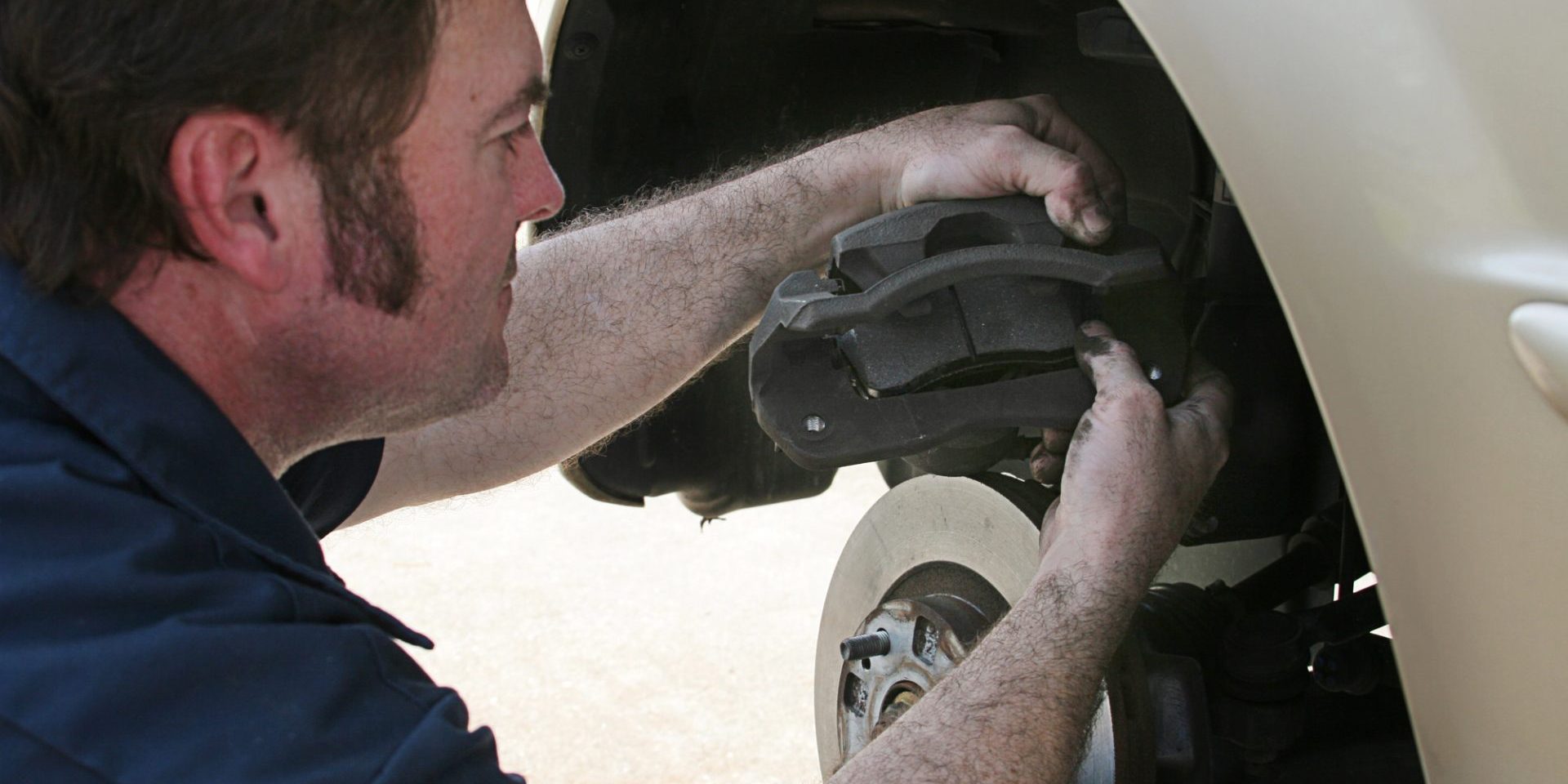

The bill for keeping a car on the road is climbing again, and a large slice of it is the hourly rate your garage charges before a single part is fitted. Independent workshops now typically charge between £55 and £95 an hour, while franchised main dealers sit far higher, from around £85 an hour for mainstream brands to £180 or more for premium and luxury marques. With more than nine in ten repairers reporting that rising costs are their biggest challenge this year, those rates are heading in only one direction, and drivers are the ones who pay.
Labour is the part of a repair bill that surprises people most, because it is invisible until the invoice lands. Here is why garage rates are rising, how big the gap between a dealer and an independent really is, and how to keep control of the cost without cutting corners on safety.
How Much Garages Now Charge
There is no single national rate, because labour pricing varies enormously by location and by the type of garage. Independent workshops in 2026 generally charge somewhere between £55 and £95 an hour, with rates at the top of that range in London and the south east and lower figures in parts of the north and Wales. Franchised dealers operate in a different bracket entirely, from roughly £85 to £165 an hour for mainstream brands and £120 to £180 or beyond for premium and luxury makes.
The increases have been steady rather than sudden. Industry figures suggest labour rates have risen by around 20 per cent over the past four years, and analysts expect further rises of roughly 3 to 5 per cent a year, moderated only where competition is fierce or where a garage finds efficiency savings. On a job that takes three or four hours, the difference between a £60 independent and a £150 dealer is the difference between a manageable bill and a painful one.
Why Repair Costs Keep Climbing
No single factor is to blame. Garages are paying more in wages, energy and business costs, and they are passing those costs on to stay viable. A recent industry survey found that rising operational costs, taxes and bills are set to be the biggest obstacle for more than nine in ten vehicle repairers during 2026, while nearly half said recruiting skilled staff would remain difficult.
The bigger long term driver is the growing complexity of the cars themselves. Modern vehicles are loaded with advanced driver assistance systems, cameras, radar and software that require sophisticated diagnostic equipment, and that kit can cost a workshop tens of thousands of pounds to buy and keep updated. Technicians now need training in electronics and software, not just spanners, and electric and hybrid cars demand high voltage qualifications that take time and money to gain. All of that investment has to be recovered through the hourly rate.
The cost of parts adds another layer. Many components are now complete modules rather than individual pieces, and a sensor packed bumper or a headlight unit can cost far more than its equivalent of a decade ago. When labour and parts rise together, even routine jobs become more expensive, and the kind of fault that used to be a quick fix can turn into a serious bill, as we explained in our guide to how a faulty diesel particulate filter can fail your MOT and cost £1,000.
Dealer or Independent
The instinct to save money by avoiding the main dealer is understandable, and for many jobs an independent garage offers excellent value. A good independent will often charge half the hourly rate of a franchised dealer for the same work, and block exemption rules mean that using an independent for servicing does not automatically void a manufacturer warranty, provided the work is done to the correct schedule with the right parts.
There are times when the dealer earns its premium. Work covered by a warranty, a recall or a goodwill repair should go to the franchise. Complex faults on the latest models, where dealer specific diagnostic software is needed, can sometimes be solved faster by a main dealer despite the higher rate. For everything else, a trusted independent or a marque specialist usually delivers the same result for less. Specialists who focus on a single brand often combine dealer level knowledge with independent pricing, which can be the best of both worlds for an older premium car.
What To Do To Keep Costs Down
Always get more than one quote for anything beyond a minor job, and ask for the quote to be broken down into labour and parts so you can see what you are paying for. Ask how many hours the garage is charging and at what rate, because labour is usually billed against standard job times, and you can sanity check those figures.
Ask whether the garage will fit parts you supply, or whether it can source quality non original equipment parts, which are often cheaper than manufacturer branded items and perfectly suitable for older cars. Question any recommended work you do not understand, and do not be afraid to decline non essential extras. If a large bill lands unexpectedly, many garages now offer interest free or low cost payment plans that spread the cost over several months, which is worth asking about before you commit.
Prevention remains cheaper than cure. Sticking to a sensible service schedule lets a mechanic catch small problems before they grow into expensive ones, and simple habits such as checking tyre pressures and condition reduce wear and avoid penalties, a point underlined by our report on the six million illegal tyres on UK roads. Keeping a car well maintained also protects its resale value at a time when many owners are already finding their cars worth less than expected, as we covered when millions of drivers found they owe more than their car is worth.
Rising labour rates are not going to fall, because the forces behind them, higher wages, complex cars and expensive diagnostic kit, are structural. What drivers can do is shop around, understand what they are being charged for, and choose the right garage for the right job. A few minutes spent comparing quotes and questioning the bill can save far more than the same time spent anywhere else in the running of a car.
Sources:
- https://www.cargarages.co.uk/auto-intelligence/car-mechanic-labour-rates-uk-2026-regional-guide
- https://www.checkatrade.com/blog/cost-guides/mechanic-hourly-rate-uk/
- https://www.garagetalkonline.co.uk/news/workshop-woes-rising-costs-to-pose-biggest-challenge-for-repairers-in-2026

Leave a Comment
More in News

Porsche Cayenne Electric Gets Auto-Opening Doors for 2027, Starts at $109,000

MINI 1998 GT Edition Priced at $36,875 as Sixth Icon Drop of 2026

2027 Lexus IS Priced from $47,545 with New Special Appearance Package

UK Councils Fined Drivers £37.7 Million for Bus Lane Mistakes in Six Months

What Your Airbag Warning Light Actually Means (and Is It Safe to Drive?)
Trending on Motoring Chronicle

Nissan Adds Six-Year Warranty Cover for MICRA, LEAF and ARIYA Electric Models

Defender completes first rally-raid prototype test [Photo Gallery]

The artistry behind the Bugatti Baby II Tourbillon edition [Photo Gallery]

DVSA Prosecutes a Record 32 Ghost MOT Fraud Cases in a Year
