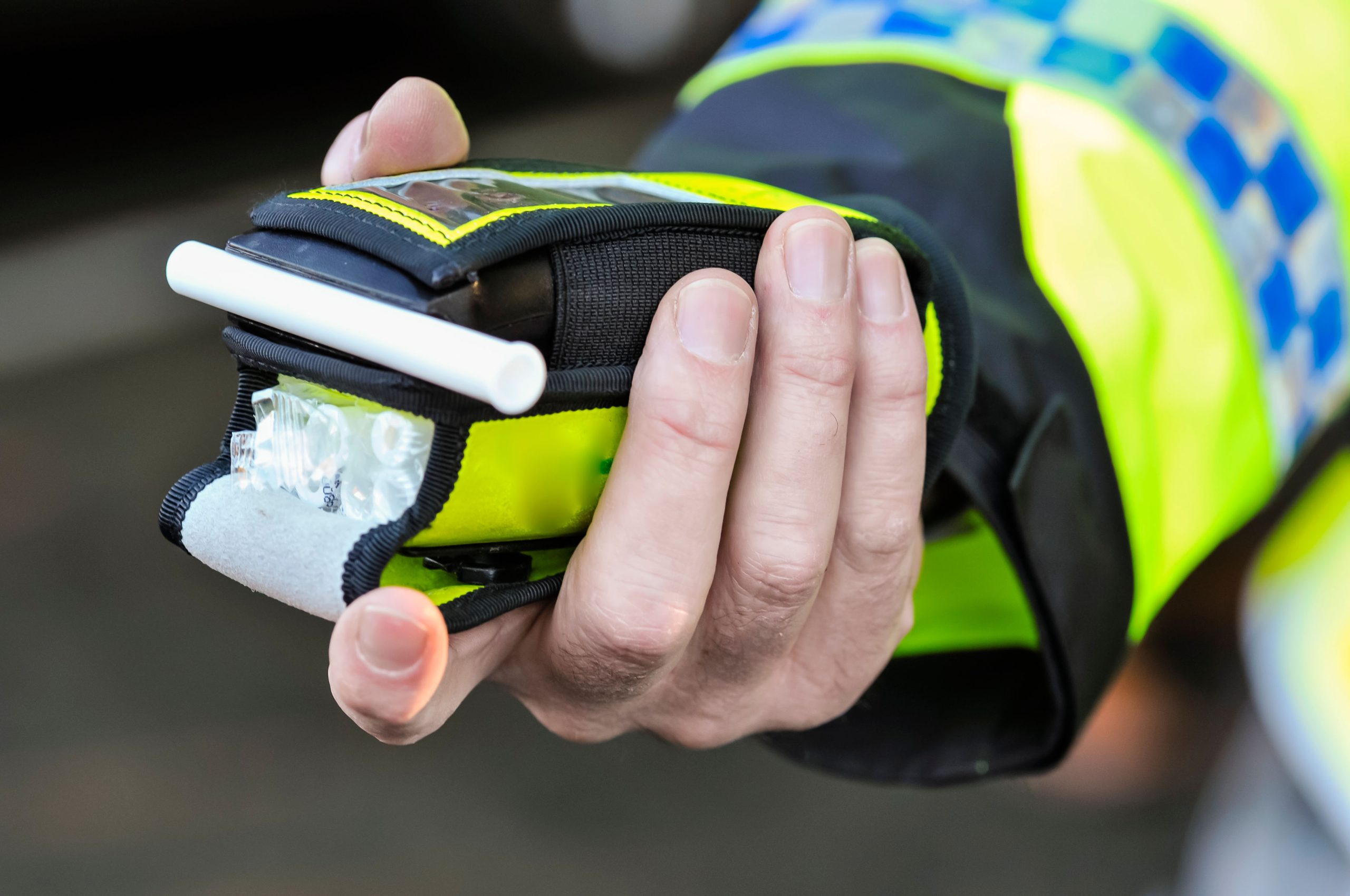
What New CPR and Defibrillator Questions Mean for Every Learner Driver in 2026
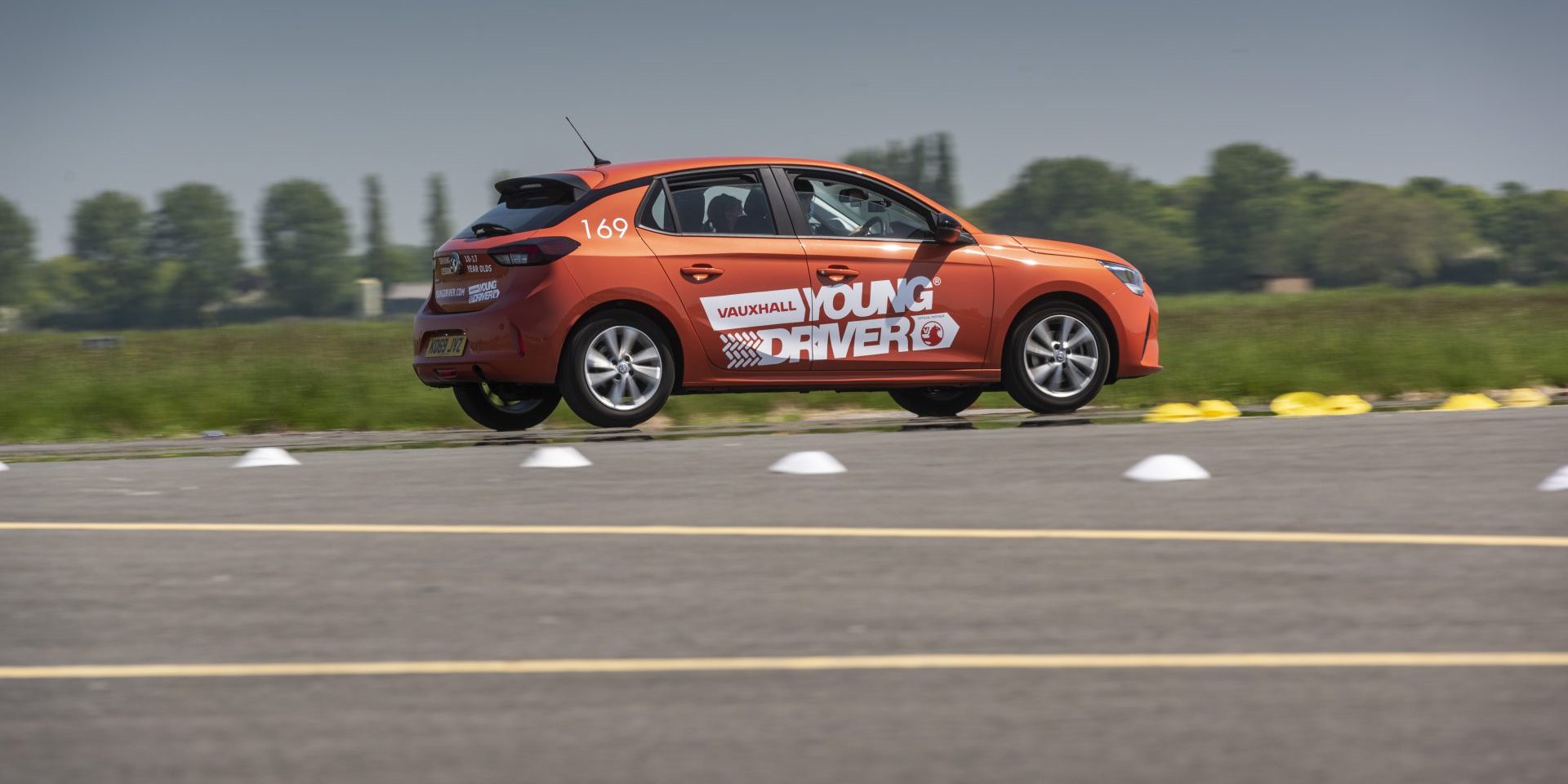

Anyone learning to drive in Britain from this year will be tested on something that has nothing to do with mirrors, gears or roundabouts: how to keep a stranger alive until an ambulance arrives. The Driver and Vehicle Standards Agency (DVSA) has expanded the theory test question bank to include enhanced cardiopulmonary resuscitation (CPR) content and, for the first time, questions about how to use a public defibrillator. The change adds no extra cost, no extra time and no extra difficulty to the test, yet it could turn millions of new drivers into people capable of saving a life at the roadside.
If you or someone in your household is preparing for a theory test, here is the practical takeaway. The format is unchanged. You still answer 50 multiple-choice questions drawn from a bank of more than 700, and you still need at least 43 correct to pass that section before moving on to the hazard perception clips. What has changed is that a handful of those questions now cover chest compressions and defibrillators, sitting alongside the first aid content that has been part of driver training for years.
What is changing in the theory test
The DVSA has updated its question bank rather than rewriting the test. Car and motorcycle theory test candidates are the first to see the new material, with the questions due to be added to lorry, bus and other test categories later. The agency has been clear that the update simply brings existing first aid content in line with current best practice from the resuscitation community, so candidates who revise properly using official materials will not find themselves caught out.
The scale of the reach is what makes this worth paying attention to. Around 2.4 million theory tests are taken in Britain every year. The pass rate sat at 45.7 per cent between July and September 2024, which means hundreds of thousands of people each year will revise this life-saving content whether they pass first time or not. Official DVSA learning guides, including the Guide to Driving and the Theory Test Kit apps for Apple and Android devices, have already been updated, and free training resources produced by the Resuscitation Councils across Great Britain are available online.
Why the DVSA is adding these questions
The reasoning is rooted in some sobering numbers. Data from Resuscitation Council UK shows that more than 40,000 out-of-hospital cardiac arrests happen in Britain every year, yet fewer than one in ten people survive. When a casualty receives CPR and is treated with a defibrillator within three to five minutes of collapse, survival rates can climb as high as 70 per cent. Every minute that passes without CPR and defibrillation cuts the chance of survival by up to 10 per cent.
Drivers are often first on the scene when someone collapses, whether at a bus stop, a petrol station, a motorway service area or by the roadside after a collision. Yet public-access defibrillators, the yellow or green cabinets now fixed to walls outside shops, stations and village halls, are used in fewer than 10 per cent of cardiac arrests. Much of that gap comes down to a simple lack of confidence: people are not sure whether they are allowed to touch the machine, or worry they will do harm. Teaching the basics to every new driver is a direct attempt to close that confidence gap.
Mark Winn, the DVSA Chief Driving Examiner, said: “Part of being a safe and responsible driver is knowing what to do in an emergency, how to step in and make a real, life-saving difference. Learning CPR and how to use an AED is a very simple skill and adding this into the official learning resource is a great way for DVSA to support the drive to raise awareness.”
James Cant, Chief Executive of Resuscitation Council UK, added: “By embedding these life-saving skills into such a widely taken assessment, we can help ensure that more people gain the knowledge and confidence to act during a cardiac arrest.” The programme has been built in partnership with the Save a Life schemes in Wales, Scotland and Northern Ireland. Len Nokes, Chair of Save a Life Cymru, whose daughter Claire died following a cardiac arrest in 2017, said that “some knowledge of CPR might have made a difference” on the day she collapsed.
The questions you can expect
The DVSA has released two sample questions so candidates know the kind of knowledge being tested. The first asks about the correct depth of chest compressions on an adult who is not breathing. The answer is 5 to 6 centimetres, not the shallow 1 to 2 centimetres many people assume, nor the dangerously deep 10 to 15 centimetres. Pressing hard and fast in the centre of the chest, at a rate of around 100 to 120 compressions a minute, is what keeps blood moving to the brain.
The second sample question asks who is allowed to use a public access defibrillator. The answer is everyone. You do not need to be a paramedic, a doctor or a trained first aider. Modern defibrillators talk the user through every step out loud and will not deliver a shock unless the device detects a heart rhythm that needs one, which removes the fear that a bystander could make things worse. Understanding those two points alone, that compressions go deep and that anyone can grab the defibrillator, covers the heart of what the new questions are testing.
For learners who want to go beyond what the test requires, Resuscitation Council UK has produced free guides aimed specifically at drivers, covering how to perform CPR and how to find and use the nearest defibrillator. The British Heart Foundation also runs a free 15-minute online tool called RevivR that walks anyone through hands-only CPR using a mobile phone and a cushion.
What learner drivers should do now
If you have a theory test booked, make sure your revision material is current. An older book or app bought second hand may not include the updated first aid questions, so check that you are working from the latest official DVSA edition or the current version of the Theory Test Kit app. The content is short, so it adds only a little to your revision load.
Parents and driving instructors can treat the change as an opportunity rather than an extra hurdle. A learner who revises the new section comes away with a skill that stays useful long after the L-plates come off. Knowing the compression depth, the rhythm and the fact that any member of the public can use a roadside defibrillator is knowledge that could one day be needed in a supermarket car park or at the family dinner table, not just in an exam room.
The wider picture is a government betting that turning millions of new drivers into confident first responders will lift Britain’s stubbornly low cardiac arrest survival rate over time. For learners, the message is simpler still: revise the new questions, understand why they are there, and you walk away from the test centre with a licence and the ability to help keep someone alive. You can read more about how the test works and book your slot at gov.uk/theory-test.
Sources:
- https://www.gov.uk/government/news/new-theory-test-questions-aim-to-boost-cardiac-arrest-survival-rate
- https://www.gov.uk/theory-test
- https://www.resus.org.uk/about-us/get-involved/cpr-and-defib-learning-drivers
- https://motoringchronicle.com/?p=44100
- https://motoringchronicle.com/?p=44110

Leave a Comment
More in News

America Is Investigating This Engine. Britain Has Not Recalled One Car

Why Connecticut Drivers Cruising in the Left Lane Now Face an $88 Fine
Hurricane Isaias Flooded Thousands of Cars That Could Reach Used Lots

Gas Prices Jump to $4.36 a Gallon as the National Average Rises 40 Percent in a Year

NHTSA Recalls Over 346,000 Vehicles From Ram, Ford, VW and Land Rover
Trending on Motoring Chronicle
Hyundai Recalls 47,749 Konas Over a Rear Seat Belt Buckle That Can Fail in a Crash

Why Private Parking Firms Have Until December to Follow Their Own New Rules
Why Semi-Trucks Can Now Drive 80 mph on Idaho’s Interstates
Southwark Must Refund 10,422 Drivers After Issuing Bus Lane Fines Unlawfully