No Flash, No Warning: London’s Silent Radar Speed Cameras Are Now Live and They Cover Five Lanes at Once
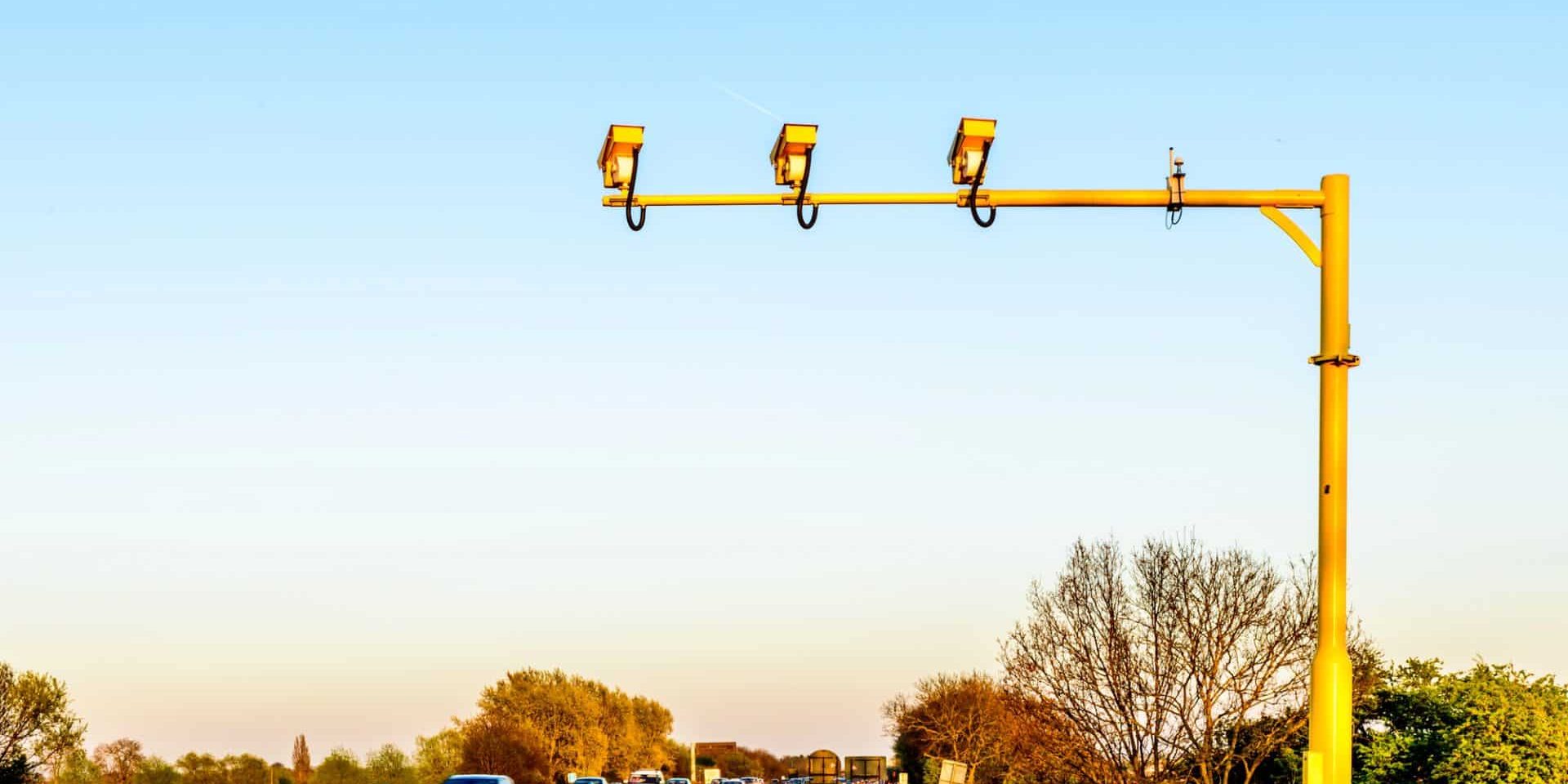
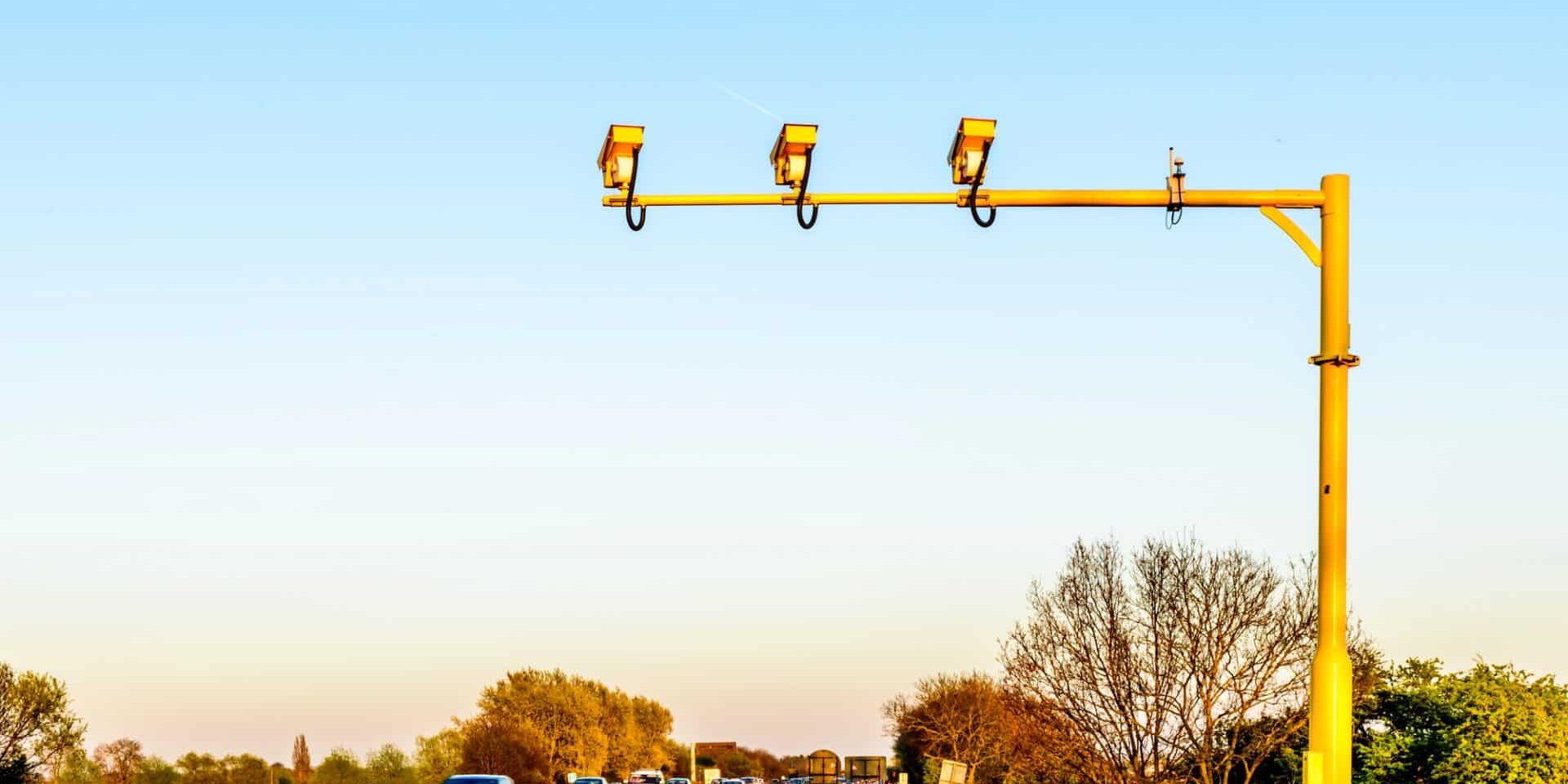
Transport for London is trialling a new generation of speed camera that produces no visible flash, requires no road markings, no embedded sensors and can monitor five lanes of traffic simultaneously from a single device mounted on an existing street pole. The cameras, which use 4D radar technology combined with 4K colour imaging, are now active at locations across nine London boroughs, and TfL has committed to expanding the network to at least 20 additional sites. The rollout is part of Mayor Sadiq Khan’s Vision Zero Action Plan 2, which aims to eliminate deaths and serious injuries on London’s roads by 2041.
How the New Cameras Work
The new radar-based cameras represent a significant technological step forward from the traditional fixed speed camera familiar to most UK drivers. Conventional Gatso-style cameras use sensors buried beneath the road surface to measure a vehicle’s speed as it crosses two sensor points. The new system works entirely differently.
Each camera uses 4D radar, which tracks the position, speed and trajectory of vehicles across a wide area simultaneously. A 4K colour camera captures high-resolution images for enforcement purposes. Together, the two systems provide what TfL describes as a more reliable and clearer picture of the road environment. Crucially, the radar technology does not require a flash or white light to capture speed violations, meaning drivers may not be aware they have been caught until a notice arrives in the post.
Siwan Hayward, TfL’s director of security, policing and enforcement, explained the rationale behind the technology change: “Speeding continues to be a major cause of the most devastating collisions on our roads. This trial allows us to test new radar-based camera technology to ensure it meets London’s future enforcement needs. Upgrading our camera network is vital to maintaining strong, consistent enforcement, and together with the Met, we are using every tool available to deter speeding, reduce road danger and save lives.”
Unlike existing cameras, which can only monitor up to three lanes of traffic and require road sensors, the new radar cameras can cover up to five lanes of bi-directional traffic from a single installation point. They can also be mounted on existing street poles, avoiding the need for new infrastructure, which speeds up deployment and reduces cost. The absence of road markings and embedded sensors also means no lane closures or road works are needed during installation.
Where the Cameras Are Being Installed
TfL has confirmed that the initial trial sites are located in nine London boroughs: Haringey, Tower Hamlets, Havering, Croydon, Hammersmith and Fulham, Brent, Hackney, Ealing and Sutton. All trial locations are on roads with either a 20mph or 30mph speed limit, and each site was selected based on a combination of its suitability for the radar technology and the level of risk associated with speeding on that stretch of road.
TfL has committed to adding at least 20 new camera locations in total as the trial progresses. The authority said it remained committed to delivering at least 65km of safer speed limits across the TfL road network, and it is also working with London boroughs to expand 20mph zones across the capital. The long-term ambition is a denser network of speed enforcement coverage, with fewer blind spots.
Detective Chief Superintendent Donna Smith of the Metropolitan Police’s Roads and Transport Policing Command confirmed the force’s involvement: “Working alongside TfL, the Met will use every tool available, including new radar-based camera technology, to deter dangerous driving and support Vision Zero’s ambition of eliminating deaths on London’s roads. This trial will improve reliability and deliver better quality images, helping our officers hold offenders to account and ensuring we have a modern and effective enforcement system that saves lives.”
The Broader Speed Enforcement Picture Across the UK
London’s radar camera trial is the most visible element of a much broader expansion of speed enforcement technology across the country. In the Midlands and North, average speed camera systems that track a vehicle’s pace over a distance rather than at a single point are being extended to urban A-roads and residential routes in areas including Coventry, Birmingham and parts of Greater Manchester. Average speed cameras are widely regarded as more effective than point cameras because they remove the possibility of a driver braking sharply at the camera location and accelerating again immediately after.
The government’s ongoing consultation on motoring penalties, which closed on 11 May 2026, included proposals to tighten the thresholds at which speed awareness courses are offered as an alternative to penalty points, and to review the speed tolerances applied by enforcement cameras. If those proposals are enacted, a greater proportion of speed readings that are currently treated as borderline could result in formal notices rather than no action.
Taxi drivers in London have been among the most vocal critics of the new radar cameras, describing the no-flash approach as “stealth enforcement.” Industry groups have argued that visible deterrence, where a driver sees the camera and slows down, is also a valid road safety outcome and that invisible enforcement is primarily designed to generate revenue. TfL has rejected that characterisation, maintaining that the aim is to change driver behaviour overall rather than to catch individuals.
What This Means for Drivers in Affected Areas
The practical message for anyone who drives in London or in areas where average speed cameras are being expanded is straightforward: assume you are being monitored on any road with a speed limit, and drive accordingly. The days when a driver could identify fixed camera locations from warning signs or road markings and adjust speed only at those points are giving way to a broader enforcement environment where camera locations are less predictable and coverage is more continuous.
For drivers caught by the new cameras, the penalty structure remains the same as for any other speed camera offence. A first offence recorded at a moderate speed above the limit typically results in a £100 fixed penalty notice and three points on the licence, or an offer to attend a speed awareness course in lieu of the points, subject to eligibility. More serious or repeat offences can result in higher fines, additional points or referral to a magistrates’ court.
If you receive a notice of intended prosecution from a camera offence and you believe it is incorrect, you have the right to challenge it. The notice will specify the speed recorded, the location and the date and time. Any challenge must be submitted within 28 days of the notice being issued. Legal advice is worth taking for any offence that could result in a ban, which typically applies when a licence accumulates 12 or more penalty points within three years.
TfL has also confirmed that the planned expansion of AI-enabled cameras designed to detect mobile phone use and seatbelt non-compliance is continuing in parallel with the speed camera trial. Those cameras use machine learning to identify infringements from images, and enforcement processes for phone and seatbelt offences caught on camera are being developed alongside the existing legal framework. The direction of travel across all forms of road monitoring in London is clearly towards greater coverage, higher resolution and less predictability for drivers inclined to take chances.
Sources:

Leave a Comment
More in News

Every Electric Car Driver in London Could Pay TfL Up to £3,780 a Year

What a Flashing Engine Management Light Means Before a £700 Catalytic Converter Bill

Why a Grinding Noise From Your Wheel Could Cost You £250 and Fail Your MOT
What a £10 Per Kilogram Car Tax Could Cost Drivers if Treasury Adopts It
What the Frozen £40,000 Car Tax Threshold Means for Almost a Million UK Drivers
Trending on Motoring Chronicle

Volkswagen Recalls 22,524 ID.4 EVs Over Battery Fire Risk, Caps Charging at 80%

Why New Haven Is Defying the Governor to Turn On 7 Traffic Cameras This Month

Why Petrol Drivers Have Already Spent a Year’s EV Charging Costs by 9 June

It Is Now Illegal for Your Instructor to Book Your Driving Test: What Changed on 12 May