
How Does Start-Stop Technology Affect Your Engine?
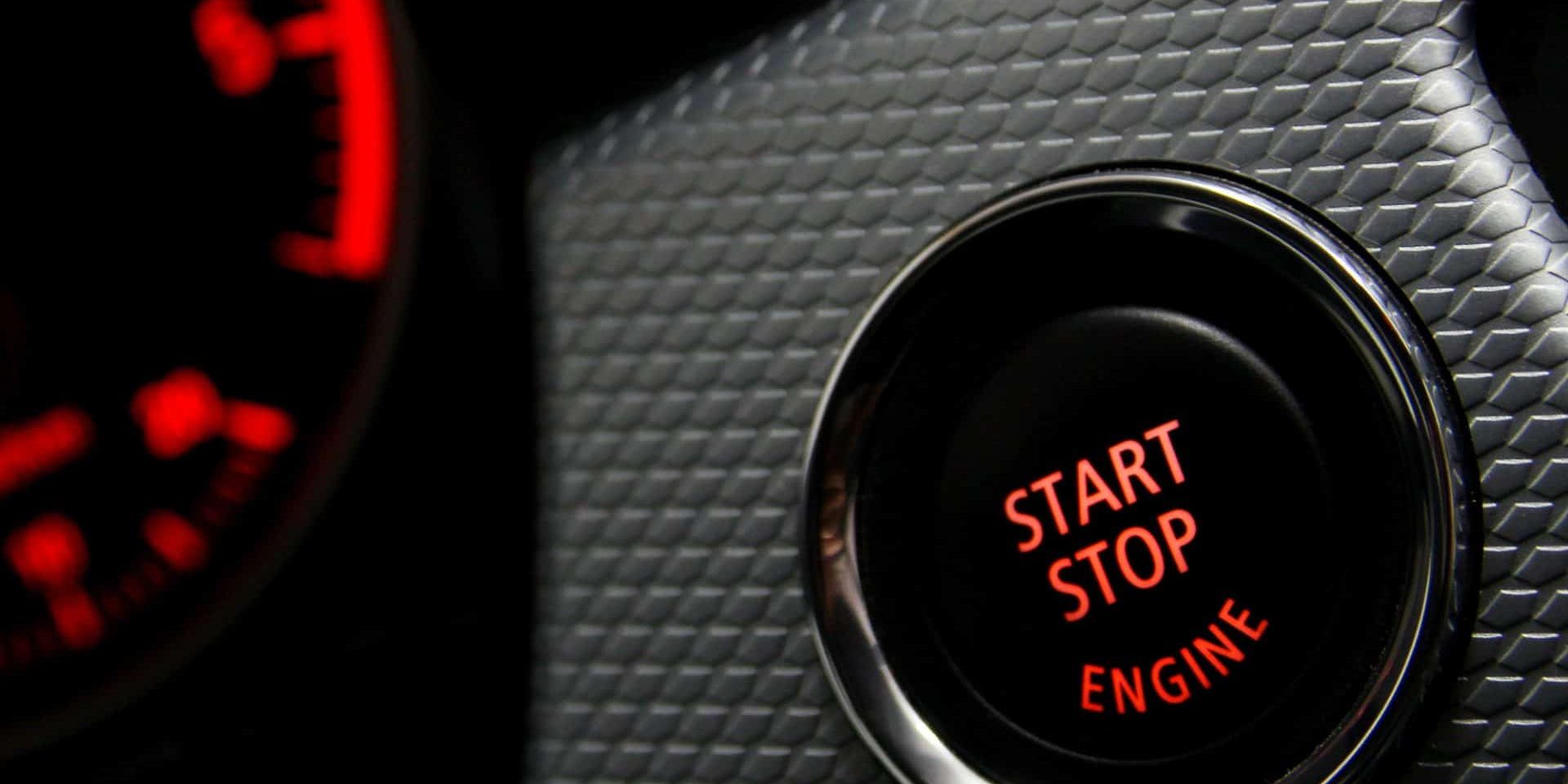
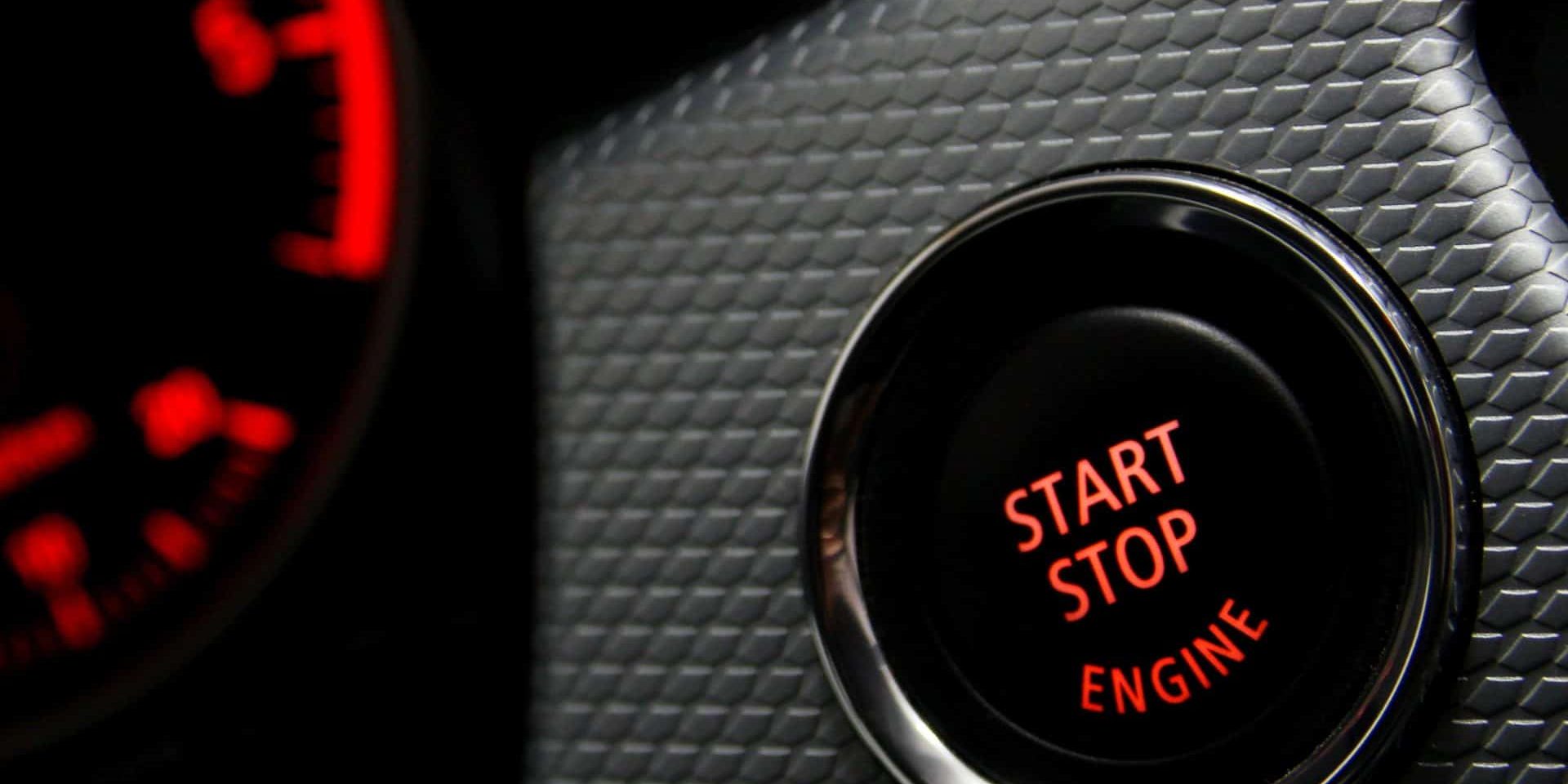
Start-stop technology shuts the engine off at traffic lights and restarts it the instant you lift the brake. It saves 3 to 10 percent on fuel and is fitted to over 70 percent of new vehicles sold in 2026. The system is engineered to protect the engine, but it places extra demands on the battery, starter, and oil.
How Does Start-Stop Technology Work?
The system monitors a network of sensors that track vehicle speed, brake pedal position, engine temperature, battery state of charge, cabin climate demand, and steering wheel input. When the vehicle comes to a complete stop with the brake pedal pressed, the engine control unit (ECU) shuts down the engine. When the driver lifts the brake (on an automatic) or presses the clutch (on a manual), the ECU fires the starter and the engine restarts, typically within 300 to 500 milliseconds.
The restart is fast enough that most drivers feel only a brief vibration before the engine is running again. Modern systems from Bosch, Continental, and Denso have refined the restart to be almost imperceptible, using techniques like stopping the crankshaft at an optimal position for the next ignition event and pre-pressurising the fuel system before the restart command.
The ECU will not shut the engine down if conditions are outside safe parameters. If the battery state of charge drops below a threshold (typically 70 to 80 percent), if the engine coolant has not reached operating temperature, if the climate control system is running at full demand, or if the bonnet is open, the system stays active and the engine keeps running. This built-in intelligence is what separates start-stop from simply turning the key off at every red light.
Does Start-Stop Actually Save You Fuel?
Yes, but the savings vary significantly depending on how and where you drive.
The US Department of Energy estimates that start-stop saves 3 to 5 percent on fuel in mixed driving conditions. European testing by ADAC, Germany’s automobile association, shows savings closer to 8 to 10 percent in city-only driving with frequent stops. Highway driving produces essentially zero savings, as the engine rarely idles long enough at speed to trigger a shutdown.
For a driver covering 12,000 miles per year in a car averaging 30 mpg at $4.00 per gallon, a 5 percent fuel saving works out to roughly $80 per year. In heavy urban traffic with a 10 percent saving, that figure doubles to $160. Over a five-year ownership period, start-stop saves $400 to $800 in fuel, which is meaningful but not transformative.
The real purpose of start-stop is emissions compliance. Manufacturers use it to lower the official CO2 figures on the WLTP and EPA test cycles, which include substantial idle time. The RAC Foundation notes that start-stop is one of the most cost-effective technologies available for meeting fleet emissions targets, which is why adoption has spread so rapidly across the industry. The way you accelerate after each restart also affects how much of that saving you actually keep. Smooth, progressive throttle input preserves the fuel saved during the stop. Aggressive acceleration after each restart burns it right back.
Does Start-Stop Damage Your Engine Over Time?
No, based on the available evidence from manufacturers, independent testing organisations, and long-term reliability data.
The primary concern is wear at the main bearings and cylinder walls during the brief moment after each restart when oil pressure has not yet fully rebuilt. On a conventional engine, this “dry start” period is the most destructive moment in the engine’s operating cycle. Start-stop engines address this in several ways.
First, the engine is only off for seconds to minutes, not hours. The oil film on the bearings and cylinder walls does not drain away in that time the way it does during an overnight cold start. The surfaces remain coated, so the restart is not a true “dry start” in the cold-start sense.
Second, manufacturers reinforce the bearings and use harder-wearing materials on engines designed for start-stop. Volkswagen Group, for example, uses polymer-coated plain bearings on its TSI and TDI engines specifically to handle the additional restart cycles. Ford uses a similar approach on its EcoBoost range.
Third, the ECU prevents shutdown when the engine is cold. The most damaging starts on any engine are cold starts, where thick oil has not yet circulated and metal components have not expanded to their operating clearances. Start-stop does not add to cold start wear, as it only activates once the engine has reached operating temperature.
The ADAC tested start-stop systems across multiple manufacturers and found no measurable increase in engine wear over 100,000 kilometres of mixed driving. The RAC has reached similar conclusions in its long-term testing programme. The engineering consensus is that start-stop, when functioning correctly, does not shorten engine life.
What Extra Demands Does Start-Stop Place on the Battery?
The battery is the component that works hardest in a start-stop system, and it is the one most likely to need earlier replacement than on a non-start-stop vehicle.
A conventional car battery handles one major discharge event per drive (the initial start) and then gets recharged by the alternator while driving. A start-stop battery handles dozens of discharge-recharge cycles per trip in urban traffic. It also has to power the headlights, radio, climate blower, and other electrical systems while the engine is off at each stop. This “cycling” demand is far beyond what a standard flooded lead-acid battery is designed for.
Start-stop vehicles use either AGM (Absorbent Glass Mat) or EFB (Enhanced Flooded Battery) technology. AGM batteries use fibreglass mats to absorb the electrolyte, allowing faster charge acceptance and deeper cycling without damage. EFB batteries are an upgraded version of conventional flooded batteries with enhanced plate construction and improved cycling durability. AGM is the more durable and expensive option, typically fitted to premium vehicles and those with energy recuperation systems.
An AGM battery costs $200 to $350, compared to $100 to $150 for a standard battery. Battery failure can happen without warning, and on a start-stop vehicle the consequences are more immediate, as the system will disable itself if it detects insufficient charge. Replacing an AGM with a cheaper standard battery is a false economy that will cause the start-stop system to malfunction, and most modern vehicles require the battery management system to be recoded when a new battery is fitted.
Does Start-Stop Wear Out the Starter Motor Faster?
Start-stop vehicles do not use a conventional starter motor. They use either an enhanced starter or an integrated starter-generator (ISG) that is purpose-built for the job.
A conventional starter motor is rated for 50,000 to 100,000 start cycles across its lifetime. That is more than enough for a car that starts once or twice per trip. A start-stop vehicle can accumulate 50 to 100 start cycles per day in heavy traffic, which would destroy a conventional starter within a year or two.
Enhanced start-stop starters from Bosch, Denso, and Valeo are rated for 250,000 to 500,000 cycles. They use reinforced carbon brushes, heavier-duty solenoids, a planetary gear reduction drive for smoother engagement, and improved bearing materials. Bosch’s start-stop starter is designed to last the lifetime of the vehicle under normal operating conditions.
More advanced systems use a belt-driven starter-generator (BSG) or an integrated starter-generator built into the transmission housing. These eliminate the traditional starter engagement mechanism entirely, using the belt or the flywheel to spin the engine back to life. The restart is smoother, quieter, and mechanically simpler, with no gear engagement wear at all. Mild hybrid 48-volt systems from manufacturers including Mercedes-Benz, Audi, and Suzuki use this approach.
How Does Start-Stop Affect Your Engine Oil?
Start-stop places specific demands on engine oil that go beyond what conventional driving requires, and using the wrong oil specification can undermine the protection the system relies on.
Each time the engine shuts down at a stop, the oil pump stops. Oil pressure drops to zero. The oil film on the bearings, cylinder walls, and camshaft journals is all that stands between metal surfaces. When the engine restarts, the pump needs to rebuild pressure and re-establish full-flow lubrication within fractions of a second. Oils designed for start-stop engines are formulated with enhanced film-strength additives that maintain a protective layer on bearing surfaces for longer after the pump stops.
The SAE (Society of Automotive Engineers) has developed viscosity grades and performance standards that specifically address start-stop requirements. Low-viscosity oils (0W-20, 0W-30) flow faster at restart, rebuilding pressure more quickly than thicker grades. Many start-stop vehicles specify these low-viscosity oils in the owner’s manual, and using a thicker oil “for extra protection” can actually be counterproductive, as it takes longer to reach the bearings after each restart.
Short-trip driving with frequent start-stop cycles also increases the rate of oil contamination. Each restart produces a small amount of unburned fuel and combustion byproducts that enter the oil. Over time, this dilutes the oil and reduces its protective properties faster than on a vehicle driven primarily at a steady motorway speed. Following the manufacturer’s oil change interval, or using the right synthetic oil for your engine, is especially important on a start-stop vehicle.
Why Are Some Manufacturers Removing Start-Stop?
Several manufacturers have started dropping start-stop from specific models, driven by customer complaints, cost savings, and the growing adoption of mild hybrid systems that replace start-stop with a more refined alternative.
Stellantis (parent company of Jeep, Ram, Dodge, and Chrysler) has removed start-stop from many of its 2025 and 2026 model year vehicles, citing customer feedback. The system was consistently one of the most-disliked features in owner surveys, with complaints about restart vibration, hesitation when pulling into traffic, and the system disabling itself in hot weather when the climate control draws too much power.
GM has similarly pulled start-stop from some of its truck and SUV models. Ford has shifted toward mild hybrid 48-volt systems on several vehicles, which use a belt-driven starter-generator to provide smoother restarts and add a small electric assist during acceleration, making the technology less intrusive while delivering greater fuel savings.
The trend is not toward eliminating idle-stop altogether but toward replacing the basic start-stop system with mild hybrid or full hybrid drivetrains that achieve the same emissions benefit with a better ownership experience. Vehicles with mild hybrid systems restart so smoothly that most drivers cannot feel the transition, and the electric assist during pull-away eliminates the brief hesitation that start-stop critics dislike.
Should You Disable Start-Stop on Your Car?
That depends on your tolerance for the restart vibration and your driving environment.
If you drive primarily in stop-and-go urban traffic and the fuel savings of 5 to 10 percent are meaningful to your budget, leave it on. The system is doing its job, and the engineering behind it ensures your engine, starter, and oil are protected. The fuel saved over a five-year ownership period more than covers the slightly earlier battery replacement that start-stop vehicles sometimes require.
If you drive primarily on motorways or rural roads with few stops, the system activates so rarely that the benefit is negligible. Disabling it in this case loses you almost nothing.
If the restart vibration or the brief hesitation when pulling away bothers you, disabling it is a legitimate choice. The engine, transmission, and drivetrain are not affected either way. You will use slightly more fuel in urban traffic and produce slightly higher emissions, but the mechanical impact on the vehicle is zero.
Most vehicles require you to press the disable button each time you start the car. Aftermarket “start-stop eliminator” devices that remember your preference are available for $30 to $80 and plug into the OBD2 port or the button wiring. These are widely used and do not affect the vehicle’s warranty in most cases, though checking with your dealer before fitting one is always sensible.
Start-Stop FAQs
Does start-stop technology damage your engine?
No, when the system is functioning correctly. Start-stop engines are designed with reinforced bearings, enhanced starters rated for 250,000 to 500,000 cycles, and AGM or EFB batteries built for high-cycle use. The engine management system also prevents shutdown when oil temperature, battery charge, or coolant temperature are outside safe parameters. Independent testing by the RAC and ADAC has found no measurable increase in long-term engine wear from start-stop operation.
How much fuel does start-stop actually save?
Start-stop saves 3 to 10 percent on fuel in real-world driving, with the biggest savings in heavy urban traffic and stop-and-go commutes. The US Department of Energy estimates 3 to 5 percent savings in mixed driving. European studies by ADAC show savings closer to 8 to 10 percent in city-only conditions. Highway driving produces no savings, as the engine rarely idles long enough to trigger a shutdown.
Can you turn off start-stop permanently?
Most vehicles with start-stop include a dashboard button to disable it, but the system resets to active every time you restart the car. Some aftermarket devices override this and keep start-stop off permanently. Disabling it does not harm the vehicle, but it will slightly increase fuel consumption and emissions in urban driving. Some manufacturers, including Stellantis brands, have started removing start-stop from certain 2026 models entirely.
Does start-stop wear out the starter motor faster?
Start-stop vehicles use enhanced starter motors or integrated starter-generators rated for 250,000 to 500,000 start cycles, compared to 50,000 to 100,000 cycles on a conventional starter. Bosch, Denso, and Valeo all manufacture start-stop-specific starters with reinforced brushes, heavier-duty solenoids, and improved engagement mechanisms. These components are designed to last the life of the vehicle under normal start-stop operation.
What type of battery does a start-stop car need?
Start-stop vehicles require either an AGM (Absorbent Glass Mat) or EFB (Enhanced Flooded Battery) battery. Standard flooded lead-acid batteries cannot handle the repeated deep discharge and recharge cycles that start-stop demands. An AGM battery costs $200 to $350 compared to $100 to $150 for a standard battery. Replacing an AGM with a standard battery will cause the start-stop system to malfunction or disable itself.
Sources
- US Department of Energy: Fuel Economy and Idle Reduction
- ADAC: Start-Stop System Long-Term Testing
- RAC Foundation: Vehicle Emissions and Technology Analysis
- Bosch Mobility: Start-Stop Systems and Components
- SAE International: Engine Lubrication and Start-Stop Research
- The AA: Fuels, Environment, and Vehicle Technology

Leave a Comment
More in News

Why a Grinding Noise From Your Wheel Could Cost You £250 and Fail Your MOT
What a £10 Per Kilogram Car Tax Could Cost Drivers if Treasury Adopts It
What the Frozen £40,000 Car Tax Threshold Means for Almost a Million UK Drivers
DfT Asks Whether Fake Number Plates and Untaxed Cars Should Mean Points and Seizure

Every Driver Faces Higher Crash Risk After Clocks Go Back as AA Claims Jump 8%
Trending on Motoring Chronicle

Ten Classic Cars Tipped to Rise in Value This Year, One Costs Under £22,000

Child Road Casualties Are Rising as Councils Cut School Crossing Patrols

Only 44 Percent of UK Drivers Think They Would Pass Today’s Theory Test

Ferrari 12Cilindri Manuale: Photo Gallery
