Why Rear Visibility Is Worse in Newer Cars


Rear visibility in newer cars is generally worse due to design choices prioritising safety and styling over visibility. Key factors include thicker pillars (for roof strength and airbag housing), higher rear beltlines (raised rear decks/sides), and smaller, more steeply raked rear windows.
These changes, combined with increased reliance on electronic cameras and sensors, have reduced the natural field of view for drivers…
Thicker Pillars (C and D Pillars)
A pillar is not just a piece of trim. It is a structural beam that carries roof loads, provides rollover strength, and forms part of the side impact safety cell. As standards tightened and vehicles got heavier, these beams grew in section, and every extra millimetre of structure is a millimetre you no longer see through.
To meet roof crush and rollover targets
Roof strength matters in rollovers and also in any crash where the roof line is loaded, including impacts that deform the upper body. A thicker pillar allows higher roof crush resistance and gives engineers more freedom to design a strong roof ring.
The trade-off is clear in the driver’s seat. The C pillar, which sits behind the rear doors, becomes a larger wedge of metal at exactly the angle where you would normally look when checking for a car in the next lane. In older cars with slimmer pillars and larger quarter windows, you could often see movement behind you earlier. In newer cars, that movement can be hidden until it reaches a mirror or sensor zone.
To house side curtain airbags and their hardware
Side curtain airbags need space. The inflator, the folded airbag, mounting points, and routing for wiring all live along the roof rail area. Those components are protected inside the pillar and roof structure, which adds bulk and requires internal brackets.
That packaging is one reason pillars look thick even when the visible trim is only part of it. The trim is the cover. The structure underneath is the real size, and the structure is what blocks your view. In many vehicles the pillar also carries seat belt anchors, which further increases reinforcement needs.
Because newer shapes increase the visual obstruction
Even when a pillar is not dramatically thicker than an older model, the obstruction can feel worse because the pillar is longer and more steeply angled. A raked rear screen and a rising beltline change the geometry, pushing the pillar further into the driver’s sightline.
That is why some modern cars can feel like they have a permanent blind spot over the shoulder, even though the mirrors are set well. The physical opening you can see through is smaller, and the pillar occupies more of that opening.
Rising Beltline and Smaller Rear Windows
The beltline is the top edge of the side bodywork where the glass starts. Over time it has crept upward, reducing the height of side windows and the rear screen. This is one of the most noticeable reasons rear visibility feels worse, because it reduces the area of glass you use to build a mental picture of what is behind you.
Higher rear decks shrink the rear window opening
Many newer cars have a higher boot line (trunk line) and a taller rear deck. That can improve crash performance in rear impacts and can help packaging for fuel tanks, hybrid battery modules, and structural cross members. It also improves styling proportions by making the car look planted and muscular.
The cost is that the rear window becomes shorter in height. A shorter rear window narrows the vertical field of view, so it is harder to judge how close a vehicle is behind you and harder to see low objects when reversing. You end up relying on mirrors and cameras earlier and more often.
Steeper rake changes what you can see and how you judge distance
A rear window that is more steeply raked can improve aerodynamic drag and can contribute to the modern coupe-like profile. It also changes the way you perceive distance and speed. A steeply angled rear screen often shows more sky and less road, which reduces the amount of useful reference you have for judging how quickly something is closing.
It also increases reflections and glare at certain sun angles, which can make the rear view look washed out in the very moments you want a clean image, dusk and dawn, wet roads, or headlights behind you at night.
Smaller quarter windows reduce over-shoulder checks
Older sedans and hatchbacks often had larger quarter windows behind the rear doors. Those windows helped with diagonal checks, especially when merging or changing lanes. In many newer designs, the quarter window is either smaller or replaced by solid bodywork and trim.
That missing glass forces the driver to depend more on mirror coverage and on the blind spot monitor. It also increases the likelihood that a fast-approaching vehicle sits in the blind zone for longer.
Increased Safety Features
It sounds backwards, yet it is true: cars became safer partly by removing glass and adding structure. Glass does not carry loads like steel, aluminium, or high-strength composites. The safety cell needs material in the pillars, roof rails, and rear structure.
Stronger crash structures take up space that used to be glass
Side impact protection, rear crash management, and roof strength all require reinforcement paths that transmit loads around the cabin. Those load paths often sit where glass once was, particularly in the rear quarters.
That reinforcement can include thicker inner panels, additional bracing, and multi-layer sections. From outside, the change looks like a styling choice. From inside, it feels like the rear window and side windows are closing in.
Airbag and sensor packaging adds bulk around the cabin edges
Modern cars carry more hardware in the roof rail area and rear structure, including airbags, wiring harnesses, antenna modules, and sometimes rear seat belt mechanisms. That equipment needs protection and stable mounting, which pushes designers toward thicker surrounding sections.
The hardware itself might not block visibility, yet the structure that houses it does. In some vehicles the visual obstruction is increased by thick interior trim that covers the structure and creates an even wider perceived pillar.
Head restraints and rear seat design can also reduce the view
Rear seat head restraints are larger in many vehicles to protect occupants in rear impacts. Higher head restraints can block the lower portion of the rear window, which is the portion that gives you road reference and closing speed cues.
Some vehicles add a thick rear parcel shelf, integrated brake light housings, and acoustic insulation, all of which can further reduce the usable rear window area.
Styling Trends
Designers like certain proportions, and the market rewards them. That matters because rear visibility is often sacrificed for a shape that looks modern, sporty, or premium.
Coupe-like profiles reduce the greenhouse
The greenhouse is the glass area of the vehicle. A popular modern look is a tall body with a relatively small greenhouse, creating a chopped roof appearance. This trend appears in sedans, SUVs, and crossovers.
A smaller greenhouse reduces rearward sightlines, especially when reversing out of a space or checking for a car approaching diagonally. It also reduces side window height, which can make it harder to see cyclists or low vehicles when turning.
Thick rear ends are used to signal strength and stability
A wide rear haunch and thick rear quarters make a car look stable and aggressive. Those shapes often require solid body panels and narrow openings, which means less glass and thicker pillars.
The result can be a car that looks confident from the outside yet feels constrained from the inside. That is one reason many drivers feel more comfortable backing into parking spaces, because the camera becomes the primary rear view.
Aerodynamic priorities can conflict with a clear rear view
A smooth tail, tapered roof, and raked rear screen reduce drag and wind noise. Those gains improve fuel economy and cabin comfort. They also tend to shrink the rear window and change the angle at which you view the road behind.
At motorway speed, that can be worth it. In everyday driving, it can make basic tasks, reversing, parking, merging, feel less natural without camera support.
Reliance on Technology
Technology is now expected equipment. Reverse cameras are mandatory in several markets, and parking sensors and blind spot monitoring have become common. That tech helps, yet it also changes design decisions because the vehicle no longer has to provide the same natural visibility to feel usable.
Cameras and sensors compensate for missing sightlines
A reverse camera gives a wide-angle view that no rear window can match. Parking sensors detect obstacles below the window line. Blind spot monitors watch lanes beside the car where thick pillars create dead zones.
These systems genuinely improve low-speed safety and can reduce certain types of collisions. They are also dependent on clean lenses, good calibration, and clear conditions. A camera can be useless when covered in road grime, snow, or salt spray, which is common in winter.
Technology changes driver habits and skill retention
When drivers rely on cameras and sensors every day, their mirror scanning habits can get weaker. The system becomes the primary cue rather than a backup cue. That can matter when the system fails or when a scenario falls outside its detection envelope.
Drivers can keep the skill sharp by using mirrors first, then using the camera as confirmation. The goal is to keep the mental model of the car’s surroundings active, rather than waiting for a warning icon to tell you something exists.
Visibility may be reduced, yet overall crash safety improves
The uncomfortable part is that worse visibility and better crash outcomes can coexist. Thick pillars and reinforced rear structures reduce what you can see, yet they also protect occupants in rollovers and side impacts.
The best approach is to treat visibility as something you manage actively. Set mirrors properly, keep glass and cameras clean, and use deliberate head checks in situations where structure blocks your natural view.
Rear visibility is worse in many newer cars because modern crash safety and modern styling both demand more structure and less glass, so the driver’s natural view shrinks even as the vehicle’s ability to protect occupants improves.
If you enjoyed this article, be sure to follow us on Microsoft Start.

Leave a Comment
More in News
How to Tell When Your Wiper Blades Need Replacing Before They Fail Your MOT
Why Used Car Prices Are Falling While Used EV Prices Climb

How Virginia Cut DMV Wait Times From 37 Minutes to Under 9
State Farm Owes Washington Drivers $8.8 Million After a New Settlement

Volkswagen Atlas Owners Have 5 Days Left to Claim This Engine Payout
Trending on Motoring Chronicle
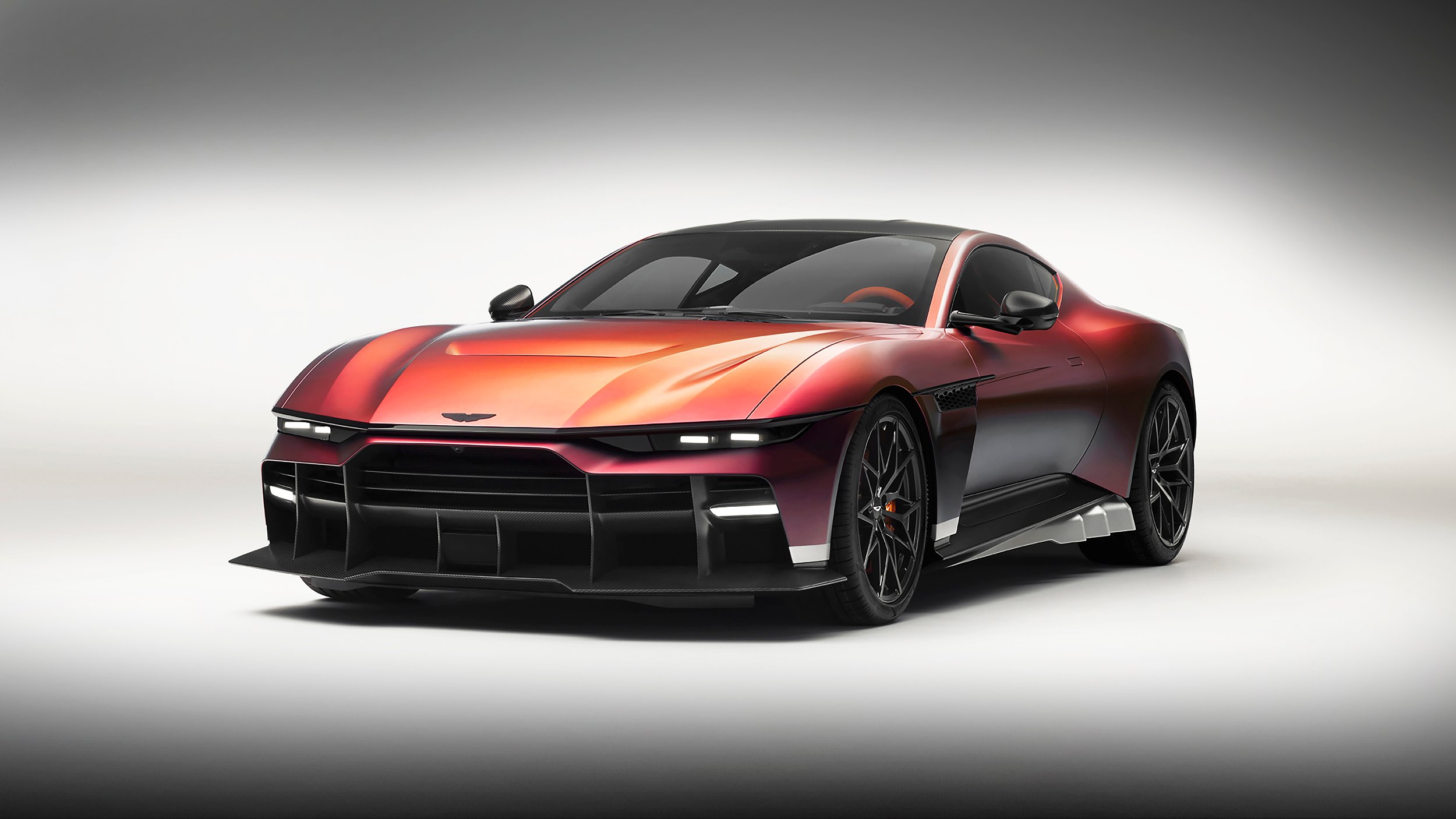
Aston Martin Valen Is the Most Powerful Front-Engined Supercar Ever Built
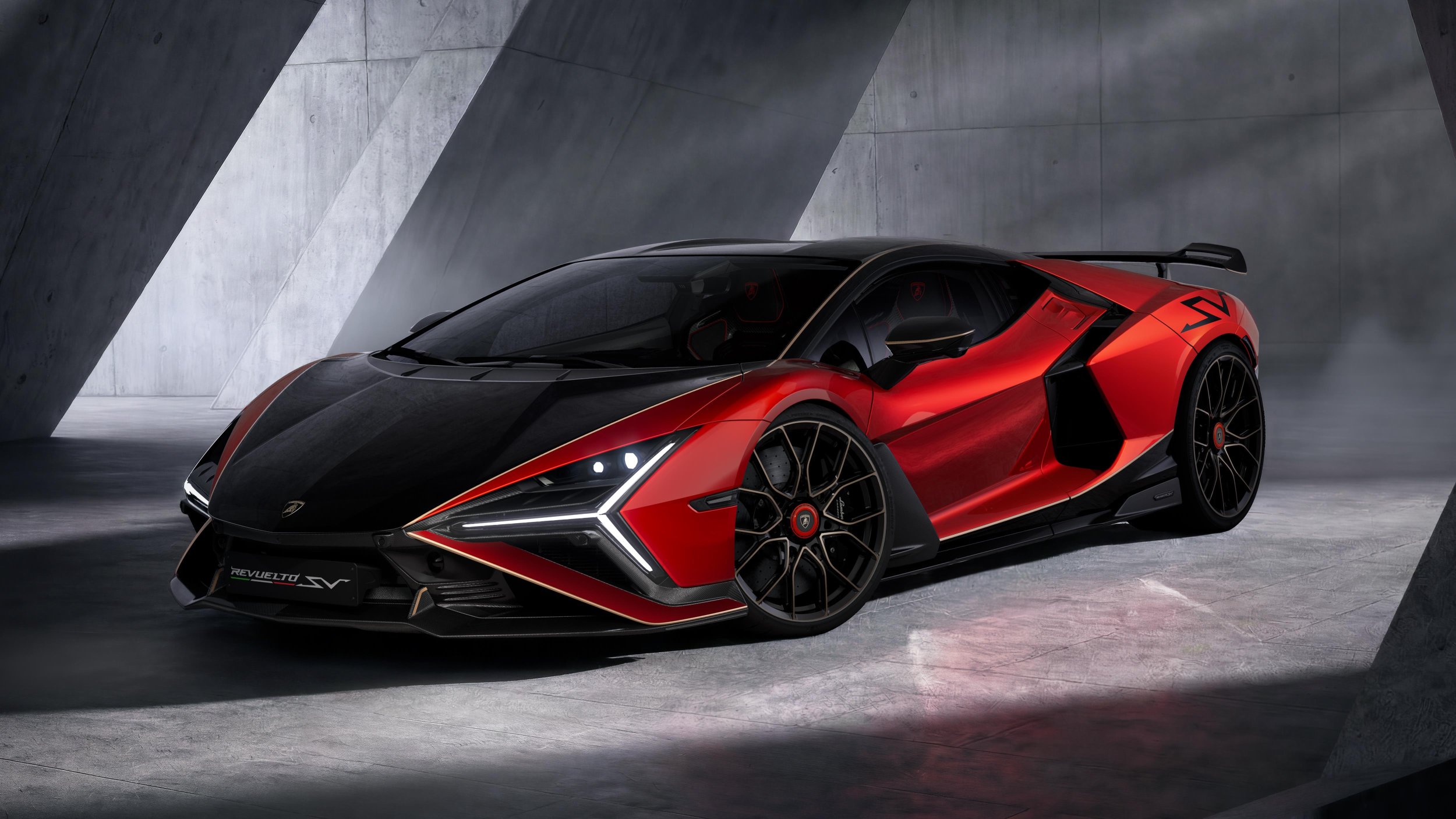
Lamborghini Revuelto SV Arrives with 1,065 CV and Sets Hockenheim Lap Record
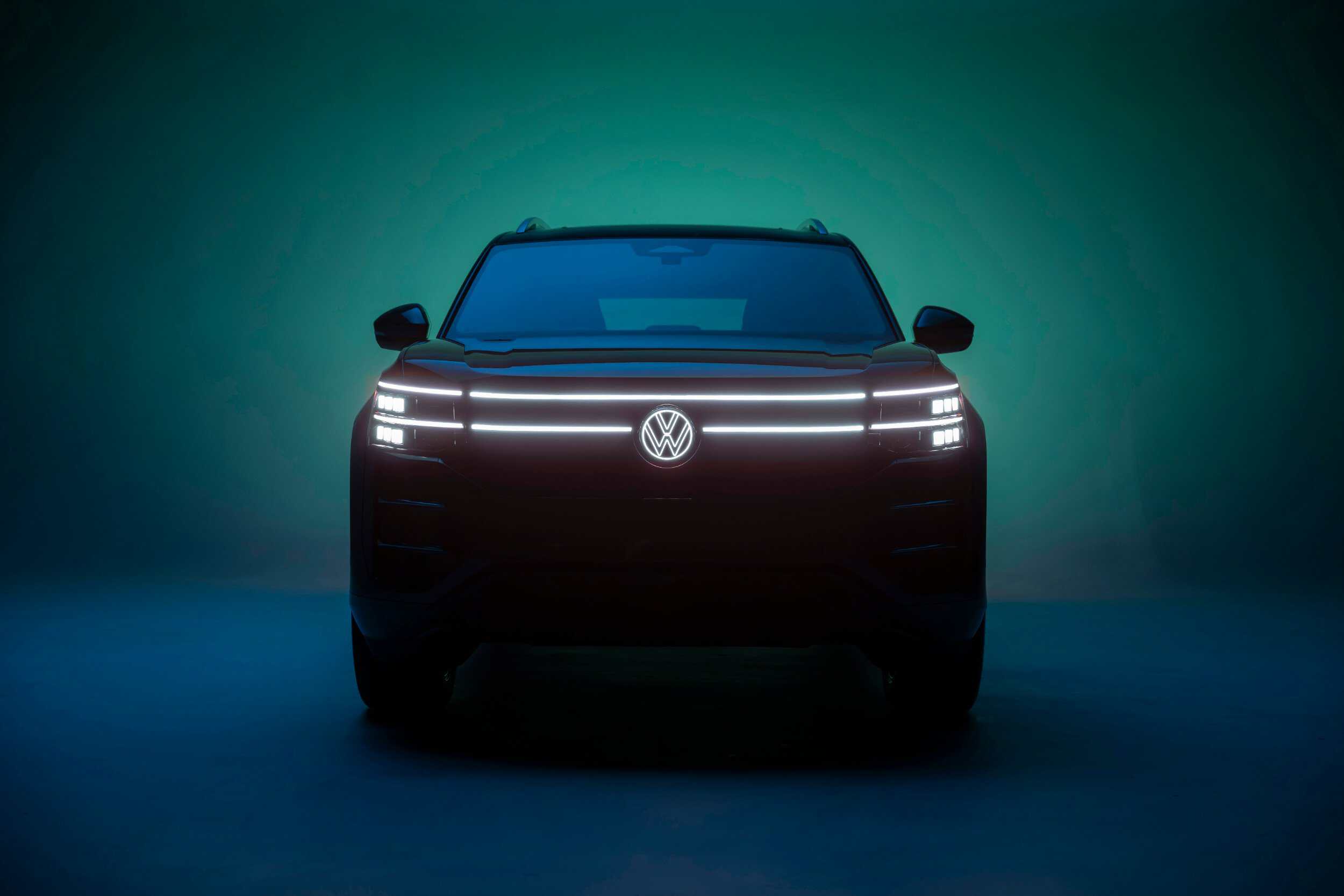
Volkswagen Prices 2027 Atlas From $41,610 With More Standard Tech

What the End of Federal Highway Funding on September 30 Means for Your Commute