Helix motors power new generation of supersonic jet engines
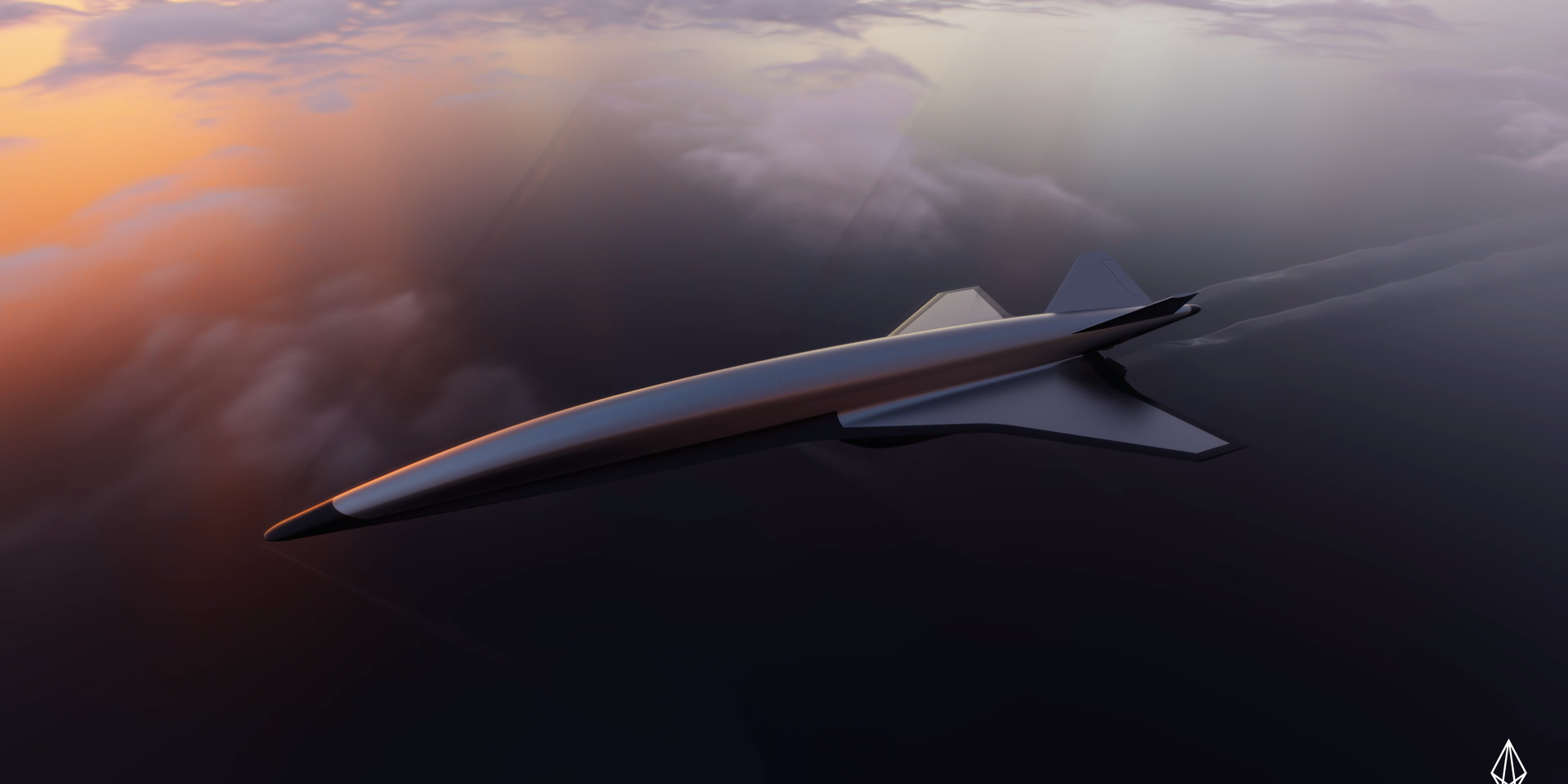
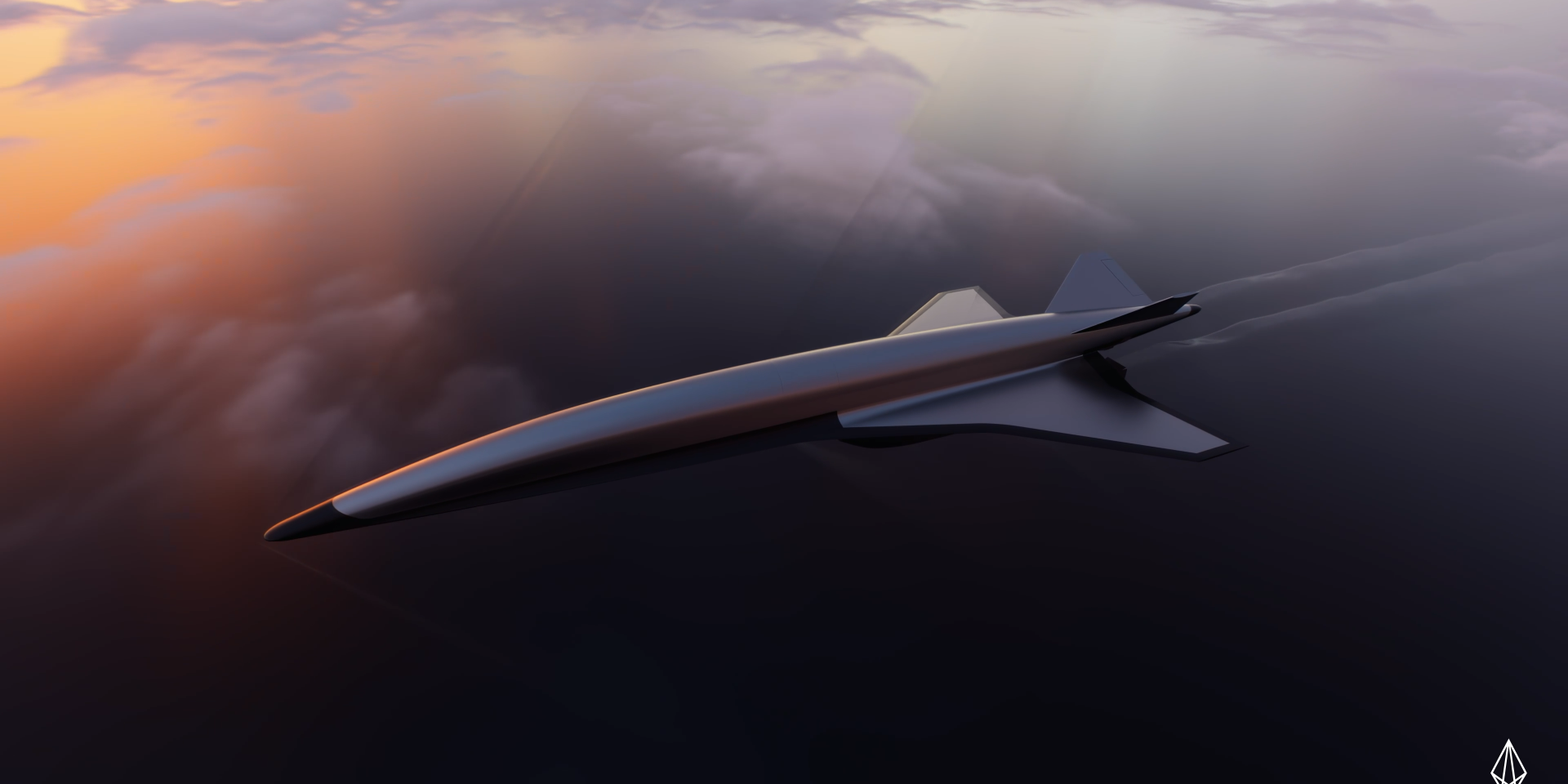
Helix, the UK manufacturer of the world’s most power-dense electric motors and inverters, has partnered with California’s Astro Mechanica to provide electric motors for the startup’s adaptive engine concept.
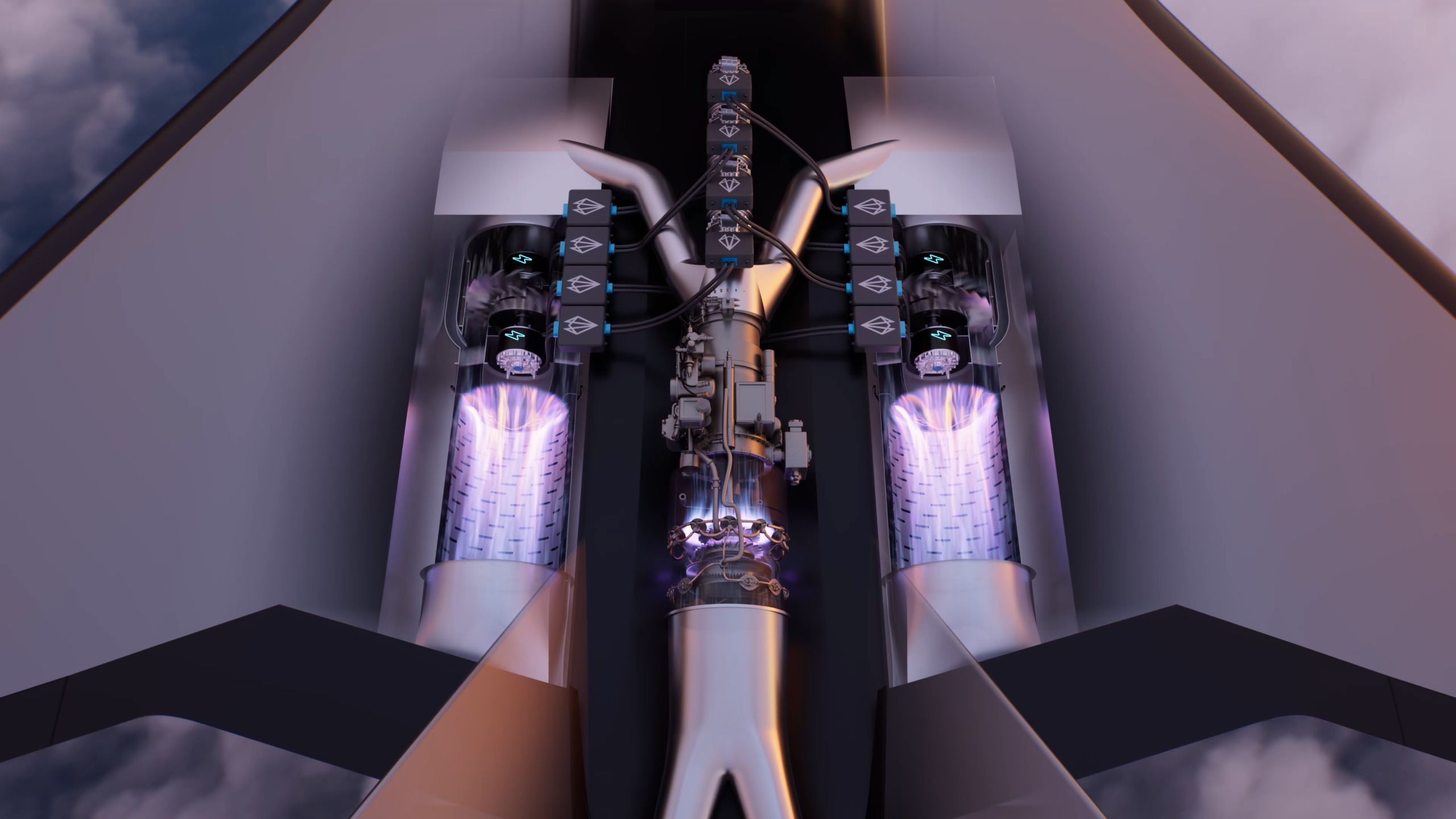
Currently, four Helix SPX242-94 motors are used in this proprietary dual-use propulsion system, which is designed to improve fuel efficiency, the biggest economic challenge facing supersonic flights. Astro Mechanica’s engine, DualityTM, and advanced airframe design have the potential to unlock supersonic aircraft with near-term military and civilian applications, including national defence, orbital launch, and long-range cargo delivery.
DualityTM utilizes power-dense electric motors to separate the propulsion unit from the turboshaft core. The turbogenerator uses a gas turbine to generate electricity via two motors, which power the four Helix motors in the propulsors that control the fan and compressor.
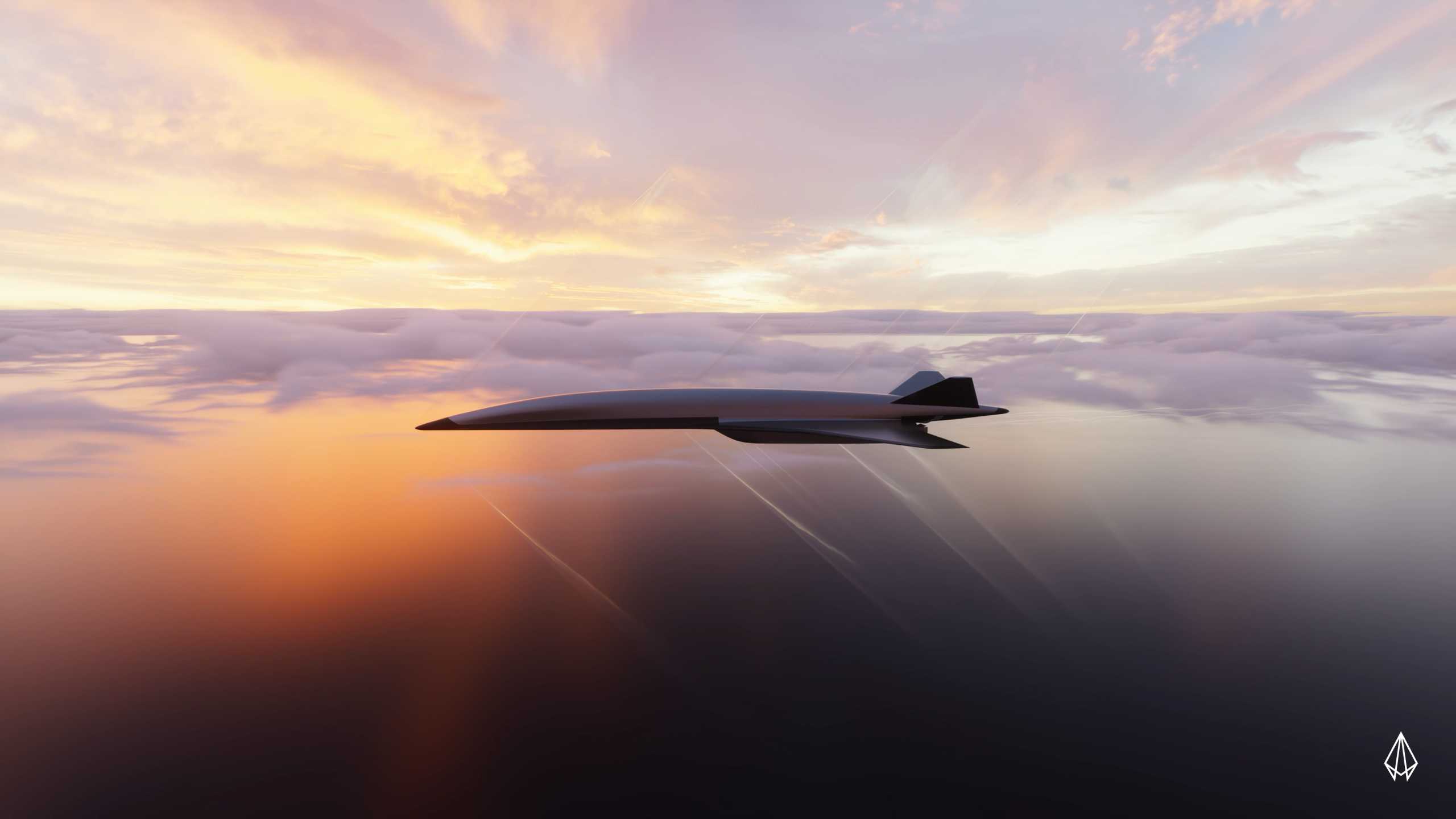
This hybrid-electric architecture enables it to mimic a turbofan at subsonic speeds, a turbojet at lower supersonic speeds, and transition to a ramjet at very high supersonic speeds. This adaptability optimizes performance across a wide range of flight speeds and profiles, creating a combined-cycle turboelectric adaptive engine that is efficient from takeoff to Mach 3+. Paired with an advanced airframe design, Astro Mechanica is developing the world’s first supersonic aircraft that has transpacific capability.
At the heart of Astro Mechanica’s fourth-generation engine prototype sits four Helix SPX242-94 motors, which power the 2-stage compressor of the propulsor unit. These motors are capable of 400kW of peak power with a maximum torque of 470Nm. On a continuous basis, they can output 300kW of power and 286Nm of torque. Critically, this is achieved in an incredibly power-dense package.
Helix is also designing custom motors for the fifth generation of Astro Mechanica’s propulsion system. These motors will be used to power the turbogenerator in this full-scale engine. The new motors are expected to output 900kW of continuous power in either generator or propulsion modes. Peak power is 950kW operating at up to 20,000rpm with a maximum torque capability of 575Nm. The new motor isolation system is designed for extreme-altitude operation.
Helix’s radial flux motors are a critical enabling technology for Astro Mechanica. With their peerless power density, this technology allows the turbogenerator and propulsor to operate at the level of efficiency needed to realise the DualityTM engine’s step-change in aviation.
Derek Jordanou-Bailey, Aerospace Chief Engineer at Helix, said: “We are incredibly proud that our electric motors are powering DualityTM given its potential to reshape aviation and aerospace. For decades, Helix has worked at the very cutting-edge of electric powertrain technology and are now a critical enabler in electrification journey of many high-performance sectors. Astro Mechanica’s engine shows that our unrivalled power density stands to completely transform the engineering and economics of whole industries.”
Astro Mechanica is currently testing the fourth generation of its engine prototype and targeting first flight within three years. Within a decade, Astro Mechanica aims to make on-demand, supersonic passenger travel as accessible and affordable as commercial air travel is today. Throughout this, Helix and Astro Mechanica will continue to deepen their partnership and collaboration in pushing the frontier of aviation technology.
With roots in motorsport, Helix’s motors, inverters, and electric propulsion units are an established staple in Formula E and other racing series. Helix’s technology also powers record-breaking hypercars such as the McMurtry Spéirling, Lotus Evija, Czinger 21c, and Aston Martin Valkyrie. In recent years, the power density of Helix’s systems has seen the company also play a role in the electrification journey of industries such as aerospace, defence, and marine: with current and past partners including vertical take-off and landing vehicles, space launch providers, racing boats and yachts, and defence platforms spanning land, sea, and air.
If you enjoyed this article, be sure to follow us on Microsoft Start.
Leave a Comment
More in News

Top Tips For Maintaining Car Paint Effectively

Seasonal Car Maintenance Checklist Essentials
10 Useful Tools When Changing Your Oil

7 Steps To Successfully Change Your Oil
How long does oil last in a car not driven?
Trending on Motoring Chronicle
Nissan Kicks, Murano named to U.S. News 2026 Best Cars for the Money Awards
Maserati at Monterey Car Week 2025 [Photo Gallery]

New benchmark in the compact class: the Audi Q3 [Photo Gallery]
New McLaren W1 Unveiled [Photo Gallery]