271,000 Drivers Caught Racing at Double the Speed Limit on 30mph Roads Last Year
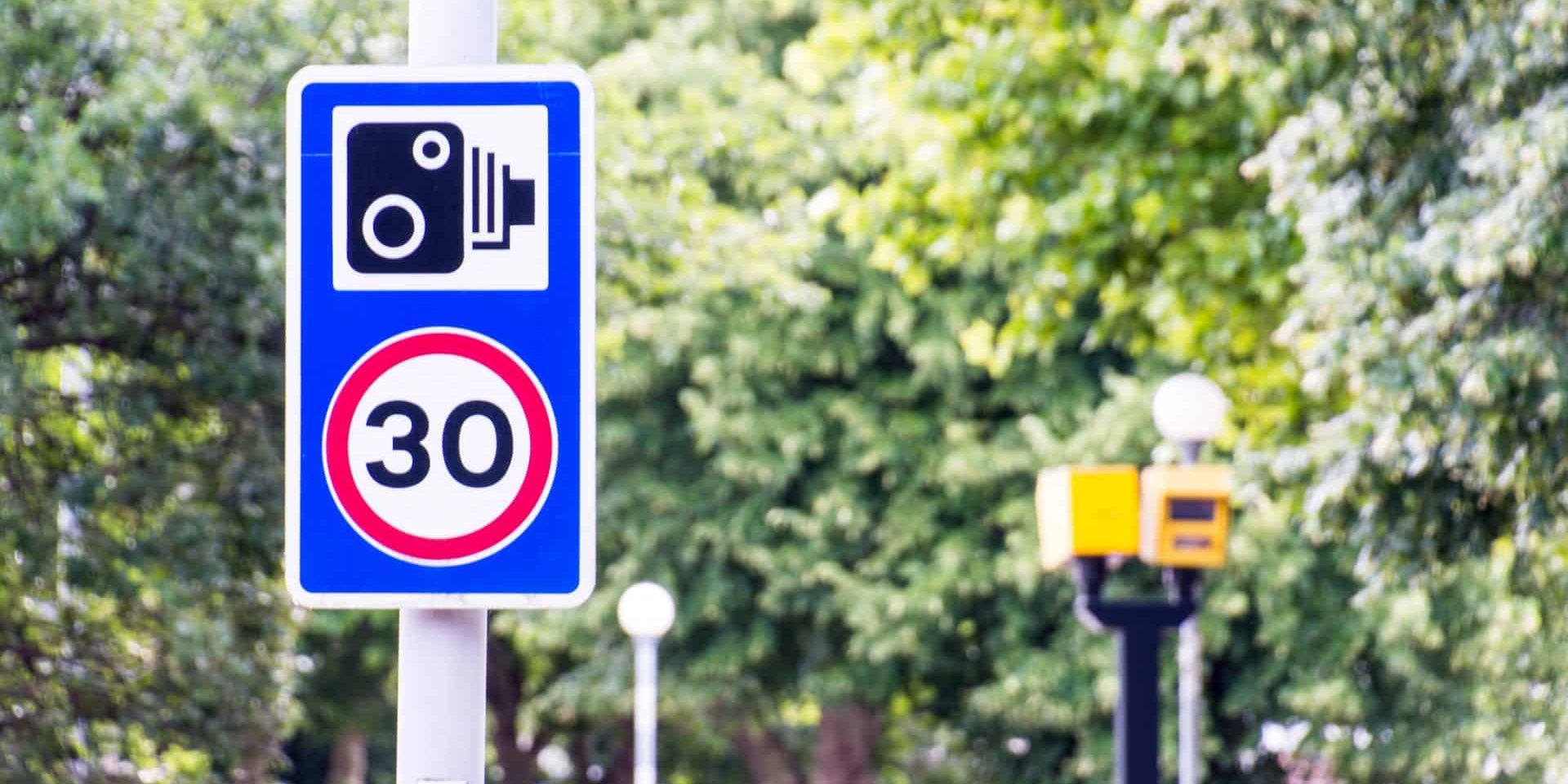
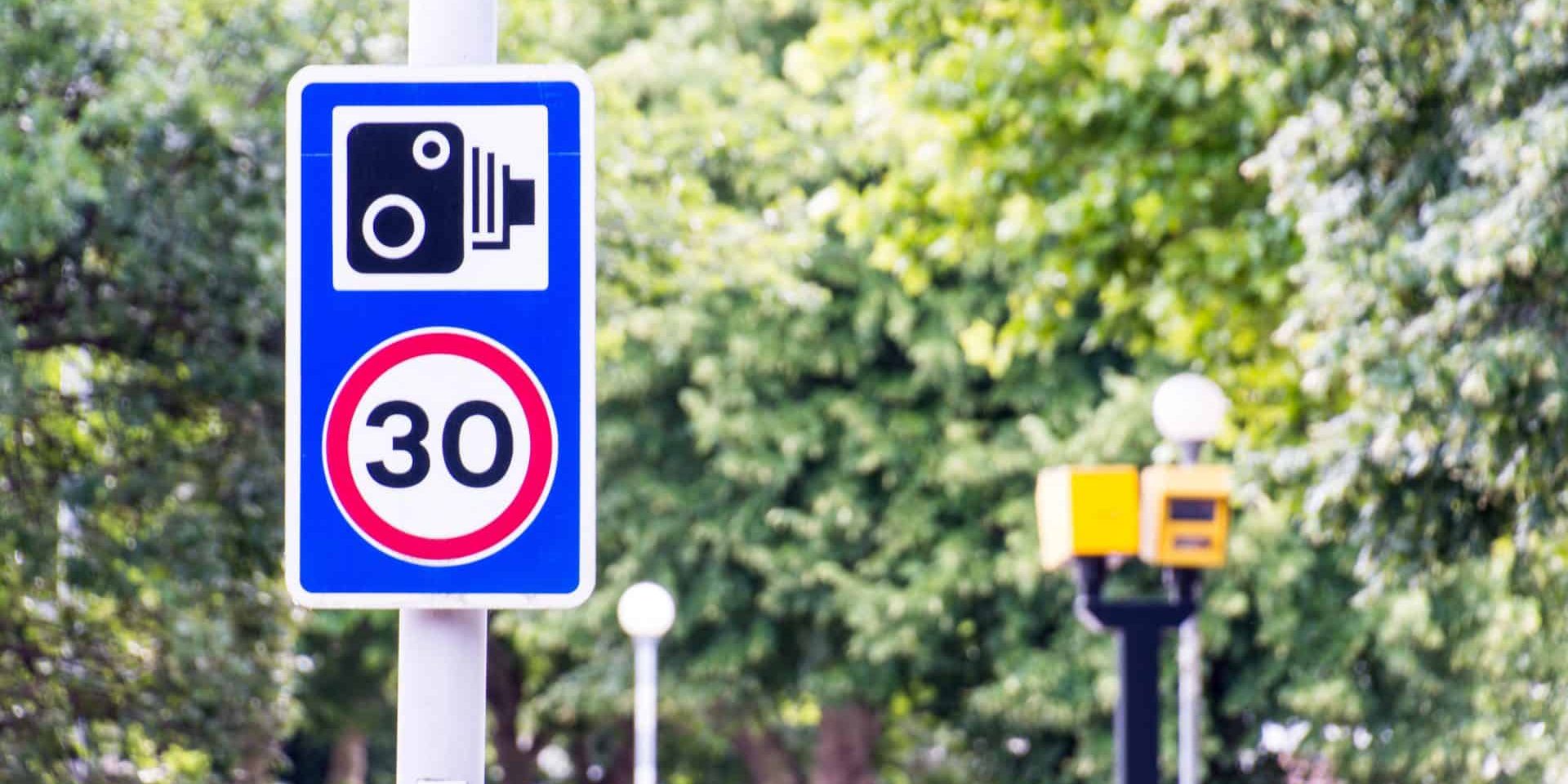
One driver was clocked doing 89mph on a 20mph street in Deeside, north Wales. Another hit 114mph on a 30mph road in Leicestershire, close to a primary school, though the driver was caught in the middle of the night. New Freedom of Information data compiled by the RAC shows the true scale of extreme speeding on Britain’s slowest roads, and the numbers go far beyond a handful of headline cases.
The RAC submitted requests to all 45 UK territorial police forces and received usable data back from 34 of them. Across 33 of those forces, 271,341 drivers were caught travelling at 40mph or more on roads with a 30mph limit in 2025, at least a third faster than the posted limit. Across 28 forces, 32,548 drivers were caught doing 30mph or more in a 20mph zone.
The Speeds Police Are Recording
The examples in the data go well beyond a few miles an hour over the limit. In Halifax, West Yorkshire, a driver was recorded at 64mph in a 20mph zone shortly before 11am. In Southport, Merseyside, another was clocked at 60mph on a 20mph road, and in Alderley Edge, Cheshire, a driver hit 48mph on a 20mph street mid-afternoon. Higher figures still turned up overnight, including 72mph in Holland Park, London, and 68mph on the B3122 in south Bristol.
On 30mph roads, a driver was caught doing 95mph in Burnham-on-Sea, Somerset, in daylight, and another matched that speed on the A5 east of Leighton Buzzard in Bedfordshire. A driver was recorded at 80mph close to schools in Culcheth, Cheshire, at around 3pm, and another at 79mph just after 4pm in Barrow-in-Furness, Cumbria. Overnight, recorded speeds climbed further, including 111mph on the A3400 in Hockley Heath, West Midlands, and 109mph on the B6145 in Bradford.
The very highest overall speeds recorded by any force involved vehicles doing 161mph, on the A5 in Bayston Hill, Shropshire, and on the M6 southbound between Stoke-on-Trent and Stafford. Other drivers were caught at 160mph on the M6 in Cheshire, 158mph on the A14 in Suffolk, and 155mph on the A38 Sutton Coldfield bypass in the West Midlands.
Why Low-Limit Roads Carry the Highest Risk
Department for Transport figures for 2024, the latest year available, show that speed was a factor in 58% of fatal collisions on Great Britain’s roads, with a driver or rider exceeding the speed limit involved in a fifth of all such collisions. In total, 185 people died in crashes where breaking the speed limit played a role that year. Collisions of this kind are most common in summer, and on Friday, Saturday and Sunday.
20mph and 30mph limits tend to apply on residential streets and roads near schools, precisely where pedestrians and cyclists are most likely to be present. A car doing 30mph over a 20mph limit gives a pedestrian stepping into the road far less time to react, and gives the driver far less distance to stop, than the same margin would allow on a motorway.
RAC senior policy officer Rod Dennis said the figures show “some of the frankly chilling speeds some people are prepared to drive at, and these are just the cases the police are aware of.” He added that some of the worst examples were recorded in residential areas, even close to schools, at hours when other road users would likely have been present, and that such roads will almost certainly be well used by pedestrians and cyclists.
What the RAC Wants Government to Do Next
The RAC’s research lands alongside its response to the Government’s Road Safety Strategy, published in January 2026, which set a target of cutting deaths and serious injuries on Britain’s roads by 65% by 2035. The RAC has welcomed that target but argues ministers need to go further on repeat and extreme offenders specifically.
The organisation is backing a campaign called Stop Excessive Speeders, which calls for intervening Intelligent Speed Assistance, a stronger version of the advisory technology already built into many new cars. Standard Intelligent Speed Assistance sounds a warning when a driver exceeds the limit but can be overridden by pressing the accelerator. An intervening version would limit the throttle automatically and could only be overridden in narrow, monitored circumstances, such as avoiding a sudden hazard.
The RAC wants intervening ISA used as a specific requirement imposed by courts on drivers who repeatedly and dangerously exceed speed limits, as a condition of keeping or regaining a licence, with the driver paying for the fitting and subsidies available for motorists on low incomes. National Police Chiefs’ Council roads policing lead Chief Constable Jo Shiner said the finding that a majority of drivers believe there is a culture where speeding is acceptable “reflects a deeply embedded issue in driver behaviour,” and called for safe, lawful driving to be reset as a shared expectation among all road users.
Previous RAC research found that four in five drivers say they regularly see people driving at excessive speeds on 20mph and 30mph roads, and separate polling found that 86% of drivers support new measures to combat excessive speeding, with 55% strongly in favour of action.
What Happens If You Are Caught
Anyone caught doing 30mph or more over a speed limit is highly unlikely to be offered a speed awareness course or a simple fixed penalty; cases at this level are usually sent straight to court, where a driver can face a fine of up to 175% of weekly income, six penalty points, and disqualification. Excess speed of this scale, especially close to schools or in residential areas, is treated by courts as a significant aggravating factor rather than a minor lapse, and repeat offending can bring an extended or totting-up ban.
Drivers can check whether roads near them carry a lower speed limit than expected using the interactive maps most local authorities publish online, and should treat any 20mph sign as an active zone rather than a suggestion, as enforcement cameras and average-speed systems increasingly cover these roads too, not just motorways. Anyone who regularly drives through a mix of 20mph, 30mph and faster roads in the same journey should build in a habit of checking their speedometer at every change of limit, rather than relying on a feel for how fast the car is going.
A Growing Enforcement Network
Councils across the country have spent the past year expanding 20mph zones into more residential streets and adding fixed and average-speed cameras to enforce them, a trend the RAC’s figures suggest has plenty of road left to run. Fixed penalty notices for speeding within a 20mph zone carry the same starting point as any other speeding offence, a £100 fine and three penalty points, but courts increasingly treat excessive breaches of a 20mph limit, especially near a school, in the same serious bracket as similar breaches of higher limits.
Anyone who witnesses this kind of extreme speeding can report it to their local police force through the non-emergency 101 number or an online reporting form, especially where dashcam footage captures the registration plate and location clearly. Police forces have said footage submitted by members of the public increasingly forms part of the evidence base behind prosecutions of this kind, alongside fixed cameras and mobile enforcement patrols. With the RAC’s data coming from only 34 of the 45 forces it approached, the true national total of extreme speeding incidents on 20mph and 30mph roads is almost certainly higher than the headline figures suggest.
Sources:

Leave a Comment
More in News

Learning to Drive Now Costs UK Teenagers Up to £2,300 Before They Even Pass

Cloned Number Plate Fines Reported to the DVLA Hit a Record 11,402 This Year

Every Electric Car Driver Faces a New £240 Mileage Tax From April 2028

CMA Has Sent 1,166 Fuel Price Letters to Forecourts and Fined Nobody Yet

A Heat Pump Is Worth About Ten Degrees of Winter, and Most Owners Never Knew They Had the Choice
Trending on Motoring Chronicle
Driving Test Waits Range From 5 to 24 Weeks in New DVSA Centre Data
Record 72.2 Million Americans Will Travel This July 4 With 61 Million Driving
Millions of Drivers Face a 6 Percent Car Insurance Jump This Quarter, Data Shows

Ferrari 12Cilindri Tailor Made: inspired by tradition, driven by innovation