What Higher North Somerset Parking Charges From 6 July Mean for Drivers
Anyone who parks in Clevedon, Nailsea or Weston-super-Mare is about to pay more for the privilege. North Somerset Council has confirmed that new parking charges take effect from 8am on Monday 6 July, covering both off-street car parks and on-street pay and display bays across the district. The increases are modest in pence terms but they reach a lot of everyday trips, from a quick errand in town to a full day at the seafront, and they arrive with a new seasonal pricing structure that changes what you pay depending on the time of year.
If you drive in North Somerset, the practical takeaway is simple. From 6 July, check the tariff board before you tap your card, because the rate that applied in spring may not be the rate showing in summer, and a tariff you knew by heart may have crept up. Here is what is changing, why councils keep raising parking charges, and how to keep the cost down.
What the new charges actually are
The headline change is a move to seasonal pricing in off-street car parks. The council has defined a peak season running from 2 March to 31 October and a low season from 1 November to 1 March. In practice that means the busiest months, which is most of the year, carry the higher rates, while a short winter window is cheaper.
In Clevedon, the Hawthorns car park will charge £1.60 for one hour, £5.10 for four hours and £8.10 for an all day stay in peak season. In low season the one hour rate stays at £1.60, but four hours falls to £2.70 and all day drops to £4.10. The Salthouse Fields car park, popular with visitors to the seafront, will mirror those peak season rates. So a family heading to the coast on a summer day faces just over £8 to leave the car for the day, where the winter equivalent is roughly half that.
On-street pay and display is rising too. In Weston-super-Mare, the short stay rate moves to 50p for 20 minutes, up from 40p, and £1.70 for an hour, up from £1.60. At Leigh Woods, an hour will cost £1.30, up from £1.20. None of these is dramatic on its own, but a 10p jump on a 20 minute stay is a 25 per cent rise on that band, and for someone who parks briefly several times a week the small increases stack up over a year.
Why councils keep putting parking up
Parking income has become one of the few levers a council can pull without central government sign off, and authorities up and down the country are pulling it. The law is strict about how the money can be used. Surplus income from on-street parking charges is ring fenced under the Road Traffic Regulation Act 1984 and can only be spent on transport related purposes, such as road maintenance, concessionary travel and other highways costs. It cannot simply be poured into general spending. That is why councils tend to present charge rises as a way of covering the cost of running car parks and maintaining roads rather than as a tax.
The wider backdrop is a squeeze on local budgets, rising maintenance bills and a national push to manage demand for road space. Seasonal pricing, like the structure North Somerset is adopting, is increasingly common in coastal and tourist areas because it lets a council charge visitors more in summer while easing off in quieter months. For residents, the frustration is that the higher peak rate covers two thirds of the year, so the “low season” discount applies only in the depths of winter when fewer people are making leisure trips anyway.
It is worth keeping the rises in proportion. Council car parks remain far cheaper than many private operators, and the sums here are a fraction of what drivers pay in big city centres. But they land at a time when the overall cost of running a car is already high, and every recurring outgoing, from fuel to insurance to a daily parking ticket, adds to the total.
There is also a balancing act for any council that relies on town centre car parks. Push charges too high and shoppers drift to out of town retail parks with free parking, which hollows out the high street the charges are meant to support. Keep them too low and the car parks run at a loss the council cannot afford. Seasonal pricing is partly an attempt to thread that needle: charge visitors more when demand is high and the seafront is full, then ease off in the quiet months to keep local trade ticking over. Whether it strikes the right balance is something residents will judge over the first summer of the new rates.
How to keep your parking costs down
The charges are going up, but how much you actually pay is still partly in your control. A few habits make a real difference:
- Check the tariff board every time from 6 July, especially the season dates. If you park on the cusp of the peak window, a trip on 1 November could cost less than the same trip on 31 October.
- Match the ticket to the visit. Buying four hours when you only need two is money gone. Where a council app lets you pay for the exact time used or top up remotely, it can stop you overpaying or overstaying.
- Compare nearby car parks. Rates can differ between sites a short walk apart, and an all day ticket at one car park may beat several short stay tickets elsewhere.
- Watch for app convenience fees. Some parking apps add a surcharge on top of the council tariff, so paying at the machine can occasionally be cheaper.
- If you commute or visit often, ask the council whether a season ticket or resident permit works out cheaper than daily tickets.
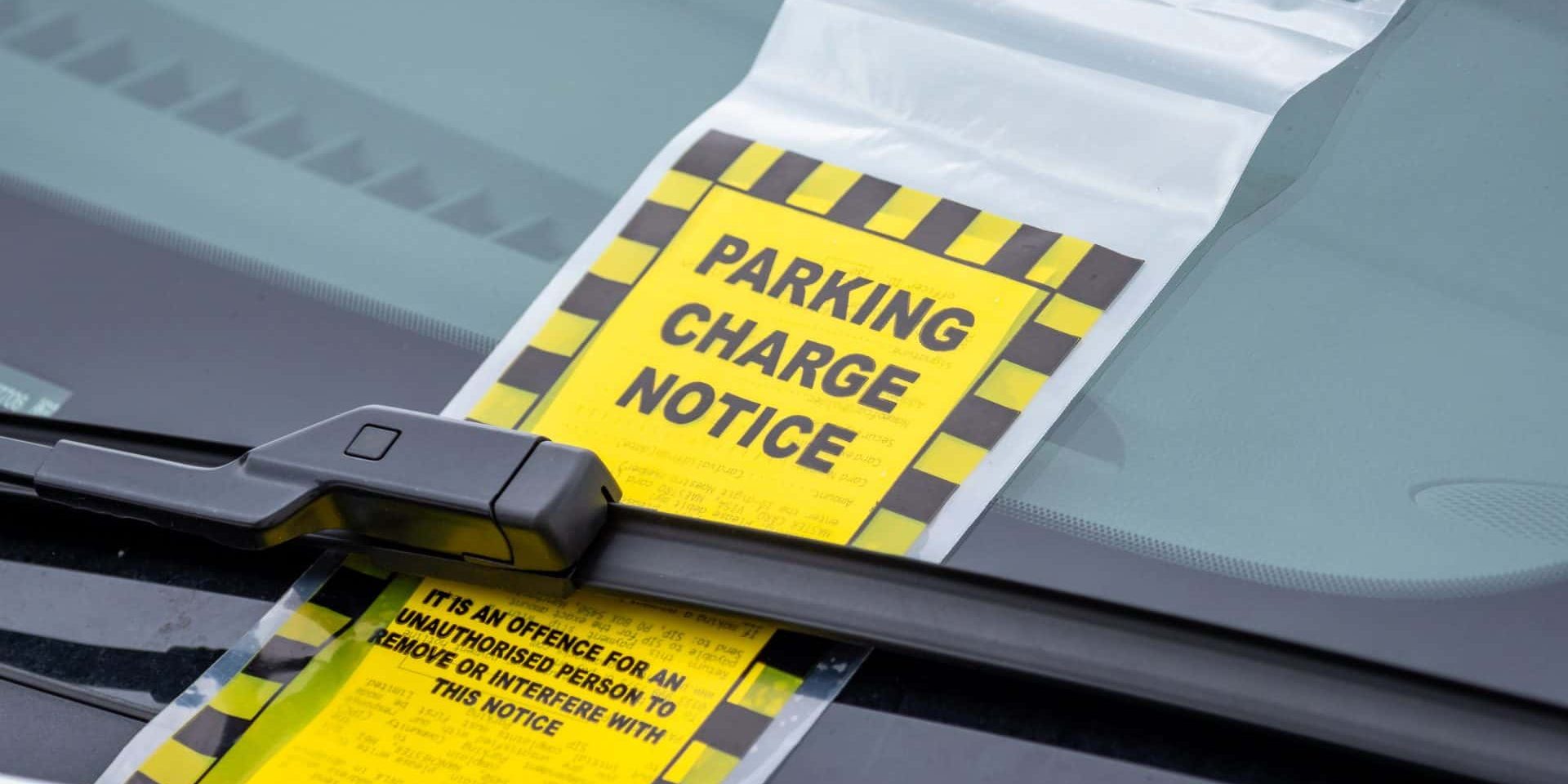
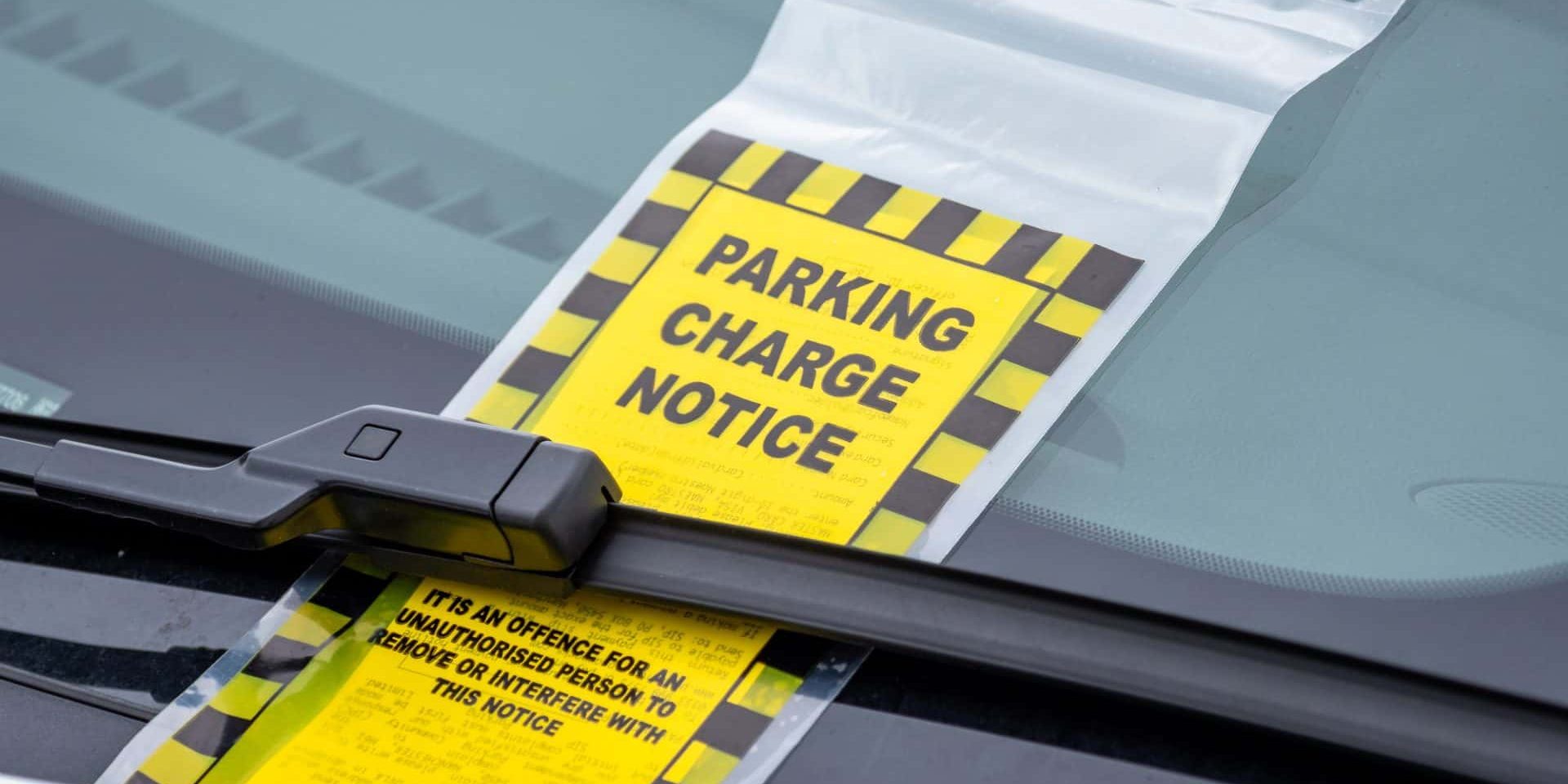
Above all, do not let the new rates push you into a penalty. The most expensive parking of all is a Penalty Charge Notice for overstaying or for parking where you should not. A typical council PCN dwarfs even an all day tariff, so paying for the right amount of time is always the cheaper option.
It is also worth keeping a record of what you pay and when, particularly during the changeover. Tariff boards do not always update on the dot, and machines occasionally lag behind a price change. If you are charged the peak rate inside the low season window, or a machine takes payment at the old level and then the system flags a shortfall, a dated photo of the board and your ticket gives you the evidence to put it right. Errors at the point a new tariff goes live are common enough that a few seconds of caution can save a dispute later.
Who is affected and what happens next
The changes reach residents and visitors alike across Clevedon, Nailsea, Weston-super-Mare and other North Somerset locations, and they cover both the car parks people use for a day at the coast and the on-street bays used for quick high street trips. Tourists driving in for the summer will feel the peak rates most, but it is local drivers, the ones parking several times a week all year, for whom the small rises add up fastest.
The new tariffs are confirmed and start on 6 July, so there is no consultation left to influence them. What drivers can do is plan around them: learn the new rates for the car parks they use, note the peak and low season dates, and build the higher summer cost into the budget for seaside trips. North Somerset is far from alone here. Councils elsewhere are introducing or raising charges through 2026, and the broad trend is towards seasonal and demand based pricing in places that draw a lot of visitors. Drivers who keep an eye on the boards and pay only for the time they need will absorb the change with the least pain.
For more on the rising cost of leaving your car somewhere, see our guides to the hidden fees parking apps add to your bill and the national platform that aims to simplify council parking payments.
Sources:
- https://www.northsomersettimes.co.uk/news/26202609.new-parking-charges-north-somerset-announced-council/
- https://www.northsomersettimes.co.uk/news/26202610.parking-fees-rise-nailsea-clevedon-weston/
- https://n-somerset.gov.uk/news/north-somerset-decide-next-steps-parking-proposals

Leave a Comment
More in News

How to Reject a Faulty Used Car Under the 30 Day Rule

Every Driver Faces Animal Strikes as 54% of DfT Injury Collisions Happen in Darkness

2027 Jeep Compass Starts at $31,985 With Standard Adaptive Cruise Control

Kia Boosts 2027 EV9 Torque by 36 Percent as Nightfall Trim Goes Standard

2027 Mazda CX-90 Priced From $39,700 With New Two-Row Model
Trending on Motoring Chronicle

Land Rover Recalls 23,677 More SUVs as Power Loss Recall Tops 194,000
What Drivers With a Current MOT Need to Know About Outstanding Safety Recalls

How UK Garages Were Caught Charging Five Times the Price for a £110 Repair

Honda to adopt New ‘H mark’