
What a Spongy Brake Pedal Means for Your Car and Your £300 Repair Bill
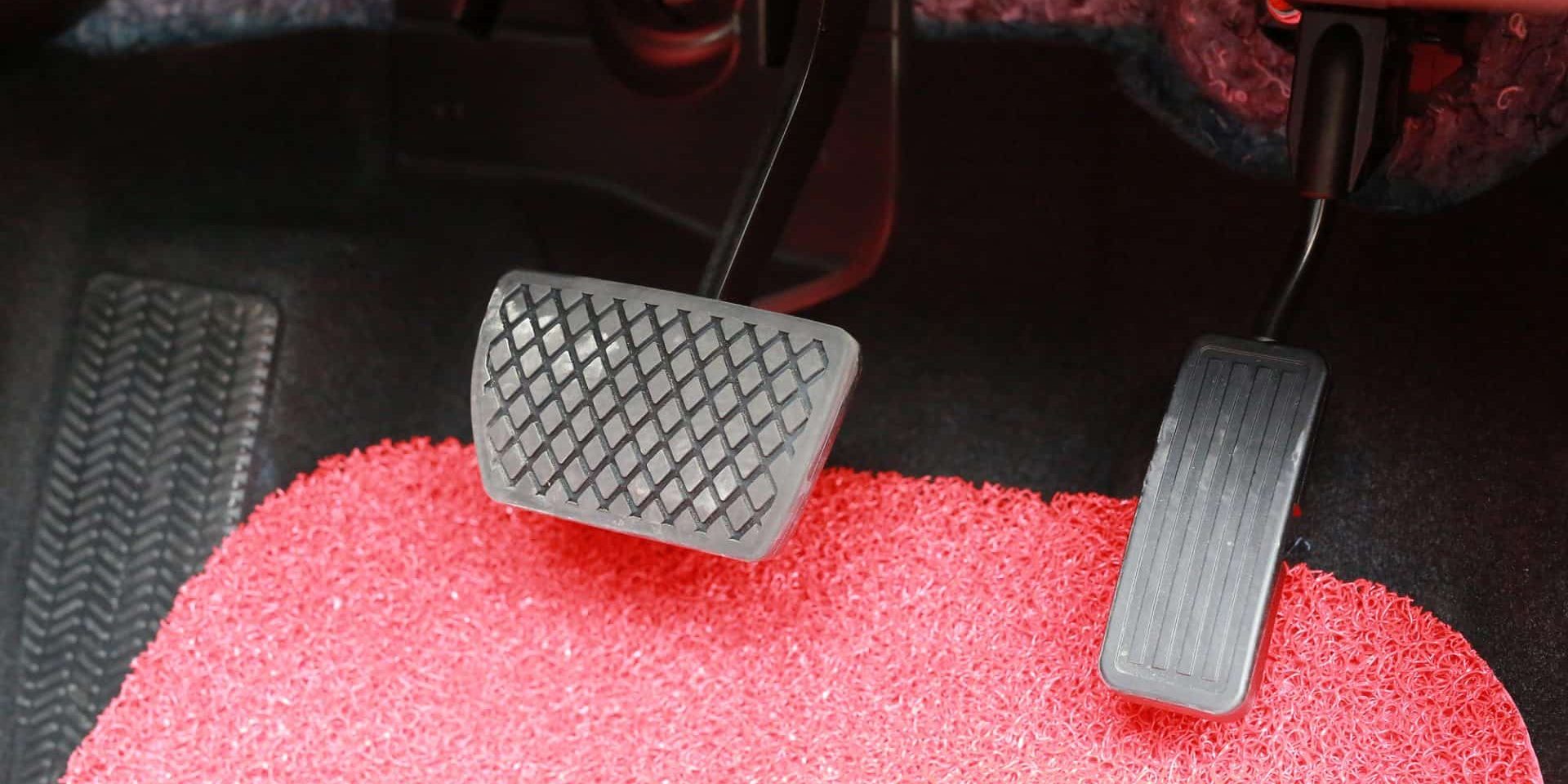

- A brake pedal that feels soft, sinks further than normal or needs pumping before it bites is never something to drive on and ignore, whatever the cause turns out to be.
- The fix can be as cheap as a fluid top-up and bleed, or as costly as a new master cylinder running to £200 to £300 fitted.
- Old or contaminated brake fluid is one of the most common causes, and it is also one of the easiest to prevent with a routine two-year fluid change.
A Spongy Pedal Means Air or Fluid Is Doing a Job It Should Not Be Doing
A brake pedal is supposed to feel firm from almost the moment you press it, with resistance building steadily the harder you push. If yours feels soft, spongy, or sinks noticeably further than usual before the car actually slows, or if you find yourself pumping the pedal to get it to respond properly, stop driving the car and get it looked at. This is not a fault to put off until your next scheduled service. Brakes are the one system in the car with zero margin for a wait-and-see approach.
The spongy feeling almost always comes down to one thing: something compressible has got into a system that is designed to work only with incompressible brake fluid. Brake fluid does not squash under pressure, which is exactly why it transmits the force from your foot to the brake pads reliably. Air does squash. So does fluid that has absorbed enough moisture over time to behave differently under heat. When either gets into the lines, part of your pedal pressure goes into compressing that air or vapour instead of pushing the pads onto the discs, and that is what makes the pedal feel soft.
The Everyday Causes, From Cheapest to Most Expensive
Old or contaminated brake fluid is the most common cause and usually the cheapest to put right. Brake fluid is hygroscopic, meaning it draws in moisture from the air gradually over time, even inside a sealed system. Manufacturers generally recommend a full fluid change roughly every two years regardless of mileage. Moisture-laden fluid has a lower boiling point and starts to behave inconsistently under the heat generated by hard or repeated braking. A full fluid flush typically costs somewhere around £40 to £65 at an independent garage, making it one of the best-value jobs you can have done on a car.
Low fluid is the next most common cause, and it usually points to a leak somewhere in the system rather than fluid simply running low on its own. Brake systems are sealed and should not lose fluid under normal use. Topping the reservoir up can mask the symptom temporarily, but a car that keeps needing fluid added deserves a proper leak check rather than repeat top-ups. The leak itself, whether from a hose, a seal or a calliper, will only get worse.
Air in the brake lines typically gets in when fluid has been allowed to run low, or after work has been done on the brakes without the system being bled properly afterwards. The fix is to bleed the brakes, pushing fresh fluid through each line to force the trapped air out through a release valve at each calliper. This is often bundled into the cost of a fluid change rather than charged separately, so if your pedal has gone spongy after any recent brake work, mention that timing to your mechanic specifically.
A faulty master cylinder is the costliest common cause and the one that makes a spongy pedal seriously dangerous. The master cylinder is what converts the pressure from your foot into the hydraulic force that reaches all four brakes, and if its internal seals wear out, the pedal can feel soft, sink slowly to the floor under steady pressure, or fail to build pressure at all, even with the fluid level completely normal. A master cylinder replacement typically runs to £200 to £300 fitted, and it is not a job to delay once diagnosed. A cylinder that is failing gradually can fail completely without warning.
The Less Common Causes Worth Ruling Out
A handful of less common faults can produce the same spongy feeling. Misaligned rear brake shoes on drum-braked models can need pumping before they bite properly, and simply adjusting them back into position can resolve it without parts being replaced at all. A leaking wheel cylinder, found inside drum brake assemblies, lets fluid escape through corrosion-damaged seals and produces the same sinking sensation as a master cylinder fault, but at a single wheel rather than across the whole system. A damaged calliper, usually from age and road grime rather than any single event, can affect fluid pressure at one corner of the car in a similar way. An ABS modulator fault is rarer still, but a damaged valve inside it can also cause a soft pedal alongside warning lights on the dashboard, and this is one case where diagnostic equipment rather than guesswork is the only reliable way to confirm the cause.
A Few Checks You Can Do Yourself Before Booking a Garage
Before you book anything, there are a few things most drivers can check themselves in a few minutes, with the engine off and the handbrake on. Open the bonnet and locate the brake fluid reservoir, usually a small translucent plastic tank with a marked minimum and maximum level, often near the back of the engine bay on the driver’s side. Fresh brake fluid is pale yellow or close to clear. Fluid that looks dark brown or almost black has likely absorbed moisture and contamination, and is itself a sign a flush is due, whether or not the pedal still feels firm right now. If the level sits below the minimum mark, that alone points toward either a leak or pads worn down enough that the system has compensated by using more fluid, both of which are worth a garage visit regardless of how the pedal currently feels.
A dashboard warning light showing an exclamation mark inside a circle, or the word BRAKE, should never be dismissed as a minor glitch. On most cars this light covers both the handbrake being left on and a genuine fault with fluid level or pressure, so if it stays lit with the handbrake fully released, treat that the same way as a spongy pedal and get it checked. Brakes are also checked as part of every MOT test, covering pad and disc wear, pipe condition and overall braking efficiency, but a car can pass its MOT one week and still develop a spongy pedal soon after if a seal or hose fails between tests, so an MOT pass is not a guarantee the system will stay fault-free until the next one. Older cars and those with higher mileage are more likely to develop hose and seal problems simply through age and wear, so if your car is more than eight or ten years old, a spongy pedal is worth treating as slightly more urgent than it might be on a newer model.
What to Do if Your Pedal Goes Soft While You Are Driving
If the pedal suddenly feels soft or sinks while you are on the move, do not panic, but do act immediately. Pumping the pedal rapidly, rather than pressing once and holding, can rebuild enough pressure in the system to bring the car to a controlled stop. Treat this as an emergency measure to get the car safely off the road, not as a way to carry on driving as normal. Once stopped, do not set off again. Call a garage or a breakdown recovery service rather than attempting to drive the car to a mechanic yourself. A pedal that has gone soft once can fail further without warning.
Any warning light on the dashboard related to the braking system should be treated the same way: as a reason to stop and check, not a reason to keep driving and see if it clears on its own. A mechanic checking a spongy pedal will typically start with the simplest and cheapest possibilities first, checking fluid level and condition, looking for visible leaks at the callipers, hoses and master cylinder, and bleeding the system before moving on to replacing parts. Getting a spongy pedal checked early, rather than living with it, is usually the difference between a £50 fluid change and a bill several times that size once a fault has been left to develop into something worse.
Want more car content? Add us as a preferred source on Google to your favourites list for the best automotive news and analysis on the internet.
If you enjoyed this article, be sure to follow us on Microsoft Start.
Sources:

Leave a Comment
More in News

Steiner predicts multiple F1 titles for Antonelli as Mercedes gamble pays off

Man’s Tesla has 9% range left. Then he gets a message that he’s ‘too far from closest known charging station.’ Now the car refuses to start
Man drives Toyota Tundra. Then he realizes the RPM meter ‘makes no sense’

Why British Drivers Are Rethinking Their Next Used Car

YANGWANG ALTIOR makes its global debut in Abu Dhabi: a higher expression of power [Photo Gallery]
Trending on Motoring Chronicle

Lost the spark? Our sense of adventure fades aged 36
How Northern Ireland’s Graduated Driving Licence Changes Everything for Young Drivers From October

How Long Beach’s New Speed Cameras Will Fine Drivers Up to $500 Starting This Fall
What UK Child Car Seat Law Actually Requires (and How to Stay Legal)
