MOT Rules Change on 1 June for Electric Vans Between 3.5 and 4.25 Tonnes
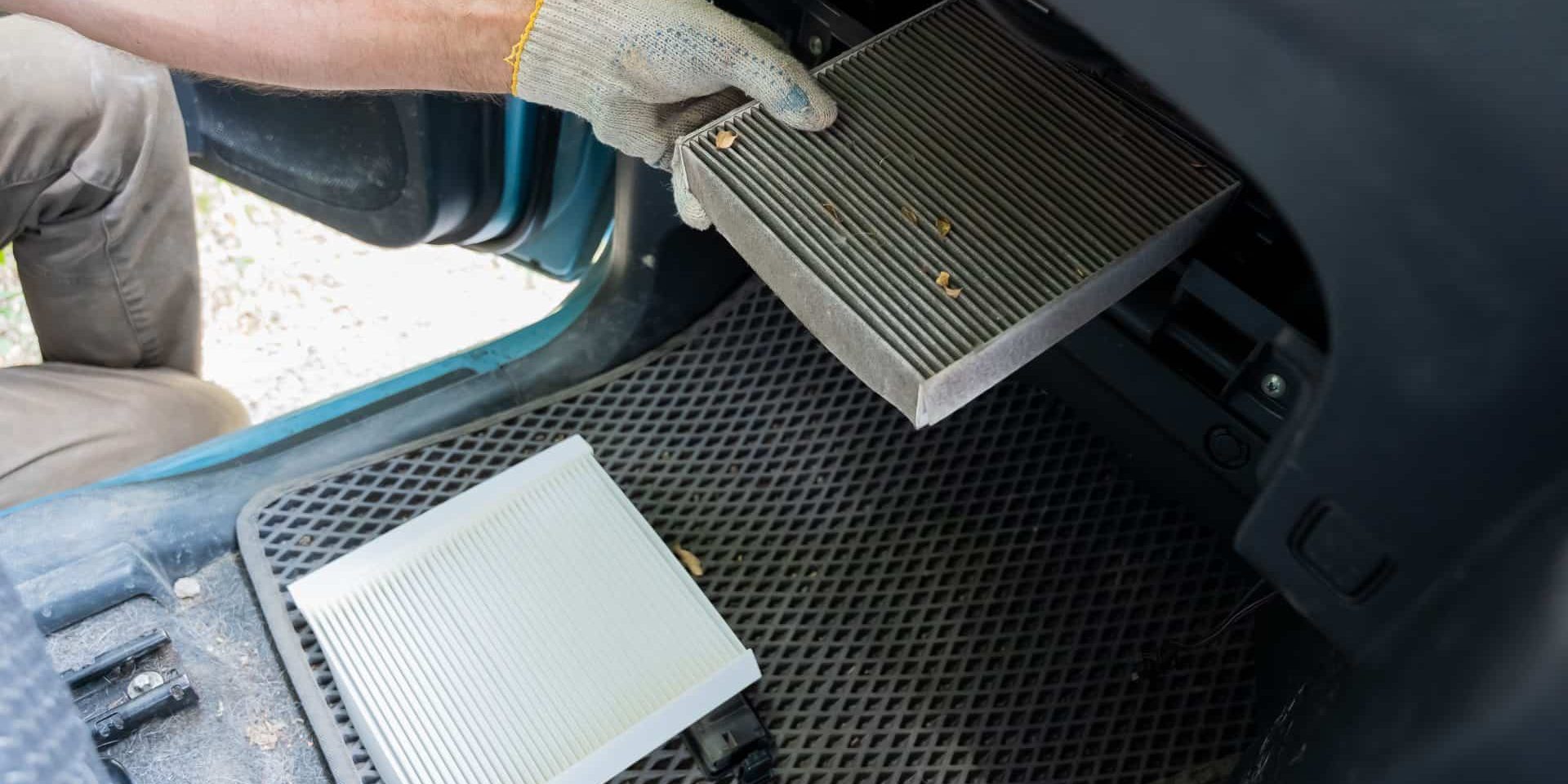
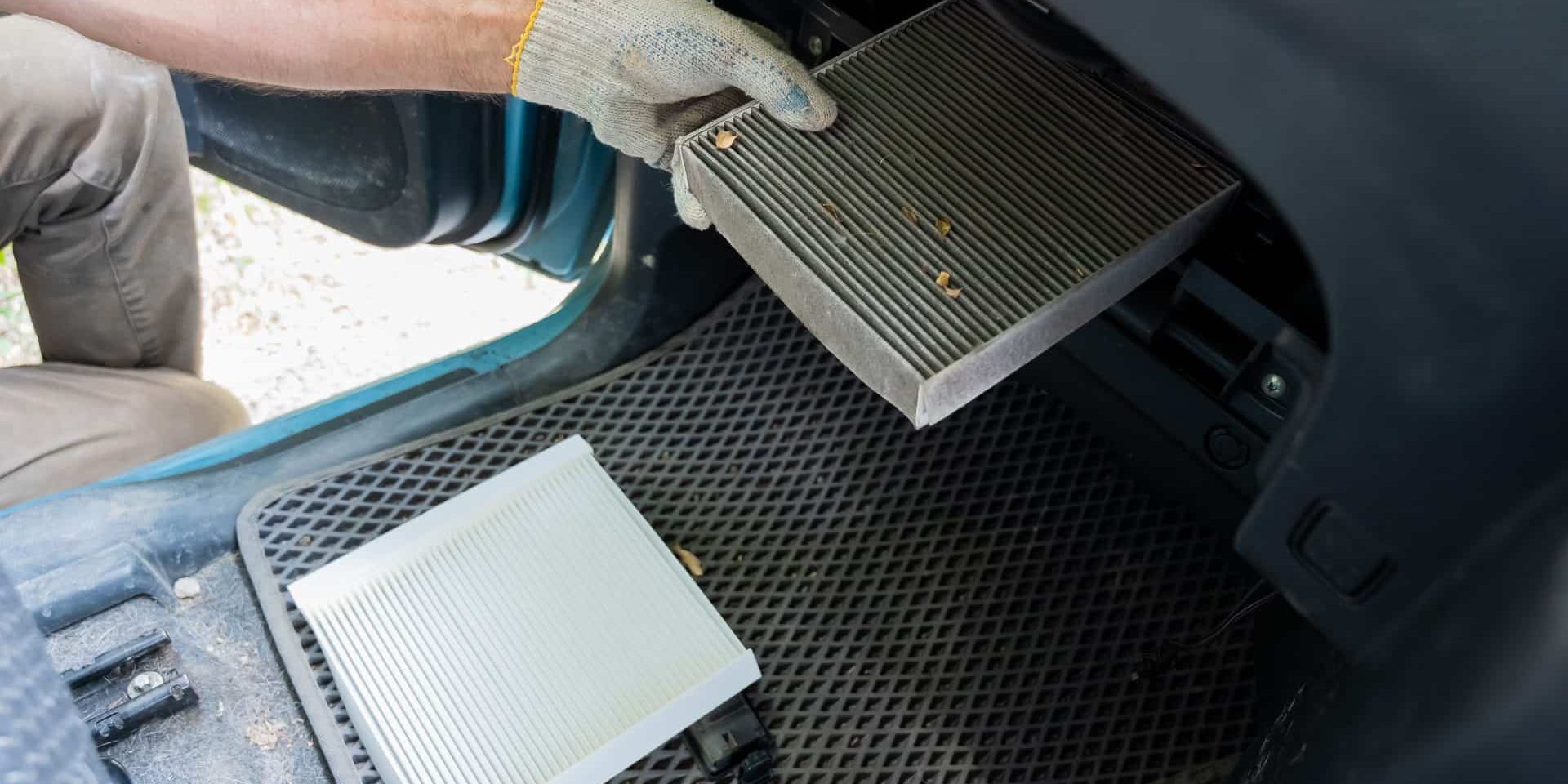
A quiet but useful change landed on 1 June 2026 for anyone who runs a larger electric van. From that date, electric and other alternatively fuelled vans weighing between 3.5 and 4.25 tonnes move out of the heavy goods vehicle testing regime and into the standard Class 7 MOT system used by ordinary van garages. Just as significantly, brand new vans in this weight band will not need their first MOT until they are three years old, rather than at one year. For sole traders, tradespeople and delivery firms the practical result is cheaper, simpler testing and one less reason to stick with a diesel van.
What Changed on 1 June
Until now, a zero-emission van tipping the scales between 3,500kg and 4,250kg sat in an awkward gap. Because of its weight it was treated more like a small lorry, which meant annual testing at a Driver and Vehicle Standards Agency (DVSA) authorised testing facility under the heavy vehicle rules, rather than the familiar Class 7 MOT that covers goods vehicles up to 3,500kg. That meant fewer testing locations, different booking systems and, often, higher costs.
From 1 June, these heavier electric vans are folded into Class 7. In plain terms, you can now take a 4.25 tonne electric van to a regular MOT garage that holds a Class 7 authorisation, the same kind of place that tests a conventional Transit-sized diesel. On top of that, the first-test clock has been reset. A new electric van in this weight bracket now follows the same three-year rule as a normal car or light van, instead of facing its first inspection after twelve months. Existing vehicles already past three years old continue to need an annual test, but now within the cheaper, more widely available Class 7 network.
Why the 4.25 Tonne Threshold Exists
The whole situation springs from one stubborn fact: batteries are heavy. A like-for-like electric van can weigh several hundred kilograms more than its diesel equivalent, almost entirely because of the battery pack. That extra mass pushed many electric vans over the 3,500kg ceiling that normally separates a van you can drive on a standard car licence from a vehicle that needs a heavier category.
To stop that weight penalty strangling electric van take-up, the government created a derogation that lets holders of an ordinary category B car licence drive an alternatively fuelled van up to 4,250kg, provided the extra weight over 3,500kg is down to the cleaner drivetrain. There are conditions attached, including completion of additional training in some cases and limits on towing, but the principle is simple: a tradesperson should not need to pass a lorry test just because their van runs on electricity rather than diesel.
The MOT change closes the last part of that loophole. It made little sense to let someone drive a 4.25 tonne electric van on a car licence, then force that same van through lorry-style testing. Aligning the test with the licence treats the electric van as what it really is in daily use: a working van, not a heavy goods vehicle.
Who This Affects and Why It Helps
The people who gain most are small businesses and the self-employed: electricians, plumbers, builders, mobile mechanics, florists, couriers and anyone else who needs the carrying capacity of a large van but wants to cut fuel bills and meet clean air zone rules. Electric vans still make up only a small slice of new van registrations in the UK, despite years of grants and targets, and operators have repeatedly pointed to weight, range and running-cost worries as reasons to hold back. Awkward, pricier testing was one more box in the “too much hassle” column.
By moving these vans into Class 7, the change widens the choice of test centres enormously. Heavy vehicle testing is concentrated at a limited number of authorised sites, sometimes a long drive away, whereas thousands of garages up and down the country hold a Class 7 MOT licence. Less travel to a test, easier booking and the prospect of a three-year wait before the first MOT all reduce the total cost of running an electric van over its life. For a business weighing up its next van purchase, that tilts the maths a little further towards electric.
It also tidies up the wider 2026 testing picture. The same month brought other MOT adjustments, including stricter rules on who can hold an MOT testing role after a disciplinary cessation and updated jacking equipment standards designed to cope with heavier electric and hybrid vehicles. The direction of travel is clear: the testing system is being reshaped around a fleet that is steadily getting heavier and more electrified.
What To Do If You Run a Larger Electric Van
First, check the exact gross weight of your van, which is printed on the vehicle identification plate and in the V5C logbook. If it falls between 3,500kg and 4,250kg and the vehicle is electric or otherwise alternatively fuelled, the new Class 7 rules apply to it. If it is at or under 3,500kg, nothing changes, as it was already a Class 7 vehicle.
Second, find a local garage that holds a Class 7 MOT authorisation, since not every car test centre does. A quick call to confirm they can test up to 4,250kg will save a wasted trip. If your van is brand new, note the registration date and count three years forward for its first MOT, but do not let that be an excuse to skip maintenance, because the legal duty to keep a vehicle roadworthy at all times still stands whether or not a test is due.
Third, if you are a category B licence holder driving one of these heavier electric vans, make sure you still meet the conditions of the 4.25 tonne allowance, including any required training, so an enforcement stop does not turn a routine journey into a fine. And if you are only now considering the switch from diesel, factor the lower testing burden into your sums alongside fuel savings, clean air zone exemptions and maintenance costs. For more on how rules, charges and enforcement are changing for every road user, see our overview of the biggest shake-up of driving laws in years.
The savings are real, if modest on their own. The maximum fee a garage can charge for a Class 7 MOT is capped at £58.60, and many charge less, whereas heavy vehicle testing has its own fee structure and usually adds the cost and downtime of a longer trip to a specialist site. Shift the first test from year one to year three and a business buying a new electric van avoids two early inspections altogether, plus the disruption of taking a working vehicle off the road for them. Across a fleet of several vans, those small sums and saved hours start to add up to a meaningful difference over the years a van stays in service.
It is worth being clear on what “alternatively fuelled” covers, because the rules are not limited to pure battery vans. The 4.25 tonne allowance and the testing change are written to include electric, hydrogen fuel cell and gas-powered vans where the extra weight over 3.5 tonnes comes from the cleaner drivetrain. For most operators that means battery electric in practice. The bigger prize sits alongside the testing tweak: these vans are exempt from charges in clean air zones and the London Ultra Low Emission Zone, hold their resale appeal as cities tighten emissions rules, and now face a lighter, cheaper inspection regime. Together those factors make the whole-life cost of going electric easier to justify than it was a year ago.
If you lease your van rather than own it outright, check with the leasing company about who books and pays for the MOT, as some contracts include servicing and testing while others leave it to you. Either way, the move into Class 7 should make arranging that test simpler and cheaper than before, and it removes one more piece of small-print friction from the decision to run a larger van on electricity.
Sources:
- https://www.gbnews.com/lifestyle/cars/driving-law-changes-june-mot-hmrc-dvsa
- https://www.rac.co.uk/drive/advice/car-maintenance/new-mot-rules/
- https://www.blackcircles.com/news/new-mot-rules

Leave a Comment
More in News
What a 46 Percent Rise in Ombudsman Car Insurance Complaints Means for UK Drivers

Paris Motor Show 2026 highlights, with BYD and Denza leading the charge

How a Burning Smell From Your Clutch Could Signal a £600 Repair Bill

What a Tyre Pressure Warning Light Means as Cold Mornings Return This Autumn

What the Fog Light Rule Actually Means (and the £50 Fine)
Trending on Motoring Chronicle

Why Modern Cars Keep Fogging Up Inside

Every Part-Worn Tyre Checked in a Police Sting Broke the Law
How Three Penalty Points This Bank Holiday Could Add £108 to Your Annual Insurance Bill

Bentley Torcal Revealed as Its Cheapest Model Yet, from £173,300