
Depression, Anxiety, And PTSD Can All Impair Your Ability To Drive. Here Is What Five Experts Say You Should Know


Around one in four people will experience a mental health condition in any given year. Many of them drive every day. Depression, anxiety and post-traumatic stress disorder are among the most common diagnoses, and all three can directly affect the cognitive functions that safe driving depends on: concentration, reaction time, decision-making and situational awareness.
What is less widely understood is how mental health medications can compound the problem. Some of the most commonly prescribed drugs for anxiety and depression carry side effects that include drowsiness, dizziness, slowed reactions and impaired coordination. In most jurisdictions, it is illegal to drive if your ability to do so is impaired by any drug, including prescription medication.
We asked three experts across clinical psychology, psychiatry and trauma-informed wellness to explain exactly how mental health conditions affect driving ability, what medications to be aware of, and what drivers should do if they are not confident they are fit to be behind the wheel.
How Depression Affects Your Ability To Drive
Depression is not simply feeling sad. It is a condition that changes how the brain functions, and those changes have direct consequences for driving.
Dr Bryan Bruno, a psychiatrist and Medical Director at Mid City TMS in New York, works primarily with patients experiencing treatment-resistant depression. He explains the mechanism clearly.
“Depression can come with reduced activity in the prefrontal cortex, the area of the brain responsible for executive function, decision-making, and sustained attention, all key qualities for safe driving,” Dr Bruno says. “Patients experiencing depression may find themselves zoning out behind the wheel, or struggling with the quick thinking and decision-making required of a driver.”
Research published in the journal Neuropsychopharmacology confirms that reduced prefrontal cortex activity is one of the most consistently documented neural changes in major depressive disorder. The prefrontal cortex is responsible for the kind of top-down cognitive control that allows you to stay focused on a complex, rapidly changing task like driving in traffic. When that activity is reduced, concentration drifts, reactions slow and the ability to process multiple inputs at once is compromised.
For drivers, this can manifest as:
- Zoning out on familiar routes and missing turns or hazards
- Delayed reactions to sudden changes in traffic
- Difficulty making quick decisions at junctions or roundabouts
- Reduced awareness of other road users, cyclists and pedestrians
- Fatigue and drowsiness, particularly on longer journeys
How Anxiety And PTSD Affect Driving
Anxiety disorders and PTSD affect driving differently from depression, but the impairment can be just as serious.
“Anxiety often involves rumination and can sometimes result in acute panic,” Dr Bruno explains. “This can mean that drivers may struggle to focus on the road and find themselves overwhelmed by difficult driving scenarios or fear of an accident.”
For some people, the anxiety becomes specifically tied to driving itself. Dr Corrie Ackland, a Clinical Psychologist and Clinical Director who runs a specialist driving phobia programme at Sydney Phobia Clinic, explains how anxiety and trauma can create targeted driving fears that are particularly difficult to overcome.
“For anxiety-related conditions such as phobias and including trauma-related conditions such as PTSD, the most important part of treatment is exposure therapy,” Dr Ackland says. “This is proactively approaching situations previously associated with anxiety and avoided or maladaptively managed, to gain contrary learning that the situation is safe and manageable.”
The problem, Dr Ackland explains, is that driving-related anxieties are often connected to very specific triggers: merging onto highways, multi-lane roads, bridges, tunnels, high-speed roads, or the exact location of a previous accident. Structured exposure therapy requires the patient to repeat the feared situation until the anxiety reduces, but driving situations are variable, have genuine safety considerations and are difficult to access in a controlled way.
“It is also difficult for any driving practice to be supervised and assessed by psychologists, which is an important part to guide the progress,” Dr Ackland says. Her programme addresses this through virtual reality exposure integrated into cognitive behavioural therapy. “These exposure tasks are then undertaken in virtual reality headsets where relevant driving scenarios can be safely practiced, prolonged, and repeated, supervised and coached by psychologists in session. Clients can then, for example, drive over bridges over and over again until they feel more confident in this activity and in managing their anxiety in this situation.”
What Trauma Does To The Brain And Why It Affects Driving
Kathy Ozakovic, a Health and Wellness Strategist, Integrative Dietitian and Trauma-Informed Breathwork Practitioner at NuFit Wellness, explains the neurological changes that occur after traumatic experiences and why those changes directly compromise driving ability.
“When the emotions that occur during traumatic events are not processed and expressed in a healthy way, they are suppressed,” Ozakovic says. “The accumulation of stress, fear, grief and other heavy emotions interferes with brain activity. On a physiological level the amygdala of our brain, the centre of emotional reactivity, becomes enlarged. Further to this, our prefrontal cortex activity is downregulated, which is responsible for discernment and decision-making. Essentially, thinking becomes clouded, blurry, distracted, and hard as opposed to focused and clear.”
The trauma does not have to be a major life event. Ozakovic distinguishes between what psychologists call “big T” trauma (serious accidents, abuse, witnessing violence) and “little t” trauma (financial stress, health challenges, relationship conflict), noting that both affect the nervous system’s ability to regulate itself.
“Even a once-off heated argument with a loved one can cause poor mental health or ‘flooding,’ known as being ‘triggered,’ which describes a dysregulated nervous system,” she says. “It takes a minimum of 20 minutes to cool down and achieve a state of calm, and the effects of the cortisol burst can last days.”
Ozakovic speaks from both professional and personal experience. After leaving an abusive relationship, she made a deliberate decision not to drive.
“I did not trust myself on the road. I knew I was burnt out and shaky, not fully present in the current moment. My brain was ruminating over all the things that happened, I had nightmares, felt confused and dissociated at times. I share from personal and professional experience to highlight the importance of knowing your capacity for the safety of yourself and others on the road.”
The Medication Factor
For many drivers, the mental health condition itself is only part of the equation. The medications prescribed to treat it can introduce their own driving risks.
Dr Bruno breaks down the main categories:
SSRIs and SNRIs (the most commonly prescribed antidepressants, including sertraline, fluoxetine, venlafaxine and duloxetine) generally do not affect driving ability once the patient has adjusted to them. However, in the first few weeks of starting a new medication or changing dosage, some patients experience fatigue, dizziness or difficulty concentrating. “When switching to a new version of these medications, patients should ask their providers how it could affect their driving and closely monitor how they feel behind the wheel,” Dr Bruno advises.
Benzodiazepines (including diazepam, lorazepam and clonazepam, commonly prescribed for anxiety) are a more serious concern. “Benzodiazepines cause slow reaction time, impair coordination, and reduce the kind of vigilant awareness that driving demands,” Dr Bruno warns. “Compounded with alcohol especially, these can sometimes be very dangerous to drive with.” Research published in the journal Pharmacology, Biochemistry and Behavior has found that benzodiazepine use roughly doubles the risk of a road traffic accident.
Antipsychotics can cause sedation, slowed reaction times and in some cases orthostatic hypotension, a sudden drop in blood pressure when standing that can cause lightheadedness. “These effects tend to be most pronounced early in treatment or after dose changes, so pay close attention to how you feel after a switch,” Dr Bruno says.
In most countries, driving while impaired by any drug, including a prescribed one, is a criminal offence. If you are unsure whether your medication affects your fitness to drive, ask your prescribing doctor before getting behind the wheel.
A GP’s Perspective On Medication And The DVLA
Dr Suhail Hussain is a GP with more than 20 years of experience across the NHS and private practice. He reinforces that the interaction between a mental health condition and its treatment is often where the real driving risk lies.
“Some psychotropic medicines can cause drowsiness, slowed processing, blurred attention, or reduced coordination, so drivers should only continue if they know how a treatment affects them and it does not impair driving,” Dr Hussain says.
He stresses that medication should not be viewed in isolation from the condition it treats. “In practice, the best approach is to review both symptoms and medication together, because it is often the combination of the condition and the treatment that determines fitness to drive.”
On the question of legal obligations, Dr Hussain explains that the DVLA rules are more nuanced than many drivers realise. People with anxiety or depression do not always need to report their condition, but they must notify DVLA if their symptoms cause significant memory or concentration problems, agitation, behavioural disturbance, or suicidal thoughts. For PTSD, the guidance is clearer: drivers must tell DVLA if the condition affects their ability to drive safely.
“A sensible rule is that if your mental health symptoms are affecting focus, reaction speed, or judgment, you should not drive until you have been medically advised that it is safe to do so,” Dr Hussain says.
The Crisis Intervention Specialist’s Self-Assessment Test
Gary Fahey is a performance psychology and crisis intervention specialist who works with high-pressure professionals. He approaches the question of driving fitness with the same framework he applies to any demanding cognitive task.
“Driving is a cognitive performance task,” Fahey says. “Anxiety, depression and PTSD can affect attention, emotional regulation, information processing, judgment, and reaction time. The issue is not whether someone has a mental health condition; the issue is whether their current symptoms affect their ability to drive safely.”
This distinction is important. Fahey points to guidance from Austroads, the peak body for road transport in Australia and New Zealand, which states that assessment of driving fitness should focus on actual impairment and severity rather than the diagnosis alone.
On the subject of medication, Fahey takes a balanced position. “Many people drive safely while taking mental health medication, and medication may improve driving safety if it stabilises symptoms,” he says. “The risk comes when medication causes impairment, especially when starting a new medication, changing dose, combining medications or mixing them with alcohol or other sedatives.”
The side effects to watch for include:
- Drowsiness and slowed thinking
- Dizziness and blurred vision
- Poor coordination and reduced alertness
- Impaired concentration, particularly in the first weeks of a new prescription
Fahey’s practical test for any driver questioning their fitness is direct: “Before driving, ask, ‘Am I alert, focused, emotionally regulated and able to make fast decisions?’ If the answer is no, do not drive at that moment.”
For drivers who recognise they are not fit to drive but still need to get somewhere, he offers the same advice as the other experts: delay the trip, use public transport, call a rideshare, or ask someone else to drive. But he adds a more detailed framework for those who want to manage their driving proactively:
- Plan the drive before you start: know the route, parking, timing and alternatives
- Avoid unnecessary pressure: leave earlier, avoid peak traffic where possible, and reduce time urgency
- Use nervous system regulation before driving: slow breathing or a breathwork process such as box breathing (four counts in, four counts hold, four counts out, four counts hold, repeat) can help settle arousal before getting in the car
- Use a stop rule: if symptoms escalate, pull over safely, pause, call someone, or end the drive. Identifying a stop signal or a trusted person to call ahead of time reduces friction in the moment
- Avoid alcohol or sedating combinations, especially with medications that already affect alertness
- Speak with a GP, psychiatrist or pharmacist, particularly after medication changes or if symptoms are affecting driving
When Driving Anxiety Becomes Self-Reinforcing
Fahey also addresses what happens when the anxiety itself centres on driving, a pattern that can trap people in a cycle of avoidance.
“Driving anxiety can become self-reinforcing,” he explains. “Avoidance brings short-term relief, but it can teach the brain that driving was dangerous and escape was the reason the person stayed safe. Over time, that can shrink confidence, independence and mobility.”
The solution, Fahey says, is not to force someone into overwhelming situations. “The better approach is structured, gradual rebuilding: short, familiar drives first, then progressively more demanding situations as confidence and control improve. Recovery is not about ‘toughening up’; it is about retraining the nervous system through safe, repeated evidence that the person can cope.”
He recommends working with a qualified practitioner in Cognitive Behaviour Therapy or exposure therapy, echoing Dr Ackland’s earlier point about the effectiveness of structured exposure for driving-related phobias.
Fahey adds a final observation from his own professional experience that applies to a wide range of drivers, not just those with a formal diagnosis. “In my work with high-pressure performance and crisis intervention, I often see high-functioning people underestimate or ignore impairment because they are used to pushing through. They may still be working, parenting, leading or performing, so they assume they are fine. But driving is different because the margin for error is small. The responsible question is not, ‘Can I push through?’ It is, ‘Am I fit for this task, under these conditions, right now?'”
When You Should Not Drive
Ozakovic frames the decision in terms of personal responsibility and self-awareness, using a concept from psychology called the “window of tolerance,” the range of emotional and physiological arousal within which a person can function effectively.
“As adults, I believe it is our self-responsibility to discern when we are fit to drive and when we are not,” she says. “Each person has a window of tolerance unique to them, a capacity to handle stressors dependent on their resilience. It is most important to be honest in order to keep yourself and others safe.”
If your mental health is compromised but you still need to get somewhere, Ozakovic suggests practical alternatives:
- Ask a friend or family member for a lift or to carpool
- Use public transport
- Book a taxi or rideshare
- If you are already driving and feel overwhelmed, pull over safely and take time to breathe and refocus before continuing
“It is crucial to address the root cause of the compromised mental health, process the emotions that occurred during the traumatic events, learn emotional freedom and nervous system regulation techniques like breathwork, tapping, toning,” Ozakovic says. “Life is going to happen; we need to learn to look after our mental health. I encourage regular therapy and coaching to heal, expand the window of tolerance, build resilience and confidence to drive securely again.”
Treatment Options That Do Not Impair Driving
For drivers who are concerned about the effects of medication on their ability to drive, it is worth knowing that some mental health treatments carry no driving impairment at all.
Dr Bruno highlights transcranial magnetic stimulation (TMS), a non-invasive treatment for depression that uses magnetic fields to stimulate nerve cells in the brain. “I provide transcranial magnetic stimulation to treat depression, which has no impact on patients’ driving abilities,” he says. “If safe driving is a concern, TMS may be an intervention worth looking into.”
Dr Ackland’s VR-based exposure therapy programme is specifically designed around driving-related anxiety and phobias, helping patients rebuild confidence in controlled conditions before returning to the road.
Cognitive behavioural therapy, mindfulness-based approaches and the breathwork and nervous system regulation techniques that Ozakovic describes are all treatment pathways that do not carry medication-related driving risks.
What To Do Next
If you have any concerns about how your mental health or your treatment could affect your driving, the first step is to speak to your doctor or prescribing clinician. Dr Bruno’s advice is direct: “Be sure to bring your worries up with your doctor before getting behind the wheel.”
If you are struggling with a driving-related phobia or anxiety following an accident or traumatic experience, ask your doctor for a referral to a clinical psychologist who specialises in anxiety disorders or PTSD. Treatment is available, and the goal is not just to feel better in general but to return to safe, confident driving.
The road is shared. Knowing when you are fit to be on it is one of the most important safety decisions any driver makes.

Leave a Comment
More in News
Crown Courts Jailed Two Gangs for Stealing 65 Cars Worth £600,000 in Relay Attacks

What to Do If Your Car Aquaplanes (and How Tyre Tread Affects Risk)

Motorpoint Finds Diesel Drivers Face £515 More a Year in Fuel, Doncaster Hit Hardest

Why Your Car’s Stop-Start System Stops Working (and What a New Battery Costs)
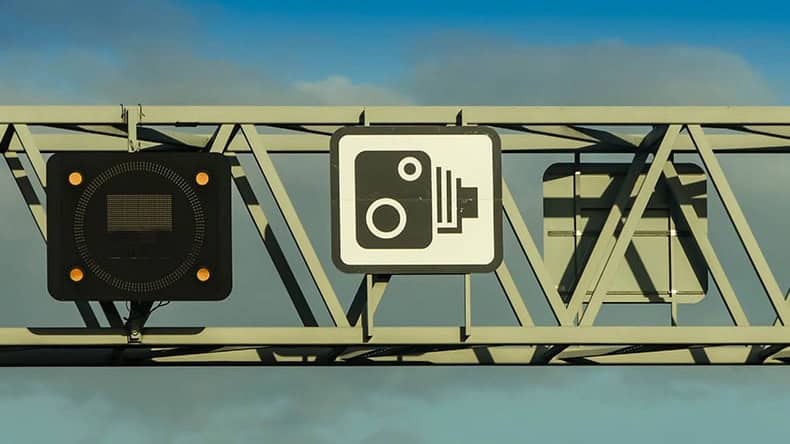
What a Red X Actually Means on the Motorway (and What to Do)
Trending on Motoring Chronicle
Nissan LEAF PCP Deals From £321 a Month for New 76-Plate Cars

Conquer Every Corner in the 2026 Toyota GR Corolla

2027 Toyota Corolla Adds 60th Anniversary Edition, Prices Start at $23,325
Why Staging a Car Crash Could Soon Mean Life in Federal Prison
