Models of the Marque – the 1980s: Rolls-Royce Phantom VI


From its foundation in 1904, Rolls-Royce built rolling chassis, upon which clients commissioned coachwork from an independent coachbuilder. The marque produced its first complete monocoque cars in the 1960s, but continued to offer rolling chassis until the 1980s.
Phantom VI was the last Rolls-Royce to be made available in this form. In line with standard Rolls-Royce practice, established by Sir Henry Royce himself, Phantom VI was born out of the upgrades and enhancements to its predecessor, Phantom V. The accumulated improvements reached the point where Rolls-Royce engineers judged it sufficiently evolved to be worthy of a new designation.
Even so, Phantom VI already felt like something of an anachronism. Phantom V clients had been able to choose coachwork from four great names: H. J. Mulliner, Park Ward, Hoopers and James Young. By 1961, the latter two had closed their doors, while Rolls-Royce had acquired and amalgamated the other two to create its own in-house coachbuilder, known as H. J. Mulliner Park Ward, which would provide the bodies for virtually all Phantom VI motor cars.
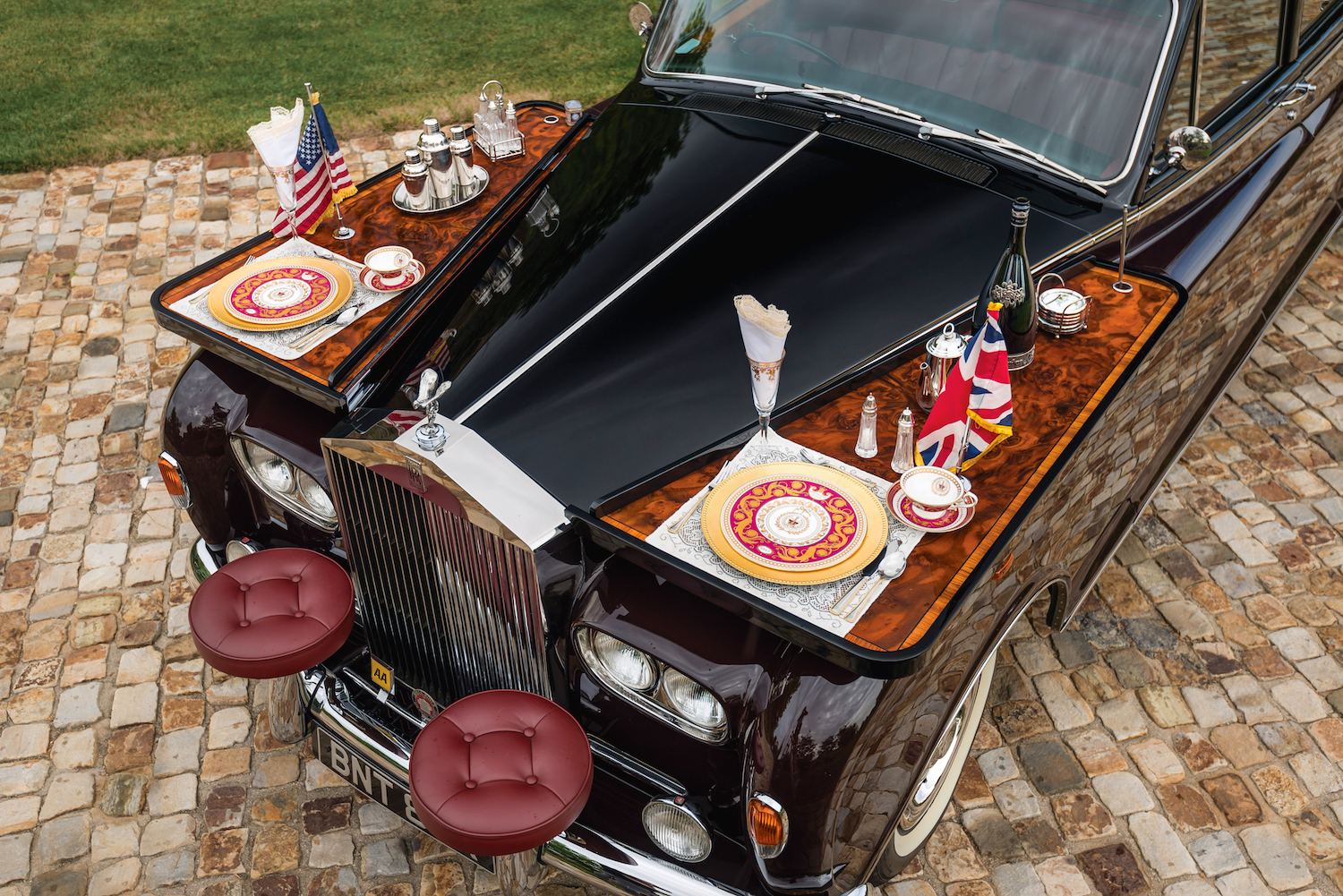
Like all Rolls-Royce models, Phantom VI underwent various changes during its lifecycle, including a more powerful 6.75-litre V8 engine and a modern three-speed automatic gearbox to replace the original four-speed version inherited from the Silver Cloud era. It also had specially engineered brakes, which used the Silver Shadow-style high-pressure hydraulics to operate rams connected to twin master cylinders; the brake drums were designed for improved heat dissipation and more efficient linings.
Changes in safety legislation required front-hinged doors with burst-proof locks, flush interior door handles and a steering column that would collapse upon impact. New crash-testing protocols also meant the prototype Phantom VI chassis, PRH1500, suffered the indignity of being driven into a 100-tonne concrete block at 30mph (48km/h) – a test it passed so effortlessly it was subsequently rebuilt and is still in service as a courtesy car at a Swiss hotel to this day.
Although coachbuilding was by now a niche offer even for Rolls-Royce, Phantom VI provided a fitting ‘last hurrah’ for this longstanding traditional craft. The seven ‘Special Limousines’, codenamed ‘Alpha’, for example, were superficially similar to other Phantom VIs; but close examination revealed wider, chrome-plated window trims and 16” wheels with tyres inflated to 90psi. These modifications were required to accommodate the 5mm thick glass and 7mm of armour plating that rendered the rear passenger compartment both bullet and bomb-proof. No such provision was made for the luckless chauffeur, however.

Phantom VI was also the last truly coachbuilt Rolls-Royce to offer both Sedanca de Ville and Landaulette coachwork. The Landaulette was available opening either to the B-pillar or over the rear seat, the latter variant being the choice of HM Queen Elizabeth The Queen Mother. Her daughter, HM Queen Elizabeth II, owned two Phantom VIs. The first, codenamed ‘Oil Barrel’, had its roof height raised by 13cm (5″) and a Perspex rear cupola that could be quickly covered by a two-piece, black-painted aluminium dome when the occupants required privacy. The second, delivered for the Royal fleet in July 1987, was codenamed ‘Lady Norfolk’ and had a standard roof height. Both remain in service at the Royal Mews today.
Increasing difficulty in obtaining minor chassis and coachwork components manufactured in the Silver Cloud era finally put paid to Phantom VI production. The last iteration commissioned by a client was delivered in May 1991; its 117 bespoke features included a solid silver fruit bowl to sit atop the cabinet behind the division, kept in place by concealed magnets.
In its 23-year lifecycle, just 374 Phantom VIs were built. The very last example to be completed was a Landaulette finished in black over red, with red leather in the front and red velvet in the rear compartment. Rolls-Royce had originally intended to retain the car itself, but recessionary pressures finally persuaded the company to part with it in 1993.
Phantom VI was the last Rolls-Royce model with traditional coachbuilt bodywork. It represented both the pinnacle and the swansong of the traditional coachbuilder’s art, with a purity of line and finesse of detail unequalled until Rolls-Royce embarked on its contemporary coachbuilding renaissance at Goodwood, with ‘Sweptail’, more than two decades later.


Leave a Comment
More in News
West Sussex Council Raises Drivers’ Parking Permits Up to 36 Percent This October
What Your Alternator Warning Light Actually Means (and How Long You Can Keep Driving)
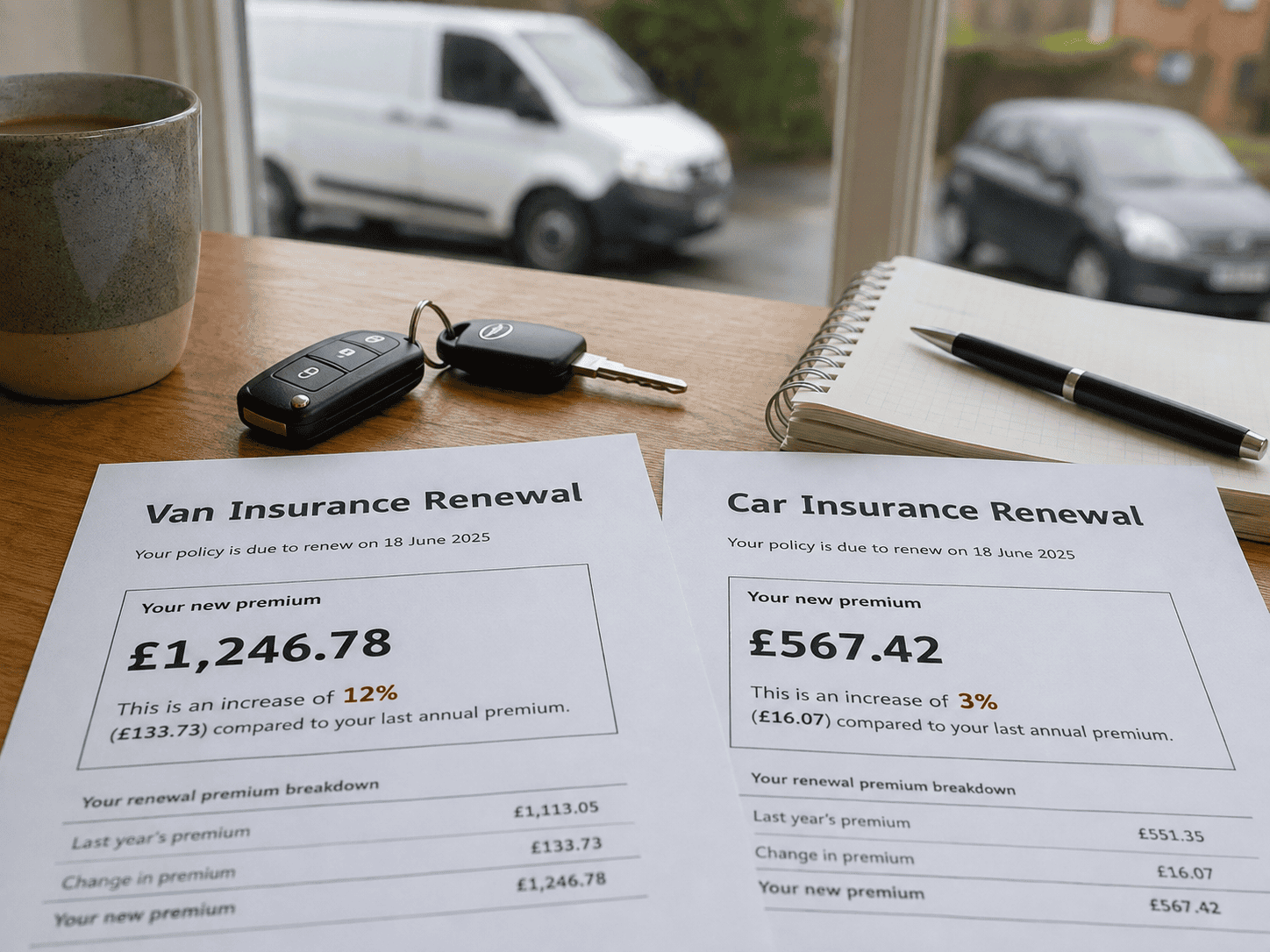
Van Drivers Now Pay £1,767 for Insurance as Consumer Intelligence Reveals a Rise

Why Washington Just Rolled Back Fuel Economy Rules on New Cars

Honda Prelude Gets Limited Edition Colour Scheme for Europe
Trending on Motoring Chronicle

Why Your Steering Wheel Vibrates at Highway Speeds

Brakes, Fuel Pumps and Lane Assist: Three New DVSA Recalls Affecting 40,000 UK Cars

Phantom at 100: Rolls-Royce reflects on places and moments that shaped Phantom’s first century

Police Could Soon Access Your DVLA Driving Data for Any Investigation, Not Just Traffic Stops