
Kia PV5 Passenger Beats Official Range with 260 Miles in Independent EV Test
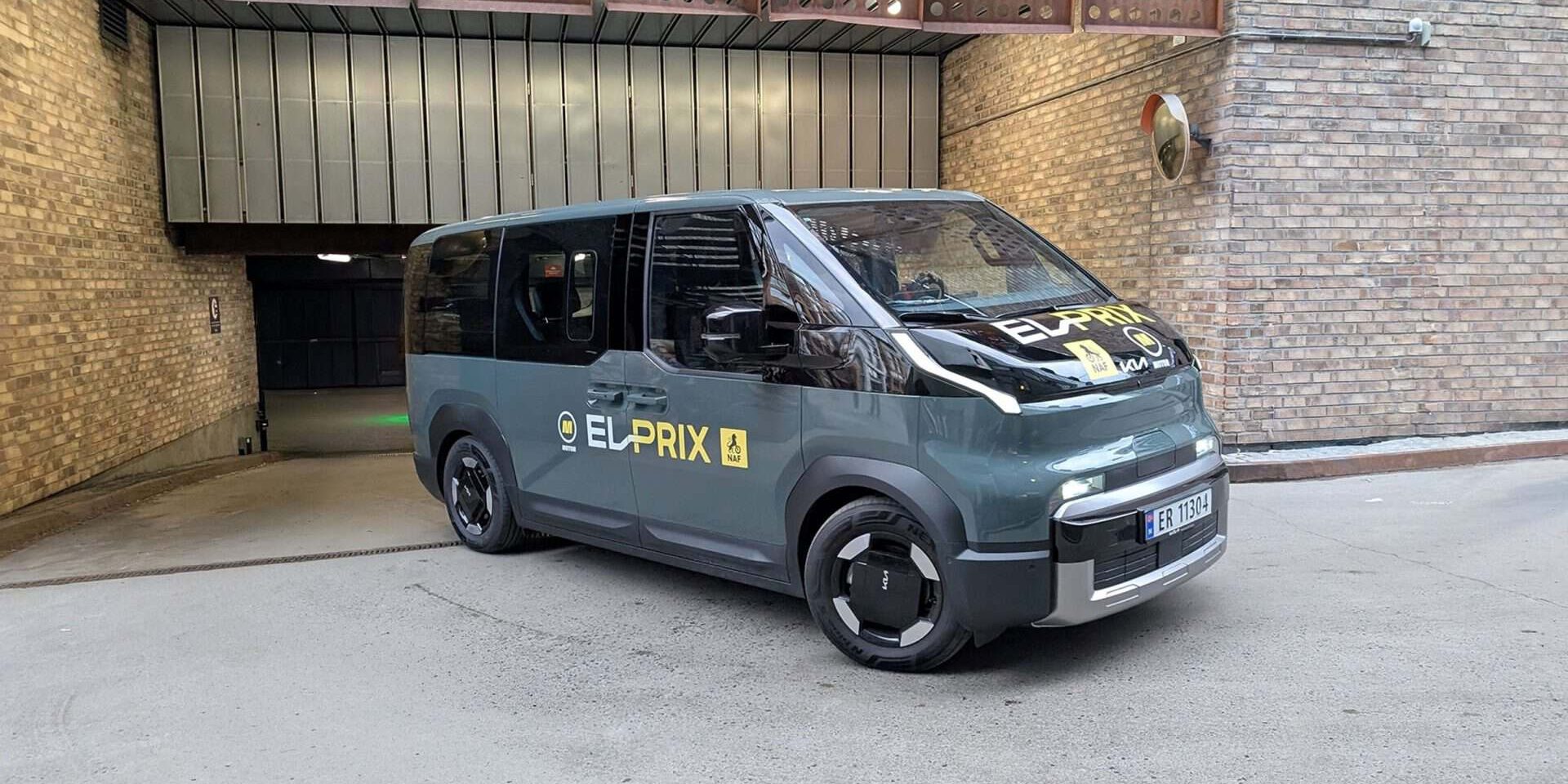
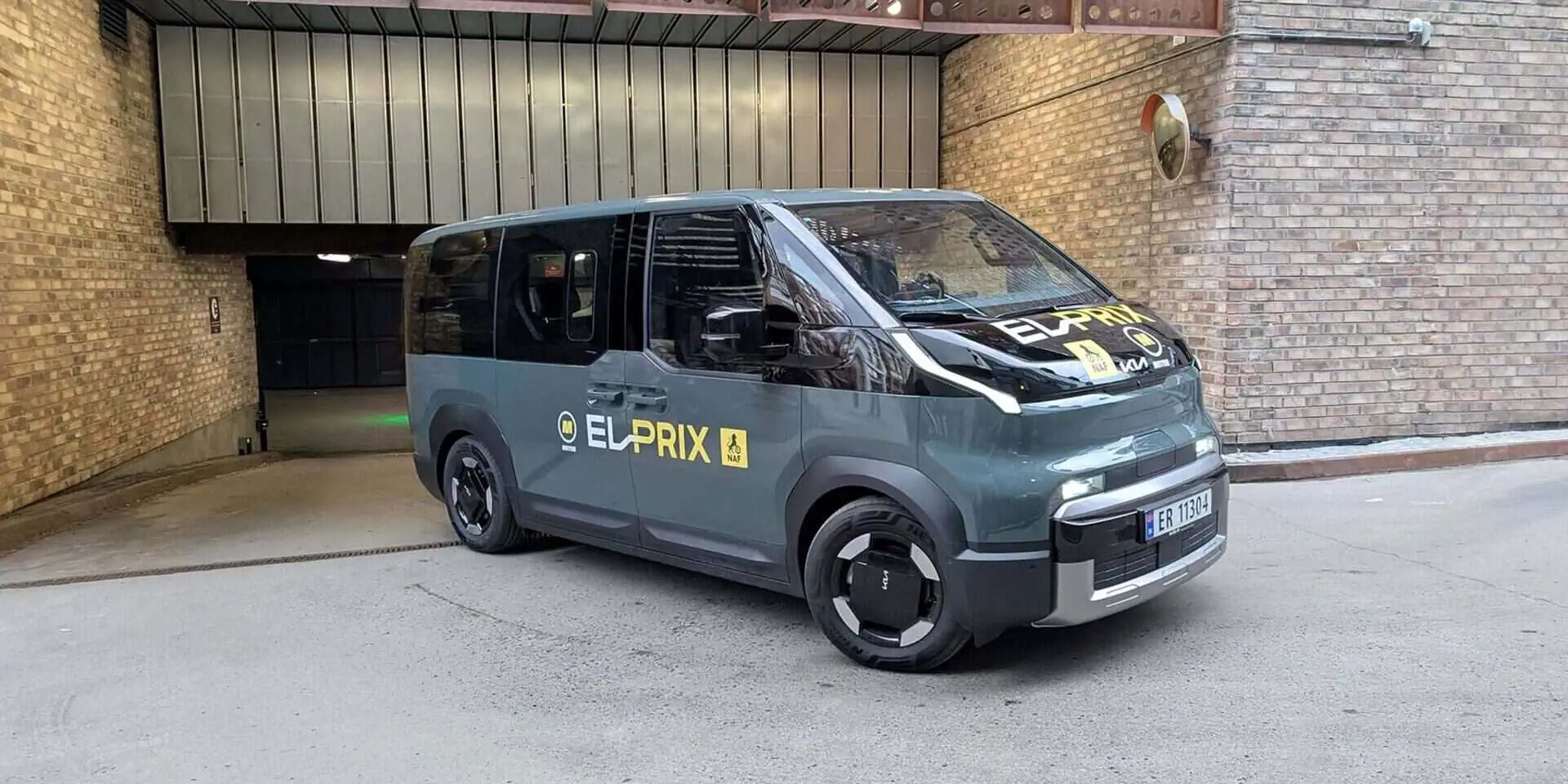
Kia’s new electric people carrier has done something most EVs cannot: it travelled further in independent real-world testing than its official figure promised. At the NAF El Prix Summer Test in Norway, billed as the world’s largest independent electric vehicle assessment, the Kia PV5 Passenger covered 260 miles (420km) on a single charge, beating the 256-mile WLTP rating that appears on its specification sheet.
For buyers who have grown used to electric cars falling short of their claimed range in cold weather or on the motorway, that result is worth paying attention to. The PV5 Passenger, fitted with a 71.2kWh Long Range battery, also returned an average of 4.5 miles per kWh, a figure that points to low running costs for families covering big annual mileages.
A real test, not a lab figure
The NAF El Prix Summer Test is run by the Norwegian Automotive Federation alongside motoring outlet Motor, and it has built a reputation as one of the toughest range checks in the industry. Every car is driven on the same fixed route, on the same day, from a full charge until the battery is flat. Cabin temperature is standardised at 20C so that heating and air conditioning do not skew the numbers. The aim is to give buyers comparable, repeatable data rather than marketing claims.
Against that backdrop, the PV5 Passenger finished among the top five vehicles in the family category for how closely it matched its WLTP rating. Exceeding the official number under those conditions is rare, and it suggests Kia has been conservative with its homologation figures rather than optimistic.
Range, charging and running costs
Range is only half the ownership story. The PV5 Passenger sits on Kia’s E-GMP.S platform and supports 11kW AC charging at home or at the workplace, plus DC rapid charging at up to 150kW. During the Norwegian test, a 10 to 80 per cent top-up took 30 minutes, in line with Kia’s published figure. That consistency is the point: a charging curve that holds up in the real world means drivers can plan longer journeys with confidence rather than guesswork.
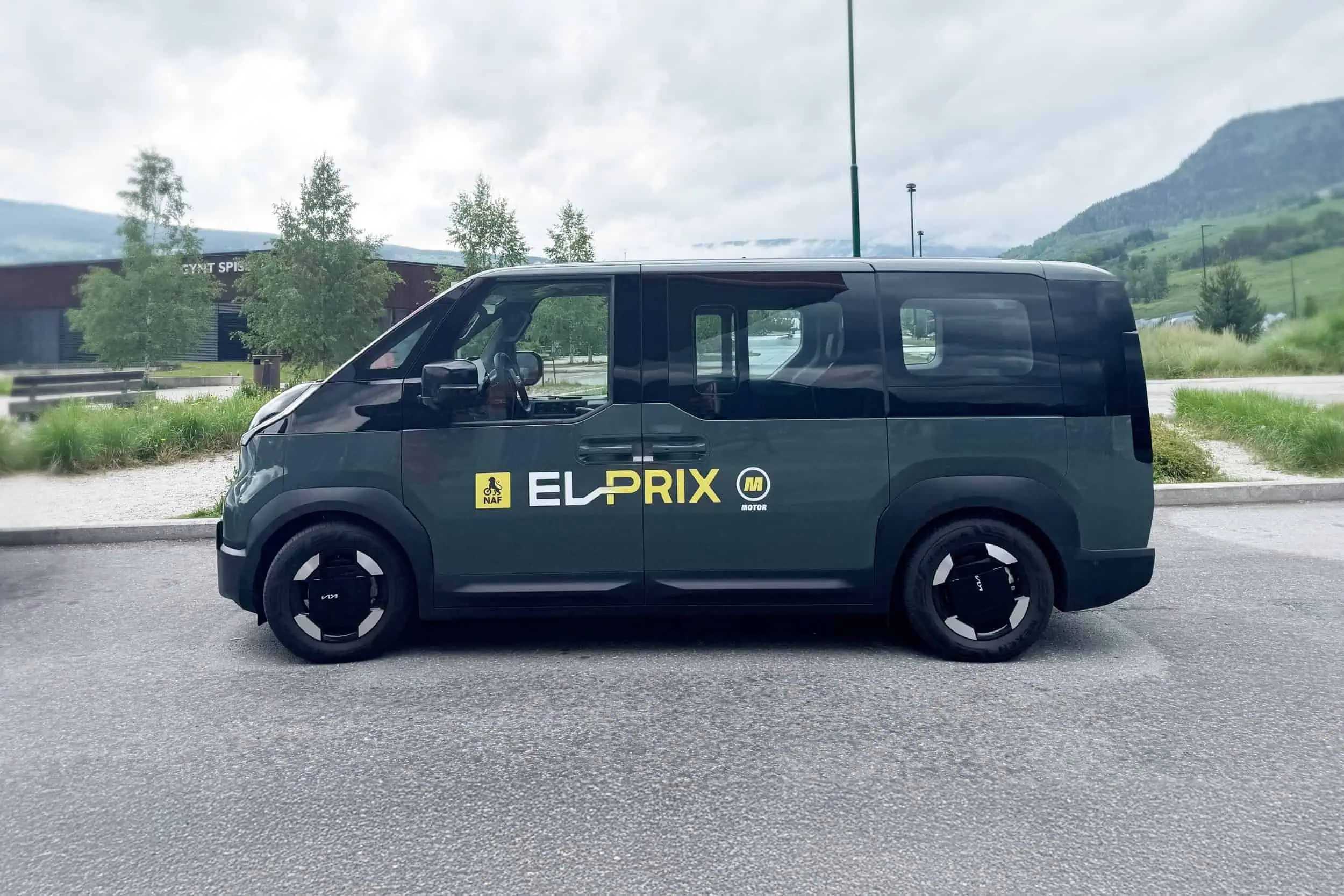
At 4.5 miles per kWh, the PV5 is efficient for a vehicle of its size and shape. On a typical home electricity tariff, that efficiency translates into a low cost per mile, and drivers who can charge overnight on an off-peak rate will see the gap to a petrol or diesel equivalent widen further. Buyers also gain access to the Kia Charge network, which covers more than one million charging points across 27 European countries.
Space and everyday practicality
The PV5 Passenger is built around interior room. Kia points to class-leading cabin space, tight manoeuvrability and strong noise insulation, all helped by the flat floor that the dedicated electric platform allows. The five-seat version comes with a choice of 51.5kWh Standard Range or 71.2kWh Long Range batteries, so families who rarely venture far can save money by choosing the smaller pack, while those who tackle longer trips can opt for the bigger one tested in Norway.
A front-mounted charging port is a small but practical touch, making it easier to reach a charger when loading or unloading at the kerb. The boxy body that helps the PV5 carry people and luggage is also the reason its real-world range holds up so well, since the steady test route rewards efficiency over outright aerodynamics.
How it fits the UK market
Kia describes the PV5 as part of its Platform Beyond Vehicle strategy, a range of electric models designed for both private buyers and businesses. For UK families weighing up an electric MPV or van-based people carrier, the headline is reassurance: a car that delivers the range it advertises, charges as quickly as promised and keeps energy costs down. Erhan Eren, PBV Director at Kia Europe, said the results “confirm the PV5 Passenger meets the demands of everyday family mobility, both in urban use and on longer journeys.”
Full UK pricing and trim details are still to be confirmed, but on the evidence of this independent test, the PV5 Passenger arrives with one of the more honest range claims in its class. In a market where buyers have learned to discount official figures, a car that does the opposite stands out.
Context helps put the result in perspective. Many electric cars lose a chunk of their official range once they meet a cold morning, a motorway cruise or a full load of passengers, and independent tests have repeatedly shown shortfalls of 10 to 20 per cent against WLTP figures. A car that meets or beats its claim under controlled conditions is the exception, and for the PV5 Passenger that is a useful selling point in a segment where buyers carry children, luggage and the occasional bulky load.
The PV5 Passenger also lands in a growing field of electric people carriers. The Volkswagen ID. Buzz has brought style to the class but at a high price, while van-derived models such as the Citroen e-Berlingo and Ford Tourneo offer space for less money but with shorter ranges. Kia’s pitch sits between the two, promising real-world range that has now been independently verified, backed by the long warranty the brand is known for. Buyers waiting for UK pricing will want to see where it slots in, but the range story already gives the PV5 a clear advantage to build on.

Leave a Comment
More in News

HMRC’s Insurance Premium Tax Now Adds £68 to Every Driver’s Car Cover

What a Free DVSA Check Reveals About Recalls on the Car You Already Own
How Insurance Fraud Adds Up to £50 to Every Honest Driver’s Premium
Blue Badge Fraud Cost Taxpayers £34 Million as Wirral Cancels 459 Badges

Why Insurers Are Writing Off Repairable Electric Cars Over £15,000 Battery Bills
Trending on Motoring Chronicle

Smoother Driving Could Save UK Motorists Up to £200 a Year, Experts Say
What the Proposed Eye Test for Over 70s Could Mean for Your Driving Licence

Bentley collector takes delivery of bespoke Le Mans Bentayga to complete a unique stable [Photo Gallery]

Road Tax Is Up, EVs Are No Longer Free And A New Per Mile Charge Is Coming…
