
Hyundai Highlights Electric Car Heatwave Features Like Remote Cooling and Power Outlets


The UK is in the grip of another summer heatwave, and Hyundai has set out the everyday electric car features it says can take the sting out of hot weather driving. From cooling the cabin before you reach the car to running the air conditioning without an engine ticking over, the brand argues that EV owners can sidestep some of the familiar discomforts of a scorching day.
The guidance arrives at a useful moment for drivers weighing up whether to go electric. Rather than abstract talk of range and charging speeds, it focuses on the small daily moments that make summer motoring uncomfortable, and points to features already fitted across much of Hyundai’s electric range. None of it requires a special accessory or a workshop visit. For the most part, these are functions buyers already pay for and may not be using to the full.
Pre-Cooling the Cabin Before You Open the Door
Anyone who has circled a supermarket car park hunting for the single shaded space will recognise Hyundai’s first point. Many electric vehicles, including its own, allow the cabin to be cooled remotely before the driver returns. Using the brand’s smartphone app, owners can start the climate control from inside the shop or the office, so the car is already comfortable by the time they open the door rather than a sweltering box that needs a frantic blast of cold air on the move.
The trick works best when the car is plugged in, because the energy used to cool the cabin comes from the mains rather than the battery, leaving range untouched. Even on battery power the draw is modest for a few minutes of pre-conditioning. It is the kind of feature that sounds like a gimmick until the first 30-degree afternoon, at which point parking in direct sun stops being something to avoid at all costs.
Air Conditioning That Runs Without the Engine
Sitting still in the heat is one of summer’s quiet miseries, whether that means crawling traffic, the school pick-up queue or a wait outside a service station. In a petrol or diesel car, keeping cool while stationary means leaving the engine idling, burning fuel and producing emissions for no forward progress at all. Several local authorities discourage or fine idling outside schools, which adds another layer of awkwardness.
An electric car removes that trade-off. The air conditioning runs from the battery with no engine turning over, so drivers and passengers stay cool without the noise, the fuel cost or the disapproving looks. For parents waiting with children in the back, or anyone facing a long hold-up on a motorway, it is one of the clearest day-to-day advantages of going electric in hot weather.

Battery Thermal Management in Stop-Start Traffic
Drivers used to keeping half an eye on a temperature gauge in a long queue may wonder how an EV copes when the mercury climbs. Hyundai points to the battery thermal management systems built into its electric models, which are designed to regulate the temperature of the high-voltage pack. In practice that means the car works to keep itself within a safe operating window without input from the driver, one less thing to fret about when traffic grinds to a halt on a baking afternoon.
That cooling hardware also helps protect long-term battery health and supports consistent rapid charging in summer, when a hot pack can otherwise slow the process. It is largely invisible technology, but it is part of why a modern EV is more relaxed in extreme heat than the engine-gauge anxiety of older cars might suggest.
Vehicle to Load Power for Days Out
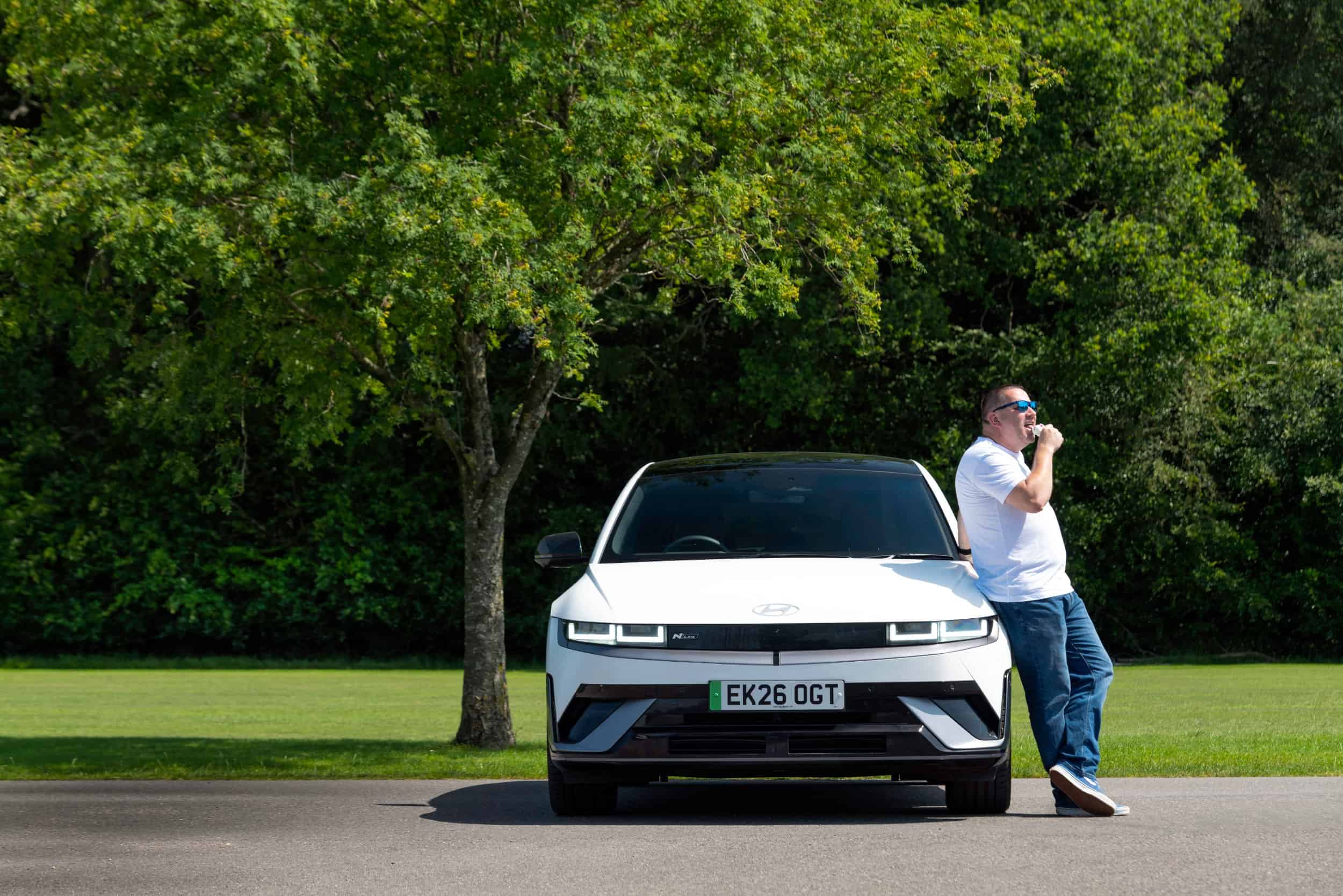
Most people pack water, snacks and sunglasses for a summer trip. Hyundai’s electric models add another option to the list through Vehicle-to-Load technology, which lets the car act as a large mobile power source. Owners can plug in external devices directly, powering a portable fan at a campsite, a cool box at the beach or a phone charger during a long day out. As the brand puts it, V2L can even give an ice cream a fighting chance of surviving the journey home.
The feature has practical uses well beyond summer, from running tools to providing emergency power, but a heatwave is where it earns its keep for many families. Being able to keep food cold or a fan running away from any mains socket turns the car from a way of getting to a day out into part of the day out itself.
Where These Features Sit in Hyundai’s Range
The features Hyundai highlights are spread across an electric line-up that now includes the IONIQ 5, IONIQ 6, KONA Electric and the compact INSTER, alongside hybrid and plug-in hybrid versions of the TUCSON and SANTA FE. For 2026 the range expands again with the performance-focused IONIQ 6 N and the all-new IONIQ 3, broadening the choice for buyers who want these hot-weather conveniences without stepping up to a large SUV.
Ownership cover remains a strong part of the pitch. Each new passenger car comes with Hyundai’s five-year unlimited-mileage warranty, a roadside assistance package, five years of vehicle health checks and a high-voltage battery warranty of eight years or 100,000 miles. Used buyers are covered by the Hyundai Promise Approved Used programme. The brand recorded one of its strongest years in 2025, selling more than 93,100 vehicles for a 4.6 per cent market share, with alternative fuel vehicles accounting for 58 per cent of sales as EV demand grew by more than 10 per cent on the back of the KONA Electric and INSTER.
None of these touches will change the headline figures that dominate the electric car debate, but they speak to the experience of living with one through a British summer. For drivers tired of the parking-shade scramble and the idling-engine guilt, Hyundai’s argument is that the comfort features already built into its EVs do more on a hot day than the spec sheet lets on.

Leave a Comment
More in News

Lexus TZ Six-Seat Electric SUV Priced From £74,895 for Spring 2027

What Every No Claims Protection Buyer Could Lose If Insurer Rules Go

What a Fake Plate Could Cost You in Points and a Seized Car

What a Full Home Charge Costs Electric Car Owners From January
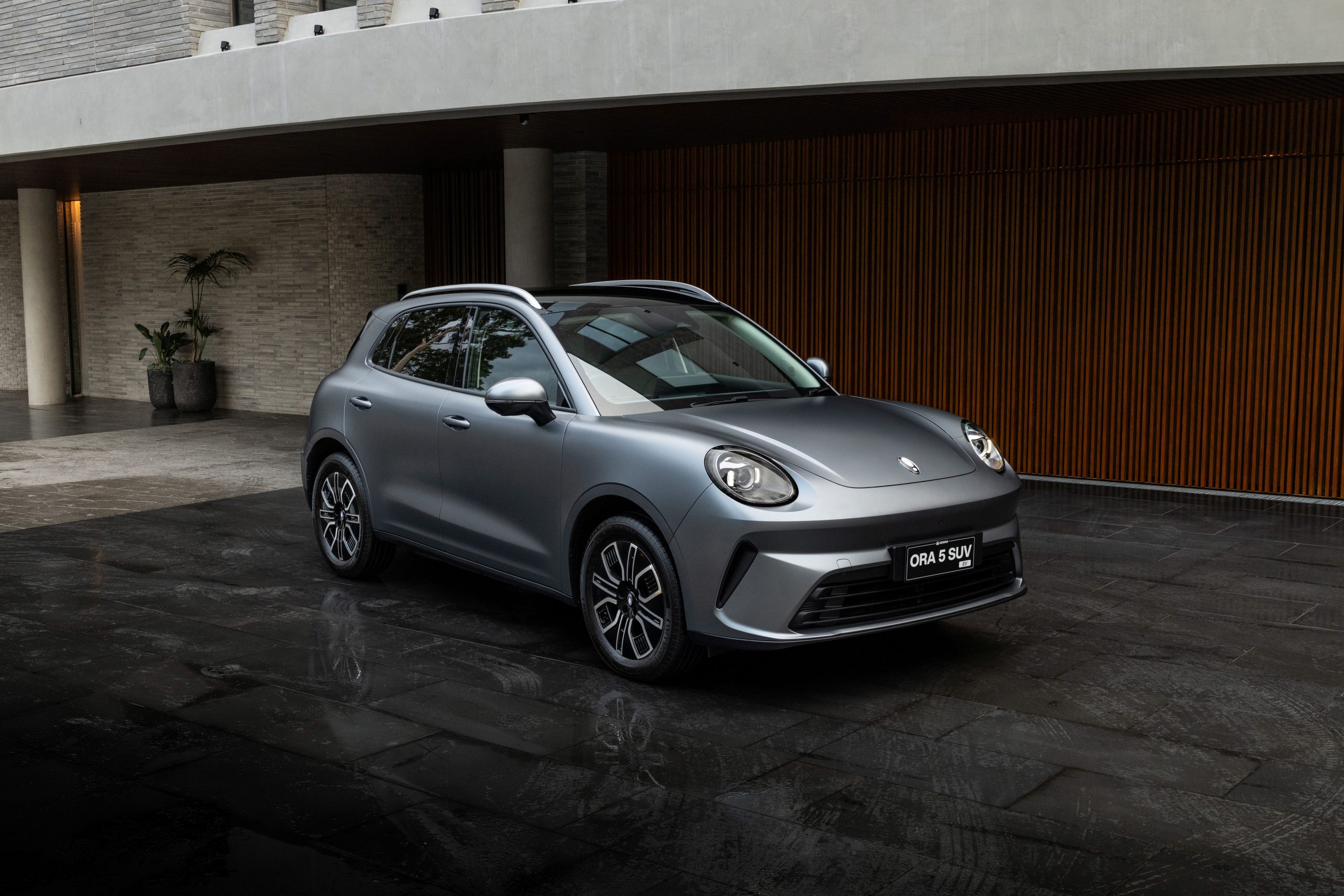
GWM Adds 1,750 ORA 5 SUVs by Year End, From $33,990 Drive-Away
Trending on Motoring Chronicle

How to Keep Your Teen Driver Safe During Summer’s 100 Deadliest Days

Ford Recalls 91,198 F-150 Trucks Over Running Lights That Refuse to Dim
Why Drivers Face £1,000 Fines While 34,000 Number Plate Suppliers Pay Just £40

Dacia Duster Hybrid Returns 79mpg in Real-World Test, 29% Above Its Official Figure
