
How Water Pooling in Nearly 94,000 Range Rovers Could Blind the Backup Camera

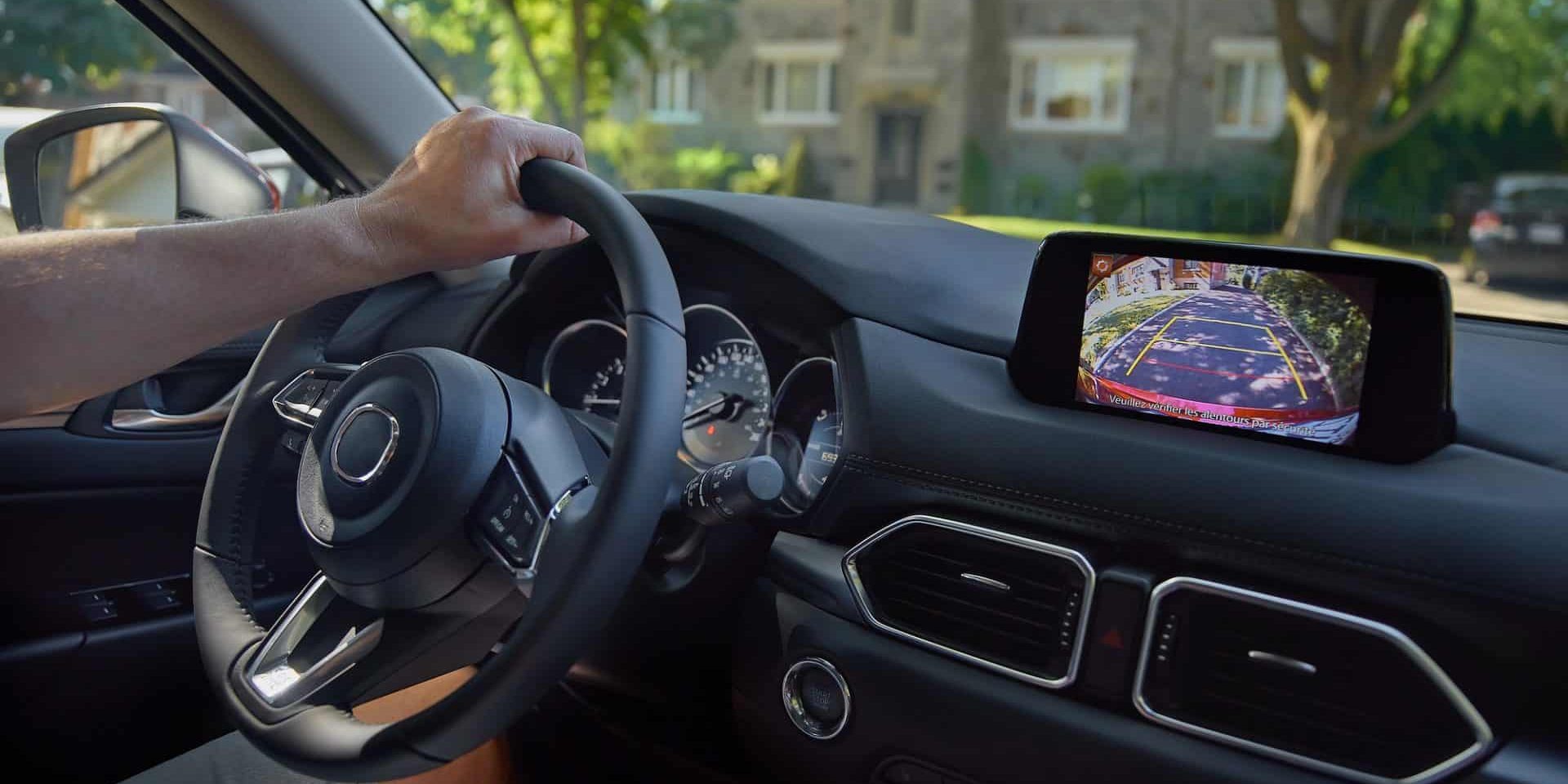
- Jaguar Land Rover is recalling 93,997 Range Rover SUVs from the 2022 through 2026 model years: water pools inside the tailgate and ruins the rearview camera, leaving drivers with a distorted or blank image.
- JLR says drain holes in the tailgate trim do not let enough water and moisture escape, and the company has logged 2,295 US claims and field reports over four years tied to the fault.
- Dealers will drill extra drain holes, test the camera, and replace it if needed, all at no cost, with owner notifications expected by mid-December 2026.
The Drain Holes Were Never Big Enough
Nearly 94,000 Range Rover owners are about to learn their rearview camera has been fighting a losing battle against water for years. Jaguar Land Rover North America filed a recall this week covering 93,997 Range Rover SUVs built for the US market between July 8, 2021, and June 4, 2026, spanning the 2022 through 2026 model years. The cause traces back to a part most owners will never see: the drain holes built into the tailgate trim that houses the rearview camera.
JLR’s filing states plainly that those drain holes are not large enough to let water and moisture escape. Instead, water collects around the camera’s mounting point inside the tailgate. Trapped moisture degrades the camera’s electronics over time, and the failure shows up gradually: an image that looks hazy or distorted at first, then intermittent dropouts, and eventually no rearview display at all when a driver shifts into reverse.
Why a Backup Camera Failure Is a Real Safety Issue
A blank backup camera is not just an inconvenience on a vehicle that has come to rely on it. The Range Rover’s size and rear sightlines make the camera a primary tool for seeing small children, pets, shopping carts, and low obstacles behind the vehicle, and federal rules under Federal Motor Vehicle Safety Standard 111 exist specifically for this reason: rear visibility, unaided, is limited on tall SUVs. JLR’s own filing acknowledges the defect raises the risk of a crash or injury once the camera stops showing a usable image, which is the formal basis for a safety recall rather than a simple quality complaint.
JLR estimates that 100% of the recall population already has the underlying defect, which does not mean every one of the nearly 94,000 trucks has a failed camera today. It means every one of them has the undersized drain holes that will eventually let water in, and the only question for an individual truck is how far along that process has gotten. A truck that is three years old and garaged in a dry climate can show no symptoms yet. A truck that sits outside in a wet climate, or gets washed frequently at a car wash that blasts water into wheel wells and tailgate seams, is a stronger candidate to already be showing problems.
How JLR Found the Pattern
The company’s recall filing cites 2,295 US claims and field reports tied to the camera fault, logged between August 3, 2022, and September 28, 2026, a four-year window that shows the problem building gradually rather than appearing all at once. JLR says its supplier traced returned, failed cameras back to water damage, confirming the root cause rather than leaving it as a guess. The company reports no accidents or injuries connected to the defect to date.
This is not JLR’s first camera-related recall tied to water intrusion. A separate campaign filed in 2024 covered 11,961 fifth-generation Range Rovers built between March 2022 and December 2023, addressing a related water-ingress problem around the same camera housing. The new recall is both broader in scope and newer in the vehicles it covers, suggesting the original engineering fix from 2024 did not fully solve the underlying drainage design across the full production run.
What the Repair Involves
Dealers will drill additional drain holes into the underside of the tailgate trim that houses the camera, giving water an actual path out instead of a path in. After that, a technician checks the camera’s function, and replaces the camera unit itself if it has already suffered water damage. All of this is done at no cost to the owner. JLR’s notification timeline has dealers getting instructions in late October 2026, with owner notification letters expected by December 11, 2026, so there is a real gap between when dealers can start doing the repair and when every owner gets a letter telling them to come in.
That gap is worth knowing about for anyone who wants the fix sooner rather than later. Owners do not have to wait for a letter. Calling a Land Rover dealer directly with a VIN, and asking whether the drain-hole service has been added to the service menu yet, can get a truck in for the repair before the formal owner-notification wave goes out.
What to Do if You Own a Range Rover
Check your 17-digit VIN at nhtsa.gov/recalls, or call the NHTSA Vehicle Safety Hotline at 1-888-327-4236, to confirm whether your specific truck is included. If your rearview camera already shows a hazy, water-spotted, or blank image, do not wait for the formal notification letter. Book a service appointment now and mention the recall specifically. The dealer could need to check inventory for the camera unit before replacing it.
In the meantime, treat a failed backup camera the way drivers managed before the feature existed: use mirrors, turn your head, and back up slowly, especially around driveways, parking lots, and anywhere children or pets might be present. A failed camera does not make the vehicle unsafe to drive outright, unlike a brake or steering defect, but it does remove a safety feature the vehicle was designed and sold with, and drivers should compensate for its absence rather than assume it still works.
The Bigger Pattern in Camera Recalls
Rearview camera failures tied to water intrusion have become a recurring theme across the industry as backup cameras went from an option to a federal requirement on every new vehicle sold in the US starting with the 2018 model year. Packing a camera, its wiring, and its connector into a tailgate or liftgate that also has to seal against rain, car washes, and off-road water crossings is a harder engineering problem than it looks, and JLR is far from the only automaker that has issued a camera recall tied to moisture. For Range Rover owners specifically, the lesson is to treat tailgate seals and drain paths as a maintenance item worth asking a dealer about at every service visit, not just when a recall notice arrives.
Shoppers considering a used Range Rover from the affected model years should ask directly whether this recall repair has been completed, and should test the backup camera themselves on a test drive rather than taking a seller’s word for it. A camera that looks fine on a sunny test drive can still have water sitting in the housing that has not yet caused a visible fault.
Insurance adjusters and used-car appraisers increasingly treat an open safety recall as a factor in a vehicle’s condition report, alongside mileage, accident history, and service records. A Range Rover with an unresolved camera recall is not undrivable and is not grounds for an insurer to deny a claim on its own, but a buyer negotiating price on a used model from these build years has a legitimate reason to ask for a discount or a dealer-arranged repair before closing the deal, the same way a buyer would ask about any other open manufacturer recall.
The repair window is also worth watching for leased Range Rovers headed back to JLR at the end of a lease term. A lessee who turns in a vehicle with a known, unrepaired safety recall could face questions in the inspection process about whether the camera fault contributed to any cosmetic or functional issue noted at turn-in. The recall itself remains JLR’s responsibility to fix at no cost, but scheduling the repair before a scheduled lease return, rather than after, avoids that dispute entirely.
Want more car content? Add us as a preferred source on Google to your favourites list for the best automotive news and analysis on the internet.
If you enjoyed this article, be sure to follow us on Microsoft Start.
Sources:

Leave a Comment
More in News

Why Subaru Is Telling Owners of Brand New Crosstreks and Foresters Not to Drive
Toyota Recalls 105,794 Land Cruiser Hybrids Over Fuel Line Fire Risk
Ford Recalls 102,159 Super Duty and F-150 Trucks Over Faulty Speedometers

Someone Used AI To Turn A Car Creator’s Drag Strip Video Into A Different Woman, And It Should Be Banned
English Councils Banked a Record £1.1 Billion From Every Driver’s Parking Fines Last Year
Trending on Motoring Chronicle
Why 46,000 Hauliers Now Pay Just £1 Road Tax for a Full Year
Company Car Diesel Drivers Can Lose £384 a Year as HMRC Rates Lag Pumps

2027 Toyota Sequoia Adds Trailhunter Package and 14-Inch Touchscreen
Running Out of Road: The 5p Fuel Duty Cut Expires in August and Prices Are Already Climbing
