How to Spot a Flood-Damaged Car Before Hurricane Season Floods the Market
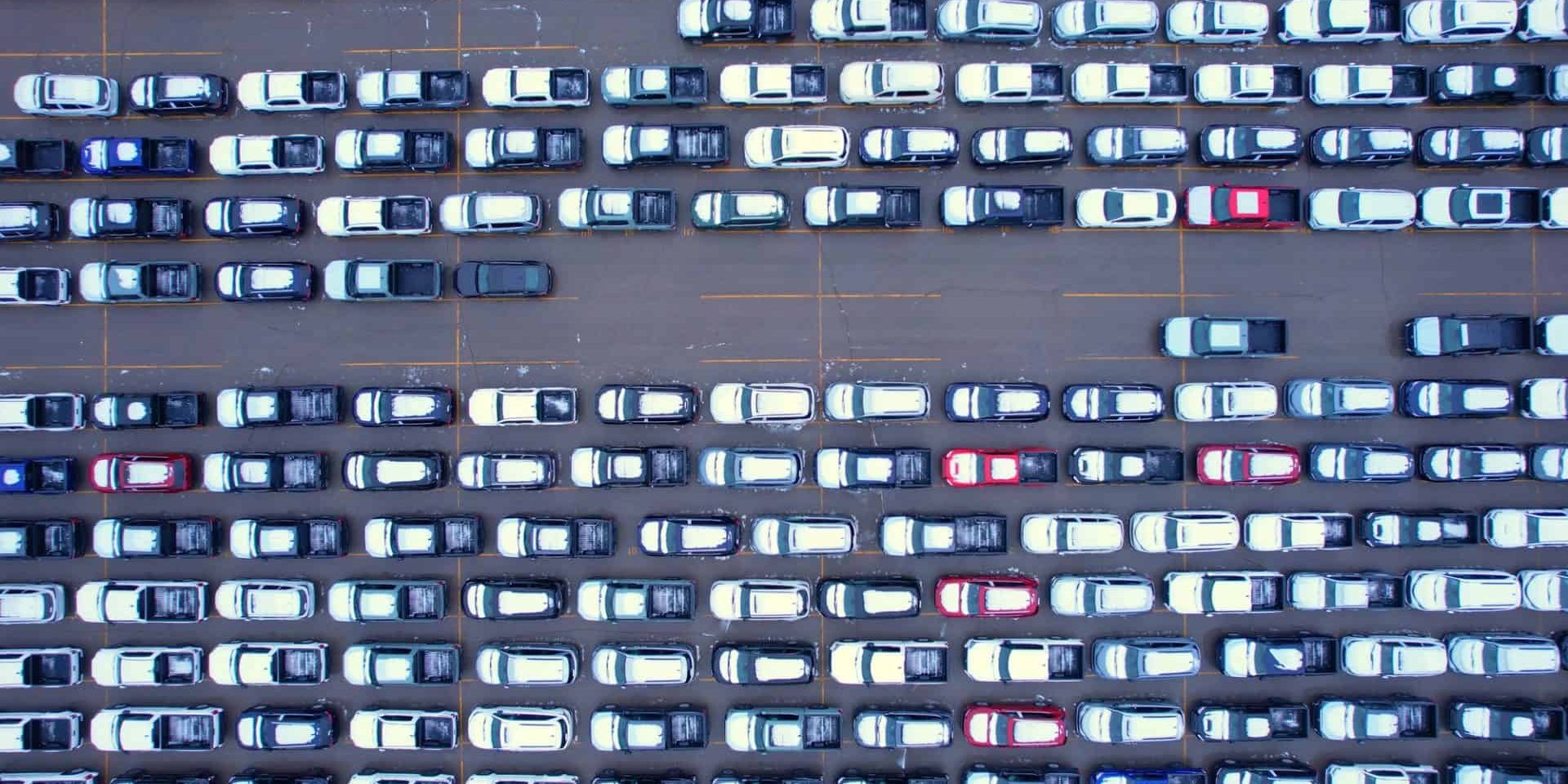
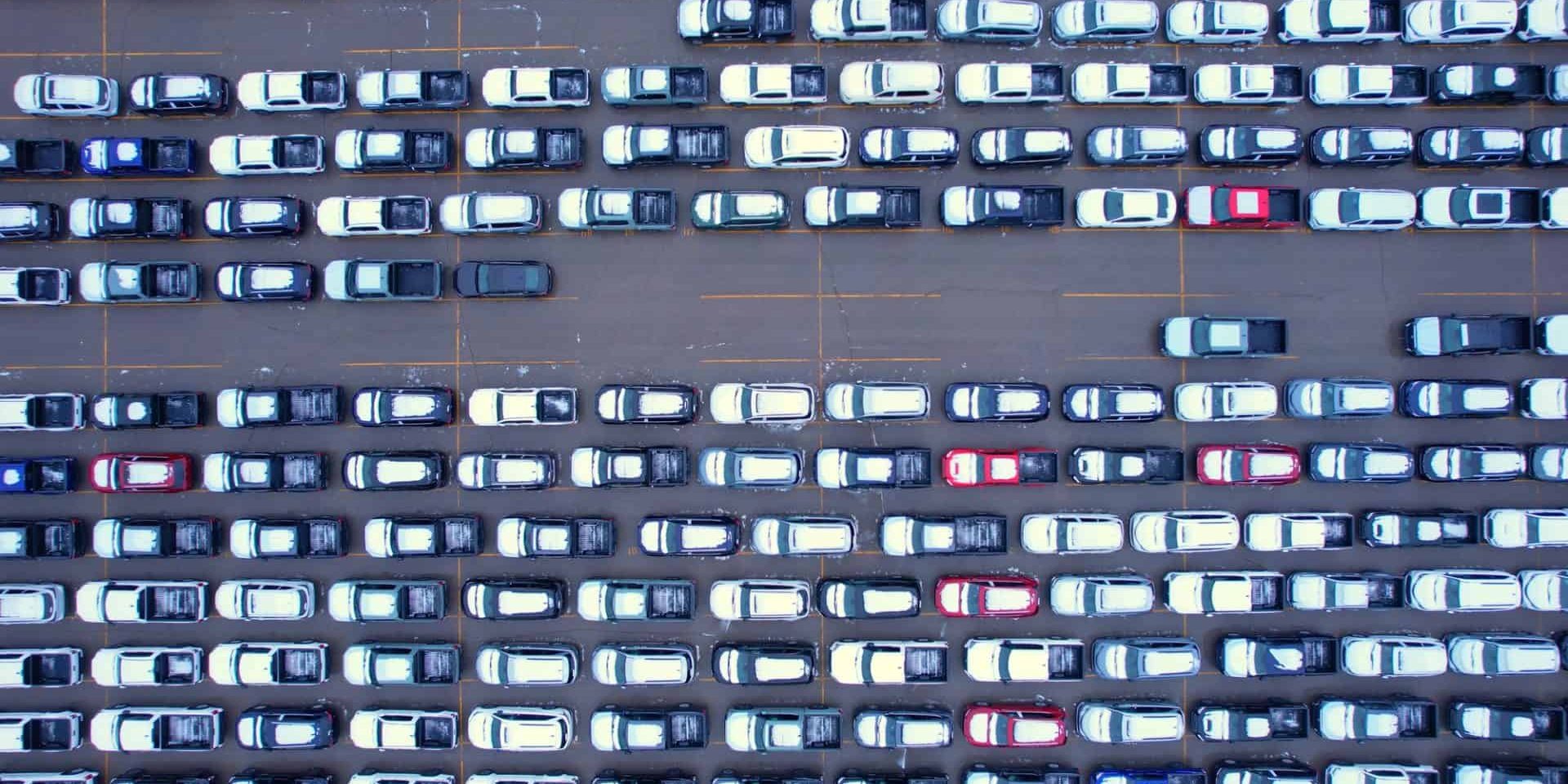
As many as 45,000 vehicles have taken on flood damage from storms in the middle of this year alone, according to new estimates from Carfax, and hurricane season has barely gotten going. Many of those cars are headed for a used car lot near you, often with no mention of the water damage anywhere on the sale sheet.
How many cars we are talking about
Carfax’s mid-year estimate covers flash flooding and heavy rain that swamped thousands of vehicles across Texas, Kentucky and West Virginia between April and July. That number sits on top of a much larger total from last year: Carfax counted 482,000 water-damaged vehicles that returned to US roads in 2025, a figure driven largely by back-to-back storm systems that hit the Gulf Coast and Southeast.
The scale climbs fast in a bad year. Hurricanes Helene and Milton alone damaged more than 250,000 vehicles when they struck Florida within weeks of each other in September and October 2024, and spring and summer storms across the middle of the country added roughly 89,000 more that same year. Florida’s state consumer protection office has reported a fresh increase in flood-damaged vehicles entering its used market in 2026, a pattern officials link directly to that earlier storm activity working its way through resale channels over time.
How a flooded car ends up with a clean title
A car that takes on flood water does not have to carry a visible warning forever. Insurers typically total out a severely flooded vehicle and issue it a salvage or flood-branded title, a designation meant to follow the car for the rest of its life. In practice, that designation gets erased more often than most drivers realize, through a process known as title washing. A seller moves the vehicle to a state with weaker branding rules, or a state that does not check the National Motor Vehicle Title Information System, and re-registers it there. The new title can come back clean, with no mention of flood damage anywhere on the paperwork, on a car that is exactly the same one that sat underwater.
Owners who never filed an insurance claim in the first place create an even harder case to catch. If a car was uninsured, or the owner chose not to report the damage, there is no salvage title to wash in the first place. That vehicle can go straight from a flooded driveway to a private sale or a small used lot with a title that has looked clean from day one.
Why these cars keep breaking down for months
Water does the worst damage to the parts of a car buyers cannot see on a test drive. Electrical connectors, control modules and sensors corrode gradually after exposure to water, especially water carrying road salt or floodwater contaminants, and that corrosion can take weeks or months to cause a noticeable failure. A car can start, drive normally and pass a casual inspection the week it is sold, then develop a stalling engine, flickering dashboard lights or a failed airbag sensor long after the return window has closed and the seller is nowhere to be found.
Mechanical parts hold up somewhat better than electronics, but they are not immune. Water that reaches the transmission, brake lines or fuel system can cause rust and internal wear that surfaces gradually rather than all at once. That slow timeline is part of why flood damage is such an effective scam: the car often works fine long enough for a seller to collect payment and disappear before a buyer connects the dots.
Seven signs a used car spent time underwater
Consumer protection groups and vehicle history services point to a consistent set of warning signs worth checking before signing anything. A musty or heavily perfumed odor inside the cabin, meant to mask mildew, is one of the most common giveaways. Damp or newly replaced carpeting, especially carpet that does not match the rest of the interior’s wear pattern, is another. Rust or corrosion in unusual spots, such as under the dashboard, inside door panels or around seat mounting bolts, points to water exposure that a simple wash would never reach.
Buyers should also check for fog or moisture trapped inside headlight and taillight housings, mud or silt residue in the trunk, glove box or spare tire well, and a fine layer of grit under the hood around wiring harnesses. Electrical quirks noticed in a test drive, such as power windows that move slowly, warning lights that flash without explanation, or a stereo system that cuts in and out, can all point to corrosion working its way through the wiring.
Why state title laws leave the door open
!– wp:paragraph –>Title washing works precisely thanks to how inconsistent state title-branding rules are across the country. Some states brand a title as soon as an insurer declares a vehicle a total loss for water damage. Others only apply a flood brand if the damage crosses a specific dollar threshold relative to the car’s value, and a handful of states have historically had weaker reporting requirements than their neighbors. A seller who understands those gaps can move a vehicle from a state with strict branding to one with looser rules, apply for a new title, and end up with paperwork that shows no history of flood damage at all.
The National Motor Vehicle Title Information System, run by the Department of Justice, exists specifically to close that gap by giving every state access to a shared record of branded titles. The system only works if every state consistently reports into it, and enforcement of that reporting has been uneven. Florida maintains its own public flood car database that shoppers can search directly, a tool other flood-prone states have been slower to build. Shoppers in Texas, Louisiana, Kentucky and West Virginia currently have no equivalent state-run lookup tool, which leaves a national service such as Carfax or the federal title system as the only practical way to check a vehicle’s history before buying.
!– wp:heading –>What to do before you buy a used car this summer
!– wp:paragraph –>Carfax offers a free tool called Flood Check at carfax.com/flood that lets a shopper enter a VIN and get an immediate read on whether that vehicle has any flood history in Carfax’s database. A full vehicle history report from Carfax or a similar service goes further, showing title brands, past registration states, reported accidents and insurance total-loss claims in one place. Neither tool catches every washed title. A report can only reflect what has actually been reported to it, so a clean history report is a good sign, not a guarantee.
A trusted independent mechanic remains the single best line of defense. A pre-purchase inspection that includes lifting the carpet, checking under the dashboard, and testing the electrical system under load can catch flood damage that a paperwork check alone would miss entirely. Shoppers should be especially careful with private sales and small independent lots in or near states that saw major flooding in the past two years, including Florida, Texas, Kentucky, West Virginia and the broader Gulf Coast. That is where washed-title vehicles are most likely to originate before spreading to buyers elsewhere in the country.
What to do right now
- Run any used car’s VIN through Carfax’s free Flood Check tool at carfax.com/flood before you make an offer.
- Pull a full vehicle history report to check for salvage or flood brands, past registration states and total-loss claims.
- Have a trusted mechanic check under the carpet, dashboard and hood for rust, silt or corrosion before you buy.
- Be extra cautious with private sales and small lots in or near states hit by recent flooding, and walk away from any seller who resists a pre-purchase inspection.
!– wp:paragraph –>
Sources:
!– wp:list –>
Leave a Comment
More in News

Home Charging Saves EV Drivers £1,240 a Year Over Diesel, Ofgem Cap Shows

How to Open a Frozen Car Door Without Breaking the Handle or Seal
Diesel Drivers Covering 10,000 Miles Now Pay £2,020 in Fuel, RAC Data Shows

What Your Car Service Actually Includes (and Which One You Need)

How Electric Cars Became Some of Britain’s Most Stolen Vehicles This Year
Trending on Motoring Chronicle
Every Council Can Be Forced to Cut Parking Charges, as York Just Proved

What Happens When You Take An 1,800 HP Hypercar To Minus 30 On A Frozen Lake In Sweden?

A Cardiff Housing Estate Camera Has Fined 20,000 Drivers Over £500,000 in Two Years
Why Any Warning Light on Your Dashboard Will Now Automatically Fail Your MOT