
How New Speed and Red Light Cameras Rolling Out This Summer Work and Where
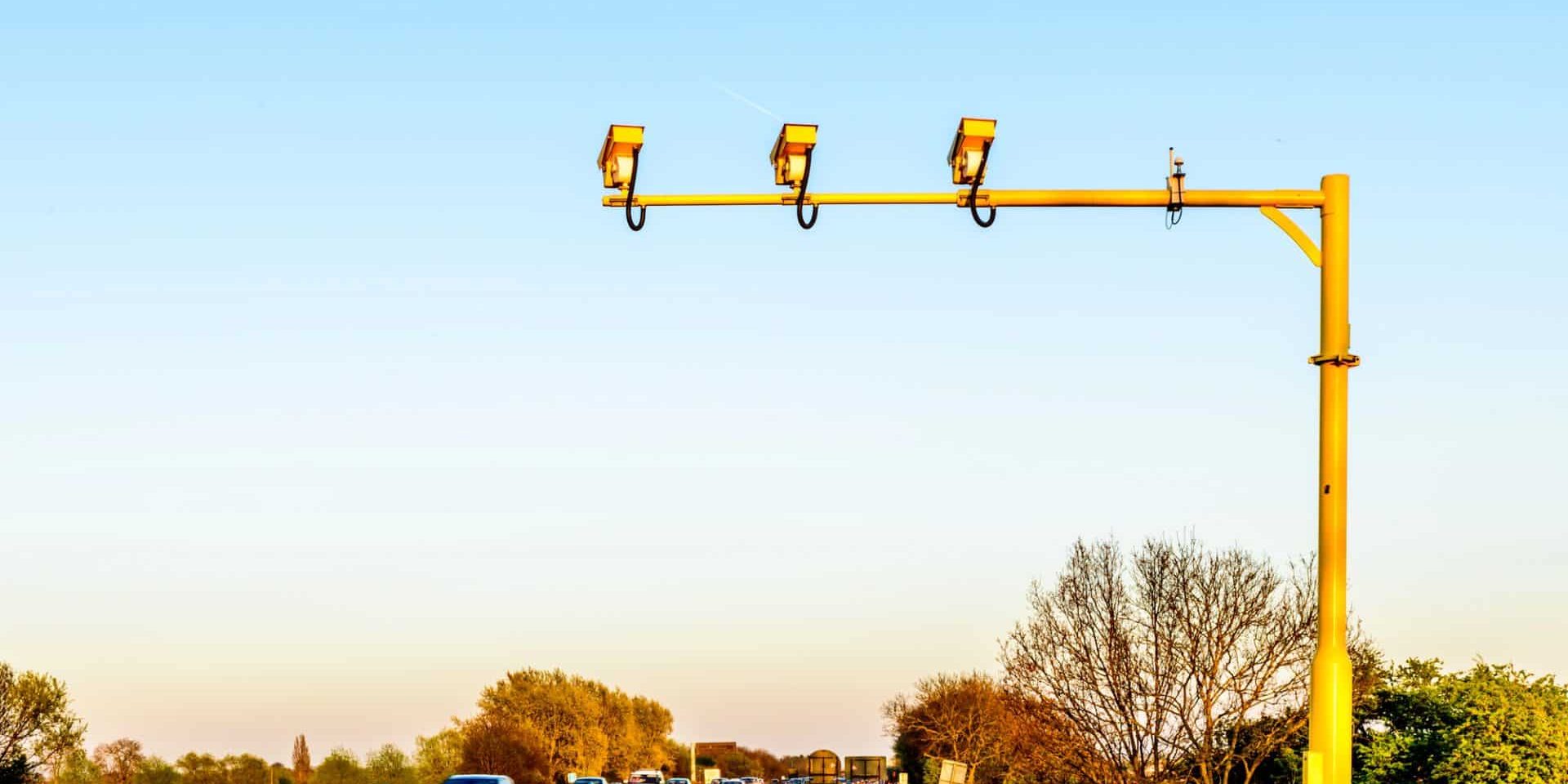
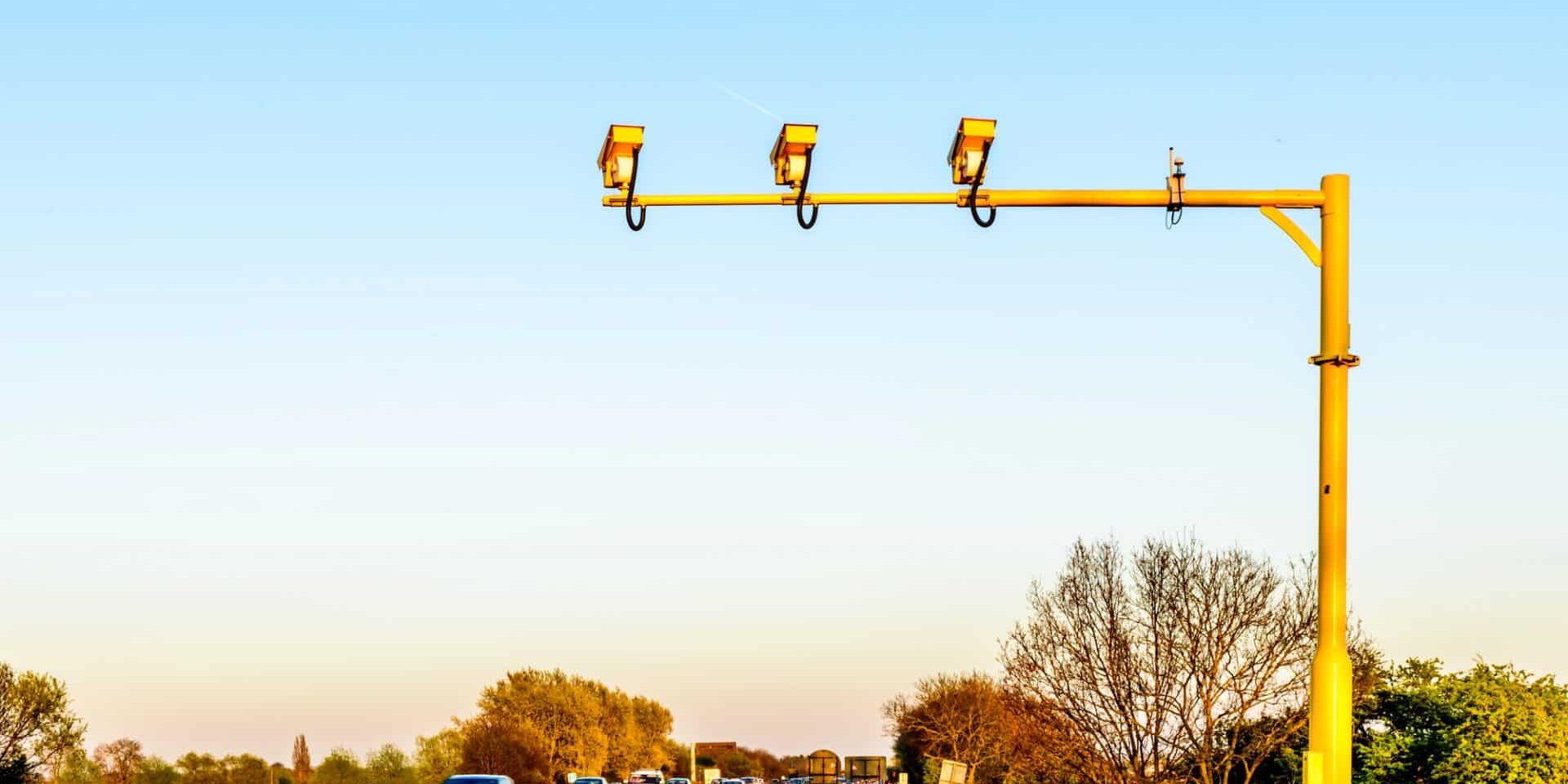
Automated cameras that catch speeding and red light running are spreading across major American cities this summer, and several of the biggest programs reach key milestones in the next few months. Los Angeles is preparing to switch on 125 speed cameras, Pittsburgh is launching red light cameras at its most dangerous intersections, and New York is pouring more than a billion dollars into the largest automated enforcement system in the country. If you drive in any of these places, a ticket can now arrive in the mail with no officer ever pulling you over. Here is how the new programs work, when they start issuing fines, and how to keep the mail from your city out of your mailbox.
Los Angeles Turns On 125 Speed Cameras
Los Angeles is moving ahead with a speed safety camera pilot authorized by California state law AB 645, which for the first time lets a handful of California cities use automated speed enforcement. The city has identified 125 specific locations for the cameras, concentrated on corridors with high rates of pedestrian and traffic deaths. The program is built as a data driven, non police approach, with cameras rather than patrol officers handling routine speed enforcement so that police time can go elsewhere.
The rollout follows a clear timeline. Installation of the camera units is expected across the spring and summer of 2026. The city then runs a 60 day public information campaign to tell residents the cameras are coming, followed by a 60 day warning period in which violators receive a notice but no fine. Only after those phases finish, expected late in 2026, does formal ticketing and fine collection begin. When fines do start, a driver caught at least 11 mph over the posted limit faces a penalty that starts at $50 and rises with speed, reaching as high as $500 for the most extreme cases. Lower income drivers can qualify for reduced fines and payment plans under the state law.
The Warning Period That Comes First
The warning period is the most consumer friendly feature of the new wave of programs, and it is worth understanding so you can use it. During the warning window, the camera is fully operational and capturing violations, but instead of a bill you receive a notice explaining that you were recorded speeding and that fines will begin on a stated date. The point is to change behavior at a new enforcement location before money changes hands, and to give drivers a fair chance to learn where the cameras are.
This pattern is becoming standard. Virginia’s updated camera law, taking effect July 1, 2026, requires any newly installed speed camera to issue warnings rather than fines for its first 30 days. The lesson for drivers is the same everywhere. A warning notice is not junk mail to be tossed. It is a precise map of exactly where a camera now sits and a countdown to when it starts costing you. Treat the first notice as your free pass and adjust your speed on that road from then on.
Pittsburgh and New York Expand Camera Enforcement
The trend is not limited to California. Pittsburgh is partnering with Verra Mobility to launch a red light camera safety program at six high risk intersections, with the system expected to begin operating in the summer of 2026. For a city that has not relied on automated red light enforcement, this is a notable shift, and the six intersections were chosen because of their crash histories rather than scattered at random.
New York is going much further. The city has committed to a billion dollar expansion of its automated traffic safety enforcement program, also working with Verra Mobility, and plans to have red light cameras at 600 intersections by the end of 2026. That makes New York’s network the largest automated enforcement system in the United States by a wide margin. City officials point to data showing that automated enforcement reduces the kind of high speed crashes that injure pedestrians and cyclists, while critics question the revenue incentive and the fairness of mailing fines to a registered owner who may not have been driving. Both arguments are likely to follow these programs as they grow.
Other cities are lining up behind them. In California, additional cities including Oakland are preparing their own AB 645 speed camera systems, and several states are debating bills that would let local governments adopt automated enforcement for the first time. The direction of travel is clear, and drivers in mid sized and large cities should expect more cameras, not fewer, over the next few years.
How Camera Tickets Differ From a Police Stop
A camera citation is usually a civil penalty rather than a criminal traffic ticket, and that distinction changes what it does to you. In many programs, including the new ones, a camera ticket is mailed to the registered owner of the vehicle, does not add points to your driving record, and does not by itself raise your insurance, because no officer witnessed you driving. The fine still has to be paid, and ignoring it can lead to late penalties or collection, but the long term cost to your record and premium is typically lower than a ticket written at the roadside.
That structure also creates a quirk. Because the citation goes to the vehicle’s owner, not the proven driver, you can be billed for a violation committed by a spouse, an adult child, or anyone you lend the car to. Most programs include an appeals process and a way to identify a different driver, so read the notice carefully and follow its instructions if you were not behind the wheel. Keeping your vehicle registration address current helps here too, since a citation mailed to an old address can quietly slide into late penalties before you ever see it.
Whether these programs work is the heart of the debate, and the early evidence is mixed but leans toward fewer serious crashes. Cities that adopt automated enforcement generally report drops in speeding and in the high speed collisions that cause the worst injuries, and New York has pointed to measurable reductions in dangerous driving where its cameras operate. Skeptics counter that the financial incentive to issue tickets can distort where cameras are placed, and that mailing fines to vehicle owners shifts the burden onto whoever holds the registration rather than the person who actually sped. The California law tries to answer the fairness concern with reduced fines and payment plans for lower income drivers, a feature other states are watching closely.
What To Do If You Drive in a Camera City
The defense against camera tickets is not complicated. Slow down on the corridors these programs target, which are almost always known crash and pedestrian heavy streets near schools, parks, and busy commercial strips. In Los Angeles, the 125 locations are public, so a driver who looks them up can know in advance which streets carry a camera. In any city, the posted warning signs are now frequently required by law, so watch for them and treat them as a literal sign to ease off.
If a notice does arrive, do not ignore it. Confirm whether it is a warning or an actual fine, check the date, location, and recorded speed against your memory, and use the appeals process if the details look wrong or if you were not the driver. Keep your registration address up to date so notices reach you on time. And if your city is still in the warning phase, use that grace period for exactly what it is intended for, which is a no cost heads up about where the cameras now live. The cheapest way through the new era of automated enforcement is simply to drive the limit on the streets the cameras watch.
Sources:
- https://www.foxla.com/news/la-speed-camera-locations-approved-2026-guide
- https://www.yahoo.com/news/articles/pittsburgh-launch-red-light-camera-184957782.html
- https://www.smartcitiesdive.com/news/nyc-1b-expansion-red-light-camera-verra-mobility/812177/
- https://www.timeout.com/los-angeles/news/here-is-where-l-a-officials-are-going-to-install-new-speed-cameras-032626

Leave a Comment
More in News

How to Reject a Faulty Used Car Under the 30 Day Rule

Every Driver Faces Animal Strikes as 54% of DfT Injury Collisions Happen in Darkness

2027 Jeep Compass Starts at $31,985 With Standard Adaptive Cruise Control

Kia Boosts 2027 EV9 Torque by 36 Percent as Nightfall Trim Goes Standard

2027 Mazda CX-90 Priced From $39,700 With New Two-Row Model
Trending on Motoring Chronicle

Ford Recalls 177,000 Mustangs, Explorers and Lincolns Over Three Defects

The beginning of a new era: fully electric BMW M models set unrivalled high-performance standards
POPLA Cancelled Nearly Half of 107,000 Parking Fines UK Drivers Challenged

How to Free a Frozen Handbrake (and What a New Cable Costs)
