
Fuel Theft Jumps 62 Percent as Forecourt Drive Offs Push Up Prices Everyone Pays
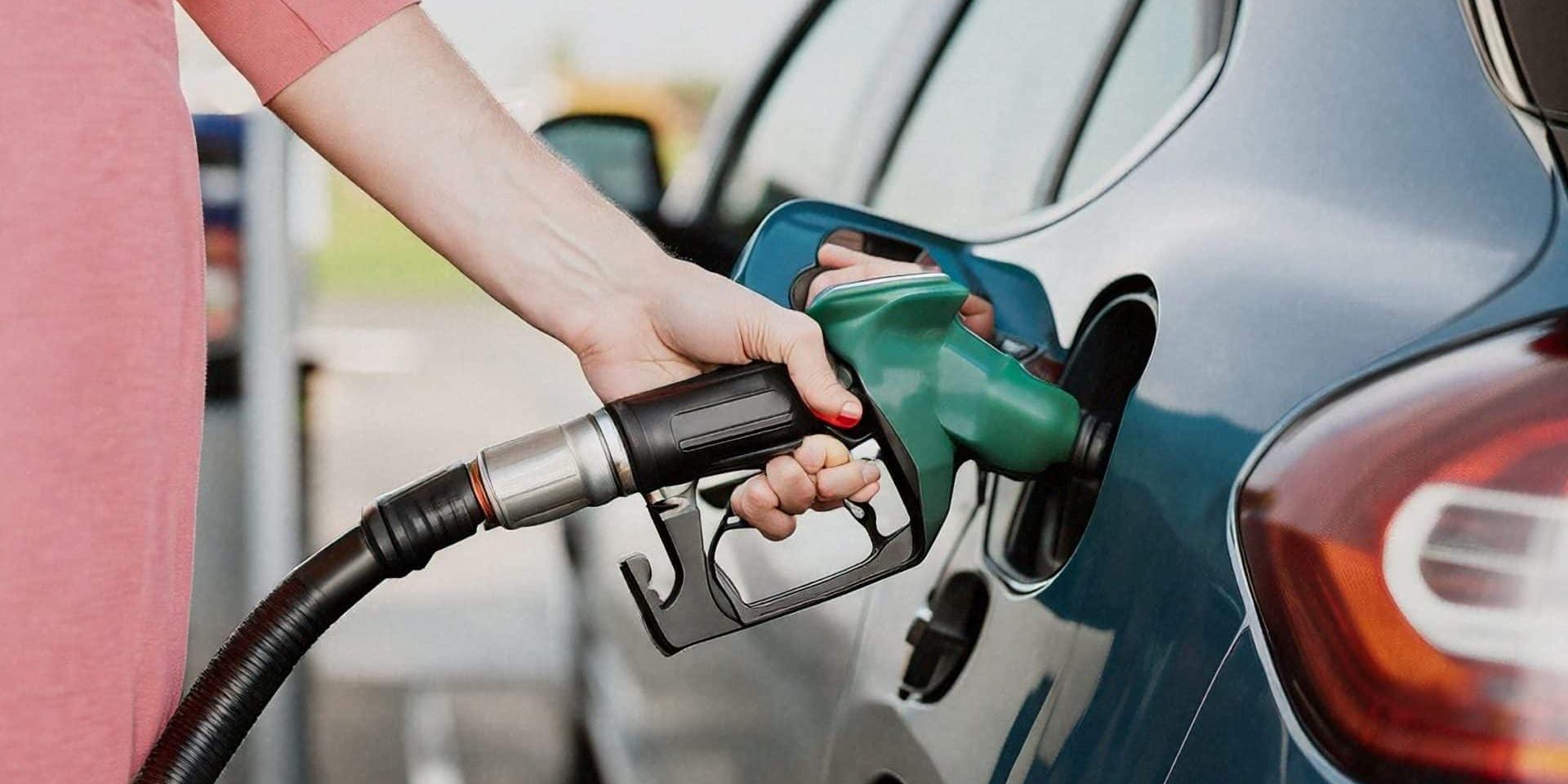
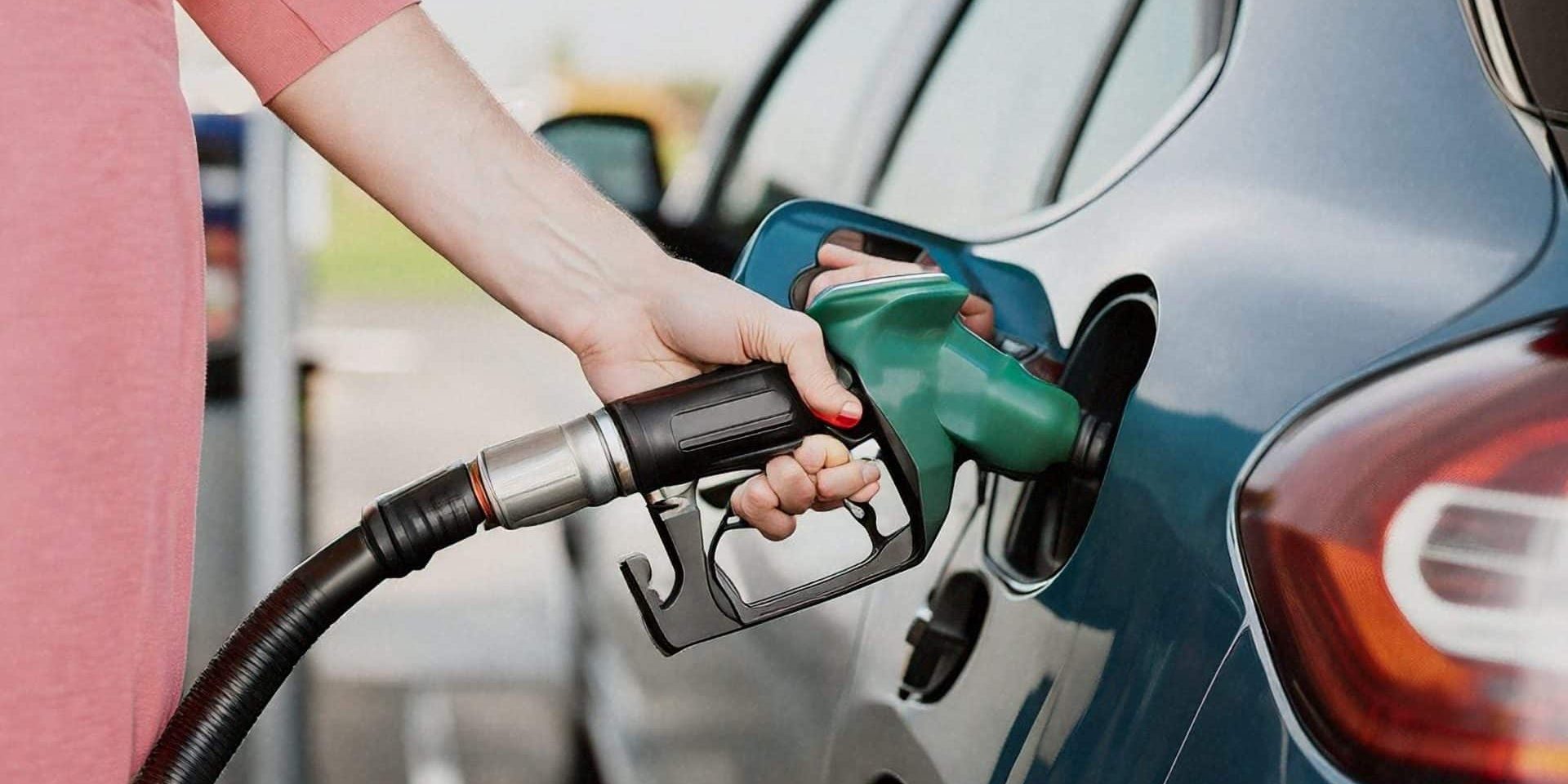
Every time someone drives off a forecourt without paying, the cost does not vanish. It is quietly folded into the price the rest of us pay at the pump. With petrol and diesel sitting near their highest levels in more than three years, fuel theft has surged, and the bill for that crime wave is being shared out across millions of honest drivers who would never dream of pulling the same stunt.
New industry data shows fuel theft has jumped by 62 per cent compared with the same period a year earlier, with forecourts reporting both more incidents and bigger hauls. Campaigners have warned the surge could be costing the forecourt sector more than £100 million a year, and that figure does not stay with the retailers. It works its way back to the people filling up legitimately.
How bad the problem has become
Figures from forecourt monitoring firm Forecourt Eye, reported on 22 May 2026, recorded 11,170 fuel thefts across March and April, up from 9,089 in January and February, a rise of 23 per cent in just two months. The value of the fuel taken climbed even faster. Thieves made off with £764,098 worth of petrol and diesel over March and April, compared with £495,083 in the previous two months, a jump of 54 per cent. A typical forecourt is now losing around 100 litres of fuel every week to people who do not pay.
Separate data from fuel theft recovery company Pay My Fuel, which services around 1,400 forecourts across the UK, found the average weekly rate of drive-offs per site rose from 2.1 a year ago to 3.4 now. The average value stolen per incident jumped by 46 per cent over the same period, as drivers grew more brazen about how much they tried to take. One forecourt owner said drive-offs were costing him £2,000 a week across five different locations.
Why it is happening now
The timing is no accident. Fuel theft has tracked the price of fuel almost exactly. When the conflict in the Middle East pushed oil higher, pump prices followed, and so did the temptation to leave without paying. RAC Fuel Watch put petrol at around 157.57p a litre and diesel at 190.13p as the spike took hold, with petrol briefly peaking above 158p and diesel above 191p, among the dearest prices seen since the aftermath of the invasion of Ukraine. Our own coverage of how pump prices hit a two-year high set out just how steep the climb was.
For context, on 28 February, before the latest spike, motorists were paying an average of 132.83p for unleaded and 142.38p for diesel. A jump of roughly 25p a litre in a matter of weeks turns a routine fill-up into a painful expense, and a small minority of drivers respond by simply not paying. Ian Wolfenden, director of Pay My Fuel, said drive-offs had become “a lot worse” as prices rose. “An average drive-off for one of our customers used to be £56, and now it’s gone up to £67,” he told the BBC. “So if you consider they’re losing nearly £70 every two days, it’s not insignificant.”
The two kinds of forecourt theft
Not every non-payment is the same, and the distinction increasingly decides what happens next. The classic version is the drive-off, often called “bilking”, where a driver fills up and leaves without any attempt to pay. The faster-growing version is the “no means of payment” incident, where the driver fills up, then claims at the till to have forgotten their wallet or card. They leave their details and a promise to return, and a large share never do. Forecourt Eye recorded a 30 per cent rise in no-means-of-payment incidents over March and April, outpacing the rise in traditional drive-offs.
The difference is more than academic. A genuine forgotten wallet, followed by prompt payment, is an honest mistake that most forecourts will accept. A staged one, designed to walk away with free fuel, is theft. Staff cannot always tell the two apart in the moment, which is part of why the tactic has spread.
How it lands on your receipt
Forecourt fuel runs on famously thin margins, often only a few pence a litre once the wholesale cost, duty and VAT are stripped out. A site losing 100 litres a week to theft cannot simply absorb it. The shortfall is recovered the only way a retailer can recover it, by building a little more headroom into the pump price. Multiply that across thousands of forecourts and the result is a hidden surcharge on honest customers, paid in fractions of a penny that add up over millions of litres.
It is the same logic that drives up other motoring costs, where the dishonest few raise the price for everyone else. The most galling part for law-abiding drivers is that they are already paying some of the highest prices in years, and then paying a little extra on top to cover those who refuse to pay at all.
What the law says, and what forecourts are doing about it
Driving off without paying for fuel is a criminal offence. Making off without payment is dealt with under the Theft Act 1978, and a genuine intention never to pay can amount to theft outright. Forecourts are not powerless. Almost all now run automatic number plate recognition cameras that capture every vehicle entering and leaving, and recovery firms such as Pay My Fuel and Forecourt Eye pair that footage with real-time till alarms and an automated DVLA lookup of the registration. Many offer retailers full recovery of the fuel cost, chasing the driver for payment before the matter reaches the police.
For the ordinary motorist, the practical advice is short. If you really do find yourself at the till without a means to pay, ask the staff to log it properly, take the reference and pay the moment you can, because the record sits against your registration either way. Pay at the pump where the option exists, keep your receipt, and check your statement, because the surge in forecourt crime has been matched by a rise in card-skimming and fake payment terminals. Simon Williams, head of policy at the RAC, has suggested drivers are starting to see “light at the end of the tunnel” as wholesale costs ease, but until pump prices fall meaningfully, the incentive that is driving this crime wave, and inflating everyone’s fuel bill, is not going anywhere.
The knock-on effects reach beyond the pump price. Persistent theft pushes up forecourt insurance and security costs, and in the worst cases it tips marginal sites, especially smaller independents and rural stations, towards closure. Fewer forecourts means longer detours and less competition, which tends to raise prices again for the drivers left behind. In parts of the country where stations are already thin on the ground, that is a real worry rather than a distant one.
There is a fairness point that staff feel keenly too. Forecourt workers are often left to challenge a suspected thief, with little protection and no realistic way to stop a car driving away. Industry groups have called for tougher police follow-up on registrations flagged by cameras, arguing that recovery firms can identify the vehicle within seconds but still rely on overstretched forces to act. Until that link tightens, the deterrent stays weak, and the honest majority keeps paying for the dishonest few.
For drivers who simply want to keep their own costs down while prices stay high, the basics still work best. Supermarket forecourts remain among the cheapest on average, fuel-comparison apps will flag the lowest price within a few miles, and a steady right foot cuts consumption more than any gadget. None of that removes the theft loaded into the headline price, but it claws back more than the few pence that crime adds. The faster pump prices fall, the faster the incentive behind this surge fades.
Sources:
- https://www.gbnews.com/lifestyle/cars/fuel-theft-surge-petrol-diesel-prices
- https://www.talkingretail.com/news/industry-news/fuel-theft-from-forecourts-rises-sharply-as-prices-increase-22-05-2026/
- https://www.rac.co.uk/drive/advice/fuel-watch/

Leave a Comment
More in News

How to Reject a Faulty Used Car Under the 30 Day Rule

Every Driver Faces Animal Strikes as 54% of DfT Injury Collisions Happen in Darkness

2027 Jeep Compass Starts at $31,985 With Standard Adaptive Cruise Control

2027 Mazda CX-90 Priced From $39,700 With New Two-Row Model

What You Need to Drive Abroad From the UK (and What It Costs)
Trending on Motoring Chronicle

Motability Drivers Face 20 Percent VAT and a New Insurance Tax From 1 July

Why Dozens of Waymo Robotaxis Got Stuck and Towed in San Francisco’s July 4th Gridlock

Every UK Driver Risks a £1,000 Fine Over These Common Winter Driving Myths

New Jersey E-Bike Riders Face a July 19 Registration Deadline
![Andrea Caldarelli pushes the new Lamborghini Temerario to the limit [Photo Gallery]](https://spcdn.shortpixel.ai/spio/ret_img,q_cdnize,to_webp,s_webp/motoringchronicle.com/wp-content/uploads/2025/04/659952-scaled.jpg)