
Electric Cars Cost 42 Percent More to Insure Than Gas Models, New Data Shows
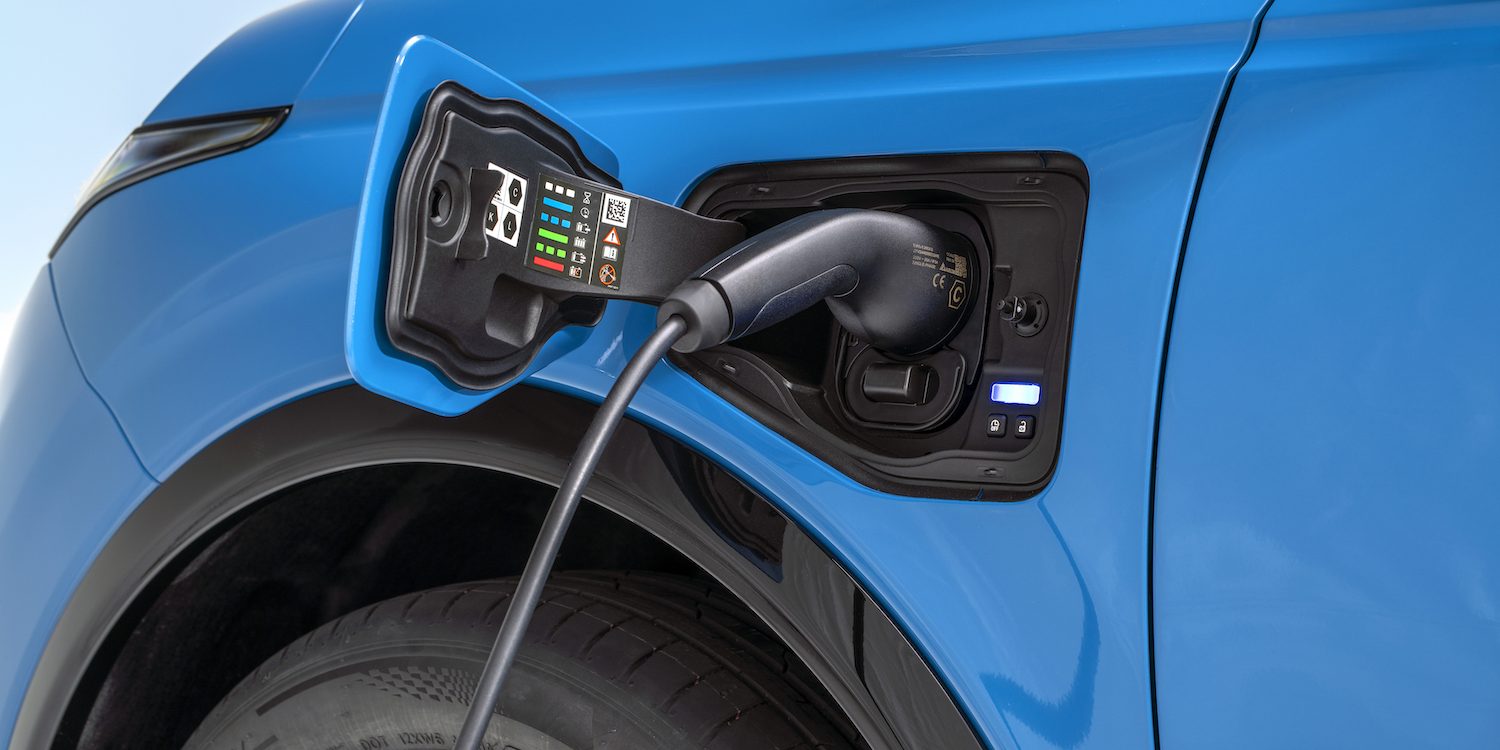
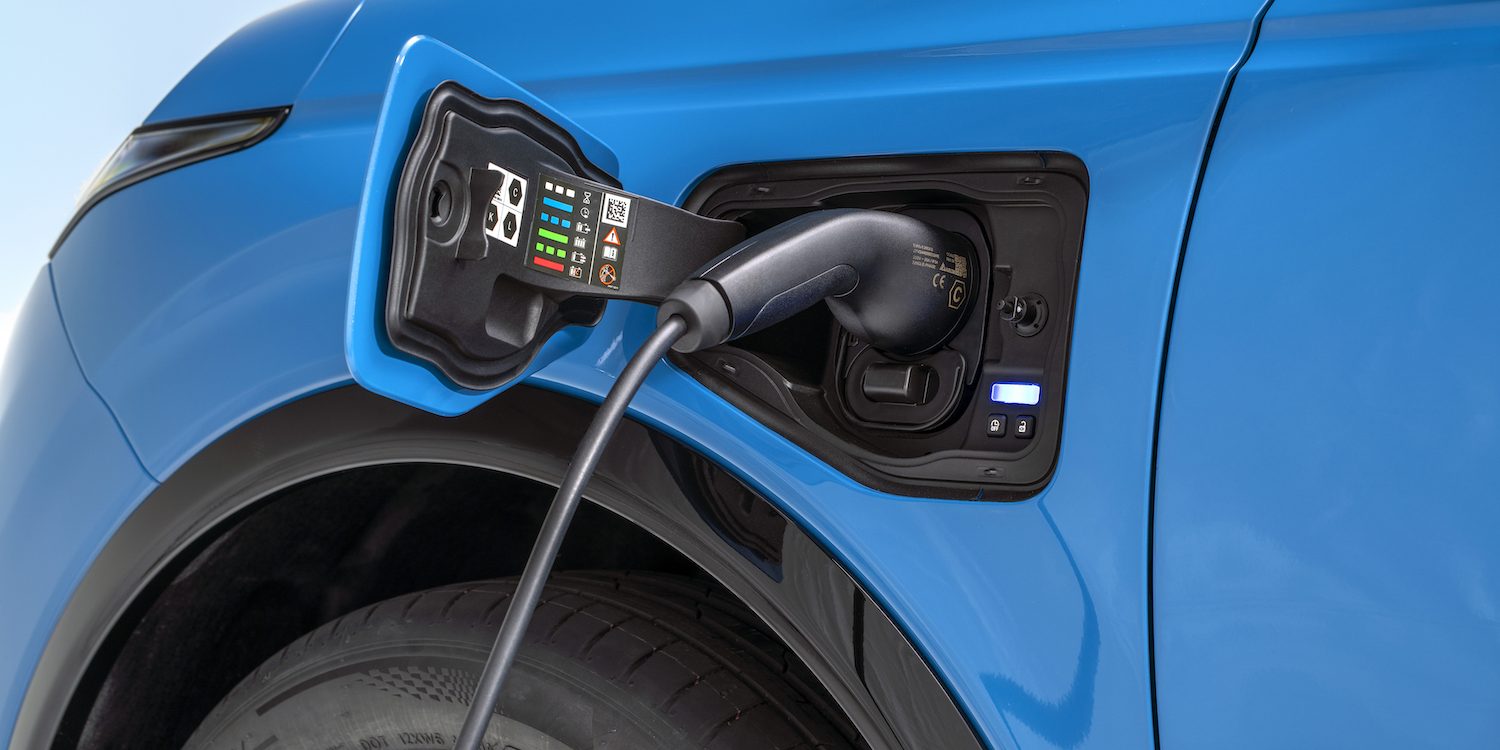
If an electric car is on your shopping list this summer, build a bigger insurance line into your budget before you sign anything. A new analysis from Insurify, drawn from more than 235 million auto insurance quotes, finds that the average full coverage policy on an electric vehicle now runs $3,159 a year, against $2,218 a year for a comparable gas car. That is a 42 percent gap, or roughly $941 more every year, close to $78 a month, on top of the sticker price, the charging hardware and the higher registration fees many states now levy on EVs.
The number stings, but it comes with an asterisk that works in buyers’ favor. The penalty is far smaller on newer cars. For model year 2024 and later EVs, the gap shrinks to about 18 percent, a sign that the cost difference is fading as the technology and the repair networks around it mature. Knowing why the gap exists, where it is closing and how to push your own premium down is the difference between overpaying for years and locking in a rate you can live with.
Why electric cars cost more to insure
The single biggest driver is the cost to repair an EV after a crash. Electric cars carry expensive parts, dense electronics and arrays of cameras and sensors built into bumpers and panels, all of which are pricey to replace and slow to recalibrate. Body shops need specialized training and equipment to work on high voltage systems, which lengthens repair times and raises labor bills. Insurers price all of that into the premium, because every claim costs them more to settle.
The battery pack magnifies the problem. It is the most valuable component in the car, and even moderate damage to it can be enough for an insurer to declare the whole vehicle a total loss rather than risk repairing a compromised pack. A scrape that would be a simple bumper job on a gas car can turn into a five figure claim if sensors and battery housing are involved. That tendency toward write-offs pushes claim costs higher and feeds straight back into premiums.
Theft economics play a part as well. The same expensive battery modules, control units and catalytic-free drivetrains that are costly to repair are also valuable to thieves and parts strippers, and replacement components can be back-ordered for weeks, extending the time a car sits in the shop on a rental the insurer is paying for. Where an EV model has a track record of break-ins or component theft, insurers fold that risk into the part of your premium that covers theft and damage outside of a collision, the coverage that sits separate from collision claims.
The cars themselves add to the bill. Many EVs cost more to buy than equivalent gas models, so there is more value for an insurer to protect. They are heavier, thanks to the battery, which can mean more damage to whatever they hit, and their instant torque makes them quick off the line in a way that correlates with more frequent claims. Stack all of that together and the actuarial math lands on a higher number.
Why the gap is shrinking
The 18 percent figure for newer EVs points to a market that is catching up. As more electric cars reach the road, insurers have far more claims history to price against, which strips out the guesswork that inflated early premiums. More body shops are now certified to repair EVs, parts supply has improved and competition among insurers for EV customers has grown.
Safety technology is helping too. Newer EVs ship with standard driver assistance features such as automatic emergency braking, blind spot monitoring and lane keeping, and broad adoption of these systems across recent model years is narrowing the cost gap between electric and gas cars. The clear pattern from the data is that buyers who choose a current model year EV, rather than an early example from several years ago, face a much smaller insurance premium than the headline 42 percent suggests. It is one more reason a lightly used recent EV, or a new one, can pencil out better than an older bargain once insurance is in the math.
Where you live changes the bill
National averages hide enormous state to state swings. Full coverage in the most expensive states can cost two to three times what drivers pay in the cheapest ones, driven by local repair costs, accident and theft rates, weather risk, litigation patterns and state insurance rules. Maryland has ranked among the priciest states for car insurance in 2026, while many drivers in the Midwest and Mountain West pay far less for the same coverage. A handful of states, including California, Hawaii, Massachusetts and Michigan, restrict or bar insurers from using credit history to set rates, which changes who pays more and who pays less.
It also pays to weigh insurance against the rest of the ownership picture rather than in isolation. EV drivers typically spend far less on fuel and routine maintenance, with no oil changes and fewer moving parts to wear out, and many states still offer perks such as carpool lane access. A higher premium can be partly or fully offset by those savings, but only if you go in with eyes open and price the policy before you commit, rather than discovering the number after the car is in your driveway.
How to cut your EV insurance bill
Shop the quote before you buy the car. Rates vary enormously between insurers and between states, so get full coverage quotes on the exact EV you are considering, not a rough estimate, and compare at least three or four companies. The spread on the same car can run into hundreds of dollars a year. Treat the cheapest quote as a benchmark, then ask your current insurer to match it.
Once you have a policy, pull the standard levers. Raising your deductible lowers your premium if you can cover the higher out of pocket cost after a claim. Bundling your auto and home or renters policies usually earns a discount, and many insurers run usage-based or telematics programs that reward low mileage and smooth driving, which can suit EV owners who mostly do short local trips. Ask specifically about any electric vehicle discount, since several insurers list one.
Think about the policy structure as well as the price. Because EVs can depreciate quickly, gap insurance is worth a look if you finance or lease, so you are not left owing more than a totaled car is worth. Maintaining good credit where your state allows insurers to use it, keeping your annual mileage honest and accurate, and avoiding tickets and at fault claims all feed into a lower rate over time. And factor insurance into the model decision itself, because two EVs with similar prices can carry very different premiums depending on repair costs and theft rates.
Match your coverage to the car’s value
One lever owners often miss is the coverage level itself. Full coverage bundles collision protection and theft-and-weather protection on top of the liability your state requires, and it is usually worth carrying on a newer EV, especially one with a loan or lease, where the lender will demand it. But on an older electric car you own outright, the cost of full coverage can outweigh what you would ever recover, since payouts are capped at the car’s depreciated value. Once an EV’s market value drops far enough, dropping that physical damage protection and running liability only can cut your premium sharply. Run the math each renewal: if your annual full coverage premium plus your deductible is creeping toward the car’s resale value, it may be time to scale back.
Whatever you decide, revisit the policy at least once a year rather than letting it auto-renew. Premiums move as your car ages, as insurers gather more EV claims data and as new discounts appear, and the company that was cheapest when you bought the car may not be cheapest two years later. A 30 minute round of fresh quotes is one of the highest value uses of your time as an EV owner, and it is the surest way to keep that 42 percent penalty from quietly becoming permanent.
Sources:
- https://insurify.com/car-insurance/report/electric-vehicle-insurance-costs/
- https://news.dealershipguy.com/p/evs-cost-42-more-to-insure-than-gas-vehicles-insurify-finds
- https://www.cbtnews.com/evs-cost-42-more-to-insure
- https://insideevs.com/news/797585/ev-ownership-insurance-price-expensive/

Leave a Comment
More in News

Why Some Electric Car Chargers Cost 33p More Per Unit Than Others, Zapmap Finds

Crown Courts Jailed Two Gangs for Stealing 65 Cars Worth £600,000 in Relay Attacks

What to Do If Your Car Aquaplanes (and How Tyre Tread Affects Risk)

Motorpoint Finds Diesel Drivers Face £515 More a Year in Fuel, Doncaster Hit Hardest

Why Your Car’s Stop-Start System Stops Working (and What a New Battery Costs)
Trending on Motoring Chronicle

Carfax Finds 4.7 Million US Cars Still Carry Unrepaired Takata Airbags
The 10 Least Reliable Used Cars In The UK Have An Average Repair Bill Of £2,051. Five Of Them Are Land Rovers

Ford Tells Bronco Sport and Maverick Owners to Stop Driving Over a Suspension Defect
Croydon Drivers Fined by Unlawful LTNs Can Now Claim Refunds Online
