
New York Bans Heated Seat Subscriptions From Feb. 27, With Fines Up to $250


- New York Governor Kathy Hochul signed S.9348A/A.10411A on Nov. 23, barring automakers and dealers from selling subscriptions for features that run on hardware already in the car and cost nothing to keep running.
- The law takes effect Feb. 27, 2027, and carries a civil penalty of up to $250 per point of sale for each violation.
- Updates to route-guidance systems, satellite radio, in-vehicle Wi-Fi, telematics, roadside assistance and driver assistance features are exempt.
Your Heated Seats Are Already in the Car, So Why Pay Monthly to Switch Them On?
Think of a winter morning in Buffalo, a hypothetical. The seat heater is built into the cushion, wired to the dash, yet a menu screen asks for a monthly payment before it will warm up. A separate explainer covers what heated seats and steering wheels drain from a car’s electrical system. New York has now told carmakers and dealers to stop selling that arrangement. Governor Kathy Hochul signed bill S.9348A/A.10411A on Monday, Nov. 23, 2026, and the governor’s office gives Feb. 27, 2027 as the day the ban starts.
The statute adds section 198-d to the state’s General Business Law under the title “Vehicle feature subscriptions.” It bars a manufacturer, a dealer, or an agent of either from offering a buyer or lessee a subscription for a vehicle feature when two conditions both hold. The feature runs on components and hardware already installed in the vehicle when the consumer bought or leased it. And once activated, it would work without ongoing cost to, or support by, the dealer, the manufacturer or any third-party service provider.
The penalty is a civil one. A company that breaks the rule is assessed up to $250 per point of sale for each violation, and the state’s Department of State has the power to write regulations that put the section into effect and enforce it. The text sets a ceiling, not a fixed fine, so the actual amount in any case is not fixed by the statute.
What the Law Covers and Who Counts as a Consumer
The bill defines a “consumer” as the purchaser or lessee of a motor vehicle, other than someone buying for resale. A “motor vehicle feature” is any convenience or safety function included on the vehicle, and the definition names heated seats as its example, a feature that is typically offered to a buyer as an upgrade at the time of purchase or lease. A “subscription service” is anything provided in exchange for a recurring payment, whether weekly, monthly or annual.
One carve-out in that definition protects the way most people already pay for a car. The monthly payment on a retail installment contract or a lease is not a subscription service under the bill. Your loan or lease payment stays outside the law; only a recurring charge for a feature falls inside it.
The governor’s office says the law answers a growing habit among car companies: billing owners to unlock built-in extras, naming heated seats, upgraded route guidance, hands-free driving and entertainment options as examples that cost the maker or dealer nothing to keep running. That list is the governor’s description of the practice. The bill text sets the legal test, and the text exempts several of those categories, which the next section walks through.
State Sen. James Skoufis, who supported the bill, tied the law to a specific winter scenario in his statement:
“People ought to know they’re able to use their already-installed remote start or heated seats during the winter without a monthly subscription. This new law will simply and clearly prohibit car manufacturers from ripping off New Yorkers who already paid for vehicle features when they purchased their car. It’s a common sense law and I’m grateful for the Governor and Assemblymember Magnarelli for their partnership enacting this legislation.”
Remote start does not appear by name in the bill text, which lists heated seats as its example. Whether a particular remote start offer falls inside the law depends on the two-part test above, and the text exempts any connected service that relies on a cellular or other data network to keep working.
What the Law Leaves Out
Section 198-d lists what it does not reach. The statute leaves alone updates to route-guidance systems, infotainment, satellite radio, in-vehicle Wi-Fi, telematics, roadside assistance, and driver assistance or automation functions that depend on software. It also leaves alone any connected service that needs a cellular or other data network to keep running.
The common thread in that list is a cost that continues after the sale. Satellite radio needs a broadcast feed. Wi-Fi and telematics need a data connection. Roadside assistance needs a dispatch network. Map and route updates need data to be produced and delivered. A company paying to keep a service running has a reason to bill for it, and the New York test is built around the opposite case: a function that, once switched on, costs the company nothing more.
Driver assistance sits in the exempt column too, while the governor’s office names hands-free driving among its examples of the practice. The bill text controls what is legally covered, so a subscription for a software-dependent driver assistance feature is outside section 198-d as written.
The law also protects software updates. It does not prohibit a dealer or manufacturer from providing one. It adds a limit on the fee: a company cannot charge for a software update that fixes a safety-related defect and that must be provided at no cost under the federal provision the bill cites, Section 573.6 of Title 49. If a defect fix is owed free under federal rules, New York says the owner cannot be billed for the download.
Who Pushed It and What They Said
Assemblymember William B. Magnarelli sponsored the bill, introduced March 3, 2026, and later amended. Its Senate version is S.9348A. Magnarelli said:
“I thank Governor Hochul for recognizing the importance of this legislation, particularly as technology continues to evolve at a rapid pace. This law will help protect New Yorkers from unfair fees and ensure consumers aren’t paying extra for features already built into their vehicles.”
Governor Hochul tied the signing to household costs:
“New Yorkers are already struggling with rising prices due to Trump’s affordability crisis, and we’re not going to let harmful business practices increase the cost of living even more,” Governor Hochul said. “People spending their hard-earned money on a car shouldn’t have to fork over even more money for features that should automatically come with the car. My message to car companies is clear: this kind of deceptive business model isn’t going to fly in New York State. Keep your hands out of New Yorkers’ wallets.”
Attorney General Letitia James tied the measure to her office’s record on car-buying fees:
“No one should have to pay recurring fees just to use features in a car they already bought. My office has secured millions of dollars for New Yorkers throughout the state who were charged illegal junk fees when purchasing a car. Unfair fees are fueling rising costs, and I am proud to work with Governor Hochul and the legislature to bring costs down.”
The governor’s office lists the law among its cost-of-living measures and says she also signed an earlier law that makes businesses warn customers before a renewal or price change and explain how to cancel. The two laws work at different points: one governs notice and cancellation for subscriptions that are allowed, the other removes a category of subscription from sale.
The law is not a blanket ban on vehicle subscription services. Features that need ongoing support, and the exempt categories above, can still be sold on a subscription.
What It Means Before and After Feb. 27
The ban does not apply today. The governor’s office puts the start at Feb. 27, 2027, and the bill text addresses what a company is allowed to offer a consumer after that date. The bill does not say what happens to a subscription a driver already holds, so a current subscriber should not assume a refund or an automatic cancellation. The text also does not set a price for anything; none of the sources gives a typical monthly fee, so no dollar saving can be calculated from them.
The section also reaches leases. The definition of consumer includes a lessee, so a New York leaseholder is protected the same way as an owner.
Enforcement runs through the state. The penalty is assessed against the manufacturer, dealer or agent, and the Department of State has the power to write the rules that carry the section out. The bill authorizes those rules to be adopted on or before the effective date, so the agency has until then to publish them.
What to Do Now
Check what the screen is actually asking you to pay for. Ask whether the feature uses hardware already in the car, such as a seat heater or a steering wheel heater, and whether it would keep working after activation without the company providing anything further. If both answers are yes, the offer falls inside section 198-d once the law is in effect. If the feature needs a data connection, a map feed, a radio signal or a driver assistance system, it is on the exempt list.
Keep paperwork. After Feb. 27, hold on to the window sticker or lease agreement, the feature menu screen, the dealer’s offer sheet and any receipt for a recurring charge. The statute counts violations per point of sale, so a record of where and when the offer was made is the useful detail. The same habit helps with hidden dealer fees the FTC flagged at 97 dealers.
Ask in writing. A buyer shopping for a car before the effective date can request that the dealer state in the contract which features carry a recurring fee and which do not. Compare what the sales sheet lists with what the infotainment screen asks for after delivery. California went after dealer charges by name in its new car-buying law on junk fees, a useful comparison for what a written fee list can do.
Watch for the state’s rules. The text puts rule-making in the hands of the Department of State and names no complaint process, so check the Department’s website and the attorney general’s office for guidance before Feb. 27 if a dealer or manufacturer asks for a monthly fee on a feature you believe is covered.
Drivers outside New York are not covered. This is a state law with a state penalty, and nothing in the text extends it past New York sales and leases.
Want more car content? Add us as a preferred source on Google to your favourites list for the best automotive news and analysis on the internet.
If you enjoyed this article, be sure to follow us on Microsoft Start.
Sources
Reviewed by Preetam Gadekar

Leave a Comment
More in News

Onslow County NC Bus Cameras Mail $400 Fines From Dec. 1, No Warnings

Woman pays for UberXL in Los Angeles. Then she sees what kind of car shows up: ‘I’m not paying for that’
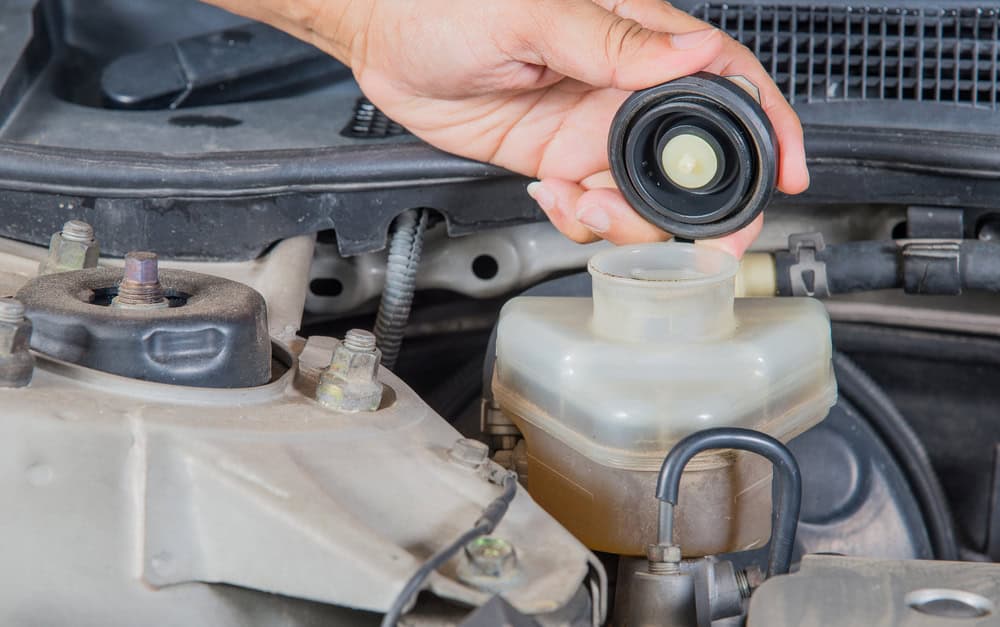
Louisiana Ends Most Inspection Stickers Jan. 1 and Caps New VIN Fee at $6

Falls Church Red-Light Cameras Now Carry $50 Fines, No Court Costs
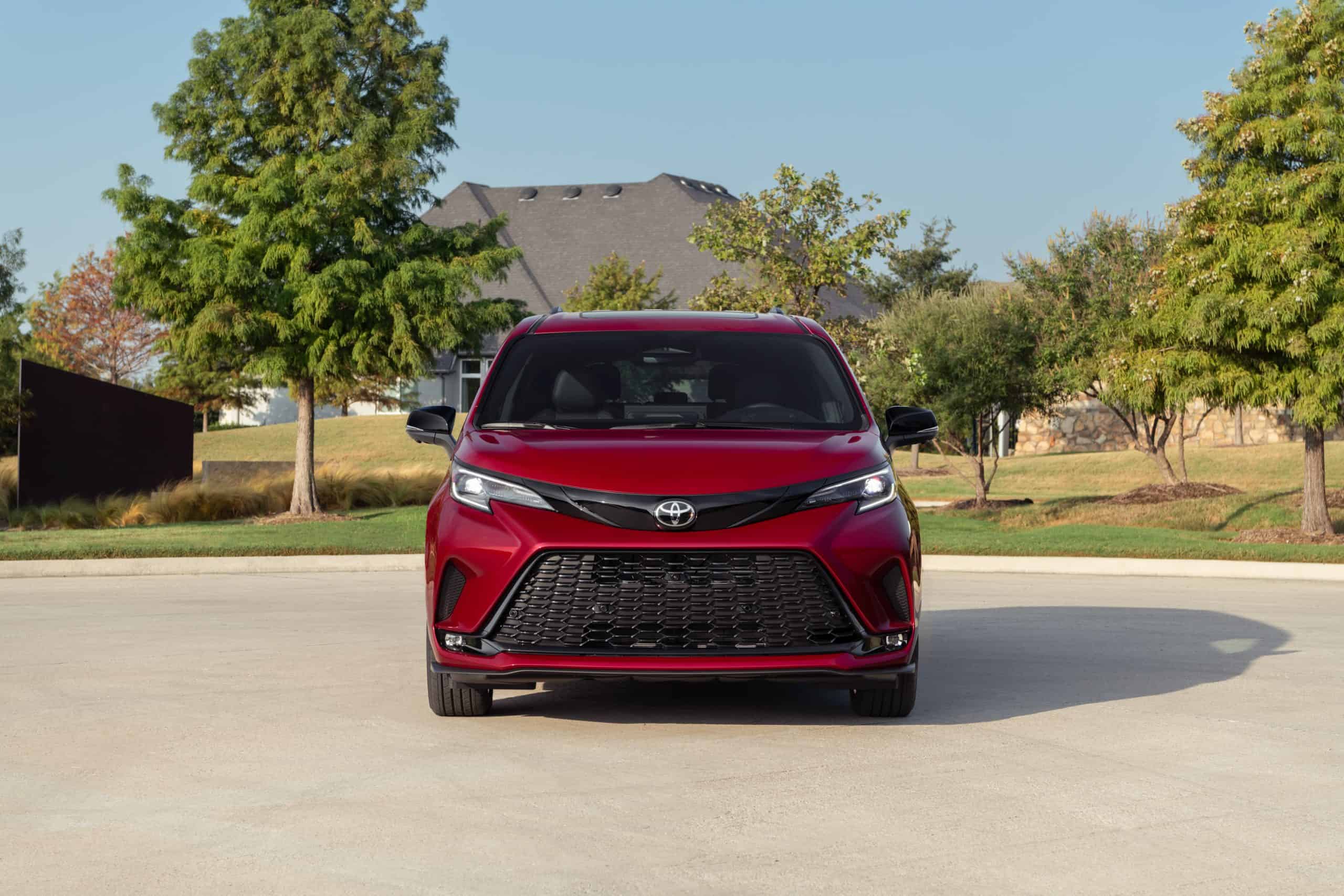
2027 Toyota Sienna Hybrid Gets 251 HP, 39 MPG City Estimate and a Dash Cam
Trending on Motoring Chronicle
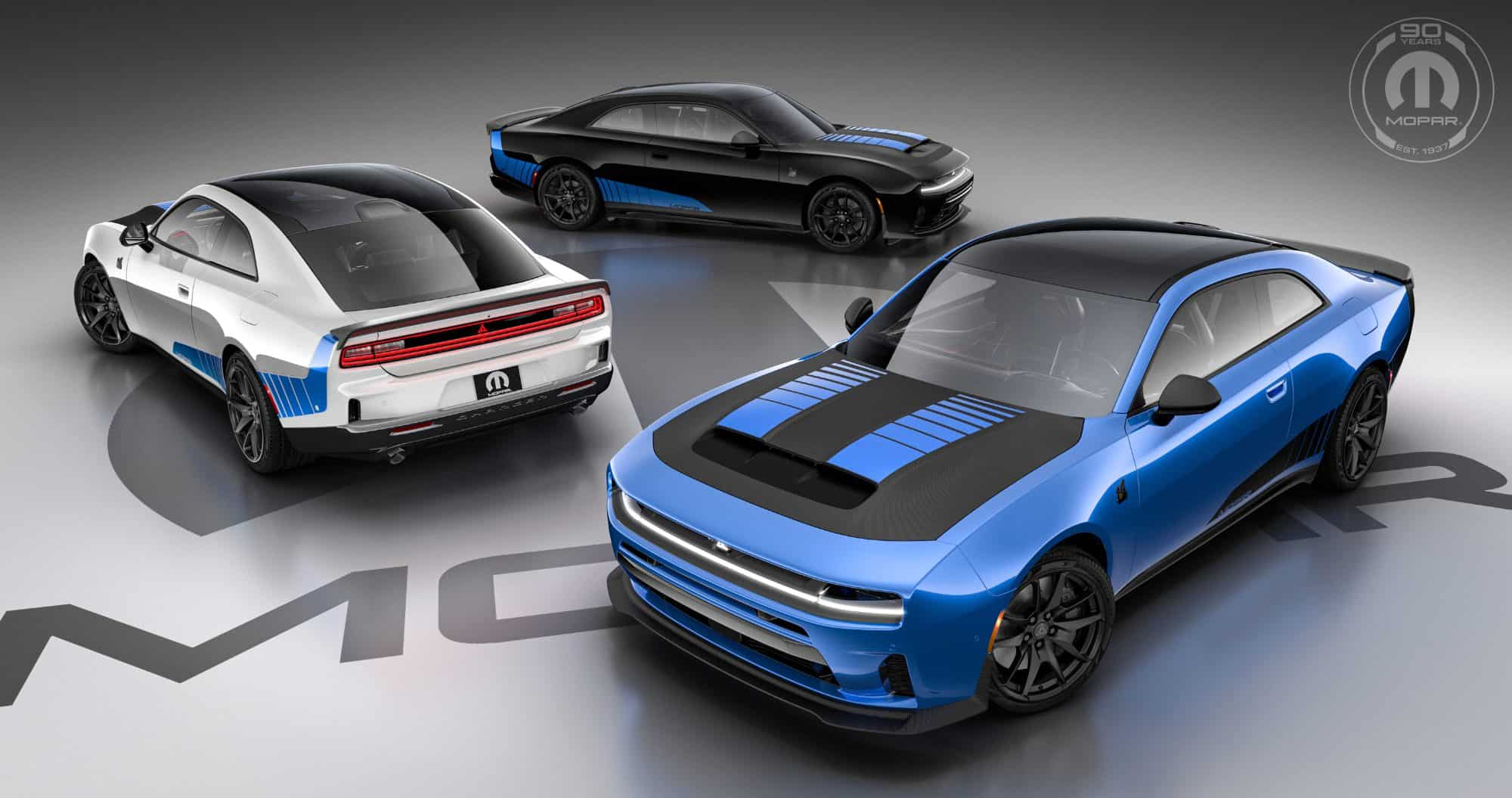
Dodge Charger Gets Exclusive $10,995 Mopar ’27 Package, Limited to 270
What the CMA Scrapping Its 2000 Order Means for Every New Car Buyer
What the Record May Heat Means for Your Tyres and the Risk of a Summer Blowout

Sheffield’s New Bus Lane Cameras Start Fining Drivers £70 This Month
