California DMV Bars Waymo From All Freeways Citing an Imminent Hazard
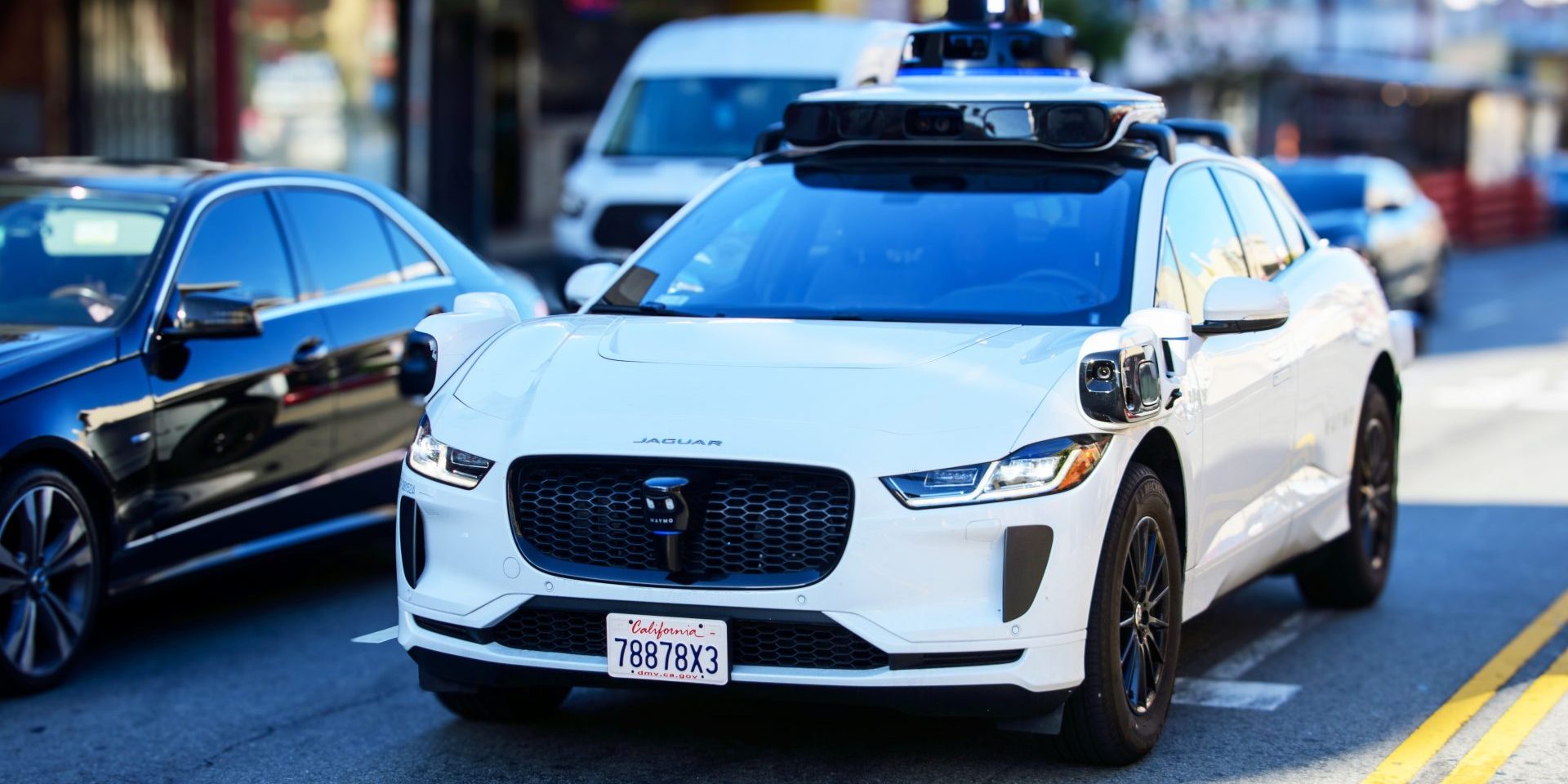
- The California DMV closed every state freeway to Waymo’s driverless cars, for riders and for testing, under an order effective November 11 and made public November 17.
- Waymo stopped freeway rides in all of its markets, while surface street service continues at more than half a million trips a week.
- The restriction ends when Waymo shows the DMV that it has taken effective corrective actions, and the DMV has set no date.
Why California Called Waymo an Imminent Hazard
The California DMV issued the restrictions on Wednesday, November 11, and the public learned of them on Tuesday, November 17. DMV spokesperson Jonathan Groveman said the order bars Waymo from “operating or testing its driverless vehicles on all California freeways,” and Waymo complied by shutting off freeway routes in every market it serves, including those outside California.
The DMV’s emailed statement gives the reason in one sentence: “The Department determined that Waymo’s driverless freeway operations pose an imminent hazard to public safety due to recurring incursions by its vehicles into active construction zones where construction workers, vehicles and equipment are present, despite a prior restriction and corrective actions implemented following similar incidents that occurred on May 18, 2026,” the DMV said.
The order rests on a pattern. The DMV statement names a prior restriction and corrective actions that followed the May 18 incidents, then finds the same kind of construction zone incursions again. The November incidents it cites came just under six months after May 18.
For riders, the effect is immediate. Waymo lists five areas where its cars used freeways: Austin, Miami, Phoenix, Los Angeles County and the San Francisco Bay Area. All five lost their freeway routes. Drivers who share California freeways with these cars will not meet a driverless Waymo there until the DMV lifts the order.
What Waymo Did on U.S. 101 and Highway 280
The DMV named two incidents. On November 5, three Waymo vehicles “entered an active construction closure” on U.S. Route 101 near Burlingame, south of San Francisco. The next day, November 6, a Waymo vehicle tried to bypass California Highway Patrol vehicles that were conducting a traffic break on Highway 280 in San Francisco. Video of the second incident circulated widely on social media the week before the order became public.
Waymo spokesperson Dana Gallagher answered the order with a statement: “Safety is at the foundation of everything we do. Following recent freeway construction zone encounters on U.S. 101 in California that did not involve any injuries or collisions, the California DMV has implemented an operating restriction on freeway operations in the state. In alignment with our safety-first principles, we have also temporarily restricted freeway operations across our other operating markets to evaluate our performance. Our ride-hailing service continues to operate safely on surface streets, serving over half a million trips each week. We are working with the California DMV and other state officials diligently and responsibly to resume freeway operations.”
Waymo says the U.S. 101 encounters involved no injuries or collisions, and says its surface street service continues. The DMV’s stated concern is the construction workers, vehicles and equipment present in those zones.
The Second Freeway Restriction This Year
This is the second freeway restriction on Waymo this year. Waymo paused freeway rides in May, in San Francisco and Los Angeles among other cities, to improve how its cars handle construction zones. The DMV dates the incidents behind that earlier restriction to May 18.
Elliot Slade, a San Francisco resident, said he was a passenger in a Waymo that went off course into a construction zone with police behind it. He described the ride in an interview: “The scariest part, we’re all like OK, something’s happening,” and “We’re just going to pull over, we’re going to be safe. Then it accelerated to highway speeds down this construction lane…There were construction signs. There were lights going on. Police in the distance and it sped up. That’s when I looked at my fiancée, we’re done. This is it. We’re dead. We’re going to die right here in the Waymo.”
After the pause began, Waymo said: “We are committed to being good neighbors for our riders and our communities. As part of that commitment, we make proactive decisions including temporarily pausing aspects of our service. We know riders count on us to get around, and we appreciate their patience as we work to get them where they’re going safely and reliably.”
Freeway rides came back in July after Waymo said it had updated the self driving software to improve performance around freeway construction zones. The company filed a recall in June covering thousands of robotaxis, with a software fix to stop them from entering construction zones. The National Highway Traffic Safety Administration had counted 13 cases of that kind in just two months, April and May, spread over Phoenix and San Francisco. A separate federal track on the same company covers school buses, laid out in the earlier report on NHTSA’s school bus recall query.
Waymo says its data show 95 percent fewer crashes with serious injuries or worse than human drivers have. That is the company’s claim. The DMV’s finding addresses one behavior, entering active work zones on freeways, and treats its repeat as an imminent hazard.
Billy Riggs, who teaches at the University of San Francisco, said autonomous vehicles still beat human drivers on safety overall, judging by the data. “I see this as an opportunity to continue improving a technology,” he said. On the limits, he said: “An automated vehicle can understand and identify all the aspects of the roadway and make really sophisticated judgments on them. But, many times, it can’t understand context,” Riggs said.
What the DMV Can Do and How Waymo Gets Back On
The DMV holds the permits that let driverless vehicles operate in California, and it has used its power before. When the DMV suspended Cruise’s deployment and driverless testing permits on October 24, 2023, it stated its authority plainly: “When there is an unreasonable risk to public safety, the DMV can immediately suspend or revoke permits. There is no set time for a suspension.” The DMV gave Cruise the steps to apply for reinstatement and said it would not approve reinstatement “until the company has fulfilled the requirements to the department’s satisfaction.”
The Waymo order is narrower than the Cruise suspension: it closes freeways and leaves surface streets open. The DMV’s rulebook, finalized on April 28, 2026, spells out when it can revoke permits. Under those rules, the DMV can revoke permits when testing or deployment “poses an unreasonable risk of accident, death, injury, or exacerbating injury” or an “imminent hazard,” the standards in sections 227.48 and 228.24 of Title 13 of the California Code of Regulations. The rules say the DMV “shall approve” a testing application if it is “sufficient and all requirements have been met,” and leave the DMV to decide what meets that test. A deployment permit needs a finding that the manufacturer “has conducted testing necessary to satisfy the department that operation of the subject [ADS] does not pose an unreasonable risk of accident, death, injury, or exacerbating injury.” The rules do not define “unreasonable risk,” and the DMV holds substantial discretion over permits. The same rules require a safety case covering at least 14 key safety areas, at least 100,000 miles of testing before driverless commercial deployment of a light duty vehicle, and, from July 1, 2026, let law enforcement issue a notice of autonomous vehicle noncompliance that a manufacturer must answer within 72 hours. Fines for robotaxi companies are a separate track, covered in the report on California’s robotaxi fine law. Assemblyman Phil Ting authored AB 1777, the 2024 law that lets police issue those notices. He said in 2024: “AB 1777 is a direct response to issues experienced in San Francisco. In San Francisco, incidents include disrupting traffic, rolling over, then dragging a pedestrian, impeding firefighting response at multiple scenes and driving into crime scenes,” Ting said.
The way back is written into the order. Groveman said the restrictions remain in effect until “Waymo demonstrates to the Department that it has taken effective corrective actions to address the deficiencies that precipitated the restrictions,” and the DMV statements give no list of steps for Waymo and no timetable. The earlier pause ended in July.
What It Means for Riders and Other Drivers
Freeway rides arrived in late 2025, and they connect riders to airports and other destinations faster than surface streets do. The Bay Area service area stretches from San Francisco south to Silicon Valley, and freeway access shortened Peninsula trips that used to run from 45 minutes to more than an hour. Riders on those routes and on airport runs should plan for longer trips again.
Other drivers on California freeways see no change in their own rules. The order governs Waymo’s driverless operation only, and the legal duties of a human driver in a work zone stay the same. What changes is who is sharing the lane approaching a closure: for now, no driverless Waymo is.
Slade said the experience changed how he travels: “I used to use it all the time, and now it’s like, eh, I’ll walk or I’ll take the (bus),” he said. He also said: “You had one chance to fix it if it went viral. And if they haven’t made sure it’s completely safe, then I’m disappointed. Super disappointed,” Slade said.
What to Do Now
Check the trip estimate before you book, and allow extra time for trips that relied on a freeway, especially to airports. Compare the estimate with a taxi or transit option if you have a flight to catch.
Drive through a freeway work zone the way you always do: slow down, follow the cones and signs, and treat every vehicle around you the same, driverless or not. If you see an autonomous vehicle behaving in a way that puts a worker or driver at risk, call 911 when the danger is immediate.
Watch the DMV news releases and the DMV’s autonomous vehicles page for word that the restriction has ended. The DMV statements give no date, and the DMV has said only that the restriction ends when Waymo shows effective corrective actions.
Want more car content? Add us as a preferred source on Google to your favourites list for the best automotive news and analysis on the internet.
If you enjoyed this article, be sure to follow us on Microsoft Start.
Sources
Reviewed by Preetam Gadekar

Leave a Comment
More in News
2022 Explorers Are Named in 24 Recalls, F-150s in 23, Camrys in Just 1

Honda Recalls 810,592 Civics, CR-Vs, Accords and Acuras Over Takata Airbags
Woman finds note stuck on her windshield. It just may have saved her—and others’—lives: ‘That was somebody’s dad’
Diesel Costs $5.90 a Gallon, $2.21 Above Regular, and $7.73 in California
Woman’s Kia won’t start. Mechanic realizes it’s because the dealership used its remote kill switch: ‘That’s none of my business. I’m here to get the car running’
Trending on Motoring Chronicle
Suzuki Cuts e-Vitara Price to £24,999 in Range-Wide Savings
Serious Road Injuries Rose Even as the Government Celebrated Fewer Deaths
Why Drivers Face £1,000 Fines While 34,000 Number Plate Suppliers Pay Just £40
Why Hogging the Middle Lane Risks a £100 Police Fine and 3 Points