South Essex Drivers Got 56,805 Parking Tickets, Up 18.5 Percent, Leaving a £287,929 Surplus
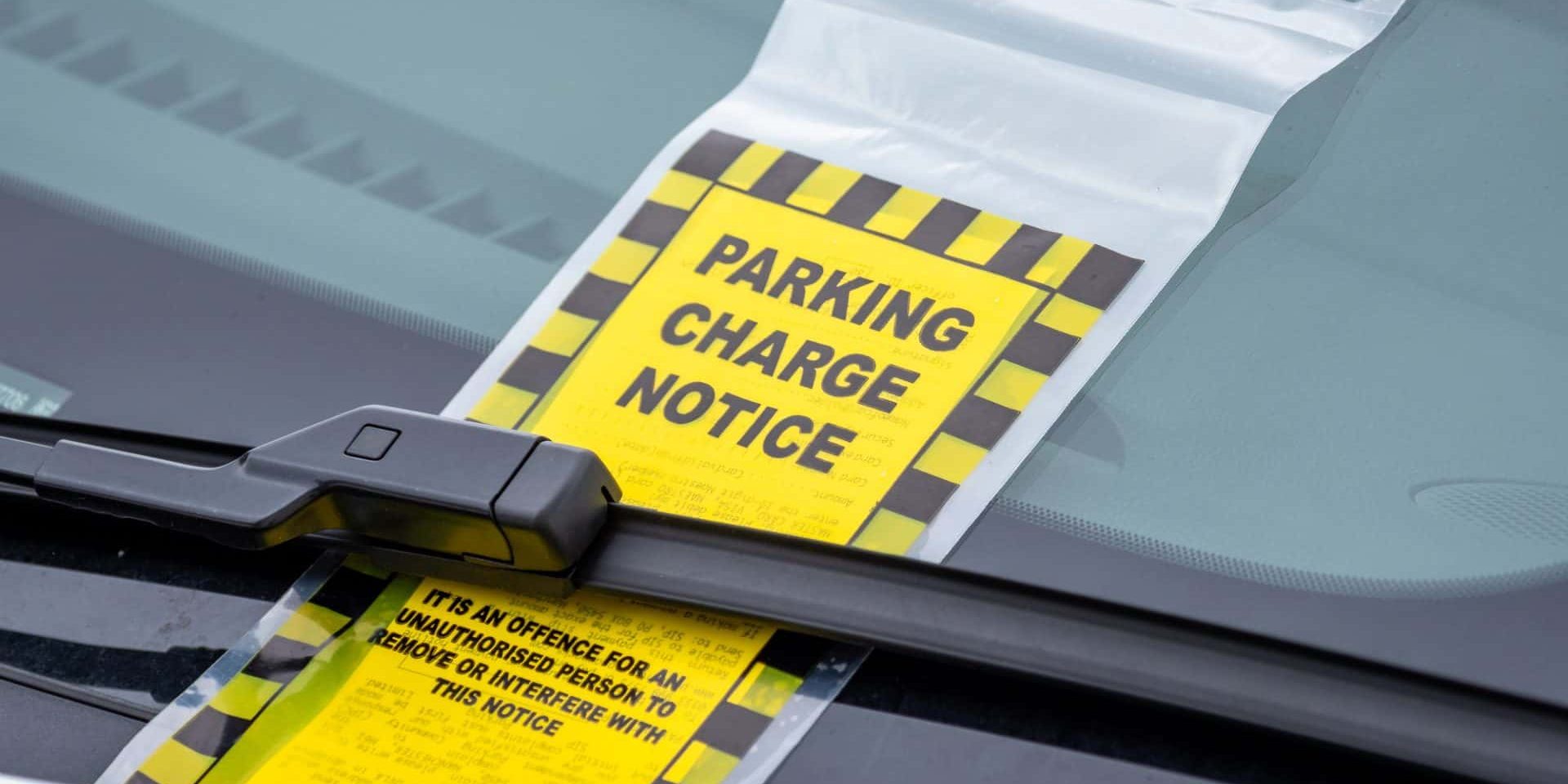
- South Essex Parking Partnership’s annual report for 2025/26 counts 56,805 on-street tickets across Chelmsford, Basildon, Rochford, Castle Point, Maldon and Brentwood, up 18.5 percent from 47,932.
- The enforcement account took £2,807,369 in income, £449,173 more than a year earlier, and its surplus rose 47 percent to £287,929.
- 59 percent of tickets were paid at the discounted rate, and 4,400 of the 7,989 challenges ended with the ticket cancelled.
Every Month Beat the Year Before, and December Ran 40.6 Percent Higher
Drivers in six south Essex districts collected 56,805 on-street parking tickets in the 2025/26 financial year, against 47,932 the year before. That is 8,873 more tickets, a rise of 18.5 percent. The South Essex Parking Partnership puts the daily average at 265 tickets, or 10 for each civil enforcement officer on patrol. It enforces on behalf of Essex County Council, the highways authority, while tickets in other parts of Essex come from a separate body, the North Essex Parking Partnership.
All 12 months of 2025/26 beat the same month a year earlier. December produced 4,629 tickets against 3,292, a jump of 40.6 percent, and January 5,453 against 4,056, up 34.4 percent. The quietest month, April, still brought 4,137 tickets, 473 more than April 2024. The partnership’s own business plan forecast 53,952 tickets for the year, so officers issued 2,853 more than planned, 5.3 percent over.
Until this year the count had barely moved: 47,649 tickets in 2022/23, 48,884 in 2023/24 and 47,932 in 2024/25. The rise is the first break from that flat run. For comparison, Leicestershire County Council’s penalty notices rose 9.3 percent in its latest figures, about half the south Essex rate.
Patrol numbers add another layer. Officers made 269,611 patrol visits to streets and logged 258,491 observations that ended with no ticket, after the driver moved the vehicle or the officer found it was legally loading or unloading. That is 4.55 of those for every ticket issued, and it shows an officer starting the process does not always finish with a notice.
Yellow Lines and Residents’ Bays Produced 70.4 Percent of Tickets
Two groups of offences carry the totals. Code 01, parked in a restricted street, accounted for 21,125 tickets and code 02, loading in a restricted street, added 4,171. Together the yellow line codes reach 25,296 tickets, 44.5 percent of everything issued. Code 12, parked in a residents’ place, produced another 14,715, or 25.9 percent. The two groups add up to 40,011 tickets, 70.4 percent of the total.
The rest is a long tail. Parking longer than permitted, code 30, brought 4,586 tickets. Disabled person’s parking spaces drew 3,120, loading places 2,048, taxi ranks 1,996, bus stops 545 and pedestrian crossings 398. Of all tickets, 50,047 (88 percent) sat at the higher charge level and 6,758 (12 percent) at the lower one.
The rise was not shared evenly. Castle Point went from 3,270 tickets to 5,045, up 54.3 percent, and 3,589 of them, 71.1 percent, were yellow line code 01 tickets. Basildon rose 36.7 percent to 11,579 and Brentwood 30.9 percent to 16,047. Maldon climbed 17.9 percent to 2,532. Chelmsford, the biggest district at 18,286 tickets, stayed level with 18,268 a year earlier, and Rochford fell 5.9 percent to 3,316 from 3,524.
Officer workload varies as widely. Brentwood’s officers averaged 14.46 tickets a day each and Chelmsford’s 12.63, against 4.98 in Rochford and 4.56 in Maldon. The partnership says it sends daily patrols to the areas with the worst safety and congestion problems and covers other restrictions on a frequent but ad hoc basis. Normal enforcement runs from 08.00 to 20.00.
The Account Took £2,807,369 and Left a Surplus 47 Percent Bigger
Enforcement income came to £2,807,369, against £2,358,196 in 2024/25, up £449,173 or 19.0 percent. Of that rise, £253,732 came from penalty charge income. The other £195,441 of the increase came from sources outside penalty charges, so the income figure covers the whole enforcement account and is not all fine income. Spending climbed £356,914, or 16.5 percent, from £2,162,526 to £2,519,440.
The gap between the two is the surplus: £287,929, up £92,259 or 47.2 percent from £195,670. Spread over 56,805 tickets that works out at £5.07 a ticket. The partnership had budgeted for £332,000, so the result landed £44,071 short, with spending £192,640 over the plan and income £148,569 over. The partnership points to inflation in operating and staff costs and to penalty charges that it says central government has left unchanged from 2008. Across England, councils’ parking surplus reached £1.094 billion in 2024/25, on RAC Foundation figures.
Under the 2022 joint committee agreement the first call on any surplus is a deficit reserve of up to £400,000, and that reserve was already full. The whole £287,929 went to the partnership’s own account for local needs, mainly traffic regulation orders and the upkeep of signs and lines, and nothing went to the Essex-wide highways panel. The traffic regulation team cost £179,319 net, which cuts the overall partnership surplus to £108,610.
The partnership’s operational fund stood at £609,060 on 31 March 2026. Of that, £200,000 is earmarked for signs, lines and new orders in 2026/27, £86,000 for CCTV and a possible red route enforcement system in Chelmsford, and £63,000 for extra out-of-hours and weekend patrols in areas with known parking problems. The partnership estimates a 2026/27 surplus of £48,400, which would leave a forecast reserve of £308,460.
The Partnership Cancelled 4,400 Tickets After Drivers Challenged Them
Drivers made 7,989 informal or formal challenges, 14.1 percent of all tickets. The partnership cancelled 4,400 of them, which is 55.1 percent of the challenges and 7.7 percent of every ticket issued. A further 841 tickets (1.5 percent) were written off for officer error, and 5,286 (9 percent) for other reasons, such as an untraceable keeper or a failed bailiff recovery.
The cancellation rate varies by district. Chelmsford cancelled 1,545 of 2,690 challenges (57.4 percent), Brentwood 1,276 of 2,245 (56.8 percent) and Basildon 912 of 1,656 (55.1 percent). Maldon cancelled 195 of 371 (52.6 percent), Rochford 205 of 437 (46.9 percent) and Castle Point 267 of 590 (45.3 percent). Chelmsford also wrote off 439 tickets for officer error, 2.4 percent of its tickets, against 0.39 percent in Castle Point.
Only 62 cases went on to the independent adjudicator, 0.1 percent of tickets. Of those, 35 were rejected, 12 were allowed and 15 were not contested. For scale elsewhere, Dundee Council lost 3,252 of 6,205 appeals in its latest figures.
Payment tells the other half of the story. Drivers fully paid 40,637 tickets, 72 percent, just under the 75 percent the partnership expected, and it says the figure will improve slightly as outstanding cases finish. Of those, 33,600 paid at the discounted amount, 59.1 percent of all tickets issued. By district the discount share ran from 71 percent in Castle Point and Rochford to 54 percent in Chelmsford.
How to Pay Half Price or Pay Nothing
The clock starts on the issue date. A driver has 28 days in total to pay and gets 50 percent off for paying within 14 days. Under the national charging bands for councils outside London, set in Schedule 3 of the 2022 regulations, a higher-level ticket costs £60 or £70 depending on the band a council adopts, and £30 or £35 if paid early. A lower-level ticket costs £40 or £50, or £20 or £25 early. Pay late and a charge certificate lifts the bill to £90 or £105 for a higher-level ticket and £60 or £75 for a lower-level one. Missing the 14 day window costs an extra £30 or £35 on the most common ticket, and 88 percent of tickets here were higher level.
Paying and challenging do not mix. Paying a ticket means accepting liability, so a driver who wants to dispute it should leave it unpaid. A challenge freezes the notice period, and if it fails the 50 percent reduction is still available for 14 days from the date of the rejection letter.
The route has stages. An informal challenge goes in within 28 days of the issue date, online or in writing, as the partnership takes no challenges by phone. The partnership decides within four weeks, and the average response time is currently six weeks. If it rejects the challenge and the ticket stays unpaid, a Notice to Owner follows. The driver then pays in full or makes a formal representation, which must go in within 28 days of receiving that notice. The accepted grounds are that the offence did not occur, that all nearby pay and display machines were faulty, that the ticket information is incorrect or incomplete, that signs or road markings were wrongly installed, that the legal order creating the restriction is invalid, that the vehicle had broken down and was being moved, or that there were extenuating circumstances. A rejected representation ends in a Notice of Rejection, and the driver can appeal to the Traffic Penalty Tribunal.
Just over half of challenges in 2025/26 ended in a cancelled ticket, so a challenge backed by evidence is worth making. The form asks for the reasons and any evidence, so photographs of the signs, lines and machine belong in the file. Tickets arrive as a paper notice on the windscreen or a letter to the registered keeper. The partnership does not text or email them, and it says any text message about a ticket is a scam.
Want more car content? Add us as a preferred source on Google to your favourites list for the best automotive news and analysis on the internet.
If you enjoyed this article, be sure to follow us on Microsoft Start.

Leave a Comment
More in News

Every Driver Buying Insurance From an Individual Risks a £300 Fine and 6 Points
Every Driver Without a Driveway Sees Slower Public Charger Prices Up 69 Percent From 2021
Every Driver Who Fails to Give Way at a Zebra Crossing Risks 3 Points

What Every Driver Who Vapes Risks: Up to 9 Penalty Points and a Fine

GM Will Pay $220 Million to Settle Claims It Sold Driver Data to Insurers
Trending on Motoring Chronicle

Your Hay Fever Pills Could Cost You Your Driving Licence This Summer

New Gordon Murray S1 Revealed as 690PS V12 Manual Supercar, Limited to 64 Cars
Motability Drivers Needing Extra Miles for Healthcare or Work Get New Support

Used Car Dealer Directors Sentenced After Leaving Buyers Thousands Out of Pocket