Volkswagen ID.Polo review: VW’s found its EV mojo with this classy supermini


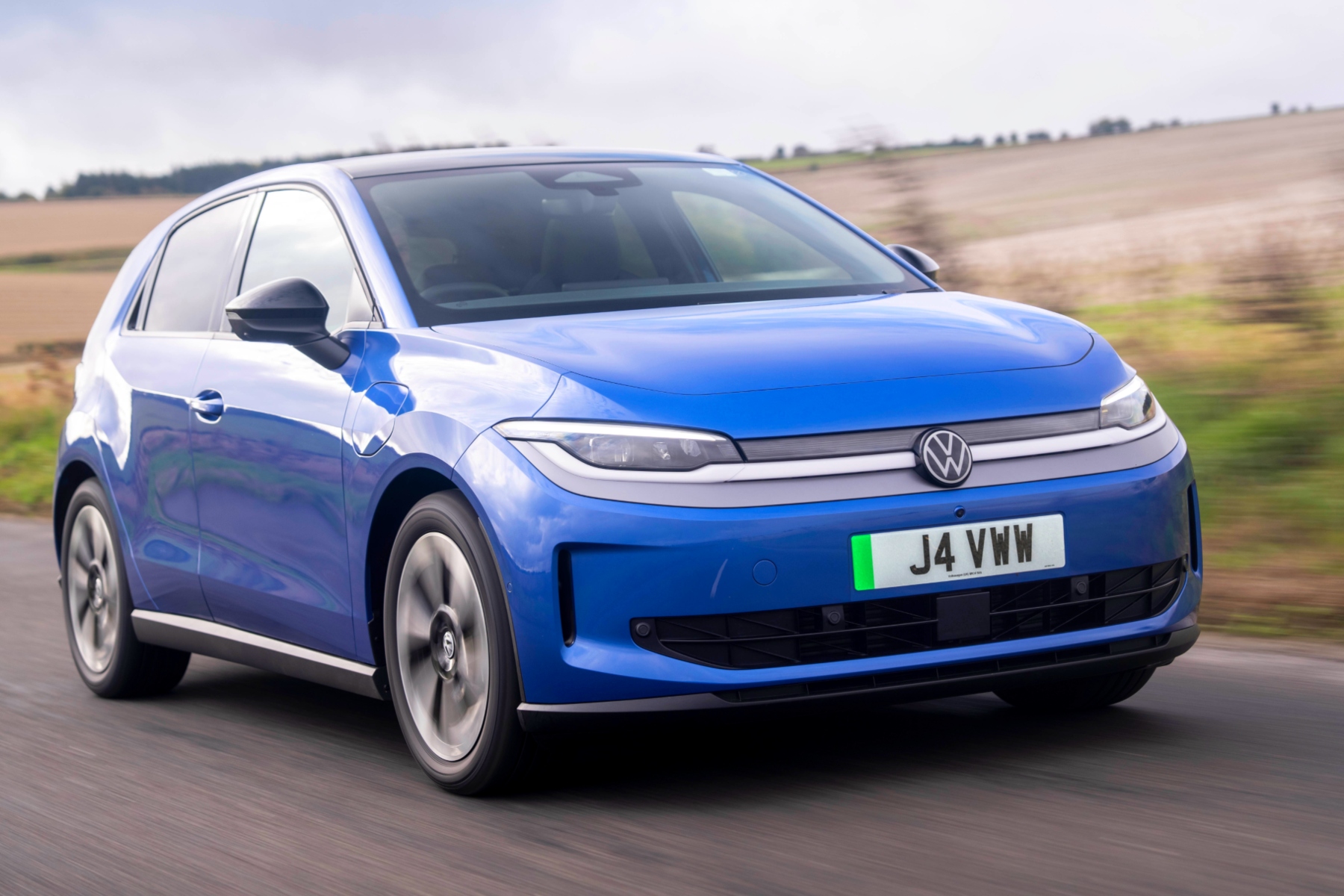
We get behind the wheel of the first all-electric VW Polo supermini
The rise of multiple Chinese car brands may be grabbing the headlines, but it’s worth remembering that venerable Volkswagen has been the UK’s biggest-selling brand for the past five years.
The Polo celebrated its 50th anniversary in 2025 and more than 20 million have been built globally, so there are great expectations for the ID.Polo.
Full disclosure. I’m not a huge fan of VW’s ID range of electric cars so far (eg ID.3, ID.4), but with the new ID.Polo, I’m pleased to report that Volkswagen is back in the (EV) game.
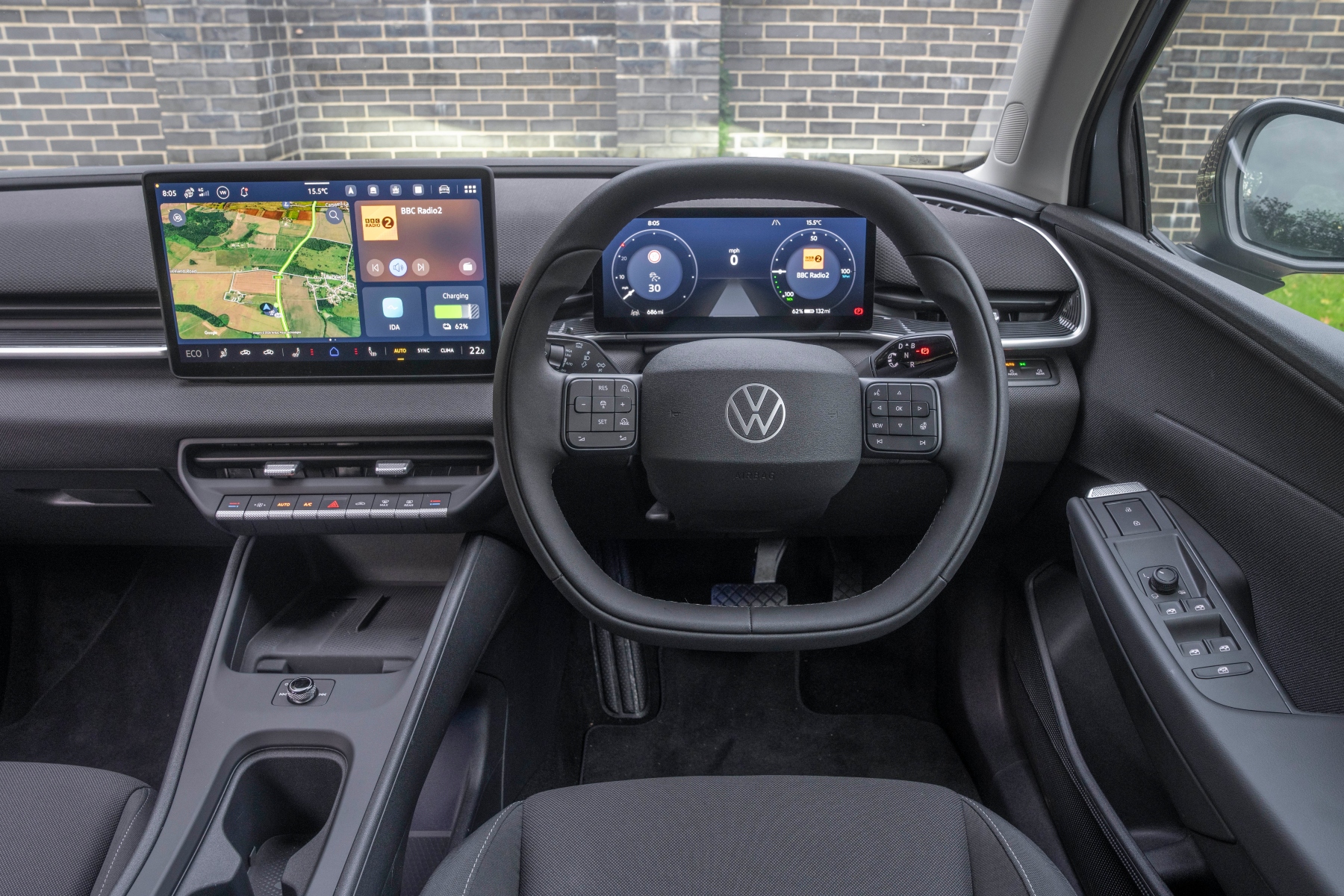
Not only has the German brand belatedly realised that numbers are no substitute for legacy nameplates as well known as the Polo, but it’s listened to feedback – so buttons are back!
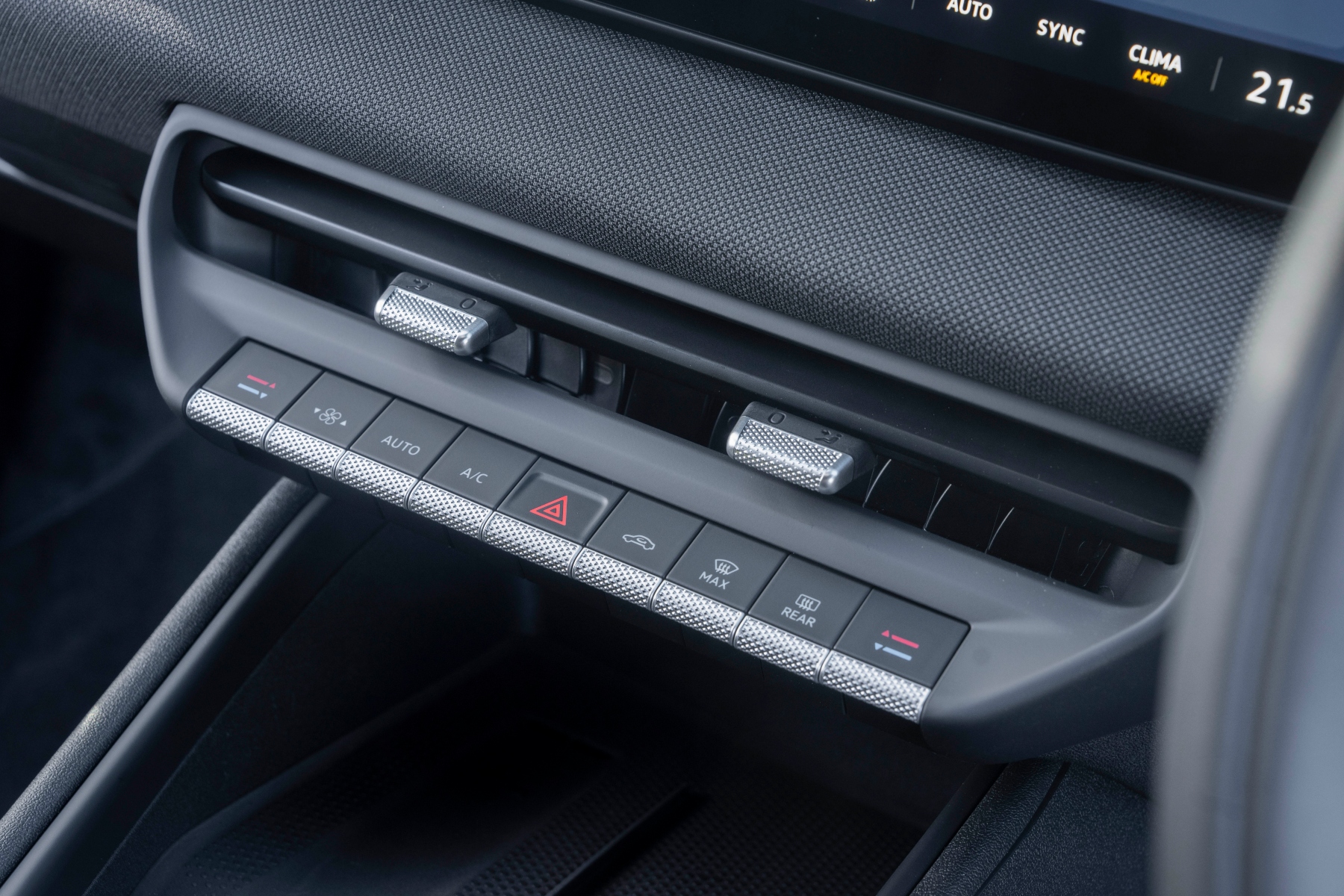
Yep, those frustrating haptic sliders and touch-pads are gone, and have now been replaced with physical buttons on the steering wheel and below the touchscreen.
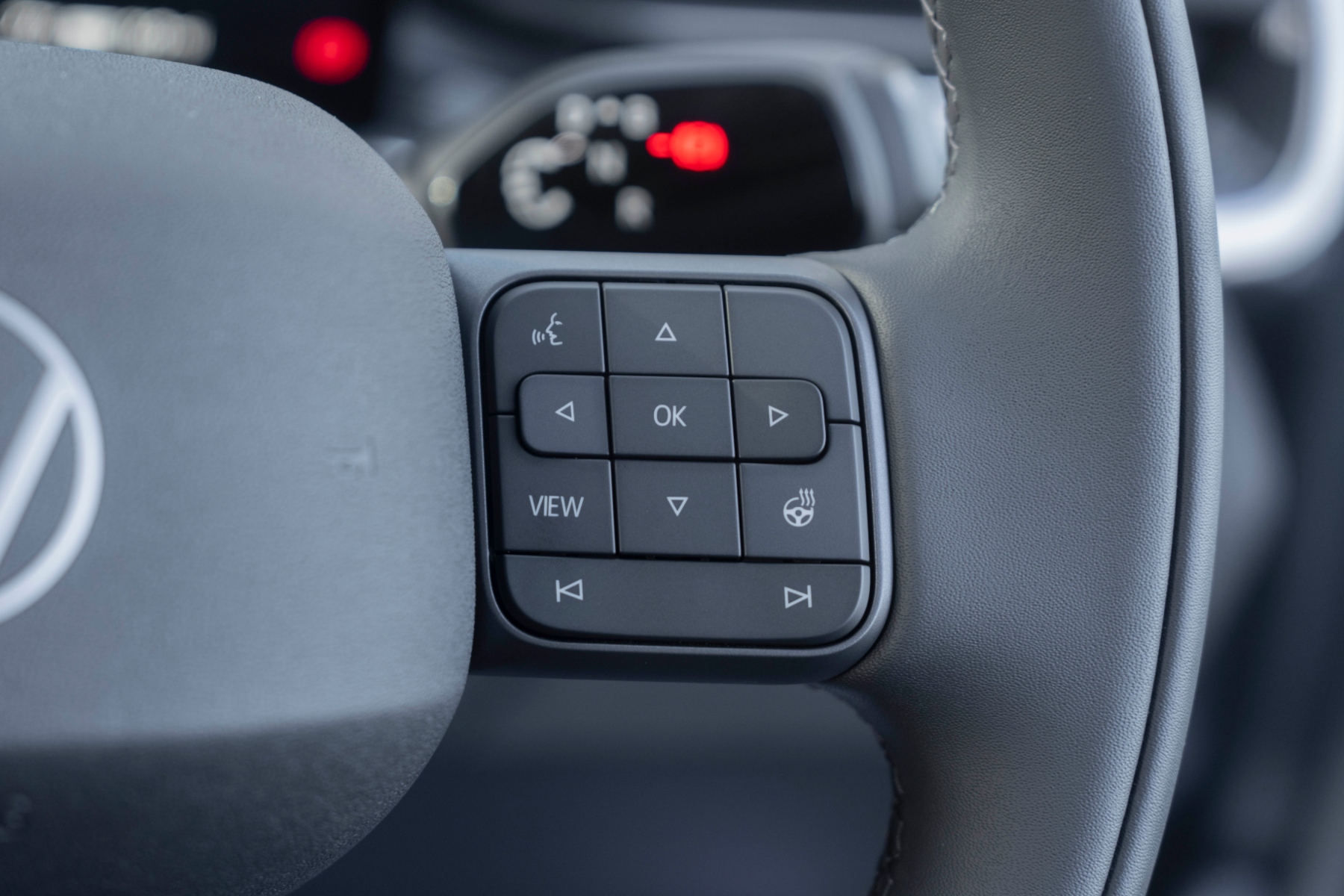
A dedicated strip of buttons below the infotainment screen controls the climate control, a rotary knob in the centre console adjusts the volume, plus there are a full set of physical window switches on the door.
It’s sounds crazy to be highlighting this back-to-basics approach to usability, but I for one couldn’t be happier.
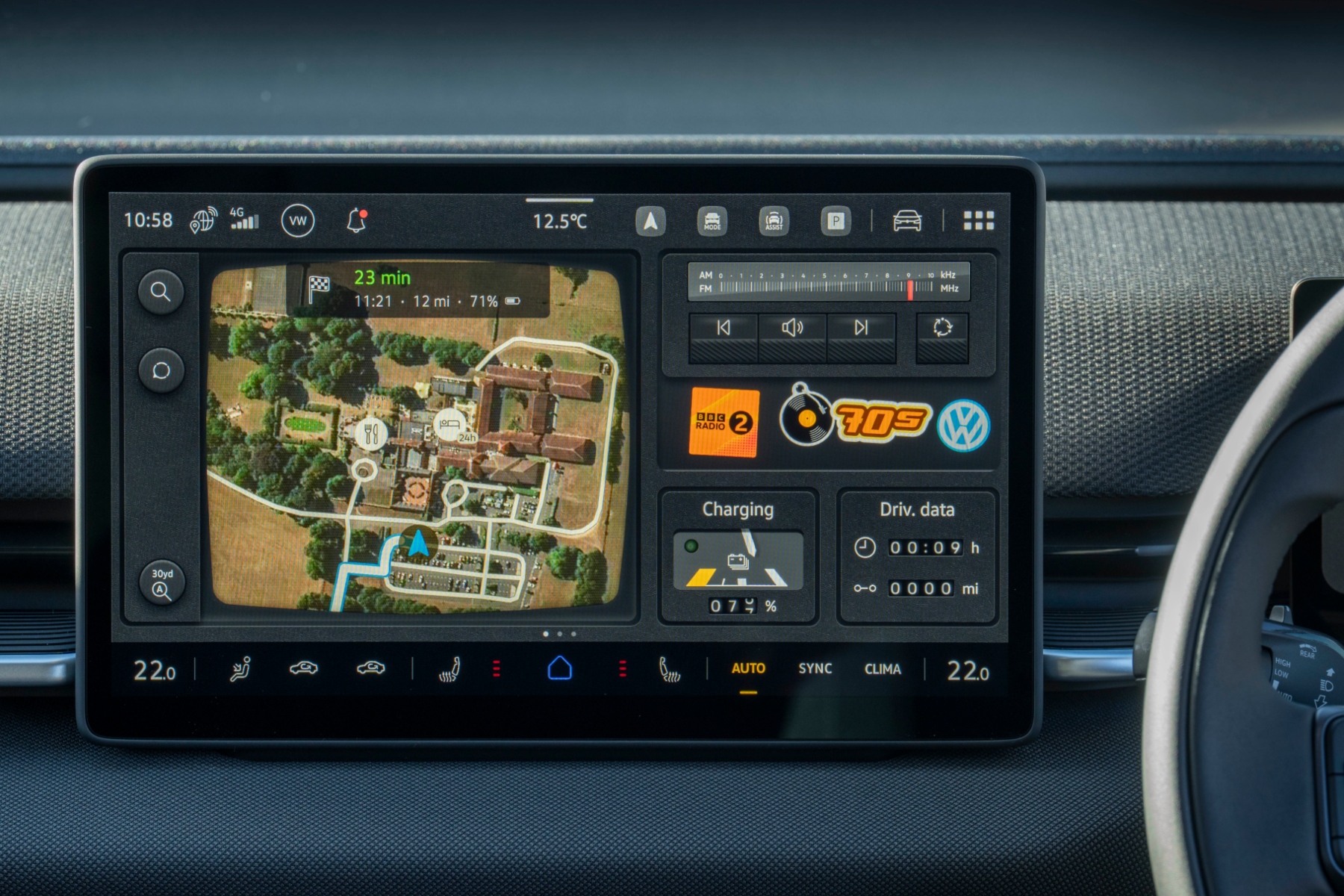
And just to prove that Volkswagen still has a sense of fun, there’s also the option to switch the infotainment system to retro mode.
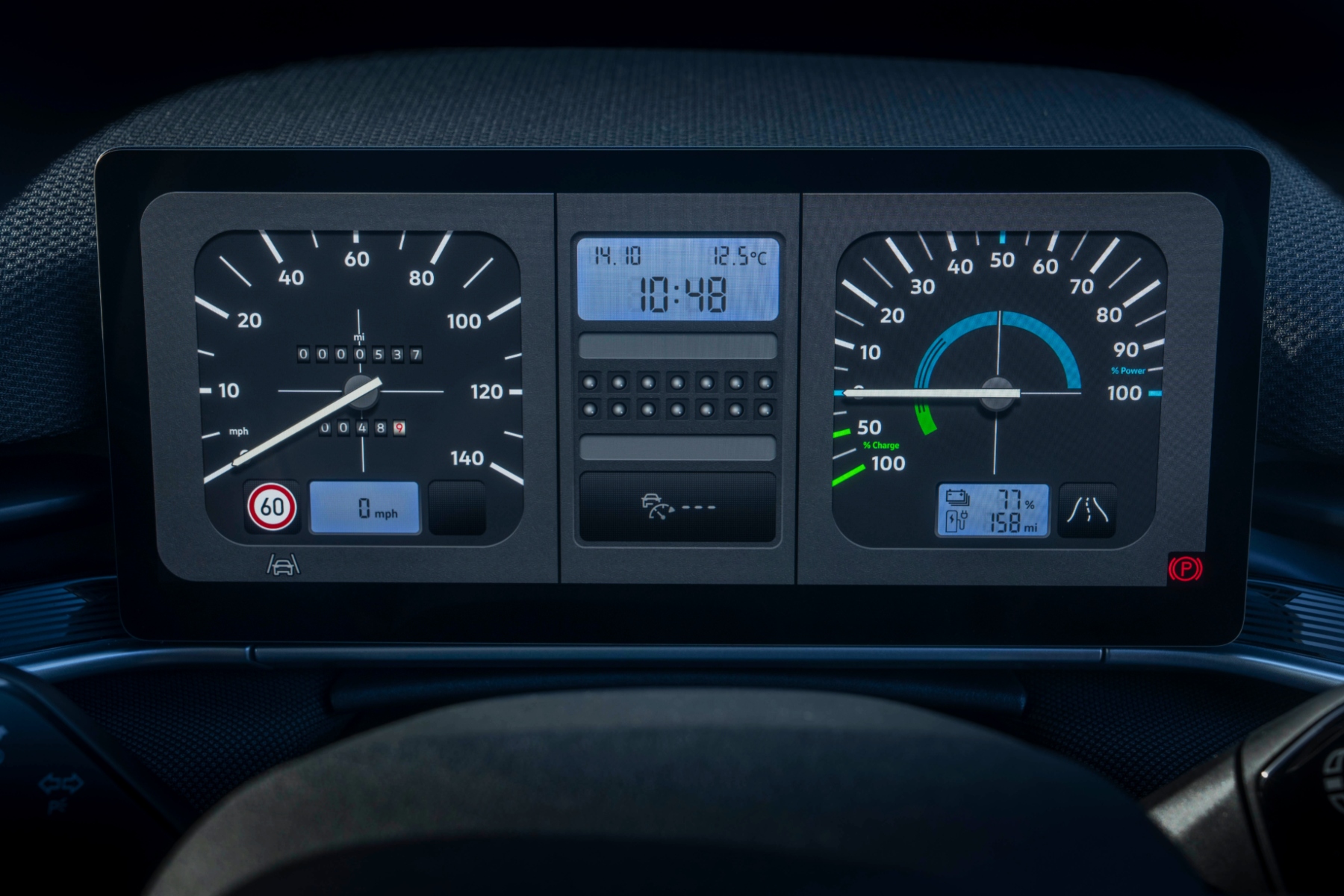
With the press of a button, the main screen and driver’s display replicate VW models from the late 1970s/early 1980s.
That means analogue-style dials for the driver, plus a plus a cassette tape image showing the music being played on the central touchscreen, along with a fuel gauge look for the charge level.
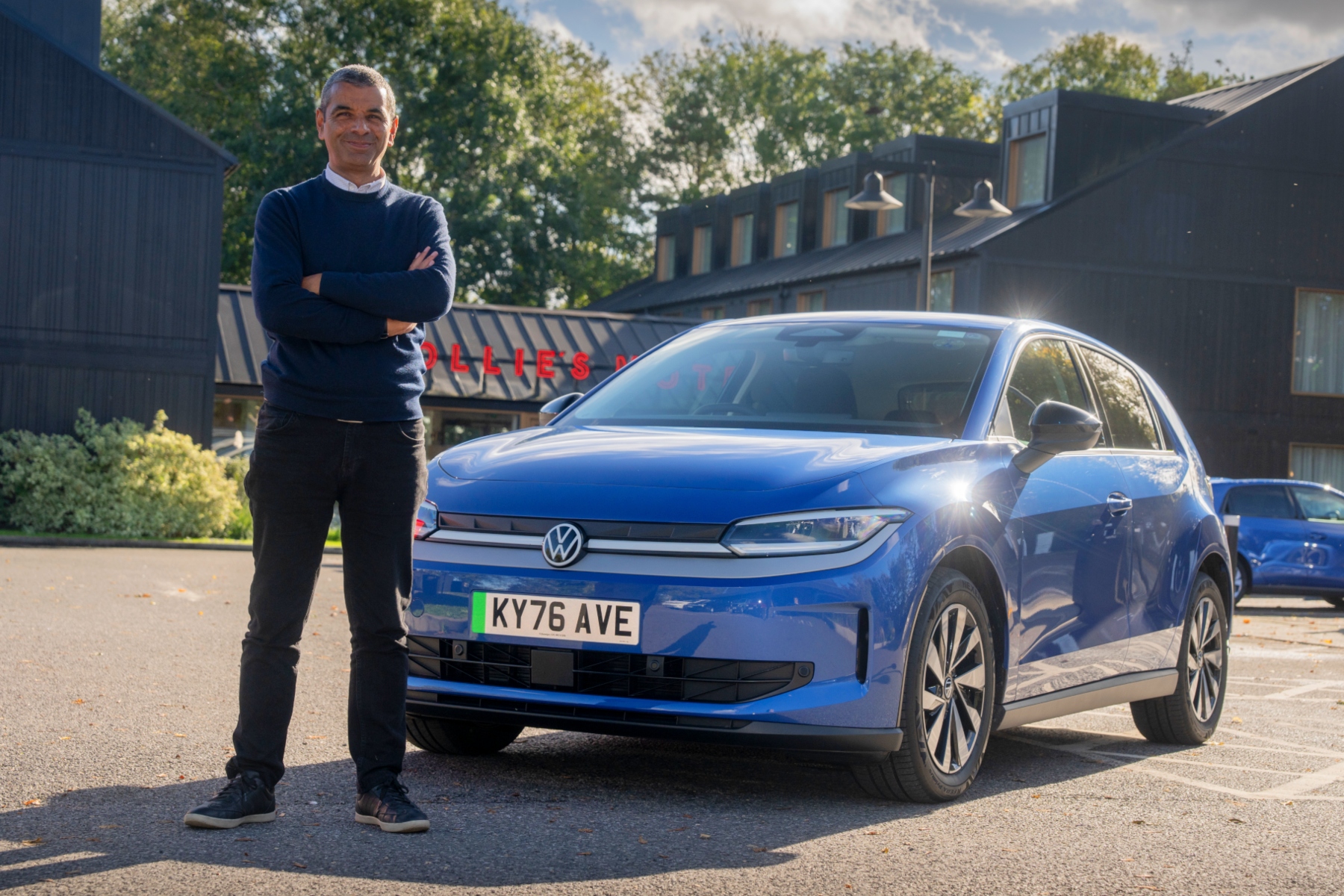
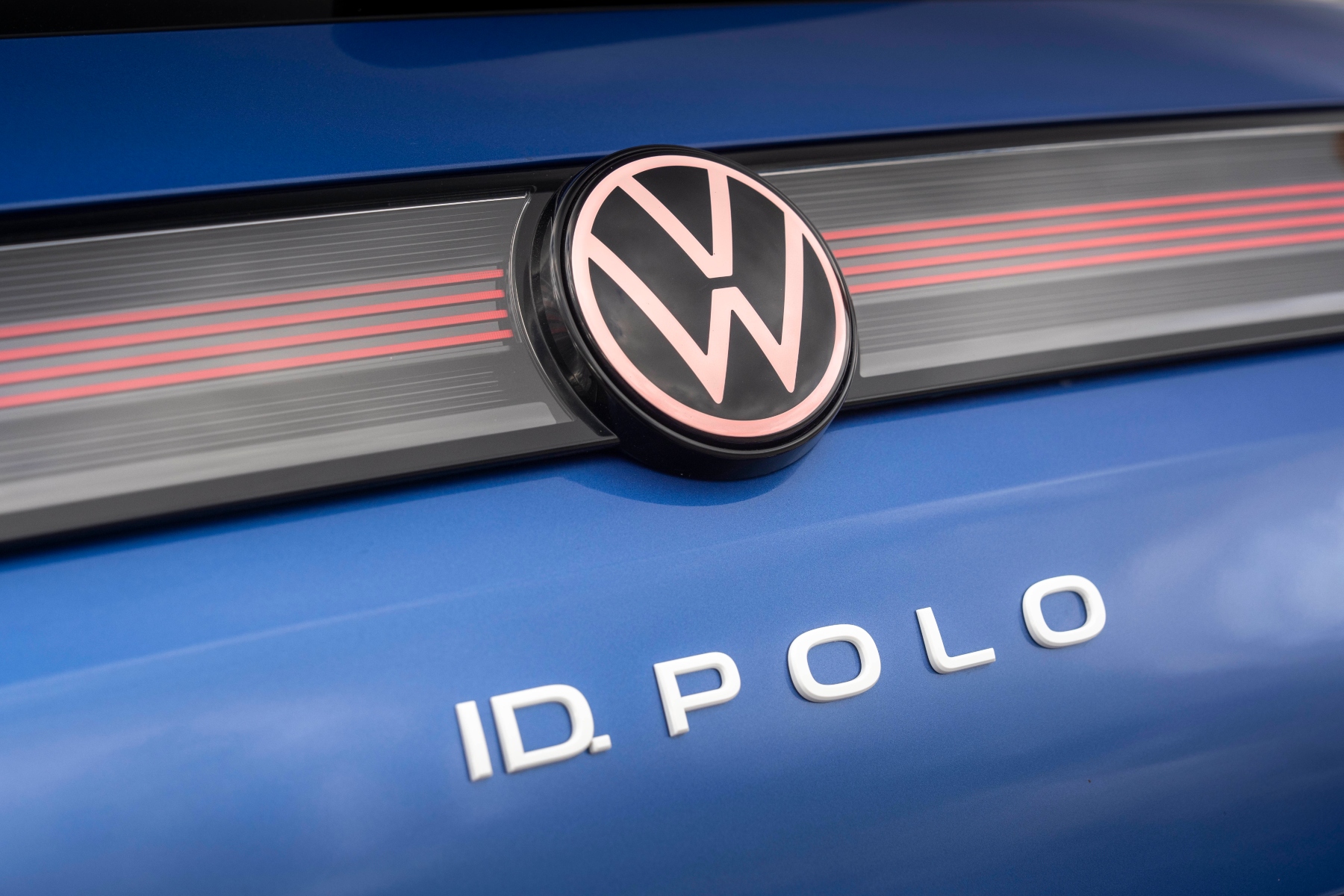
Then there’s the fact that the ID.Polo doesn’t resemble its blancmange-styled ID passenger car siblings – it looks like a Volkswagen.
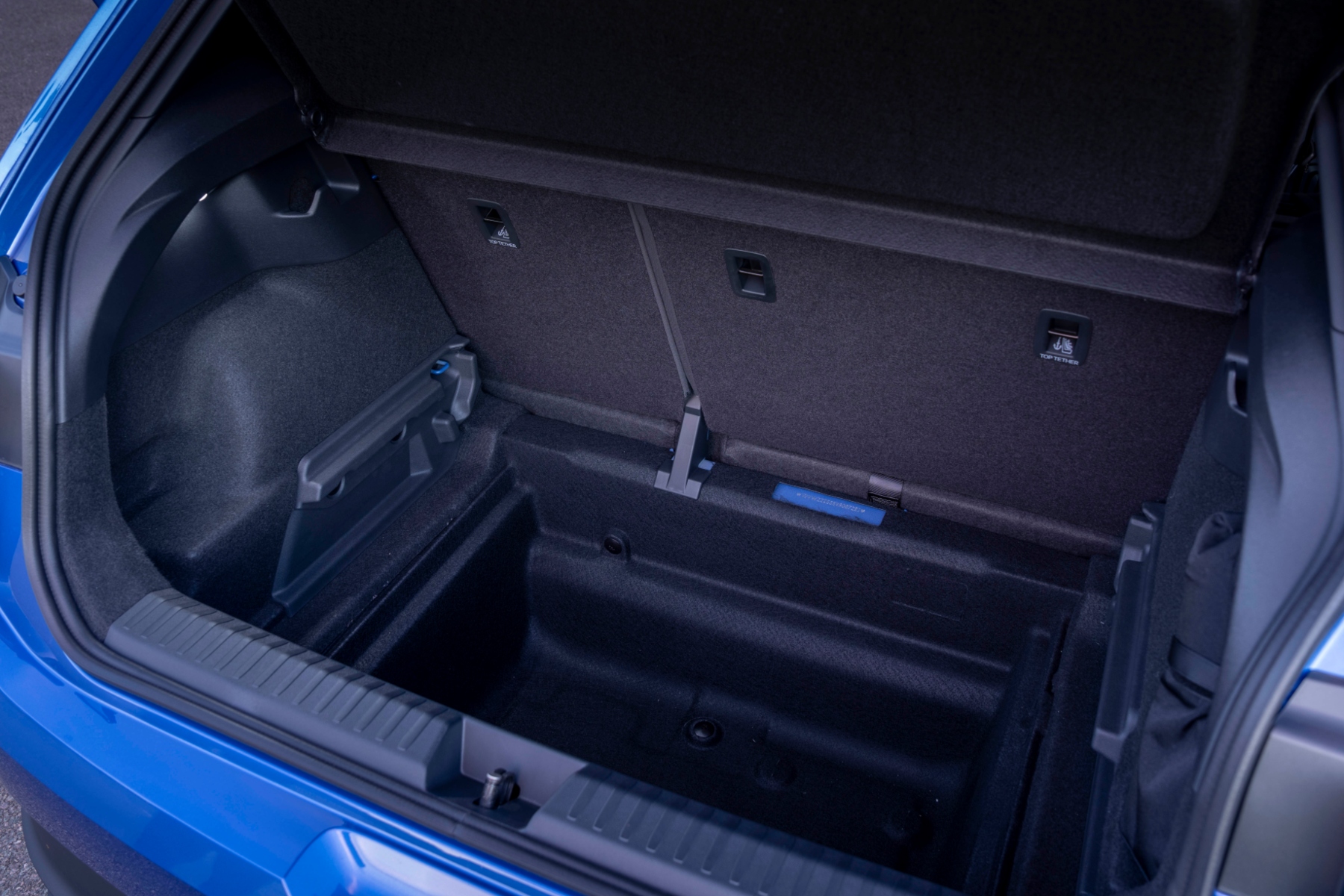
It’s more practical too. Even though it’s a smidgeon shorter than the current combustion-engined model, the ID.Polo is more spacious inside.
There’s just enough room for six-footers in the back, but it’s the deep boot that is the revelation. At 441 litres, it’s enormous for a car in this class, and the load capacity expands to 1,240 litres with the rear seats flipped down.
The Volkswagen ID.Polo comes with a choice of two batteries. The entry-level 37kWh version has a claimed range of up to 205 miles, while the bigger 52kWh battery can manage 281 miles.
Drive is via the front wheels and power outputs are 115bhp, 133bhp or 208bhp, depending on the battery and spec (Life or Style).
The 37kWh battery has a maximum DC rapid charging speed of 88kW, while the 52kWh unit can manage 105kW. This means both batteries can manage a 10-80% fast charge in less than 25 minutes.
Priced from £22,445 (including a £1,500 discount from the UK Electric Car Grant), it’s up against everything from the Kia EV2, Geely EX2 and MG4 Urban, to the Renault 5 and Fiat Grande Panda.
However, move up the range and it’s not quite such great value when it comes to higher spec models with the bigger battery, which cost nearer £30,000.
I tested the ID.Polo Life Launch Edition fitted with the 52kWh battery, an electric motor pushing out 208bhp and a 0-62mph time of 7.1 seconds.
The driving position is good (regular readers will know that I hate being perched in EVs, and I prefer to hunker down) and the cabin is a pleasant and comfortable place to be.
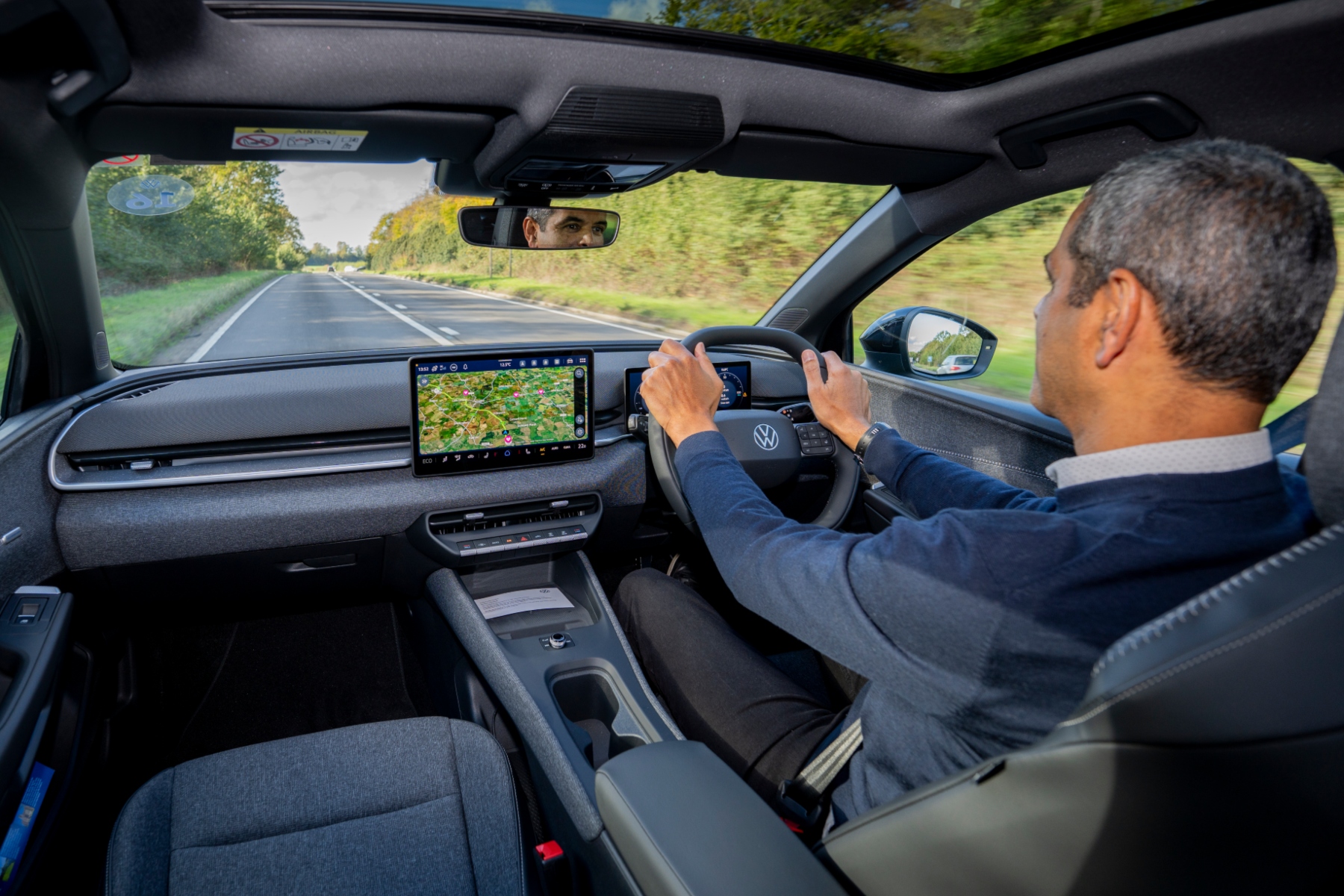
It’s not particularly plush (there are plenty of scratchy plastic surfaces) and the fabrics used have a recycled feel, but it’s spacious enough, all-round visibility is fine and it’s hard to fault the build quality.
As you’d hope from a EV supermini, it’s easy to drive, swift and refined – and capable of handling everything from the school run to a long motorway journey.
The steering is light and precise, though I’m not quite sure about the slightly square steering wheel, which is on the big side.
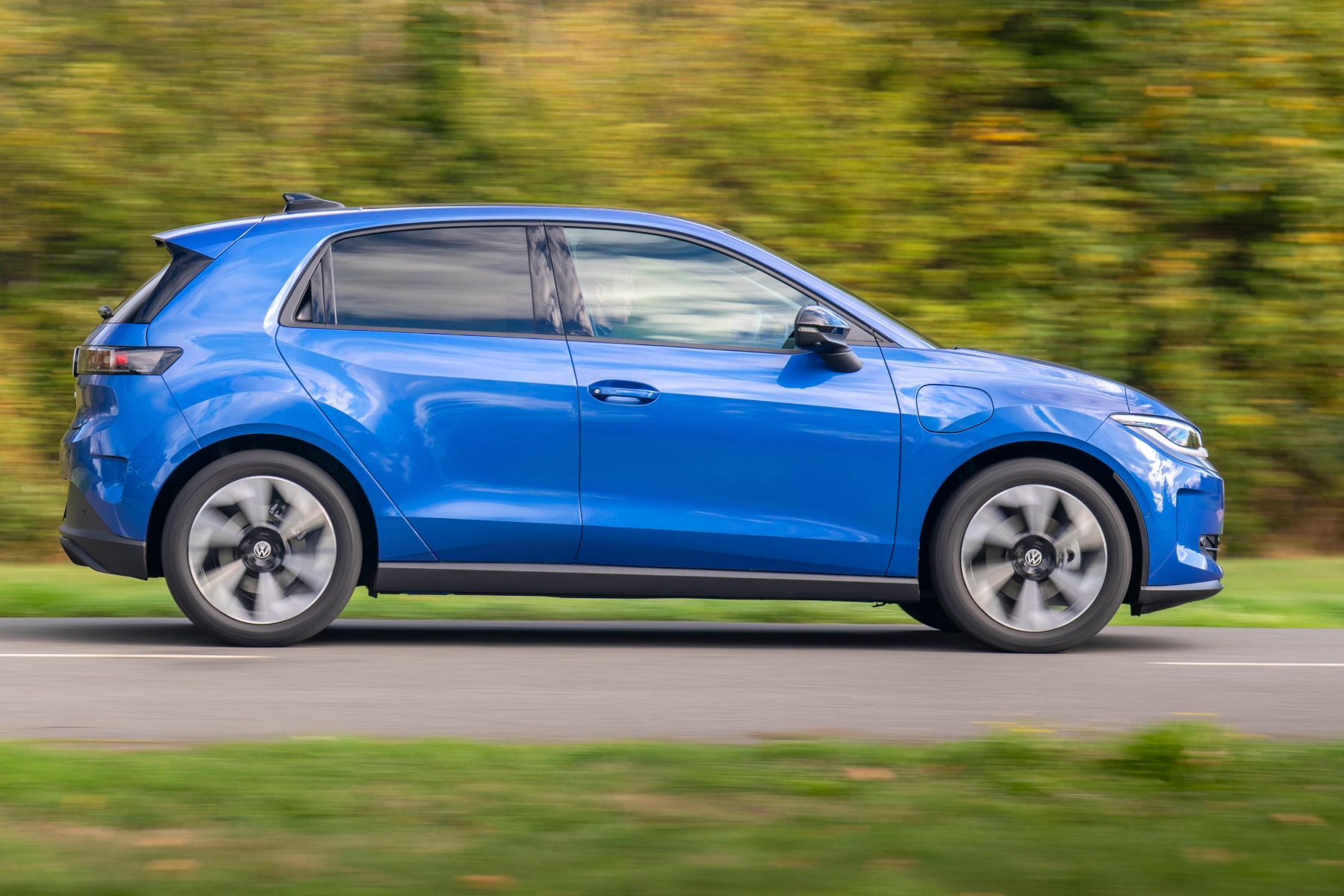
The ID.Polo handles well, providing an excellent basis for the upcoming GTI version.
It’s composed and rides smoothly for the most part, only becoming a little fidgety on poor surfaces at faster speeds.
There’s plenty of grip for everyday driving, though as with many EVs, if you plant your right foot on a loose or slippery surface, the front wheels will struggle for traction.
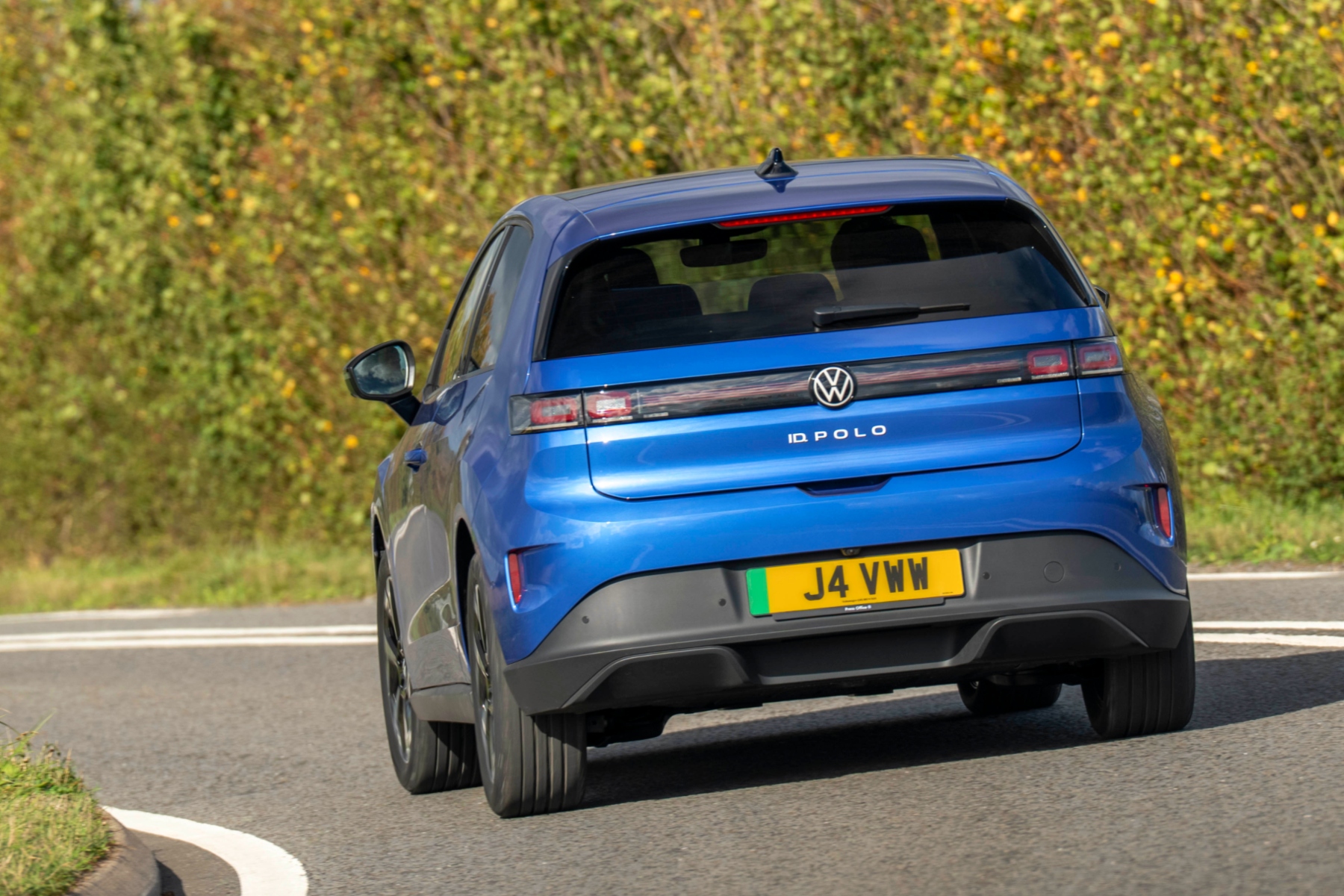
Volkswagen has clearly also listened to feedback when it comes to the braking system. In my experience, all the IDs have suffered from spongey brakes, but the ID.Polo’s are progressive, which gives you the confidence to push on.
There are three drive modes (Eco, Comfort and Sport), plus a configurable Individual mode. As ever, Eco is fine in town and Comfort offers the best balance of efficiency and performance.
Sport mode is fun for the odd short blast, but the ID,Polo is already fast enough for a small family EV.
Body lean is well controlled in more challenging corners, so there is a bit of fun to be had on the twisty bits, but if you’re looking for a truly dynamic drive that will put a smile on your face, I think you’ll have to wait for the GTI.
If I had to nit-pick, I’d like to have paddles behind the steering wheel to control the regenerative braking, rather than a B mode on the gear selector and settings within the touchscreen, but it’s not a deal-breaker.
During mixed driving I achieved a very decent 3.9 miles per kWh. On shorter, well-behaved runs I managed an impressive 4.4m/kWh, so the ID.Polo is efficient.
Real-world range for the 52kWh battery is probably closer to 230-240 miles, rather than the claimed 281 miles. The smaller 37kWh battery should be good for close on 170 miles (205 miles).
Verdict: Volkswagen has finally found its EV mojo with the ID.Polo. While it doesn’t move the dial on the compact electric car scene, it’s a classy, efficient, surprisingly spacious supermini that’s easy to drive and competitively priced.
Review in association with AutomotiveBlog

Leave a Comment
More in News

2027 Jeep Compass Starts at $31,985 With Standard Adaptive Cruise Control

2027 Mazda CX-90 Priced From $39,700 With New Two-Row Model

What You Need to Drive Abroad From the UK (and What It Costs)

Every Driver Saves £4 a Tank if Fuel VAT Drops to 15%, Says RAC

Ram Recalls 8,329 Heavy-Duty Trucks Over a Defect That Can Disable Stability Control
Trending on Motoring Chronicle
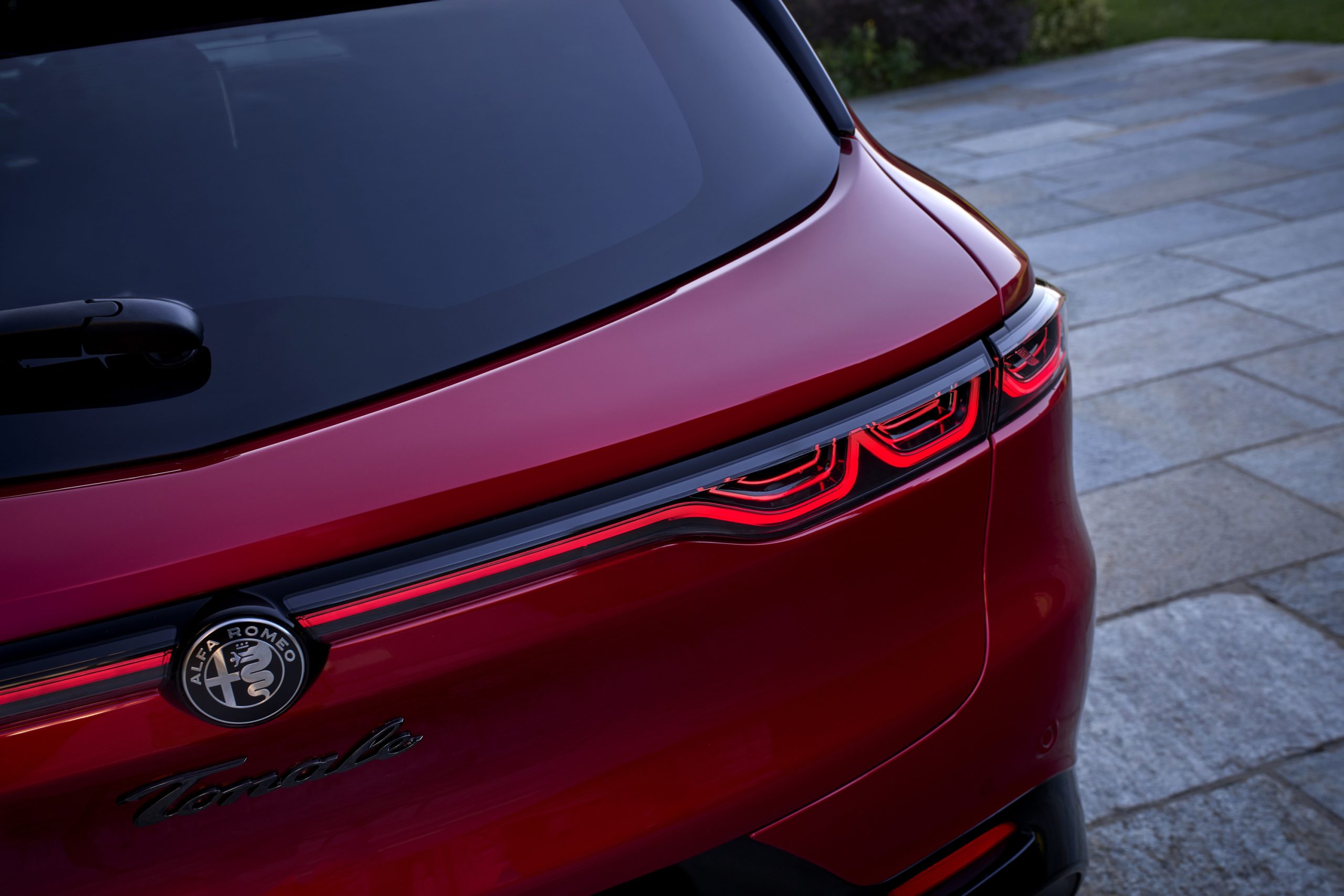
Alfa Romeo Unveils the 2026 Tonale: The Most Expressive and Dynamic Yet

More Than Half of Glasgow’s Clean Air Zone Fines Are Overturned on Appeal

Dodge Hustles Harder: Introducing First Dodge Charger Hustle Stuff Drag Pak

Kia EV5 review: The electric alternative to the best-selling Sportage family SUV