
Mercedes Recalls 30,000 Maybach and S-Class Models Over Failing Brake Hoses
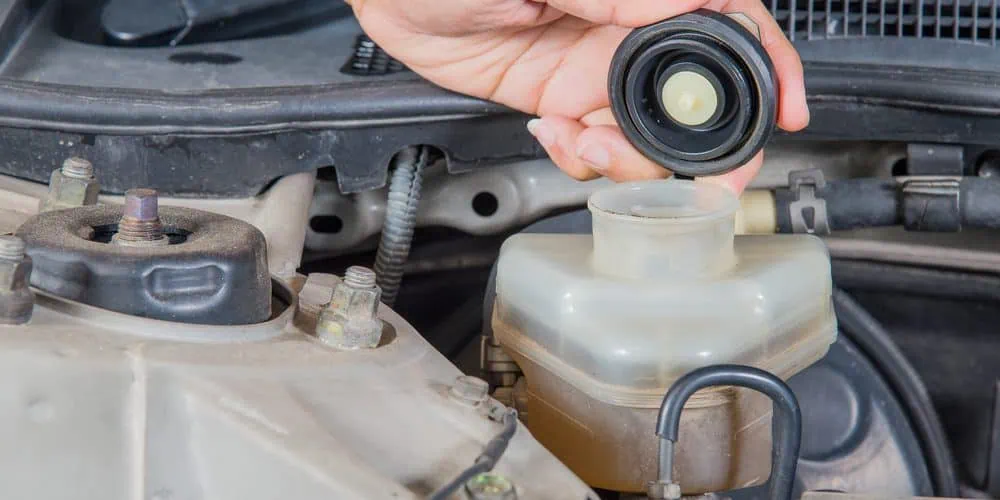

- Mercedes-Benz has expanded a brake hose recall to roughly 30,064 S-Class, Maybach and AMG sedans built between early 2021 and late 2024.
- The company spent more than a year pointing to hot, humid weather as the cause before engineers traced the real problem to hoses that never met Mercedes’ own durability specifications.
- Owners get mailed notices by November 27, 2026, and dealers replace both front brake hoses for free; a VIN check at nhtsa.gov works right now, without waiting for a letter.
The Explanation That Didn’t Hold Up
Mercedes-Benz is telling the owners of some of its most expensive sedans that a front brake hose can rupture and drain fluid onto the ground, with no alert on the dashboard until after it happens. The expanded recall, filed with the National Highway Traffic Safety Administration as campaign 26V638, covers S-Class, Maybach and AMG models built at the automaker’s Sindelfingen, Germany plant between February 2, 2021 and November 28, 2024. It folds in cars that Mercedes first tried to explain with a theory about hot weather, a theory that fell apart once reports started arriving from drivers in climates that looked nothing alike.
The expansion lands on six specific trims. Mercedes counts 16,881 S 580 4MATIC sedans, 7,143 S 500 4MATIC sedans, 2,277 S 580e plug-in hybrids, 1,746 AMG S 63 E Performance sedans, 1,070 Maybach S 680 sedans and 947 Maybach S 580 sedans in the expanded population. Owners don’t have to wait for a letter to find out if their car is included. A VIN entered at nhtsa.gov/recalls pulls up the answer immediately, and dealers can run the same check at the service counter.
How a Climate Theory Fell Apart
Mercedes opened the original service campaign in February 2025 after reports of leaking front brake hoses, covering 20,339 cars from the 2021 to 2023 model years under recall number 25V116. Engineers pointed first to hot, humid weather: early complaints clustered in warm-climate states, and the company figured heat and humidity were breaking down the rubber inside the hose. Owners in Arizona and Florida got letters that year. Owners in Minnesota and Maine didn’t.
Then reports started coming in from cold, dry regions where the hot-weather theory made no sense at all. Mercedes kept the remaining cars under watch and sent suspect hoses to Continental Automotive Technologies, the Frankfurt-based supplier that manufactured them, for lab testing. The answer, laid out in the company’s filing with NHTSA: the hoses never met Mercedes’ own durability specifications in the first place. Front brake hoses flex every time the suspension moves, absorb heat thrown off by the brakes themselves, and sit exposed to road moisture for years at a stretch. Climate never drove the failures. The parts were built to a lower standard than Mercedes thought it had ordered, and a July 2026 engineering review concluded that every S-Class, Maybach and AMG S-Class built before a redesigned hose entered production could carry the same risk.
No Dashboard Warning Before It Fails
A ruptured hose drains fluid from one of the car’s two separate hydraulic brake circuits. The remaining circuit still stops the car, just with a longer stopping distance and a pedal that takes noticeably more pressure to work. Mercedes says the first sign most drivers notice is a red brake fluid warning light on the instrument cluster, and that light only comes on after fluid has already started leaking out. There’s no advance alert built into the car.
Mercedes has logged three field reports tied to the expanded population so far, in April, May and August of this year, and the company says it has no reports of a crash or injury connected to the defect. That’s a small count set against 30,064 cars, and it’s exactly why Mercedes widened the recall rather than wait for the number to grow: the underlying hose problem doesn’t depend on where the car lives or how it’s driven.
What Owners Should Do Now
Dealers will replace both front brake hoses at no charge, and Mercedes says written notices will reach owners and lessees no later than November 27, 2026. Drivers who don’t want to wait for the mail have two faster paths: call Mercedes-Benz customer assistance at 1-800-367-6372, or check a VIN directly through NHTSA’s lookup tool at nhtsa.gov/recalls. NHTSA’s own Vehicle Safety Hotline, 1-888-327-4236, can also confirm an open recall and walk an owner through next steps.
A few warning signs are worth watching for before a letter even arrives: a fluid reservoir that keeps dropping below the “MIN” line, a brake pedal that feels soft or sinks slowly while the car sits still, a puddle of clear or amber fluid under the front end, or a stopping distance that feels longer than it used to. A pedal that sinks on its own while parked is the one sign that calls for pulling over and arranging a tow rather than driving to a shop. Anyone who sees the red brake fluid light should get the car looked at right away instead of waiting to see if it happens again.
A Pattern of Large Recalls at Mercedes This Year
The brake hose campaign isn’t Mercedes’ only large recall of 2026. In May, the automaker recalled about 144,049 newer C-Class, E-Class, GLC, CLE, SL and AMG GT vehicles after finding that a software reset in the infotainment system could briefly blank out the speedometer and warning lights on the instrument cluster. That campaign started as an over-the-air software push before NHTSA required the automaker to file it as a formal recall rather than a quiet fix. Between the two campaigns, Mercedes has now told well over 170,000 US owners this year that something in the car needed attention before it turned into a bigger problem.
A recall number that starts with the letter “V,” like 26V638, marks a vehicle-level safety recall in NHTSA’s public database. Every filing under that number includes the automaker’s own description of the defect, the population of affected vehicles, and the remedy owners are entitled to receive at no cost, regardless of whether the car is still under warranty or has changed hands since it was built.
Buying a Used S-Class? Check the VIN First
Anyone shopping a used S-Class, Maybach or late-model AMG S-Class built between 2021 and 2024 should run a VIN check at nhtsa.gov before signing paperwork. Open recalls carry over to a car’s next owner, and the free dealer repair applies no matter who owns the car when the hose finally gets replaced. A clean VIN check isn’t proof the repair has already happened, either: a recall can show as open even on a car currently sitting on a used lot, so buyers should ask the seller or dealer directly whether the brake hose work has been completed, and get it in writing if the answer is yes.
Sources:
- autoevolution: Mercedes Expands S-Class Brake Hose Recall After Climate Theory Fell Apart
- FOX 7 Austin: Mercedes recalls over 30,000 of its most expensive models
- Motor Authority: Mercedes-Benz S-Class recalled for potentially faulty brakes
- BizzyCar: May 2026 Mercedes-Benz Recall for Infotainment Reset / Cluster Interruption Affecting 144,049 Vehicles
- Sunbit: 7 Warning Signs of Brake Fluid Problems and How to Fix Them

Leave a Comment
More in News

Why Gas Prices Are Falling From Their October Record High

How to Clear a Musty Car AC Smell Before It Costs a £300 Repair

14 Percent of Keyless Car Owners Faced a Relay Theft Attempt, DVLA Data Shows

I travelled down the Champs-Élysées and around the Arc de Triomphe in a self-driving car

Every New Car Buyer Could Lose EV Discounts as Manufacturer Fines Drop by £3,000
Trending on Motoring Chronicle
What the Bike Box Rule Means for Drivers Facing £100 Fines This Bike Week

How DVSA Data Reveals Which Driving Test Centres Give You the Best Odds
Why Your Sunglasses Could Be Illegal Behind the Wheel During Britain’s Fourth Heatwave
Rolls-Royce Motor Cars presents the Phantom Centenary Private Collection: a defining statement, 100 years in the making [Photo Gallery]
