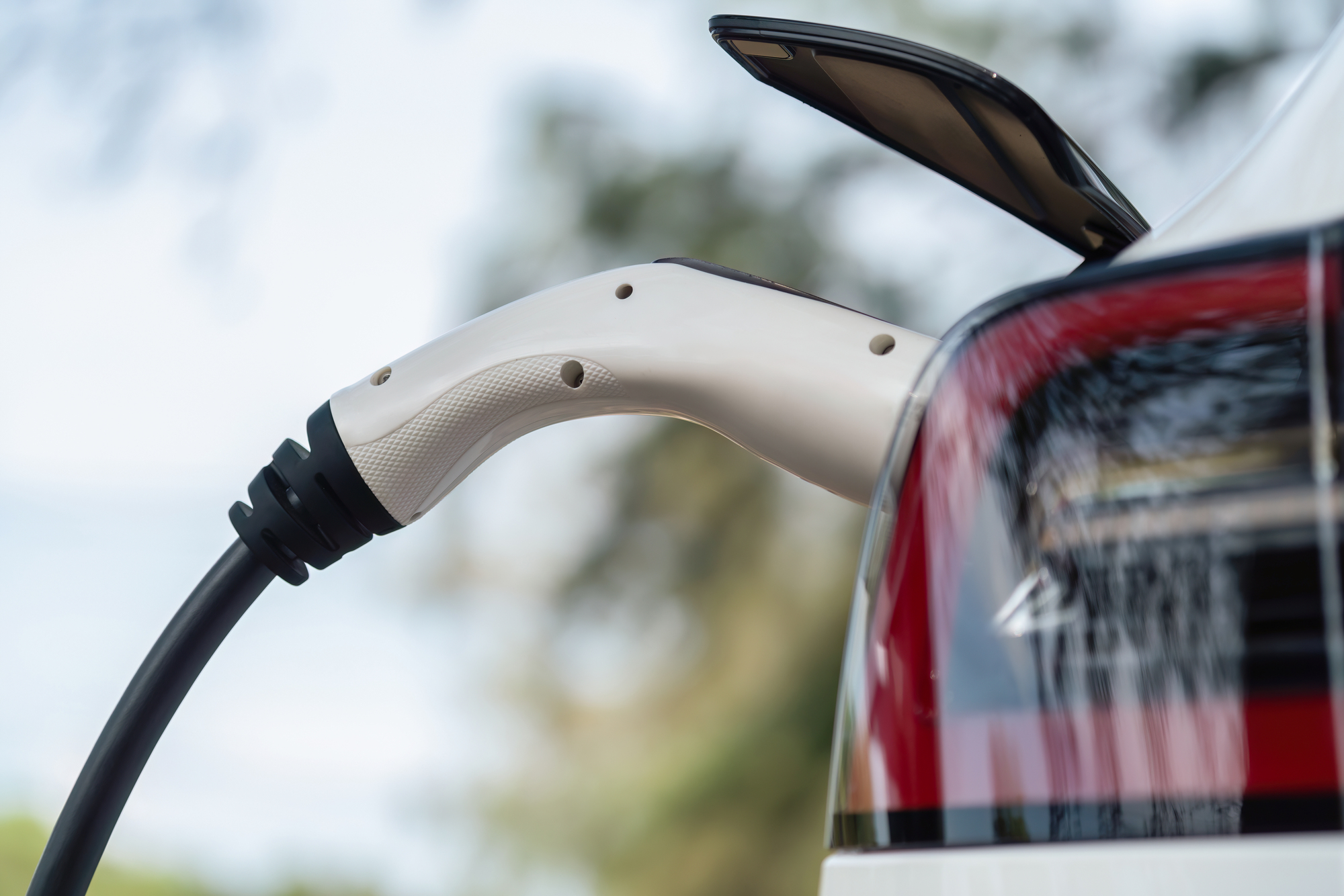
Every New Car Buyer Could Lose EV Discounts as Manufacturer Fines Drop by £3,000


- The fine car makers pay for missing the UK’s zero emission vehicle sales targets has been cut from £15,000 to £12,000 per non-compliant car, with similar reductions for vans.
- Manufacturers can now borrow compliance credits from future years and trade van credits for car credits, easing the pressure that has driven £3.1 billion of electric car discounts in the past year.
- Campaigners at Transport and Environment warn the looser rules could mean 1.4 to 3 million fewer electric cars sold in Britain by 2030, which would mean thinner discounts for buyers shopping now.
The Rule That Has Been Quietly Funding Your EV Discount
Every new car buyer browsing an electric model in a UK showroom this year has been shopping inside a market shaped by a regulation most of them have never heard of. The zero emission vehicle mandate forces manufacturers to sell a rising share of electric cars each year or pay a fine for every non-compliant vehicle on the forecourt. That fine has been the single biggest reason electric cars have carried such heavy discounts. The government has now loosened the rules around it, and the changes arrived with almost no coverage outside the trade press, even though they directly affect how much any buyer pays for a new car over the next four years.
What Actually Changed
Three changes took effect. First, the fine for missing the mandate dropped from £15,000 to £12,000 for every non-compliant car registered, and from £18,000 to £15,000 for every van. Second, manufacturers can now borrow compliance credits from future years if they fall short in the current one, a flexibility that was due to expire but has been extended. Third, a new exchange mechanism lets a manufacturer swap one car credit for 0.4 van credits, or one van credit for two car credits, giving fleets more room to balance their overall numbers rather than hitting the target model by model. Manufacturers registering fewer than 2,500 vehicles a year are also exempt from the toughest requirements between 2030 and 2035, and non-plug-in full hybrids, cars like Nissan’s E-Power range that never plug into a charger, can keep selling until 2035 even though pure petrol and diesel sales still stop in 2030.
Why This Changes What You Pay
The connection between a manufacturer compliance fine and a showroom discount is not abstract. Analysis from the campaign group Transport and Environment found that electric car buyers received £3.1 billion in combined manufacturer discounts and government grant support in the 12 months to July 2026, an average of £5,442 off a BEV. That spending exists for one reason: missing the mandate used to be expensive enough to justify it. Every change that makes the fine smaller, or makes it easier to avoid through borrowed or traded credits, removes a little of the financial logic that paid for those discounts in the first place. Transport and Environment’s own warning is blunt: weakening the mandate’s effective pressure could mean between 1.4 million and 3 million fewer electric cars sold in Britain by 2030. Fewer electric cars being pushed through the market generally means less urgency to discount the ones that remain: manufacturers no longer need to hit a volume target that carries a serious financial penalty for missing it.
Petrol and Diesel Buyers Are Not Exempt From the Effect
Transport and Environment’s figures show manufacturers spent £7.6 billion discounting petrol, diesel and hybrid cars over the same 12 months, more than twice the sum spent discounting EVs, with average discounts of £5,411 on petrol cars and over £6,000 on diesel and plug-in hybrid models. Some of that spending has come from the same pressure: manufacturers have used heavy combustion-car discounts to clear stock while they juggle their overall compliance mix. If the mandate’s flexibilities make that juggling easier, the heavy discounting on petrol and diesel stock that buyers have become used to this year could also soften. Manufacturers will have less need to shift volume quickly to balance their credit position before the end of the compliance year.
Who Carries the Compliance Burden
Not every manufacturer feels the mandate the same way. A brand that already sells a high proportion of electric models, such as several of the premium German and Chinese manufacturers now active in the UK market, clears its target with room to spare and has little need to discount anything to stay compliant. A brand still selling mostly petrol and diesel models, or one with a smaller, less mature EV range, sits much closer to the line and has used discounting as the fastest way to shift the sales mix before the compliance year closes. Those are the manufacturers whose pricing strategy is most exposed to this change. With fines lower and credit borrowing easier, a manufacturer that previously discounted aggressively in November and December to avoid a fine has more room to spread that effort across a longer period, or to rely on banked credit instead of a price cut. For buyers, that means the steepest, most urgent discounts, the kind that appear toward the end of a manufacturer’s financial year as a scramble to hit the target, are the ones most likely to shrink first.
What to Do if You Are Shopping Now
Nobody in government or the industry has said discounts will disappear overnight, and manufacturers that have already committed to this year’s electric sales targets have no reason to pull current offers mid-campaign. The practical risk sits further out, in the 2027 and 2028 model years, once the new credit-borrowing and credit-exchange flexibilities start showing up in how manufacturers plan their ranges. A buyer close to ordering an EV has little reason to wait for a better deal on the strength of this change: nothing points to the current generation of discounts improving. A buyer planning to order next year has more reason to watch manufacturer announcements closely, compare the government’s Electric Car Grant terms before they change again, and treat any current offer on an electric model as something unlikely to be repeated once the mandate’s new flexibilities are fully in use. The mandate’s headline target, a rising percentage of electric sales every year through 2030, has not moved. What has moved is how much it costs a manufacturer to miss it, and that number has always been the real driver of the discount sitting on the windscreen, which is worth remembering the next time a salesperson describes a price cut as a limited-time gesture of goodwill rather than a regulatory calculation.
The Fine Was Already Falling Short
Industry figures have argued for more than a year that the original £15,000 fine was too blunt an instrument, pointing out that a manufacturer selling a high volume of low-margin cars could absorb the penalty across thousands of vehicles more easily than a smaller specialist brand building a few hundred cars a year. That argument is part of why the government agreed to soften the mechanism rather than scrap it outright, alongside pressure from manufacturers warning that rigid annual targets left them exposed to a single bad sales quarter even if their average performance across several years was on track. The credit-borrowing flexibility addresses exactly that complaint: a manufacturer that has a strong EV year can bank the surplus and draw on it later, smoothing out the kind of short-term panic discounting that has defined the UK new car market for much of 2026. Whether that smoothing effect reaches buyers as steadier, more modest discounts spread across the year, or simply as smaller discounts overall, is the open question the next twelve months of sales data will answer.
Motoring Chronicle has also reported on how new cars face Euro 7 emissions rules from 29 November with a £264 price rise, another regulatory change reshaping what new car buyers pay this year.
Sources:

Leave a Comment
More in News

Why Gas Prices Are Falling From Their October Record High
Mercedes Recalls 30,000 Maybach and S-Class Models Over Failing Brake Hoses

How to Clear a Musty Car AC Smell Before It Costs a £300 Repair

14 Percent of Keyless Car Owners Faced a Relay Theft Attempt, DVLA Data Shows

I travelled down the Champs-Élysées and around the Arc de Triomphe in a self-driving car
Trending on Motoring Chronicle

Hyundai Motor’s XCIENT Fuel Cell Truck Fleet Achieves 20-Million-Kilometer Milestone in Europe

Superhero Supercar Returns: Acura NSX Roadster from Marvel’s The Avengers to Appear at Monterey Car Week
Why Flying Without a REAL ID Will Cost You $45 Starting Feb. 1

Ford Recalls 36,046 Bronco Raptors Over Fender Flares That Can Fly Off at Speed