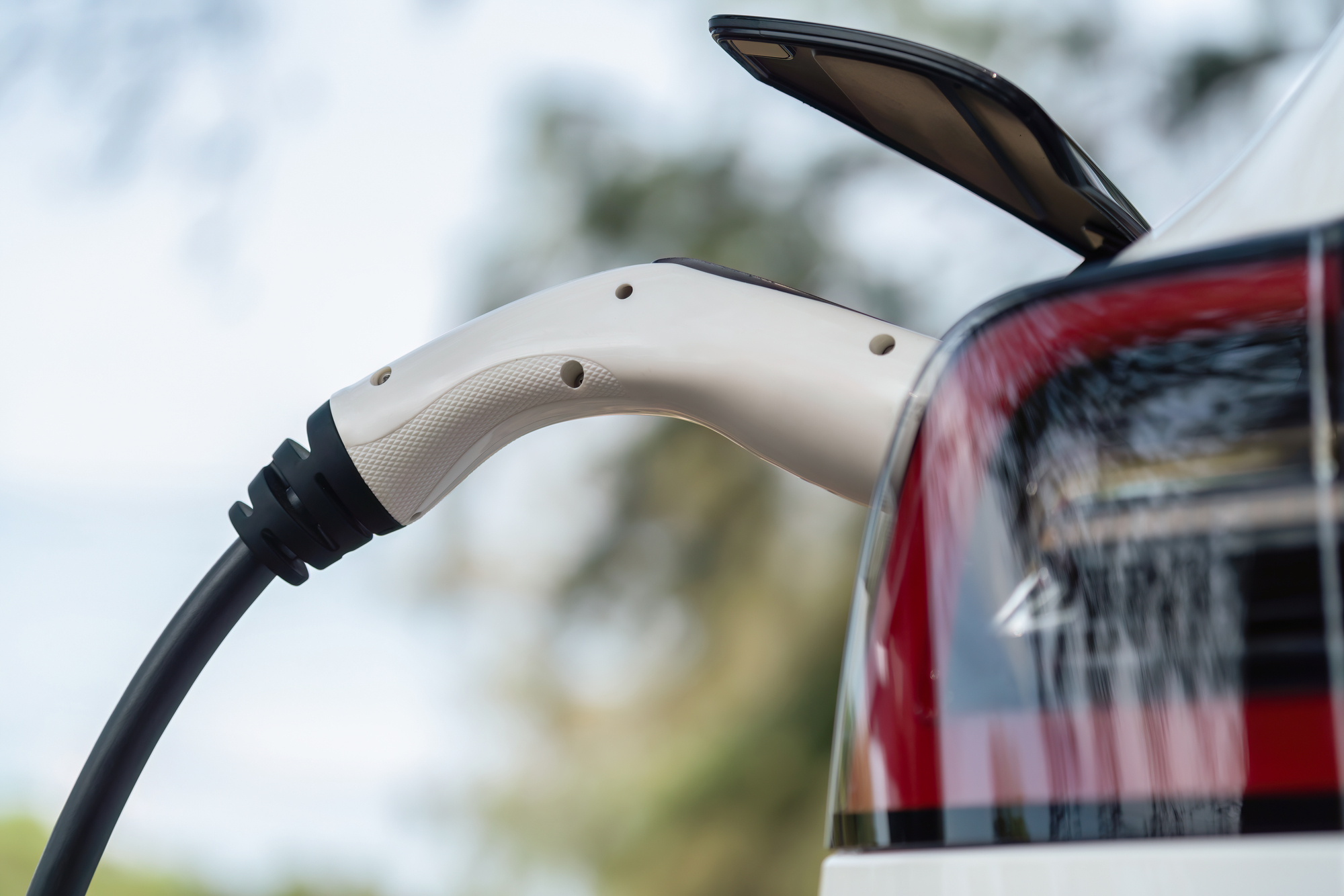
Gas Prices Hit a Record High for October as California Tops $6.34 a Gallon


- The national average for a gallon of regular gas has reached its highest level ever recorded for this point in October, now sitting above $4.36.
- California leads the country at $6.34 a gallon, while Ohio is the cheapest state at $3.71.
- Prices are up roughly $1.25 from a year ago, even after dipping slightly from the previous week.
The pump is charging more than it ever has in October
Drivers filling up this month are paying more than any October on record. AAA’s daily fuel gauge survey puts the national average for regular unleaded at $4.3612 a gallon, a level the organization says is the highest ever recorded for this time of year. That number has actually eased slightly from the week before, when the average stood at $4.4137, a drop of about 5 cents. But measured against a month ago, prices have climbed 21 cents from $4.1514, and against a year ago, drivers are paying roughly $1.25 more per gallon than they were at this point in 2025, when the average sat at $3.1156.
That combination, a small weekly dip layered on top of a sharp year-over-year jump, is what makes this month unusual. Gas prices typically ease in the fall as summer driving season winds down and refineries switch to cheaper winter-blend fuel. This year, prices have stayed elevated even as that seasonal relief kicked in, leaving the national average still far above where it has sat in past Octobers.
Where the pain is worst, and where it is lightest
Location still matters enormously. California remains the most expensive state in the country at $6.34 a gallon, nearly $2 above the national average, a gap driven by the state’s higher gas taxes, its separate low-carbon fuel standard, and a patchwork of refinery capacity that leaves the West Coast more exposed to local supply disruptions than other regions. Hawaii follows at $5.63, reflecting the added cost of shipping fuel to an island state, then Washington at $5.46, Nevada at $5.45, and Alaska and Oregon tied at $5.02. Idaho, Utah, Arizona, and Illinois round out the ten most expensive states, all above $4.60 a gallon.
At the other end, Ohio has the cheapest gas in the country at $3.71 a gallon, with Indiana close behind at $3.72. Georgia, Texas, Mississippi, Louisiana, Tennessee, Alabama, Arkansas, and Missouri fill out the ten cheapest states, all under $4.03. The spread between the most and least expensive states, roughly $2.63 a gallon, means a 15-gallon fill-up costs almost $40 more in California than it does in Ohio, a gap that has very little to do with how far either state’s gas has to travel and much more to do with state tax structure and fuel formulation rules.
What is keeping prices this high
A run of elevated prices through the back half of 2026 traces back to a mix of global and domestic pressures: tighter crude supply tied to geopolitical disruptions affecting shipping routes through the Strait of Hormuz earlier in the fall, refinery capacity that has not kept pace with demand during peak driving periods, and a federal policy environment that has pulled back on some fuel economy requirements for new vehicles even as pump prices climb. Diesel has followed a similar trajectory, with truckers reporting fill-ups well over $1,200 a tank at some points this fall as diesel prices pushed past $6 a gallon, a cost that works its way into the price of everything hauled by truck, including groceries and retail goods.
Typically, the shift to winter-blend gasoline in September and October lowers refining costs and should ease prices at the pump. That seasonal relief appears to be happening this year too, hence the small weekly dip AAA recorded, but it is happening from a much higher starting point than in past years, so the net effect for drivers is still a near-record bill at the pump.
What this means for a household budget
For a driver putting 1,000 miles a month on a vehicle that averages 25 miles per gallon, the jump from last October’s roughly $3.11 average to this October’s $4.36 average adds up to about $50 more spent on gas every month, or roughly $600 more over a year, just from the national average moving the way it has. Drivers in California or Hawaii are looking at a far steeper hit, while those in Ohio, Indiana, or Georgia are getting some of the mildest relief available anywhere in the country right now.
Households looking to soften that hit have a few practical levers: AAA and fuel-tracking apps like GasBuddy can help drivers find the cheapest stations nearby, since prices can vary by 30 cents or more between stations in the same metro area. Loyalty programs run by grocery chains such as Kroger and warehouse clubs like Costco and Sam’s Club often shave several cents per gallon off the price for members. Combining errands into fewer trips, keeping tires properly inflated, and avoiding unnecessary idling all have a measurable, if modest, effect on fuel consumption over a month of driving.
What happens next
AAA updates its fuel gauge survey daily, and the next few weeks will show whether the seasonal dip that started this fall holds or reverses as refineries complete their winter-blend transition and any new supply disruptions emerge. Diesel trends, which have moved largely in step with gasoline this year, are worth watching too, since a continued run-up in truck fuel costs tends to filter into retail prices for goods a few weeks later. Drivers can track the national and state-by-state averages directly at gasprices.aaa.com.
Sources:

Leave a Comment
More in News

Why Drivers Over 70 Pay £480 for Car Insurance While Everyone Else’s Bills Fall

How Ford’s Recall of 41,748 Trucks and SUVs Could Leave Your Headlights Dark

Why 265,512 Ram ProMaster Vans Could Lose Power Steering Without Warning

Volkswagen Recalls 22,524 ID.4 EVs Over Battery Fire Risk, Caps Charging at 80%
Every Car Finance Claimant Waits Longer for an Average £830 as FCA Hearing Slips
Trending on Motoring Chronicle

Kia EV2 Qualifies for Full £3,750 Electric Car Grant From £24,245

A showcase of speed, elegance, and beauty: the Brouillard debuts in Europe at Wheels Mariënwaerdt
Why a Cracked Windscreen Now Costs Drivers Up to £800 to Fix

Why Your Next Car’s Theft Risk Now Comes With Its Own Rating