
How Bus Lane Cameras Earned Councils £37.7 Million by Fining UK Drivers This Year

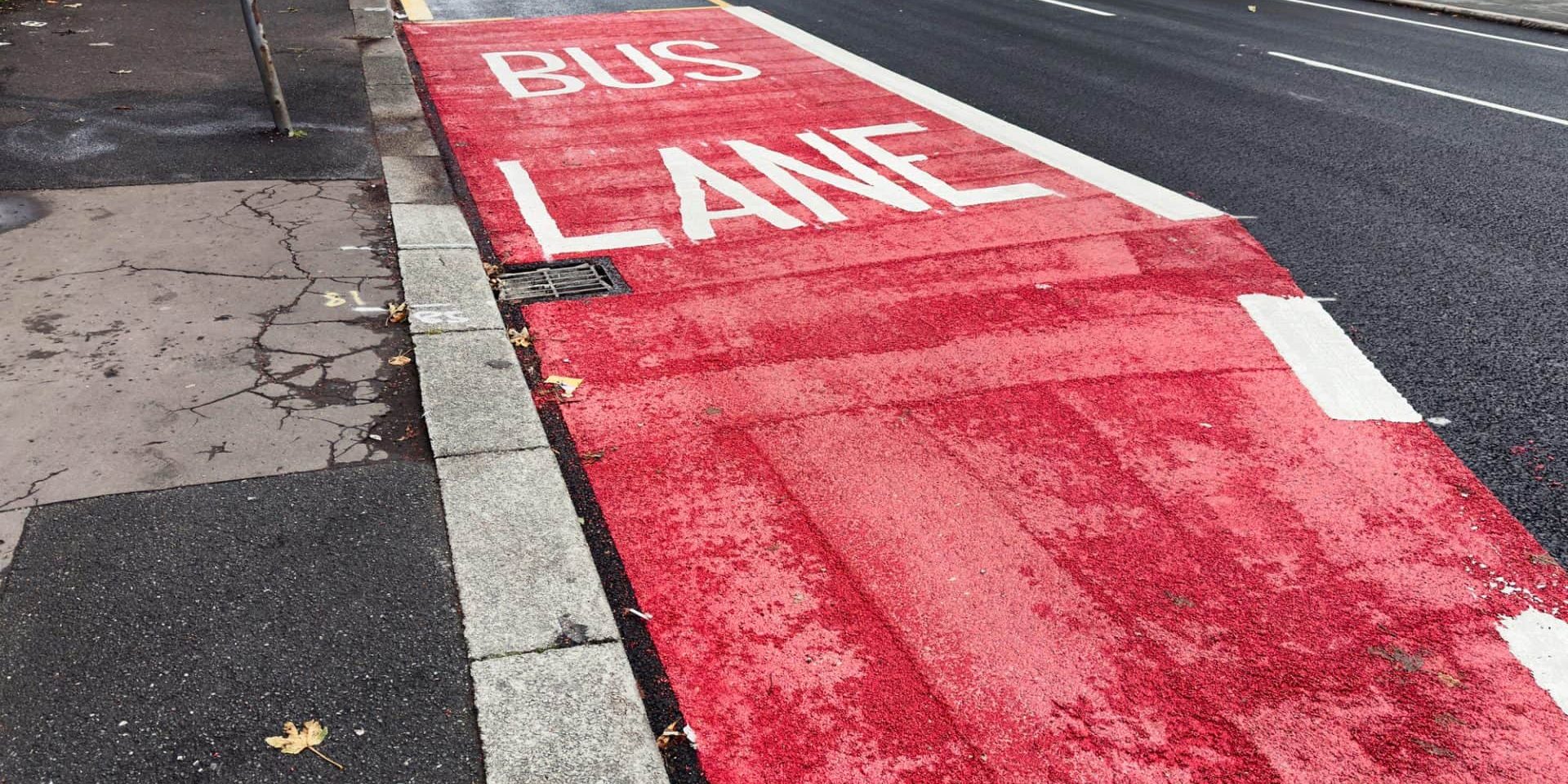
- UK councils and transport authorities issued more than 1.17 million bus lane and bus gate fines in the first six months of 2026, one roughly every 13 seconds.
- Those fines raised more than £37.7 million in six months, over £200,000 a day, according to a Freedom of Information analysis by MoneySuperMarket.
- Manchester, Transport for London, Birmingham and Sheffield each collected more than £1.7 million on their own, and drivers can still get a fine cancelled if the right grounds apply.
One bus lane fine every 13 seconds
Somewhere in Britain, a camera is issuing a bus lane penalty notice roughly once every 13 seconds. Over the first six months of 2026, councils and transport authorities across England, Scotland and Wales issued more than 1.17 million bus lane and bus gate fines, according to Freedom of Information data analysed by MoneySuperMarket. Between them, those fines raised more than £37.7 million, averaging over £200,000 collected every single day of the year so far.
Unlike speeding or parking enforcement, which most drivers expect to encounter at some point, bus lane fines tend to catch people by surprise. There is no flash, no warning letter at the roadside and often no human being involved at all. A camera records the vehicle, checks the time against the restriction hours for that stretch of road, and if the car was not permitted to be there, a penalty notice follows in the post days later.
The cities making the most money from bus lanes
The FOI data names Manchester as the single biggest earner from bus lane enforcement, collecting £2,726,409 in the first half of the year. Transport for London was close behind on £2,374,283, followed by Birmingham on £2,165,600 and Sheffield on £1,700,741. Two Scottish councils between them took more than £2.8 million over the same period: Glasgow City Council topped the Scottish table, while Edinburgh collected £1,186,458 from 28,897 penalty notices, enough to rank ninth nationally and second in Scotland.
Leeds shows how quickly the fines add up even outside the very top earners. The city issued 53,009 bus lane penalties in the first six months of the year, ranking fifth nationally for the number of fines handed out, behind only Transport for London, Manchester, Sheffield and Bristol, and raised just over £1.4 million from them, sixth highest for revenue. A single council, in other words, can fine more than 50,000 drivers in six months without featuring among the very largest earners by value, simply as its individual fines tend to be set at a lower rate than some other authorities.
How a camera decides you broke the rule
Most bus lane fines are issued under civil enforcement powers that let councils use automatic number plate recognition cameras without a traffic warden present. The camera does not know, and does not care, why a car entered the lane. Drivers who pull in briefly to let a bus pass, who follow a sat-nav route into what turns out to be a restricted bus gate, or who mistake a box junction marking for a general traffic lane can all be fined in exactly the same way as someone who deliberately uses the lane to skip a queue. Many bus lanes only operate in specific hours, often the morning and evening peak, which catches out drivers who know a road well outside those times but misjudge it in a restricted period.
Fighting back: when a bus lane fine can be cancelled
A bus lane penalty notice is not automatically the final word. Every notice carries a deadline, usually 14 to 21 days depending on the authority, inside which the fine can be paid at a reduced rate, typically half the full amount. Drivers who believe the fine was wrongly issued should challenge it in writing within that window rather than paying first and asking questions later. An informal challenge made quickly can still be resolved without losing the discount if it is rejected and the driver chooses to pay anyway.
Common successful grounds include unclear or obscured signage at the point the restriction begins, a genuine need to enter the lane to avoid an obstruction such as a stationary vehicle or roadworks, or evidence that the vehicle had already been sold before the date of the alleged contravention. If a council rejects an informal challenge, the next step is a formal representation, and if that fails too, drivers outside London can take the case to the Traffic Penalty Tribunal, an independent adjudicator that decides the case without charge. London has its own equivalent service for bus lane penalties issued by boroughs and Transport for London. Both routes are free to use and do not require legal representation.
Why enforcement keeps expanding
Camera enforcement of bus lanes has grown steadily, as it is cheap to run once the cameras are installed. A single automatic number plate recognition camera can process thousands of vehicles a day without a warden standing at the roadside, and the penalty income it generates typically covers its own running costs many times over. For a council under pressure to balance its budget, that combination of low running cost and reliable income makes bus lane enforcement an attractive area to expand, which helps explain why the number of penalties being issued keeps climbing even as more drivers become aware the cameras exist.
Local authorities are required to spend surplus income from civil parking and bus lane enforcement on transport-related projects rather than general council spending, such as road maintenance, bus services or further traffic management schemes. In practice this means the money raised from a camera on one road can end up funding work on a completely different part of a council’s network, which is part of why some residents are sceptical when a council describes its enforcement regime purely in terms of keeping bus routes clear rather than as a source of revenue.
What to check before the next fine lands
Most councils publish maps and operating hours for every bus lane and bus gate in their area, and checking a new or unfamiliar route in advance takes only a couple of minutes. Several mapping and route planning apps also flag bus lanes and restricted gates along a planned journey, which is worth switching on for anyone driving somewhere new. With fines being issued more than four times a minute across the country, a few seconds spent checking a route is considerably cheaper than a penalty notice landing on the doormat two weeks later.
It is also worth separating a bus lane camera from the better-known speed camera or red light camera a driver might expect on a busy road. Bus lane cameras are often mounted on lamp posts or small roadside poles rather than the larger grey boxes associated with speed enforcement, and they can be installed and switched on with very little visible warning to drivers who have driven the same route for years without ever being told a new restriction has started. Local newspapers and council websites often carry notice of a new camera going live weeks before it starts issuing fines, which is one more reason regular drivers on a familiar route are worth checking local news for roadworks and traffic order changes near their everyday journeys, not just when planning somewhere new.
A traffic regulation order has to be published and advertised before a new bus lane or bus gate restriction can legally be enforced, and that notice is usually filed with the council and, in many areas, printed in a local newspaper or posted on the council’s own website. It will not stop a camera catching a driver on day one of a new scheme, but it does mean the information was available in advance for anyone who went looking, which can help a driver who needs to argue that a restriction was brought in without proper public notice.
Sources:
- The Scotsman: Bus lane fines 2026, Edinburgh and Glasgow feature in the 10 cities that fined drivers over £1 million in the first six months of the year
- Yorkshire Evening Post: Leeds named one of the worst cities in the UK for bus lane fines as 53,000 motorists penalised
- The Scotsman: £1.1m collected from Edinburgh bus lane fines in first six months of 2026

Leave a Comment
More in News

Drivers Using Rapid EV Chargers Pay 79p a kWh, Up 4 Percent, Zapmap Shows
How to Tell DVLA You Sold Your Car (and Avoid the Buyer’s Fines)
Every New Car Buyer Could Get Bigger Discounts as Britain Misses Its EV Target

What Your Tyre’s Age Actually Means (and When Old Tyres Need Replacing)

Why Drivers Over 70 Pay £480 for Car Insurance While Everyone Else’s Bills Fall
Trending on Motoring Chronicle

100 Years, 100 Cars: Caterham Reveals £48,995 Nürburgring Seven Built for the Green Hell

Some Driving Test Centres Have Waits Five Times Longer Than Others

YANGWANG U9 Xtreme becomes world’s fastest production car, with top speed of 308.4 mph [Photo Gallery]
Every Tenth Driver Risks a £2,500 DVSA Fine by Skipping MOTs to Save Cash
