
Why Your Car Battery Dies in Cold Weather and the Fix That Works
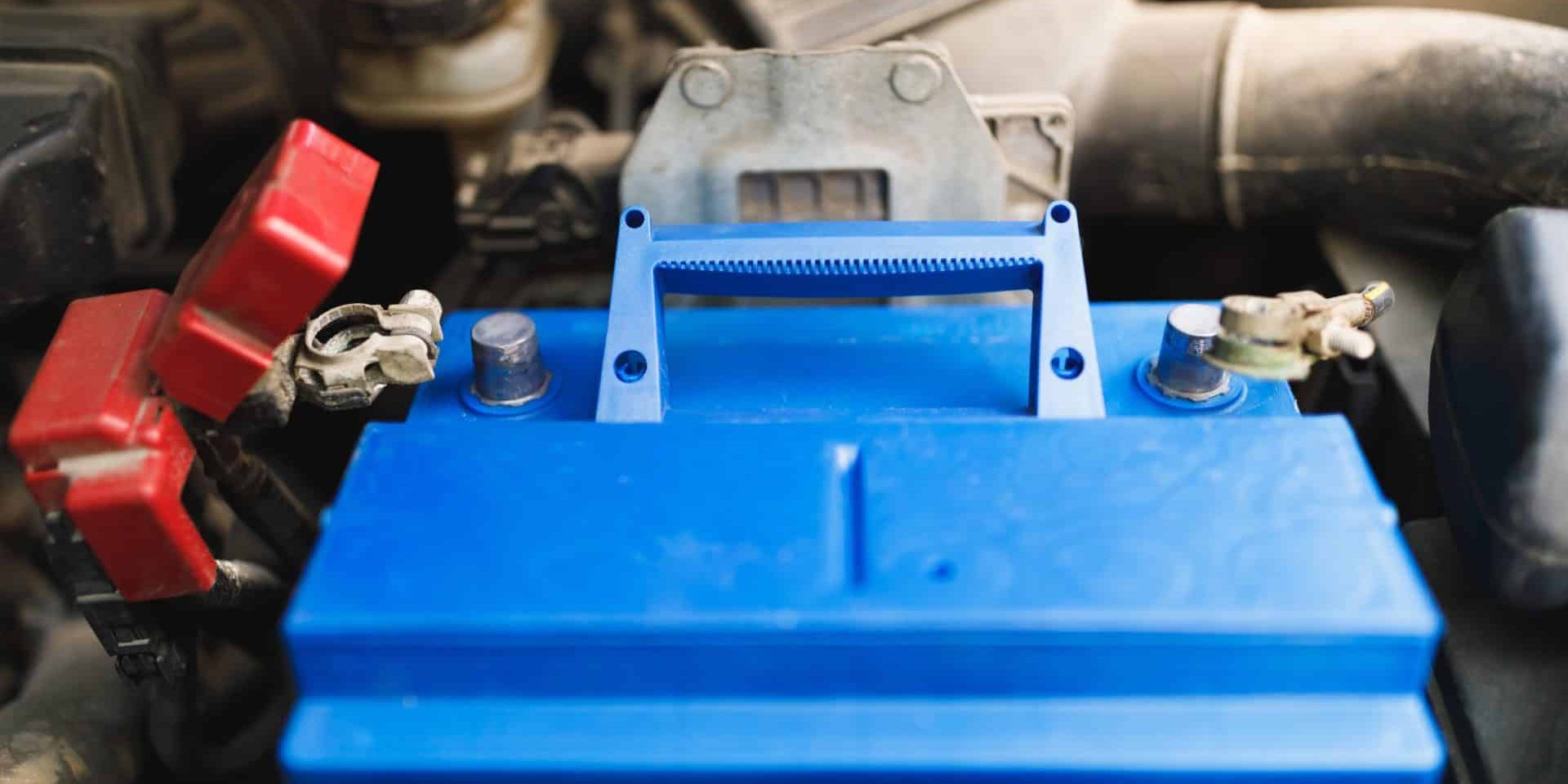
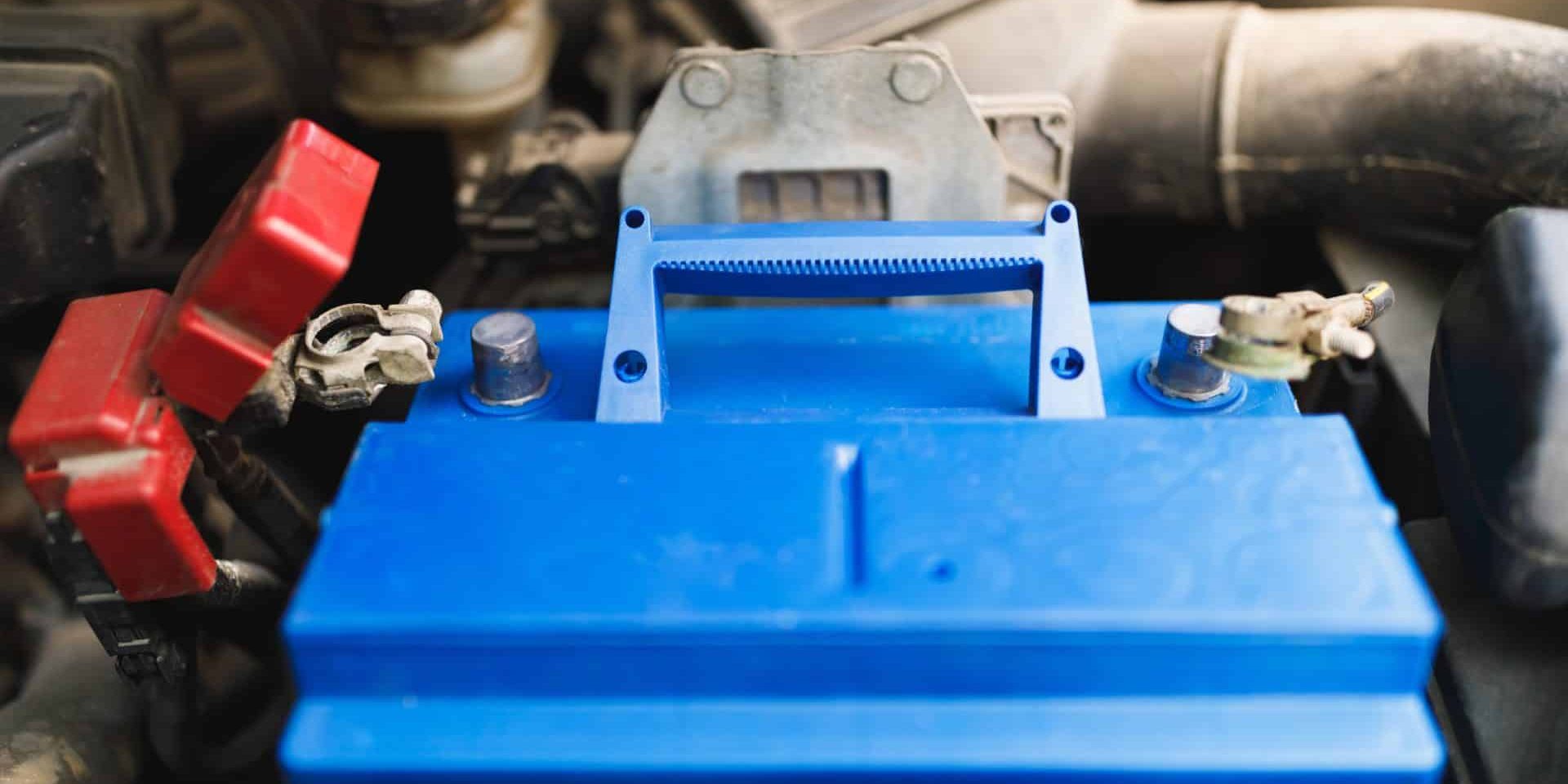
- A car battery can lose more than a third of its power at freezing point, which is why the RAC and the AA both name the battery as the single biggest cause of a car not starting on a cold morning.
- Green Flag projects 472,000 battery-related breakdowns across November, December and January, and November alone has previously seen call-outs jump by more than a quarter compared with the month before.
- A ten-minute check this week, rather than a roadside call-out on a freezing morning, catches most batteries that are about to fail before they actually do.
The Cold Does Not Kill a Battery, It Just Exposes One That Was Already Failing
A car battery works by a chemical reaction, and that reaction slows down as the temperature drops. At 0°C a battery that would comfortably start a warm engine can be putting out barely two-thirds of its usual power, according to figures cited by breakdown organisation GEM. At the same time, cold engine oil is thicker and harder for the starter motor to turn over, so the engine demands more current from the battery at exactly the moment the battery has less to give. A battery in good health usually copes with this. A battery that has already lost capacity, through age, short journeys, or sitting unused, often does not, and the first cold snap of the year is when that gap becomes obvious.
This is why battery failures cluster so heavily in the autumn and winter months rather than spreading evenly across the year. Green Flag has previously recorded battery call-outs rising by more than 25 percent in a single month as temperatures fell, and the organisation projects close to half a million battery failures across the three coldest months. The RAC and the AA both confirm the same pattern from their own call-out data: if a car will not start in cold weather, the battery is by far the most likely reason, ahead of the starter motor, the alternator, or fuel issues.
Why Monday Mornings and Short Trips Make It Worse
Breakdown data consistently shows a spike in battery call-outs on Mondays, as a car that has sat on the drive all weekend has had two or three days to lose charge with nothing running the engine to top it back up. A battery does not need the engine running constantly to stay charged, but it does need regular runs of fifteen minutes or more, as a short five-minute school run or supermarket trip puts back less charge than the car’s electrics, lights, infotainment screen and heated seats take out. Drivers who mostly do short urban journeys are, without realising it, running their battery down slightly every single trip, and a mild autumn disguises that shortfall far better than a frosty morning does.
Modern cars make this worse than older ones in one specific way. A car with stop-start technology, parking sensors, a dashcam left plugged in, and a tracker or alarm system draws a constant small current even when parked with the engine off. None of that is usually enough to cause a problem on its own, but stacked on top of a battery that is already three or four years old and weakened by short journeys, it is often the final push that turns a sluggish start into no start at all.
The Checks That Catch a Failing Battery Before It Fails
Most car batteries last between four and six years, and age is the single best predictor of failure, so the first check is simply how old yours is. The battery usually carries a manufacture date stamped or printed on its casing. If yours is approaching or past the five-year mark, it is worth having it tested rather than waiting to find out the hard way. Most garages, and many motor factors, will run a free load test in a few minutes, which measures how the battery performs under demand rather than just its resting voltage, which can look fine on a battery that is about to fail.
A slow crank, where the engine turns over noticeably more sluggishly than usual before starting, is an early warning sign worth acting on immediately rather than ignoring until it becomes a full failure. Dimming interior lights or a dashboard that flickers when the engine first turns over point the same way. None of these symptoms guarantee a breakdown is imminent, but all of them are worth a five-minute test rather than a shrug, especially heading into the coldest months of the year when the margin for error shrinks.
What Actually Fixes It, Rather Than Just Treats the Symptom
If a battery tests as healthy but the car still struggles on cold mornings, a longer drive once or twice a week, ideally twenty minutes or more at a steady speed rather than stop-start traffic, gives the alternator time to fully recharge what short trips take out. For anyone who cannot easily add a longer drive to their week, a basic smart charger, known as a trickle charger, plugged in overnight every week or two keeps the battery topped up without any driving at all, and most cost less than a single roadside call-out fee.
If the battery tests as weak rather than simply low, replacing it before it fails is the only real fix, and doing so at a motor factor or garage on your own terms costs noticeably less than an emergency roadside replacement, which often carries a call-out premium on top of the battery price itself. Keeping the terminals clean and free of the white or green corrosion that builds up over time also matters more than most drivers realise, as a poor connection can mimic the symptoms of a failing battery even when the battery itself still has plenty of life left in it. A five-minute clean with a wire brush and some petroleum jelly on the terminals, done once a year, costs nothing and heads off a surprising number of cold-morning no-starts before they happen.
When a Jump Start Is Fine and When It Is Masking a Bigger Problem
A single jump start after one unusually cold night is not a sign of anything serious, provided the battery then holds charge normally for the following days. What matters is the pattern. A car that needs jump-starting more than once in a month, or that starts weaker each morning even on days that are not especially cold, has a battery that is losing its ability to hold charge rather than simply struggling with the temperature on one occasion. Treating each jump start as an isolated inconvenience, rather than a signal to get the battery tested, is the most common reason drivers end up stranded on the one morning they most need the car to work, often on the way to an appointment or the school run rather than at a convenient moment.
It is also worth knowing that jump-starting a car repeatedly can shorten the life of the new battery that eventually replaces the failing one, as each jump start draws a large current through the electrical system in a way normal starting does not. If your car has needed more than one jump start recently, having the alternator checked alongside the battery is worth doing at the same visit, as a weak alternator that is not fully recharging the battery while driving will keep draining a brand new battery just as quickly as it drained the old one, meaning a simple battery swap alone will not fix the underlying issue.
Sources:

Leave a Comment
More in News
What a Sudden Heavy Steering Wheel Actually Means for Your Car’s Safety

What a Rate Rising to 9 Percent Means for Every Electric Company Car Driver

Councils Rejected 81 Percent of Pothole Damage Claims From UK Drivers Last Year

Half of UK Drivers Renewing Car Insurance Are Quoted More Than New Customers

Why Some Electric Car Chargers Cost 33p More Per Unit Than Others, Zapmap Finds
Trending on Motoring Chronicle
How Three Penalty Points This Bank Holiday Could Add £108 to Your Annual Insurance Bill
Tool Theft Now Costs UK Tradespeople an Average £2,646, Simply Business Reveals

Kia Prices 2027 K5 From $27,690 as EX Trim Is Cut

Celebrating 50 years of the Škoda 130 RS: A legendary coupé that defined an era [Photo Gallery]
