
How California’s Speed Camera Pilot Works and Where It’s Expanding Next
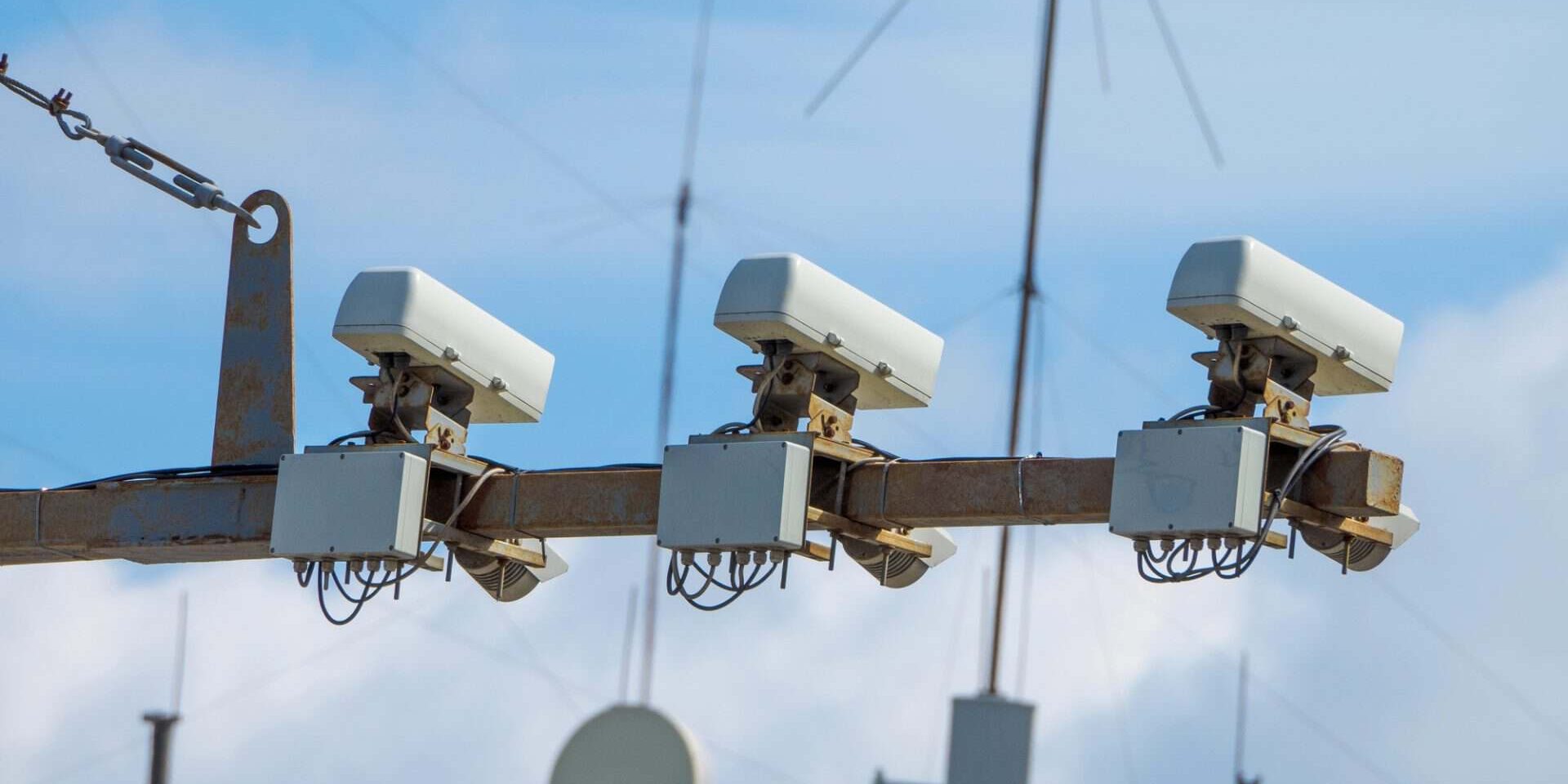
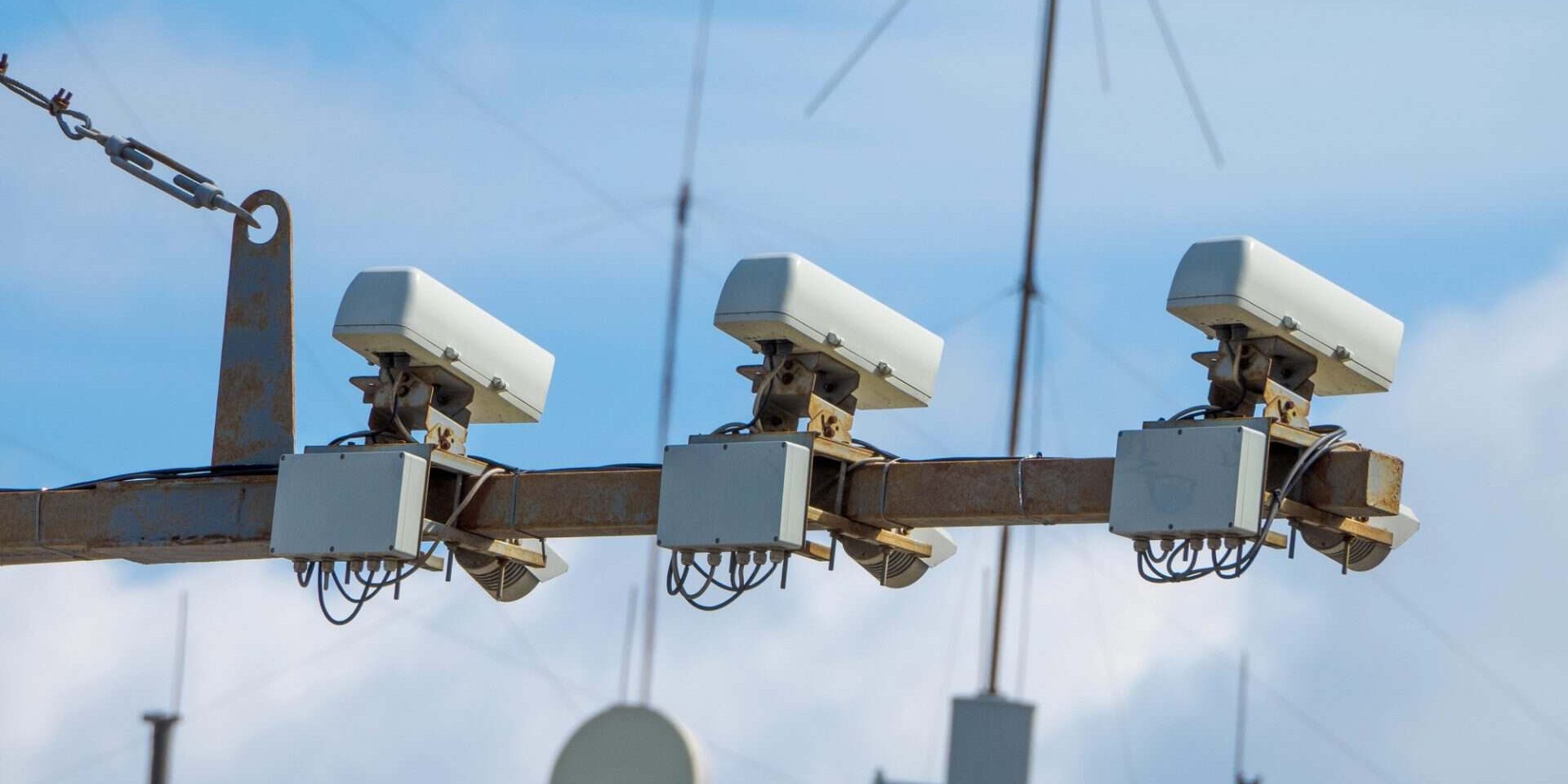
- Long Beach is activating 18 new automated speed cameras this fall, joining Los Angeles as the second city to roll out California’s AB 645 speed camera pilot program, which now covers seven authorized cities statewide.
- Every camera runs a mandatory 60-day warning-only period before any fine is issued, and civil penalties start at $50 for drivers going 11 to 15 mph over the limit, with no license points attached.
- Long Beach’s push follows its deadliest year on the road in more than a decade, with 53 fatal collisions and six deaths in September alone involving pedestrians, cyclists, and motorcyclists.
How California’s speed camera pilot actually works
California Assembly Bill 645, authored by Assemblymember Laura Friedman and in effect as of January 1, 2024, created a strictly limited pilot program for automated speed enforcement, a technology California had banned outright before this law. Seven jurisdictions were named in the legislation: Los Angeles, San Jose, Oakland, Glendale, Long Beach, San Francisco, and, added through later legislation, Malibu. No other California city can legally operate a speed camera under current law, and the entire pilot program is scheduled to sunset on January 1, 2032, unless lawmakers renew it. Any individual camera system installed under the law is capped at five years of operation regardless of when the statewide program ends.
The rules governing where a camera can go are narrower than most drivers expect. AB 645 restricts cameras to three categories of location: high-injury safety corridors identified through crash data, streets with a documented history of illegal speed contests, meaning four or more racing incidents in the prior two years, and school zones. Cameras are explicitly barred from state routes, freeways, and unincorporated county roads, which means the entire program operates on city-controlled surface streets. Every camera captures only the rear license plate, facial recognition technology is banned outright in the statute, and images from a vehicle that isn’t cited get deleted quickly rather than retained.
What a ticket actually costs, and what it doesn’t do
The fine schedule scales with how far over the limit a driver was going. Eleven to fifteen miles per hour over the posted limit brings a $50 civil penalty, with first-time violators at that lowest tier receiving only a warning rather than a fine. Sixteen to twenty-five miles per hour over costs $100. Twenty-six miles per hour or more over the limit costs $200, and driving 100 miles per hour or faster in a monitored zone triggers a $500 penalty. Every one of these citations is a civil infraction rather than a moving violation, which means a speed camera ticket does not add points to a driver’s license and does not affect insurance premiums the way a citation from a police officer typically does.
Before any fine is collected at a given location, the law requires cities to post warning signage at least 30 days ahead of activation, followed by a full 60-day period after the cameras go live in which every violation gets a warning letter instead of a bill. That two-stage warning structure, roughly three months in total between the first sign going up and the first real fine landing in a mailbox, was written into the law specifically to blunt the “gotcha” criticism that has followed automated enforcement programs in other states, where drivers received their first notice of a new camera in the form of an unexpected citation.
Long Beach joins the program after its deadliest year in a decade
Long Beach’s decision to activate 18 cameras did not happen in a vacuum. The city recorded 53 fatal traffic collisions in the year leading up to the rollout, a toll city officials have described as the deadliest stretch on Long Beach roadways in more than ten years. September alone brought six deaths among pedestrians, bicyclists, and motorcyclists, the population of road users most likely to be killed rather than merely injured when a car traveling well over the speed limit strikes them. The 18 camera locations were chosen for a documented history of severe crashes, speeding complaints, and street racing, with some sites near school zones.
Long Beach’s 60-day warning period begins in October 2026, with real citations starting in December 2026. Under the program’s revenue rules, half of the fine revenue collected goes toward funding the enforcement program itself, and the other half is directed toward physical traffic-calming projects, including speed humps and new crosswalks, in the same neighborhoods where the cameras operate.
How Los Angeles’s head start is going so far
Los Angeles moved first and moved bigger. The city has approved 125 camera locations spread across all fifteen City Council districts, covering roadway segments that run from about half a mile to three miles long, operated under a contract with Verra Mobility worth up to $38.4 million and running through 2032. LA’s cameras use the same 11-mph enforcement threshold and the same $50 starting fine as the statewide law requires, and citations remain civil infractions with no license points attached, matching Long Beach’s structure exactly.
The motivation lines up with Long Beach’s, too. The Los Angeles Department of Transportation has found that roughly one in five fatal crashes in the city in 2024 was directly attributed to speeding, a single-cause statistic that city transportation officials have cited repeatedly while defending the program against critics who argue it functions as a revenue tool rather than a safety measure. As of this program’s most recent public reporting, LA’s cameras are still moving through the phased rollout that began in late summer 2026, with several locations still inside their mandatory warning period rather than issuing real fines, so citywide crash-reduction data isn’t available yet.
What to do if you drive through Los Angeles or Long Beach
Assume any surface street near a school, a known crash corridor, or an area with a street-racing history in Los Angeles or Long Beach could carry an active or soon-to-be-active speed camera: the law doesn’t require a public map of every exact location before signage goes up. Slow down specifically in school zones and any stretch posted with a lower speed limit than the surrounding road; those are exactly the corridor types AB 645 targets. If you receive a citation, check the violation date against the location’s posted 60-day warning period; a citation issued before that window closes at a given camera should be a warning notice, not a bill, and is worth disputing if it isn’t.
These are civil infractions rather than moving violations, so a speed camera ticket in either city won’t show up on your driving record or trigger an insurance rate increase the way a police-issued speeding ticket typically does, though the fine itself still has to be paid. Out-of-state visitors and rental car drivers are not exempt: the citation follows the vehicle’s registered owner regardless of where they live, so a rental agency will typically forward the fine and an administrative fee to whoever had the car booked at the time.
What happens next
San Jose, Oakland, San Francisco, Glendale, and Malibu remain authorized under AB 645 but have moved more slowly than Los Angeles and Long Beach in standing up their own camera networks. Expect additional rollout announcements from those cities over the next year as they work through the same signage, procurement, and 60-day warning requirements. With the pilot program set to run through January 2032, California lawmakers will eventually have to decide, using crash data from Los Angeles and Long Beach as the primary evidence, whether to expand automated speed enforcement to more cities statewide or let the current seven-city experiment expire on schedule.
Sources:

Leave a Comment
More in News

Why Federal Regulators Are Investigating Comma.ai’s Openpilot After 3 Deaths

Toyota Recalls Grand Highlanders and Lexus SUVs Over Cracked Steering Knuckles
Speed Cameras Are Expanding in Cities Nationwide With Fines Up to $248
Why Federal Regulators Are Investigating a $999 Self-Driving Gadget After 3 Deaths

Hyundai Recalls 5,360 Ioniq 9 SUVs After a Child’s Death in a Similar Seat
Trending on Motoring Chronicle

New Audi A5 e-hybrid combines dynamics, efficiency, and long electric range [Photo Gallery]

Why One in Eight UK Drivers Is Now Carrying Less Car Insurance Cover Than Two Years Ago

2027 Toyota Tundra Adds Standard 14-Inch Screen and New Trailhunter Package

Second Annual Honda National Technician Contest a Success
