
What a Grinding Noise When You Brake Actually Means for Your Car
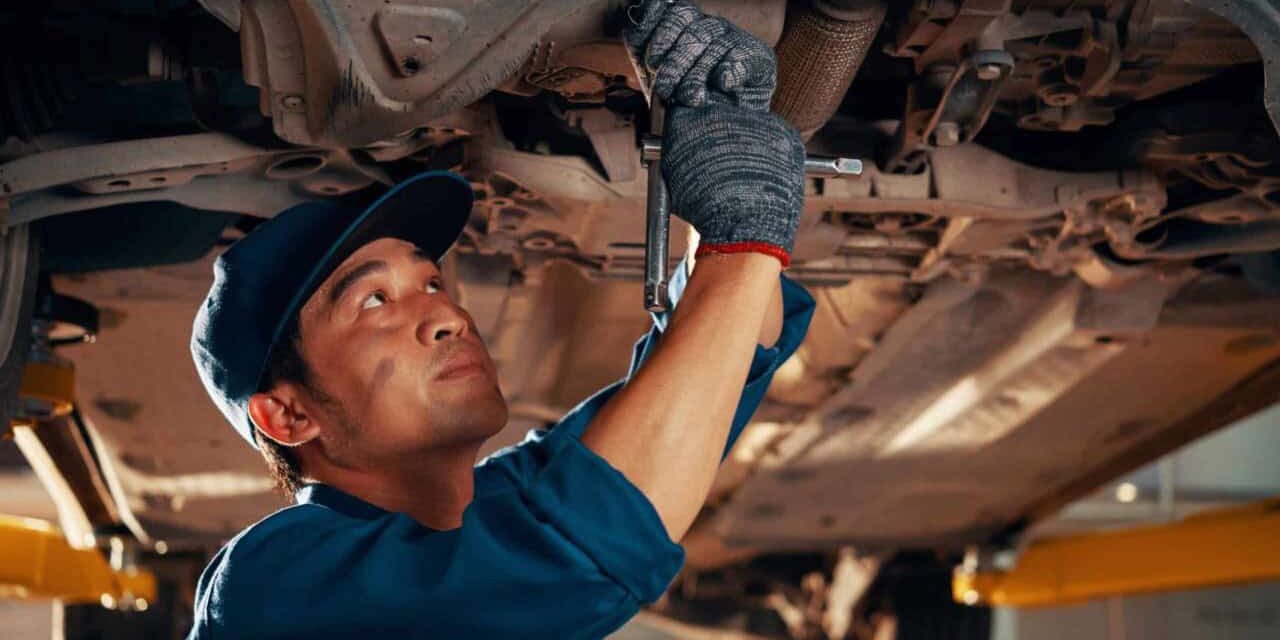

- A genuine metallic grinding noise when you brake almost always means the pads have worn through completely and metal is now grinding directly on metal.
- The RAC advises against driving at all once this noise starts: braking distances lengthen and the discs themselves begin to be damaged with every stop.
- Pads alone typically cost £70 to £200 fitted, but ignoring the noise turns that into a £140 to £380 per axle bill once the discs need replacing too.
If Your Car Grinds When You Brake, Stop Driving It
A deep, metallic scraping sound the moment you press the brake pedal is not a noise to put off checking until the weekend. In the overwhelming majority of cases it means the friction material on your brake pads has worn away entirely, leaving the metal backing plate grinding directly against the metal brake disc every time you slow down. That is a different, more serious problem than the high-pitched squeal many cars make when pads are simply getting low, which is often a built-in wear indicator doing its job. Grinding means that warning stage has already passed.
The RAC’s guidance on this is unambiguous: if you hear a grinding noise when braking, the pads have likely worn down completely, and the vehicle should not be driven until the brakes have been inspected and repaired. That is a stronger warning than most dashboard lights get, and it reflects how quickly the problem compounds. Braking distances grow longer with every journey the car is driven in this state, and the discs themselves, which are far more expensive to replace than pads, get chewed up in the process.
Why Grinding Brakes Get Worse Every Time You Drive
Brake pads are designed to be the sacrificial part of the system. The friction material bonded to the metal backing plate is meant to wear down gradually over tens of thousands of miles, protecting the far more expensive brake disc underneath. Once that material is gone, the exposed metal backing plate takes over, and metal-on-metal contact under braking does two things at once: it scores deep grooves into the disc surface, and it dramatically reduces how much stopping power the brake can actually generate. A car that grinds today and is driven for another few hundred miles will very often need discs and pads together, where a same-day inspection might have caught the problem with pads alone.
Grinding is not the only cause worth ruling out, though it is by far the most common one. A small stone or piece of grit lodged in the caliper can occasionally produce a similar scraping sound without indicating worn pads at all, and a car that has been left standing for an extended period, especially in damp weather, can develop light surface rust on the discs that grinds off within the first few gentle brake applications of a journey and then disappears. The difference is usually easy to spot: rust-related noise fades within the first minute of driving and does not return, while a genuine worn-pad grind persists and often gets louder the more the brakes are used.
What It Actually Costs to Fix
Catching the problem at the squealing stage, before it grinds, keeps the repair to pads alone, typically £70 to £200 fitted per axle depending on the car and the garage. Once grinding has set in and the discs are scored, the job becomes a pads-and-discs replacement, running from roughly £140 to £380 per axle fitted. Left longer still, especially if a driver continues using the car after the grinding starts, the caliper itself can be damaged by the uneven wear, adding a third component to what started as a routine pad change. The pattern is consistent across UK garages: the bill roughly doubles at each stage a driver waits, which makes the RAC’s advice to stop driving immediately a financial argument, not just a safety one.
How to Check Your Own Brake Pads
Most alloy wheels have gaps large enough to see the brake caliper and, behind it, the edge of the pad pressed against the disc. A healthy pad shows several millimetres of friction material between the metal backing plate and the disc surface. Anything under about 3mm is worth booking in soon, and a pad worn below 1.5mm is treated as a dangerous defect that will fail an MOT outright, not merely an advisory. Many dashboard systems also carry a dedicated brake pad wear warning light, separate from the general brake warning light, which illuminates when a sensor embedded in the pad itself makes contact with the disc, giving a mechanical warning before the grinding stage is reached at all.
If grinding has already started, the safest course is to avoid driving the car at all and to arrange recovery or a mobile mechanic rather than continuing on worn-through pads to reach a garage. Where a short, careful drive at low speed is truly unavoidable, gentle, early braking rather than late, hard stops reduces further damage to the discs, but this is a stopgap, not a solution. A same-day inspection at any garage or fast-fit centre will confirm within minutes whether the repair is pads alone or pads and discs together, and getting that answer quickly is what keeps the bill at the lower end of the range rather than the higher one.
Why Grinding on Just One Side Is a Different Problem
Grinding that comes from one specific corner of the car, rather than a general noise every time you brake, usually points to a caliper problem rather than simple wear. A caliper piston that has seized, often through corrosion after months of damp weather, can keep constant pressure on one pad long after the others have released, wearing that single pad down far faster than the rest. This shows up as uneven wear between the two front pads or the two rear pads, and sometimes as a car that pulls gently to one side under braking alongside the grinding. A garage inspection will usually spot a seized caliper immediately by comparing pad thickness side to side, and the fix, a caliper rebuild or replacement, is a different job and a different price to a simple pad change, generally landing somewhere between the two depending on the car.
A rear-only grinding noise on cars with a drum brake or an electronic parking brake built into the rear caliper can also have causes specific to that design, including a parking brake mechanism that has not fully released. Modern cars with an electronic handbrake occasionally need the parking brake to be put into a service or maintenance mode before the rear pads can even be removed safely, which is one of several reasons a grinding noise from the rear is often better left to a garage than diagnosed and fixed in a driveway, even for an otherwise confident home mechanic.
Bedding In New Pads Properly Pays Off
Once new pads and, if needed, new discs are fitted, a short bedding-in period helps the friction material transfer evenly onto the disc surface and gives the brakes their full stopping power. Most manufacturers and fitters recommend a series of moderate, progressively firmer stops from around 30 to 40mph down to a much lower speed over the first fifty miles or so, avoiding hard, sudden braking and avoiding coming to a complete stop and holding the pedal down while the brakes are still hot. Skipping this step will not cause immediate damage, but it can leave a faint film unevenly deposited on the disc, which sometimes shows up later as a slight vibration through the pedal under braking. New pads can also feel slightly less responsive for the first few dozen miles than the fully worn set they replaced, which is normal and settles once bedding in is complete, not a sign that the repair has gone wrong.
Sources:

Leave a Comment
More in News
West Sussex Council Raises Drivers’ Parking Permits Up to 36 Percent This October
What Your Alternator Warning Light Actually Means (and How Long You Can Keep Driving)
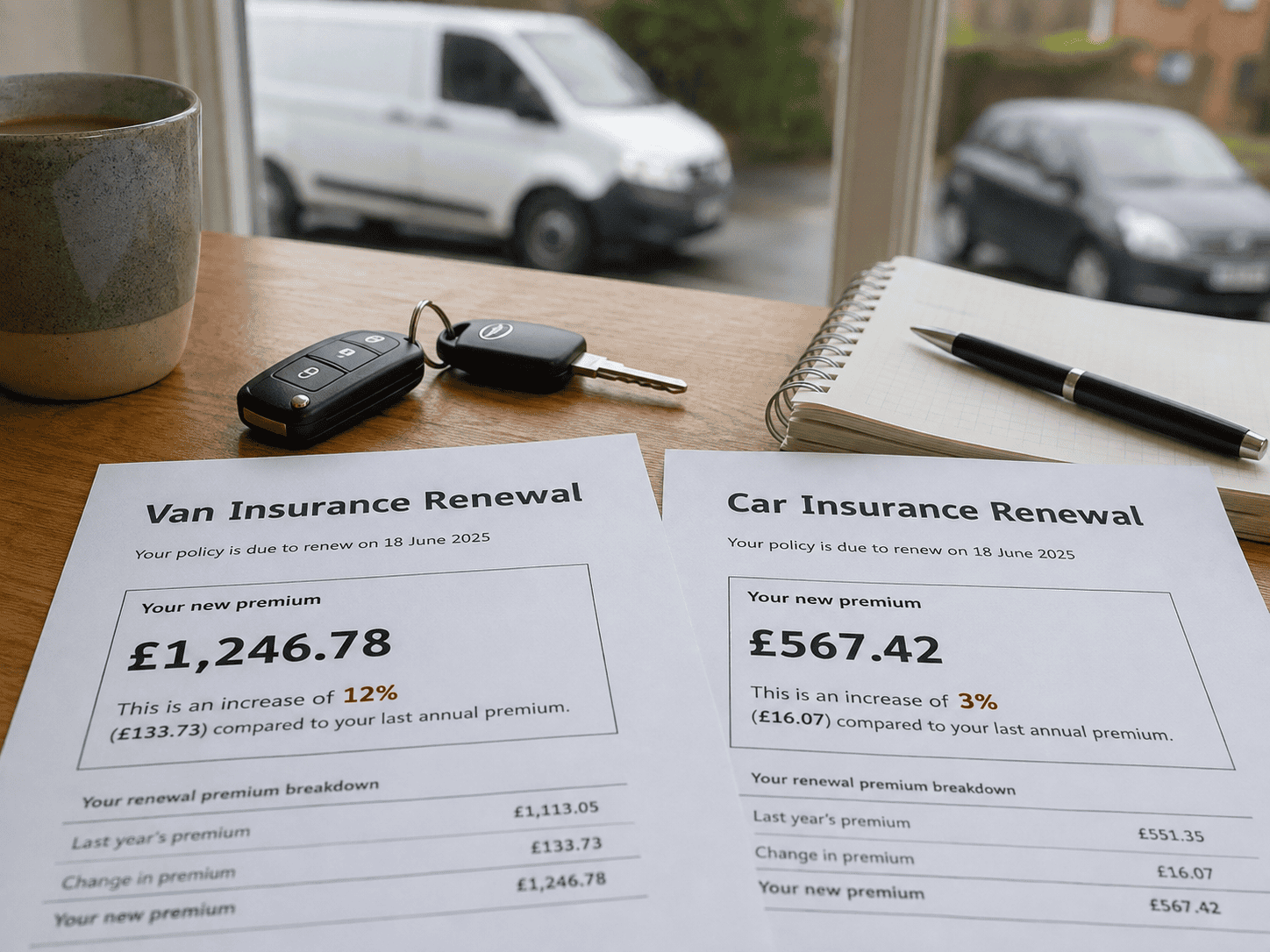
Van Drivers Now Pay £1,767 for Insurance as Consumer Intelligence Reveals a Rise

Why Washington Just Rolled Back Fuel Economy Rules on New Cars

Honda Prelude Gets Limited Edition Colour Scheme for Europe
Trending on Motoring Chronicle
Three Years of Jams Begin Next Week as M53 Gets Its £50 Million Overhaul

Insurers Are Writing Off Thousands of Repairable Electric Cars
GM EVs Can Power Your Home and Cut Bills Through Bidirectional Charging

Nevada Car Insurance Hikes Hit 150,000 Drivers as Rates Lead the Nation
