Traffic Penalty Tribunal Data Shows Moving Traffic Appeals Jumped 131 Percent
- Traffic Penalty Tribunal data shows appeals against moving traffic fines more than doubled in 2025/26, up 131 per cent to 1,963 from 852 the year before.
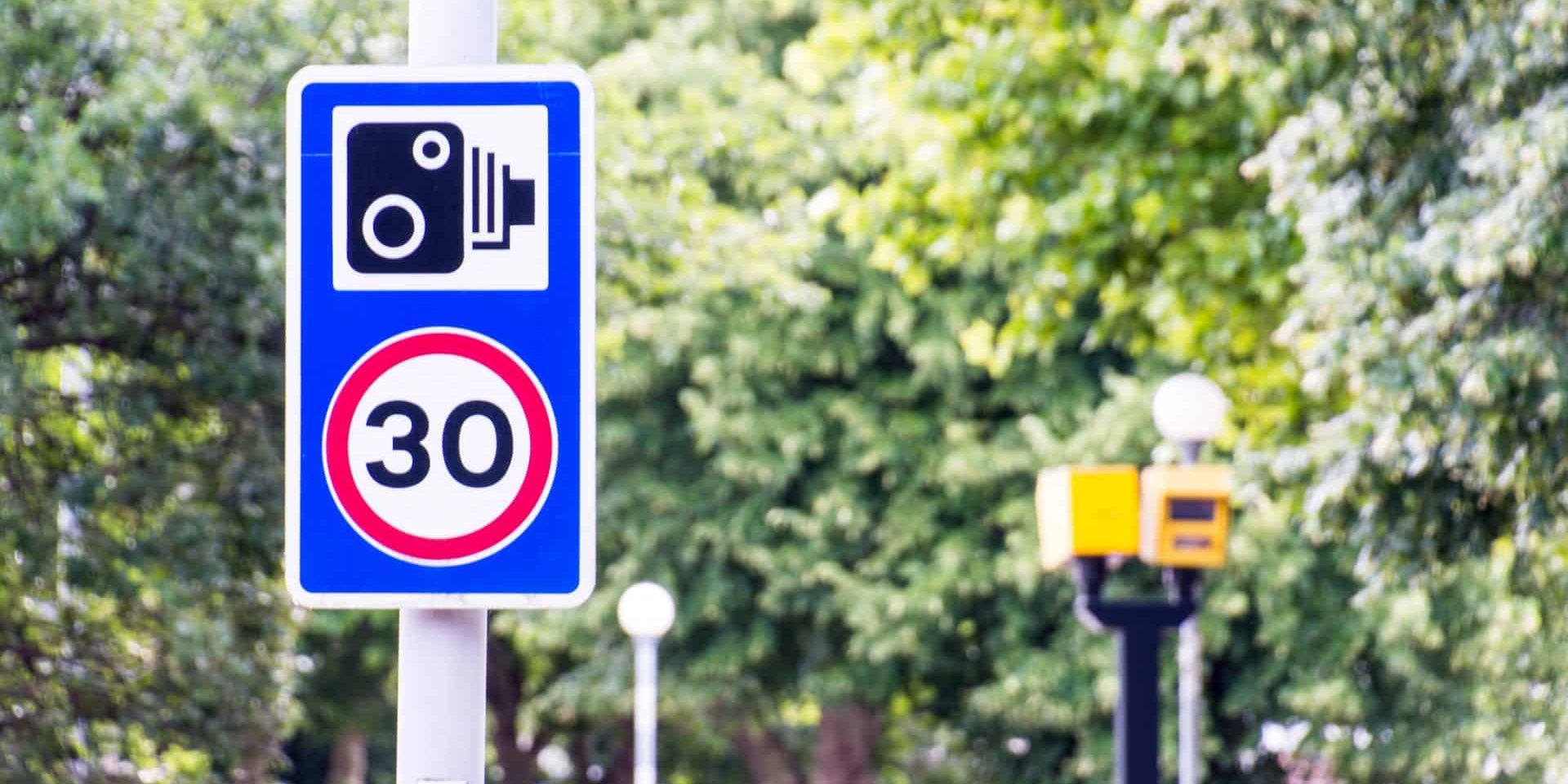
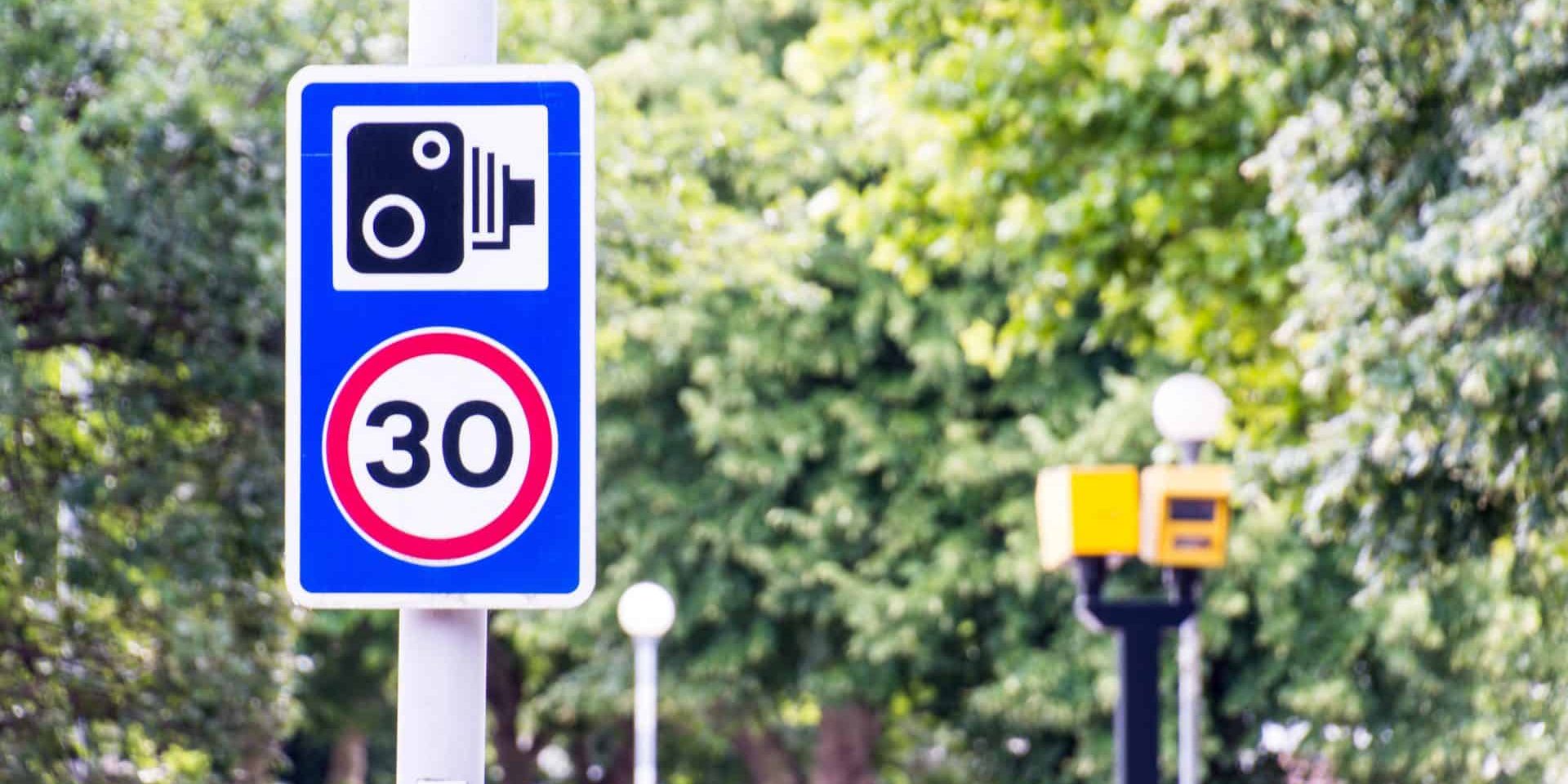
- Thirty local authorities in England switched on new camera enforcement powers for banned turns, box junctions and one-way streets over the year, the tribunal’s own annual report confirms.
- Only 29 per cent of challenged moving traffic fines were overturned, the lowest success rate of any penalty type the tribunal handles.
Thirty Councils Gained New Camera Powers as Appeals Against Fines Surged
The Traffic Penalty Tribunal, the independent body that rules on parking and traffic penalty appeals for more than 300 councils across England and Wales, published its Annual Report 2025-26 in July, and the figures inside it point to a sharp change on English roads. Appeals against moving traffic contraventions, penalties for things like turning where a camera has caught a banned right turn, entering a box junction when the exit was not clear, or driving the wrong way down a one-way street, jumped from 852 in 2024-25 to 1,963 in 2025-26. That is a rise of 131 per cent in a single year, by far the sharpest increase of any penalty category the tribunal tracks.
The report points to the reason directly: 30 additional local authorities began enforcing moving traffic contraventions with cameras over the reporting year, among them Brighton and Hove, Bury, Cornwall, Devon, Dorset, Hull, Milton Keynes, North Yorkshire, Nottinghamshire, Plymouth, Portsmouth, Sunderland, Wiltshire, Wolverhampton and York. Two further county councils, East Sussex and West Sussex, started enforcing bus lane contraventions for the first time. The power to issue these penalties has existed nationally under the Traffic Management Act 2004 for more than two decades, chiefly used in London, but the tribunal’s figures confirm it is now spreading rapidly to councils that had never used it before. Caroline Hamilton, the tribunal’s Chief Adjudicator, said the aim of publishing this level of detail is to give “motorists a fuller understanding of the statutory fixed penalty scheme, representation and appeal process, and the remit of the independent adjudicators.”
Who This Hits
Moving traffic enforcement catches drivers who would never think of themselves as offenders. A right turn taken at a junction that has quietly become camera-controlled, a box junction entered on the assumption the exit would clear in time, or an unfamiliar one-way system in a town centre can all trigger the same penalty as a driver who ignores a sign deliberately. Unlike parking contraventions, where a driver can usually see the problem before it happens, an expired ticket or a restricted bay, moving traffic penalties are often triggered by road layouts drivers have used for years without an issue, right up until a council switches the cameras on. Fines for these contraventions typically run up to £70 outside London and £130 inside it, issued automatically by camera with no officer present to explain the alleged breach at the time.
Older drivers who rely on familiar routes are especially exposed when a council introduces a new restriction or activates cameras on a junction that has operated without enforcement for decades. A route driven safely for thirty years does not become dangerous overnight, but it can become expensive the moment a camera is added, and a driver who has never needed to check for new road markings on a regular route has little reason to expect one has changed. A school run, a regular hospital appointment or a familiar commute through a town centre can all pass through a junction that was uncontrolled a year ago and is now watched by a camera the council activated with no public consultation beyond the statutory traffic order process.
The Numbers Behind the Rise
Of the 1,850 moving traffic appeals the tribunal actually determined in 2025-26, only 531 were allowed, a success rate of 29 per cent. That compares with a 36 per cent success rate for parking appeals and a 35 per cent rate for bus lane appeals over the same period. Across every category the tribunal handles, 7,152 of 21,514 determined appeals were allowed, a success rate of about 33 per cent, meaning a driver who challenges a moving traffic fine faces worse odds than almost anyone else contesting a penalty this year. A separate look at how yellow box junction cameras alone are already earning councils millions shows just how much revenue sits behind this single category of fine.
The newest scheme in the data is Oxford’s congestion charge, which launched in the reporting year and generated 28 appeals in its first partial year of operation, 11 of which had been determined by the time the report was compiled, with four allowed. Clean air zone appeals fell by 22 per cent and Dart Charge appeals fell by 38 per cent over the same period, showing the rise in disputes is concentrated specifically in the newly expanding moving traffic category rather than reflecting a general increase in driver complaints across every scheme. The tribunal also closed cases faster than in previous years: a quarter of all appeals were decided within seven days, and more than 40 per cent within a fortnight. Most cases, 13,232 of them, were decided on the papers without a hearing; where a driver did ask for a personal hearing, most of those 3,297 cases were held by telephone or video rather than in person. Only a single judicial review of a tribunal decision was granted permission to proceed over the whole year, out of four applications, underlining how rarely a dispute over a moving traffic fine goes any further than the tribunal itself.
What It Means and What To Do
A council does not need new legislation to start enforcing moving traffic contraventions with cameras; the legal power has existed nationally from 2004 and a local authority simply applies to the Department for Transport for permission to use it. That makes the rollout hard for drivers to anticipate: there is no single national announcement to watch for, only a steady stream of individual councils switching cameras on, often with little local publicity beyond a notice buried in a council committee report. A wider look at how more councils are switching on ANPR cameras across England shows this pattern is not limited to moving traffic contraventions alone.
A driver who receives a moving traffic penalty charge notice has the right to make informal representations to the council first, and if that fails, a formal appeal to the Traffic Penalty Tribunal, where the case is heard by an independent adjudicator with no fee charged to the driver. Given how low the success rate is for this specific category, it is worth checking the signage at the location first: under the Traffic Signs Regulations and General Directions 2016, a restriction is only enforceable if the signs meet strict legal requirements, and unclear or missing signage remains one of the most common grounds on which moving traffic appeals actually succeed. The tribunal’s own published case library sets out which arguments have worked in similar disputes before. Around 95 per cent of appeals are now lodged online, and most are decided within a few weeks rather than months.
With 30 more councils having joined the ranks of camera enforcement in a single year and national coverage still expanding, drivers on unfamiliar or recently altered routes look set to keep adding to a caseload the tribunal’s own data shows is already growing faster than any other part of its workload.
Councils that introduce these cameras generally point to road safety and reduced congestion as the justification: banned turns and blocked box junctions can hold up buses and emergency vehicles, and create genuine collision risks at busy junctions too. The tribunal’s own figures take no position on whether the safety case is sound; they simply record what happens once a camera goes live, and this year that has meant a sharp rise in drivers who believe they were fined unfairly, most of whom went on to lose their appeal. Keeping a photograph of the signage at any junction where a penalty notice arrives, taken as close to the time of the alleged contravention as possible, remains the single most useful piece of evidence a driver can gather before deciding whether an appeal is worth pursuing.
Sources
Traffic Penalty Tribunal, Annual Report 2025-26, published 15 July 2026: tpt.gov.uk
Traffic Management Act 2004, Part 6, legislation.gov.uk

Leave a Comment
More in News

How to Read the Numbers on Your Tyre Sidewall (and Buy the Right Replacement)

How to Claim Your $28 Refund From State Farm’s Louisiana Total Loss Settlement

Why Tesla Still Has No Fix for 20,349 Model 3 and Y Headlights That Blind Oncoming Drivers

Toyota Recalls 8,521 C-HR EVs Over a Software Bug That Cuts Power While Driving

What Actually Happens If You Put the Wrong Fuel in Your Car
Trending on Motoring Chronicle

As many as one in six British motorists admit they are terrible drivers
Why a Cracked Windscreen Now Costs Drivers Up to £800 to Fix

MINI 1998 GT Edition Priced at $36,875 as Sixth Icon Drop of 2026

Factory-custom Attitude: Dodge Debuts Satin Black Hood Graphic, Fratzog Dual Stripes Options for SIXPACK‑powered Charger Models