
Why the FCA Found GAP Insurance Pays Out Just 6 Percent in Claims
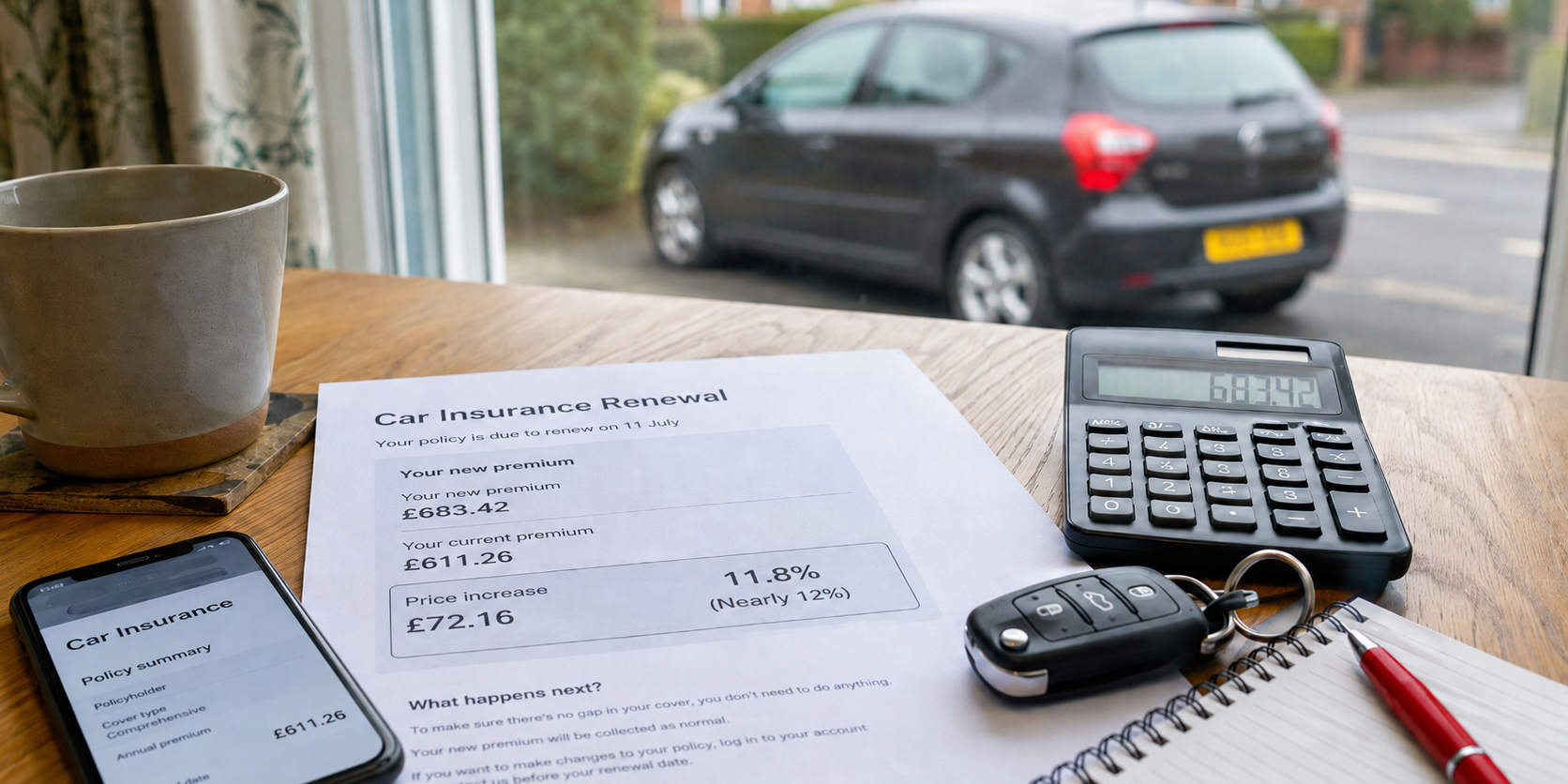
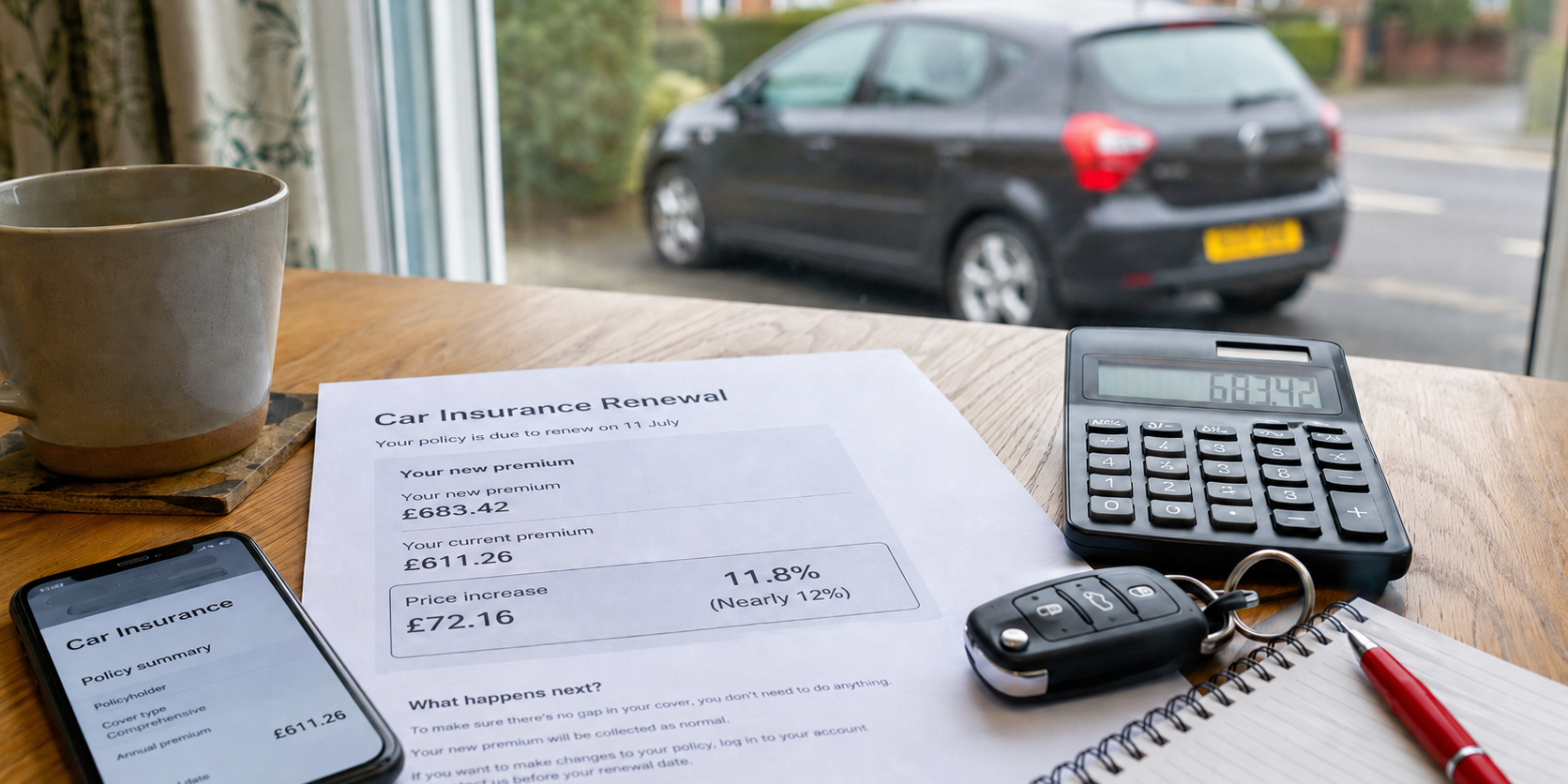
- GAP insurance sold alongside car finance pays back just 6p in claims for every £1 taken in premiums, while some insurers handed 70p of every £1 to the person who sold the policy.
- The Financial Conduct Authority stopped insurers selling GAP cover in February 2024 and only let firms restart once commission was cut, but dealers still sell around nine in ten policies at the point of sale.
- Buying the same cover from an independent provider instead of the finance desk can cut the price by more than half, and drivers can cancel a dealer policy within 14 days without losing a penny.
The Insurance Add-On That Pays Your Salesperson More Than It Pays You
Guaranteed Asset Protection, sold to almost everyone who buys a car on finance, covers a gap that catches out thousands of drivers a year: the difference between what a motor insurer pays for a written-off or stolen car and what the owner still owes the finance company, or paid for the car in the first place. A car depreciates the moment it leaves the forecourt. If it is stolen or wrecked eighteen months into a five-year finance deal, the settlement from the motor insurer is based on today’s lower market value, not the price on the invoice. GAP insurance is built to cover that shortfall.
It sounds like sound protection, and for some drivers it can be. The trouble, according to the regulator that oversees it, is what happens to the money before any of it reaches a customer. The Financial Conduct Authority’s own value data found that only 6% of the amount drivers paid in GAP premiums came back out again in claims. Some firms were paying out as much as 70% of every pound in commission to the dealers and brokers selling the policy on their behalf. A product meant to protect the buyer was instead built to reward the person selling it.
The Regulator Stepped In, and the Numbers Explain Why
In September 2023 the FCA wrote to every firm manufacturing GAP insurance and told them to prove their customers were getting a fair deal. It was not satisfied with the answers. On 9 February 2024 the regulator confirmed that insurers covering 80% of the UK’s GAP market had agreed to pause sales altogether while they reworked their products. A second round of pressure followed in March, aimed at the rest of the market.
By May 2024 four firms, Fortegra Europe Insurance Company, Motors Insurance Company, Amtrust Europe and Financial & Legal Insurance Company, had been cleared to restart selling GAP, but only after agreeing to pay out far less in commission to the businesses that sell the policy. The FCA’s Sheldon Mills put it plainly at the time: customers were not getting a fair deal, and firms needed to change the product, not just the marketing around it.
The scale of the problem was already visible in the FCA’s own figures. In 2022, the last full year before the intervention, more than 2.4 million GAP policies were in force in the UK. Roughly nine in ten of those were sold by car dealers rather than independent brokers, according to industry estimates, meaning the person handing over the keys was, in nearly every case, also the person earning a cut of the insurance sold alongside the car.
Why the Dealer Desk Is the Most Expensive Place to Buy It
The FCA’s fair value rules, introduced under the Consumer Duty in 2023, require every regulated firm to show that what a customer pays is reasonable against what they actually receive. GAP insurance struggled on that test for a simple reason: the person recommending the product to the buyer had a direct financial stake in how much it cost.
That structure shows up clearly in price. A driver buying a three-year GAP policy on a car worth around £32,000 through a franchised dealer has been quoted £449 for the cover. An equivalent standalone policy from an independent GAP specialist cost £185.28, 59% less for the same protection. Across the wider market, dealer-arranged GAP typically runs from £500 up to £1,000 or more, while independent policies bought online usually cost between £100 and £400 depending on the car’s value and the length of cover.
Part of that gap comes down to tax rather than just commission. GAP insurance sold through a dealer is taxed at the standard 20% rate of Insurance Premium Tax, while GAP bought as an add-on to a standalone motor policy attracts a lower 12% rate. Add a dealership’s own margin on top, and the total cost of the same protection can more than double before a single extra benefit is included.
The Real Cost Comes Twice, Not Once
Most drivers do not write a cheque for GAP insurance. Dealers routinely fold the premium into the car finance agreement itself, so the cost is spread across monthly payments alongside the loan for the car. That convenience carries a second cost: interest. A £600 premium added to a five-year finance deal does not stay at £600. Spread across sixty months at a typical car finance rate, the same policy can end up costing considerably more once interest on the borrowed premium is added in, on top of a price that was already inflated by commission.
Buy the same policy independently and pay for it upfront or through the insurer’s own instalment plan, and that second layer of cost disappears entirely. It is one of the clearest examples in motoring finance of a product costing more not from a change in the cover, but from who is selling it and how the price is put together.
How to Avoid Paying Over the Odds
Drivers do not have to buy GAP insurance at the point of sale, and doing so is rarely the cheapest option. UK consumer credit rules give buyers a 14-day cooling-off period on GAP policies sold alongside finance, in which the cover can be cancelled and refunded in full with no penalty. That window is enough time to shop around properly rather than sign whatever is placed in front of you at the finance desk.
Independent GAP providers, regulated separately by the FCA, can be checked on the Financial Services Register before you hand over any money. Compare at least two or three quotes rather than the first one offered, as prices for equivalent cover vary sharply between providers. Read the exclusions closely: most policies cap the car’s value, exclude vehicles bought on certain types of contract hire, and will not pay out if the car has covered more than a set number of miles a year. A policy that looks cheap but excludes your exact circumstances is no bargain at all.
If you already hold a GAP policy bought through a dealer before the FCA’s 2024 intervention, it is worth asking your insurer directly whether your product was affected by the fair value review, and what changed for it. There is no automatic refund scheme in place, but drivers who believe they were sold a policy that failed to offer fair value can raise a complaint with the insurer first, and take it to the Financial Ombudsman Service if they are not satisfied with the response.
GAP insurance itself is not the problem. A product that protects a driver from owing thousands of pounds on a car that no longer exists has a real purpose. The issue the regulator identified was never the idea behind it, but the price attached to it, and who was profiting from that price before a single claim was ever paid.
Sources:

Leave a Comment
More in News

Used Car Complaints to the Motor Ombudsman Jumped 14 Percent Last Year

DVSA Roadside Checks Caught 28,837 Dangerous Cars as Enforcement Fell 9 Percent

How Long Does It Take to Get Your Tires Changed?
Zapmap Data Shows EV Drivers Pay Almost 800 Percent More to Charge in Public

Electric Car Owners Pay £46 More a Year to Insure, MoneySuperMarket Reveals
Trending on Motoring Chronicle

Honda Passport Joins Used Civic and Accord on 2026 IIHS Best Vehicles for Teen Drivers List

Drivers don’t have the foggiest when it comes to using their lights correctly
Fuel Retailers Face Fines From Tomorrow for Hiding Their Prices
Ford Fiesta Tops the UK’s Most Stolen Cars as Keyless Theft Targets 54,000 a Year
