
Ford Fiesta Tops the UK’s Most Stolen Cars as Keyless Theft Targets 54,000 a Year

If you drive a popular hatchback or a premium SUV, your car is now among the most sought after targets for organised vehicle thieves in the UK. The latest DVLA theft figures show that more than 54,000 vehicles were reported stolen across the country in 2025, the equivalent of around 148 cars every single day. The headline news for drivers is twofold: thefts have edged down by roughly 11 percent on the previous year, yet the total is still more than double the number stolen a decade ago in 2015. The way cars are being taken has also shifted, with electronic relay attacks on keyless entry systems now driving a large share of the most expensive thefts.
For anyone who owns one of the named models, the practical question is simple. How do you stop your car ending up on next year’s list? The answer is a mix of cheap physical deterrents, a few habits worth changing today, and knowing whether your manufacturer has issued a security update. Here is what the data shows and exactly what to do about it.
The models thieves are targeting most
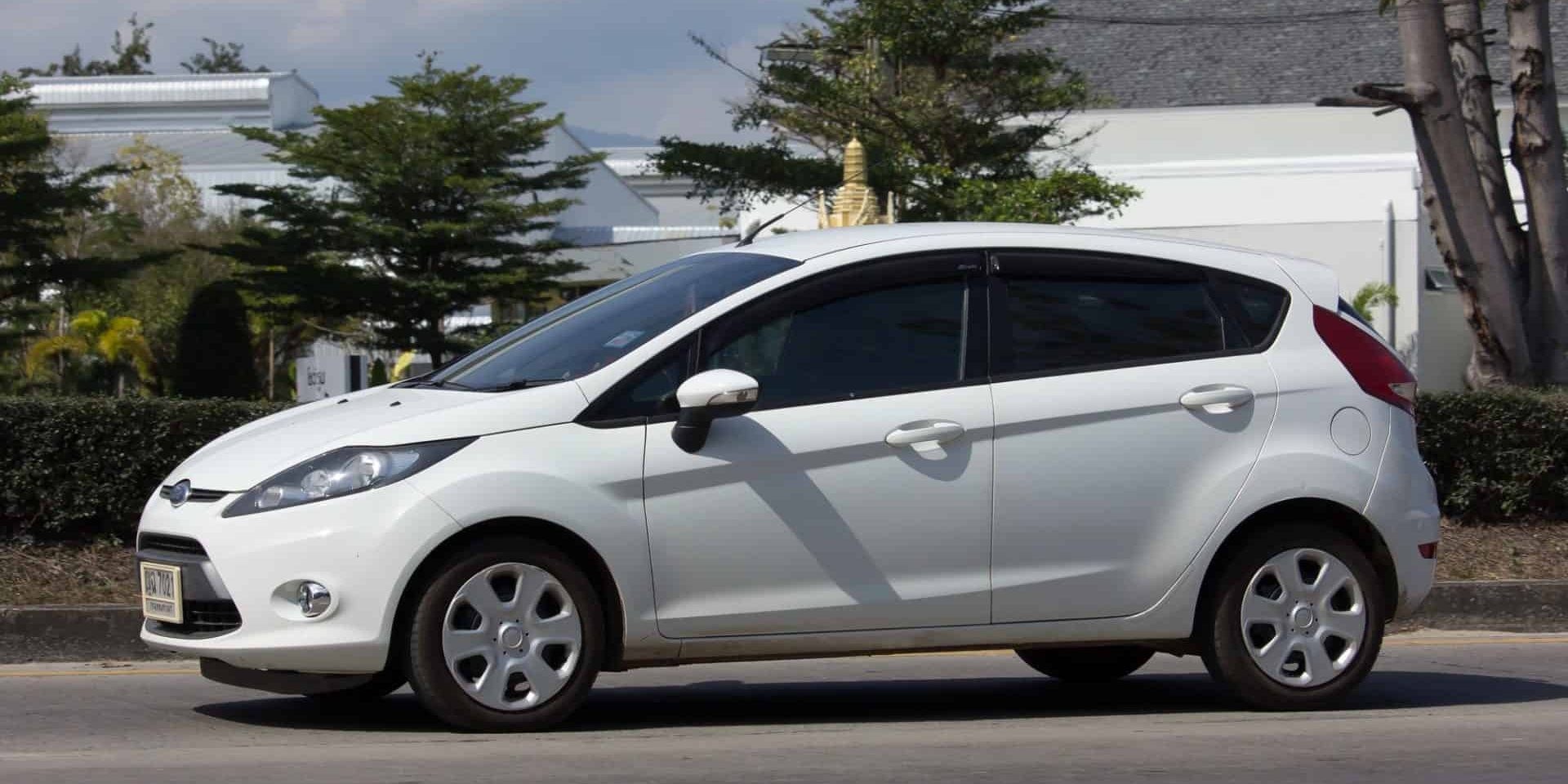
The Ford Fiesta remains the most stolen car in the UK, with 3,511 examples taken in 2025. That is more than the combined total of the second and third most stolen models, the Volkswagen Golf and the Ford Focus. The Fiesta’s position at the top is partly a function of how many are on the road. It was Britain’s best selling car for years, so the sheer size of the fleet keeps it near the top of any theft table even though Ford stopped building it.
The more telling change sits a little further down the list. The Toyota C-HR Dynamic HEV has become the most stolen single model variant, with 437 taken in 2025, a rise of 28 percent on the year before. Almost all of those thefts, around 97 percent, involved the first generation car built between 2016 and 2023. Only 3 percent were the second generation model launched from 2024, which Toyota fitted with a Digital Key system that lets owners lock and unlock the car using a smartphone. That single change appears to have made the newer car far harder to steal, which tells you a great deal about where the weakness lies.
Across the data, two broad groups of vehicle keep coming up. The first is high volume everyday cars such as the Fiesta, Focus and Golf, which are taken because they are common, easy to move on, and in many cases vulnerable to electronic attack. The second is premium SUVs and executive saloons, which are taken to order for their resale or export value. The brands most associated with the second group include Land Rover, BMW and Mercedes-Benz, where a single stolen vehicle can be worth tens of thousands of pounds once shipped abroad or broken for parts.
Why keyless cars are so easy to take
The single biggest factor behind modern car theft is the keyless entry and start system, the convenience feature that lets you unlock and drive away while the fob stays in your pocket. Around 65 percent of premium vehicle thefts in London now involve a relay attack, according to security researchers who track the figures. The method is quick and quiet. One thief stands near your house holding a device that picks up the faint signal your key fob constantly transmits. A second thief stands by the car with a device that receives and rebroadcasts that signal, fooling the car into thinking the key is present. The doors open, the engine starts, and the car is gone in under a minute, often without a single alarm sounding.
The reason this works is that the key never has to leave your hallway. Relay equipment is cheap, widely available online, and requires almost no skill to use. That is why thieves have moved away from breaking glass and forcing locks and towards a tactic that leaves no obvious damage. It also explains why a car parked on a driveway just feet from the front door can be among the most exposed, because that is exactly where the fob tends to sit overnight.
A second method, often used on more recent cars, involves plugging a device into the diagnostic port hidden under the dashboard to program a blank key. Some thieves also use signal jammers to stop a car locking properly when the owner walks away, then simply open the door later. Insurers have responded by raising premiums on the most targeted models, which is one of the quieter ways theft ends up costing every driver, not just the victim. The 12 percent insurance premium tax added to every policy means rising claims feed straight through to the price you pay, as we explained in our look at the hidden tax inflating car insurance bills.
How to protect your car tonight
The good news is that defeating a relay attack does not need to be expensive. The most effective single step is to block the signal from your key fob when it is not in use. A Faraday pouch, which is a small lined wallet that costs under a tenner, stops the fob transmitting and breaks the relay chain entirely. Keep both the main key and the spare in one, and store them well away from the front door, a window or a letterbox. Some newer fobs can also be switched into a sleep mode by pressing a button combination, so check your handbook.
Physical deterrents still work because they slow thieves down and make your car a less attractive choice than the one parked next to it. A good steering wheel lock, a pedal box clamp or a wheel clamp is visible, awkward to defeat and well worth the outlay. A lock for the diagnostic port closes off the second common attack route. For higher value cars, a Thatcham approved tracker and a ghost immobiliser, which demands a PIN sequence entered through existing buttons before the engine will start, add a serious layer of protection that many insurers recognise with lower premiums.
Where you park makes a real difference. A locked garage is best, followed by a well lit spot covered by a camera or a video doorbell. On a driveway, a removable bollard or a parking post physically pins the car in place. It is also worth checking whether your manufacturer has released a software update or a security upgrade for your model, as Toyota did with its Digital Key system. A quick call to a franchised dealer with your registration will confirm whether anything is available for your car.
What to do if your car is stolen
If the worst happens, report the theft to the police immediately on 101, or 999 if it is happening in front of you, and get a crime reference number. Contact your insurer as soon as you can, because most policies require prompt notification. Tell the DVLA the vehicle has been stolen so you are not liable for tax or penalties while it is missing. If your car has a tracker, alert the tracking company straight away, as the first hour offers the best chance of recovery before the vehicle is hidden or moved on.
It is also worth marking your car before anything happens. Forensic marking kits and the CESAR registration scheme tag components with a unique code that makes a stolen car far harder to sell or break for parts, and visible warning stickers act as a deterrent in themselves. Keep your V5C logbook secure and never leave it in the car, because a thief who has both the vehicle and its paperwork can sell it on far more easily. None of these steps guarantees your car will never be taken, but together they move you well down the list of easy targets, and that is usually enough to send a thief looking elsewhere.
Finally, treat the figures as a prompt rather than a panic. Theft is heavily concentrated in particular areas and on particular models, and the single most useful thing most owners can do is spend twenty pounds on a Faraday pouch and a steering wheel lock this week. Those two cheap items defeat the two most common attack methods between them, and they cost a tiny fraction of the excess you would pay on a claim, let alone the inconvenience and lost time of having a car stolen in the first place.
Sources:
- https://www.fleetnews.co.uk/news/uk-s-most-stolen-cars-revealed-as-vehicle-thefts-fall
- https://www.carwow.co.uk/news/9018/cars-most-likely-to-be-stolen-dvla-data
- https://www.zego.com/car-insurance/car-theft-statistics/
- https://www.whatcar.com/news/the-most-stolen-cars-in-the-uk/n21162

Leave a Comment
More in News

How to Free a Frozen Handbrake (and What a New Cable Costs)

What Winter Tyres Actually Do for UK Drivers (and Whether You Need Them)
Renewing Car Insurance on the Day Cover Ends Costs Drivers £331 More, MoneySupermarket Shows

Every Driver Faces £500 Seatbelt Fines as AI Cameras Flag 19,145 Possible Offences

How to Remove Moisture From Inside Your Headlight Before It Costs You £500
Trending on Motoring Chronicle

Avoidable Driving Mistakes That Double Your Risk After Dark

530,000 Flood-Damaged Cars Are Already on US Roads, NICB Warns

What the End of Federal Highway Funding on September 30 Means for Your Commute

BMW Adds M340i and M440i Black Editions for Summer 2026 From £66,475
