Tyre Deaths Rise 19% as Most Drivers Say Learners Aren’t Taught Tyre Safety


Deaths and serious injuries linked to illegal, defective, or underinflated tyres rose 19% in a single year, from 169 in 2024 to 201 in 2025, according to the Department for Transport’s latest road casualty figures. Total tyre-related casualties climbed to 667, up 14% on the year before, and new research from Bridgestone suggests most UK drivers think the driving test is partly to blame.
More than 80% of the 2,000 UK car owners surveyed by Bridgestone want learner drivers to demonstrate basic tyre knowledge before and after passing their test, and 81% believe new drivers should understand tyre pressures, tread depths, and what a tyre pressure monitoring system actually does. Right now, none of that is a formal part of learning to drive in the UK. The practical test checks whether a learner can operate the car safely; it doesn’t check whether they know how to read a tread depth or notice a slow puncture before it becomes a blowout.

What the Driving Test Doesn’t Cover
Tyres are the only part of a car that touches the road, and they’re also one of the most neglected. Bridgestone UK senior marketing manager Helen Roe said tyre maintenance “remains one of the most overlooked aspects of vehicle safety,” pointing to preventable fatalities caused by defective tyres as evidence that basic knowledge gaps carry real consequences.
The legal minimum tread depth in the UK is 1.6mm across the central three-quarters of the tyre, measured all the way around. Checking it doesn’t require a garage visit: insert a 20p coin into the main tread grooves at several points around the tyre. If the outer rim of the coin’s raised edge stays hidden below the tread, the tyre is legal. If the rim is visible, the tread has worn past the safe limit and the tyre needs replacing.
Tyre pressure counts just as much as tread. Underinflated tyres wear unevenly, increase stopping distances, and run hotter at speed, raising blowout risk on motorways. The correct pressure for a specific car is usually printed on a sticker inside the driver’s door pillar or in the handbook, not on the tyre itself, and it changes depending on how loaded the car is. Most fuel stations still have a pump for checking and topping up pressure, and it takes about five minutes.

The Case for Teaching It Earlier
Bridgestone’s research also found strong support for going further than education alone. Some 67% of drivers think tyre safety checks should be a routine part of police traffic stops, and 78% want dedicated tyre safety education for young people before they even start learning to drive, rather than leaving it to instructors to cover informally.
There’s a workplace angle too. Three-quarters of respondents believe employers should do more to check tyres are safe and properly maintained on any vehicle used for work, whether it’s a company car or an employee’s own vehicle being used for business mileage. That responsibility often gets overlooked, as insurance and servicing tend to focus on the car rather than specifically on tyre condition.
The findings build on Bridgestone’s 2025 research into support for tougher rules on new drivers generally. Fifty-seven percent backed introducing a graduated driving licence system, half supported a visible ‘recently passed’ sign for up to 12 months, and 39% thought newly qualified drivers should complete a refresher course after passing their test. None of these ideas have been adopted into UK driving law, though they reflect a public appetite for treating the first year or two after passing as still part of learning to drive.
A Five-Minute Habit That Actually Prevents Collisions
Roe said learning to drive “doesn’t stop the day someone passes their test,” and the DfT casualty figures back that up. Every one of the 201 people killed or seriously injured in tyre-related collisions last year was in a crash that a five-minute pressure and tread check could plausibly have prevented.
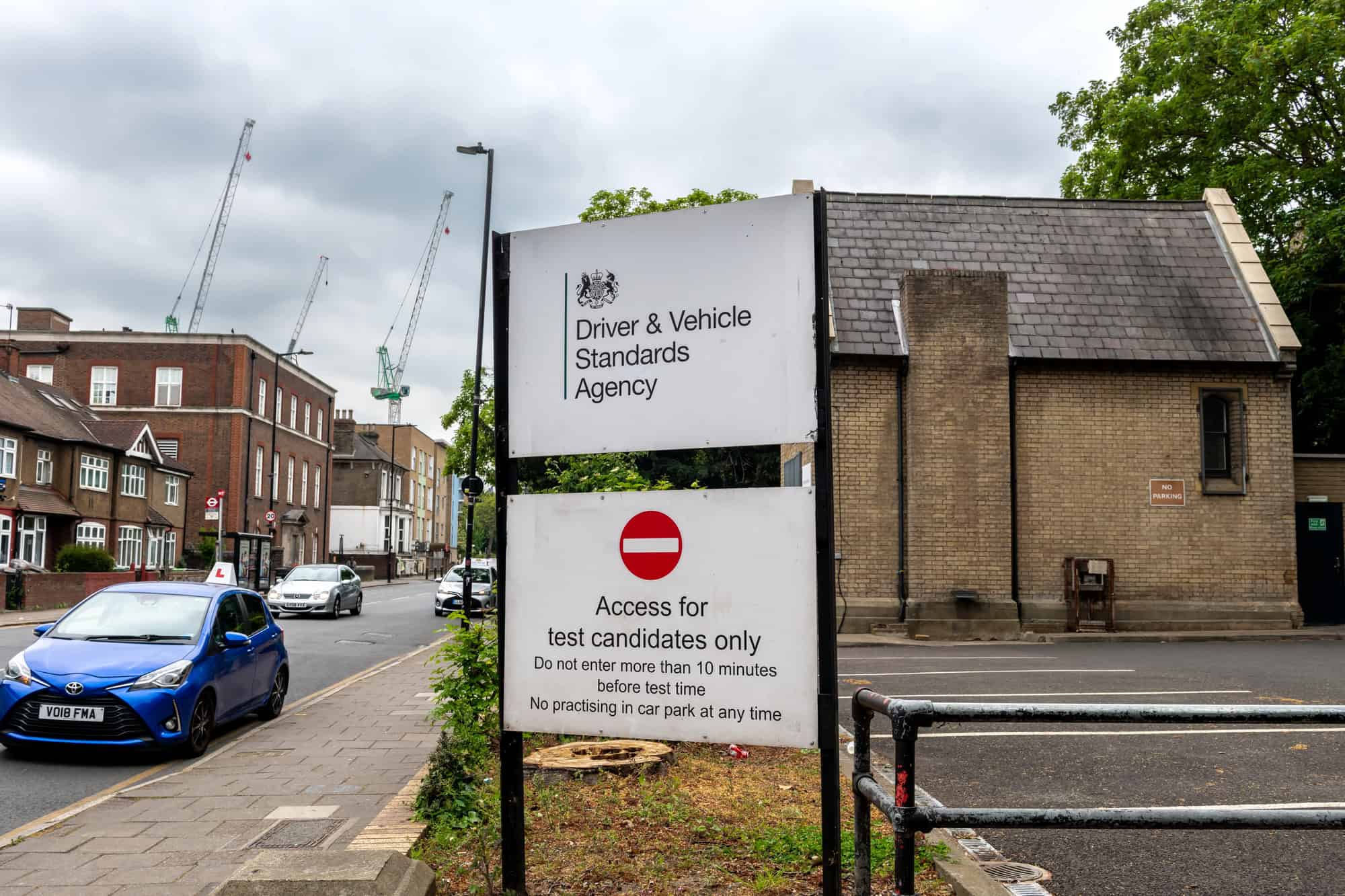
For new drivers specifically, the stakes are sharper than a slower stopping distance. Illegal tyres carry a fine of up to £2,500 and three penalty points per tyre, not per car, and drivers in their first two years on the road lose their licence automatically once they hit six points. Two illegal tyres is enough to trigger that.
Checking tread depth with a 20p coin and pressure at a fuel station pump takes less time than most people spend deciding what to have for lunch. Bridgestone’s survey suggests the public already understands this gap needs closing. Whether it becomes part of the formal driving test remains a question for the DVSA, but nothing stops a driver, learner or experienced, from building the check into their routine now.

Leave a Comment
More in News

How to Spot a Clocked Car (and What to Do If Caught Out)
What Dashcam Footage Actually Counts as Evidence (and the Rules on Sharing It)
Why Connecticut Is Adding Speed Cameras to School Zones Across the State

Toyota Recalls 30,978 RAV4 Plug-in Hybrids Over Sudden Power Loss Risk
Why Your Steering Wheel Shakes at 70mph and the £10 Fix for It
Trending on Motoring Chronicle

What Does S Mean on a Gear Shift?

Toyota’s All-Electric Lineup Gains Rugged, Powerful New bZ Woodland SUV

Diesel and Petrol Buyers Face £2,200 in Extra Tax That Same Priced EVs Now Skip

The final W16 era milestone: the first W16 Mistral now leaves the Bugatti Atelier [Photo Gallery]