
BMW Recalls 27,720 Cars Over a Driveshaft Flaw That Can Cause Rollaway


BMW is recalling 27,720 sedans and coupes after finding that a worn connection between the driveshaft and rear differential can cut power to the rear wheels or, in a parked car without the parking brake engaged, let the vehicle roll away on its own.
The recall covers three model lines built between 2021 and 2026: the 5 Series, the 8 Series and the 750e xDrive plug-in hybrid. Dealer notification began and ended August 12, and BMW plans to mail owner letters October 2, the same day VINs become searchable in NHTSA’s recall database.
What Is Wearing Out
The defect sits at the driveline connection between the driveshaft and the rear axle differential. BMW says that joint can experience excessive wear over time, and once it wears enough, the connection can lose its grip on the driveshaft. That produces two distinct risks depending on what the driver is doing when it happens.
While driving, a failed connection cuts power delivery to the rear wheels, which BMW says increases the risk of a crash. That risk is highest while merging, passing or turning, moments when a driver expects continued acceleration and does not get it. While parked, the same worn connection can let the vehicle roll if it is not secured by the parking brake. The joint that normally helps hold the driveline in place is no longer doing its job reliably once wear reaches this point.
Which BMWs Are Covered
The recall population splits across three distinct groups. The largest is 18,150 5 Series sedans from the 2021 through 2023 model years, covering the 540i, 540i xDrive and M550i xDrive variants. Next is 7,372 8 Series coupes and convertibles from 2022 through 2026, covering the 840i and 840i xDrive. The smallest group is 2,198 examples of the 750e xDrive plug-in hybrid built from 2024 through 2026.
The 8 Series inclusion lands at an unusual moment for the model. BMW has confirmed the 8 Series is heading toward the end of its production run, and the coupe posted some of its strongest US sales in years across the first half of 2026 as buyers moved to secure one before it disappears from BMW’s lineup. That means a meaningful share of the recalled 8 Series cars are recent purchases rather than aging used vehicles.
Owners can confirm whether their specific car is included by entering their VIN at NHTSA’s recall lookup once the database updates October 2, or by contacting a BMW dealer directly and referencing the recall now rather than waiting for the mailed notice.
The Fix
BMW’s remedy starts with an inspection. A dealer will check the connection between the driveshaft and the rear axle differential, and depending on the wear found, will either apply an adhesive to the joint or replace the driveshaft and rear axle differential entirely. The repair is free regardless of which path a given car needs.
Unlike a software recall that can sometimes be handled with an over-the-air update, this repair requires a physical inspection and, for cars with more advanced wear, hands-on parts replacement. Owners should budget time for a dealer visit rather than expect a quick fix.
A Pattern of Driveline Recalls in 2026
BMW’s driveshaft recall lands in a year when NHTSA has already logged roughly 300 recalls across the industry, including two Ford campaigns that carry do-not-drive warnings. The variety spans nearly every part of a vehicle’s drivetrain and safety systems, from GM’s ongoing engine investigation covering nearly a million trucks to Toyota’s shock absorber recall on Tacoma pickups. BMW’s driveline wear issue is a reminder that mechanical failures are not limited to any one type of vehicle or price point. Luxury sedans and coupes carry the same wear-and-tear physics as economy cars, and a component built to transfer power to the wheels can degrade regardless of what badge sits on the hood.
The rollaway risk specifically sets this recall apart from a typical power-loss defect. Most driveline recalls focus only on what happens while a car is moving. BMW’s filing flags a second scenario entirely, a parked car that moves on its own once the same worn part that would normally help resist rollback under gravity has degraded. That distinction is worth remembering for anyone who parks on a hill, a driveway with any grade, or a multi-level parking garage, situations where the parking brake becomes the only thing standing between a stationary car and an unplanned trip down a slope.
How the Repair Process Will Play Out
Owners should expect the process to unfold in two stages. First comes an inspection appointment, where a technician measures wear at the driveshaft-to-differential connection and determines whether the car qualifies for the simpler adhesive fix or needs the full driveshaft and differential replacement. Cars caught early in the wear process are more likely to need only the adhesive repair, while cars with more advanced wear will need the parts swap, a longer job that requires scheduling and parts availability at the dealer.
The repair depends on how far the wear has progressed, which means two owners with the same model year and trim could receive different remedies depending on their car’s individual mileage and driving history. Owners should ask their service advisor directly which repair path their specific car needs rather than assuming every 5 Series or 8 Series in the recall gets the same fix.
What BMW Owners Should Do
Owners of an affected 5 Series, 8 Series or 750e xDrive should not wait for the October 2 mailing if they notice any change in how their car delivers power to the rear wheels, including hesitation on acceleration or an unusual noise from underneath the car. A dealer can inspect the driveline connection ahead of the formal notification date.
Drivers should also make a habit of engaging the parking brake fully every time they park on any grade, regardless of whether their car is included in this recall. That is sound practice in general, but it carries added importance for owners of the affected models until their car has been inspected and repaired.
Anyone shopping the used market for a 2021 to 2023 540i, a 2022 to 2026 840i, or a 2024 to 2026 750e xDrive should check the VIN against NHTSA’s database before finalizing a purchase. A private seller could be unaware their car carries an open recall, and confirming the VIN before signing paperwork avoids inheriting someone else’s unresolved repair.
Owners can also call BMW customer relations directly to ask whether a specific VIN is included, rather than waiting on the postal mail schedule. Dealers are typically able to check recall status and order parts in advance of a scheduled service appointment, which can shorten the wait once a car is confirmed as affected.
Owners can also call NHTSA’s Vehicle Safety Hotline at 1-888-327-4236 to confirm whether a specific VIN falls under this recall or any other open safety campaign. That resource works across every manufacturer, and it can be faster than waiting on hold with a dealership in the days right after a recall becomes public, when service departments field a surge of calls from concerned owners.
Sources:

Leave a Comment
More in News

Every Part-Worn Tyre Checked in a Police Sting Broke the Law
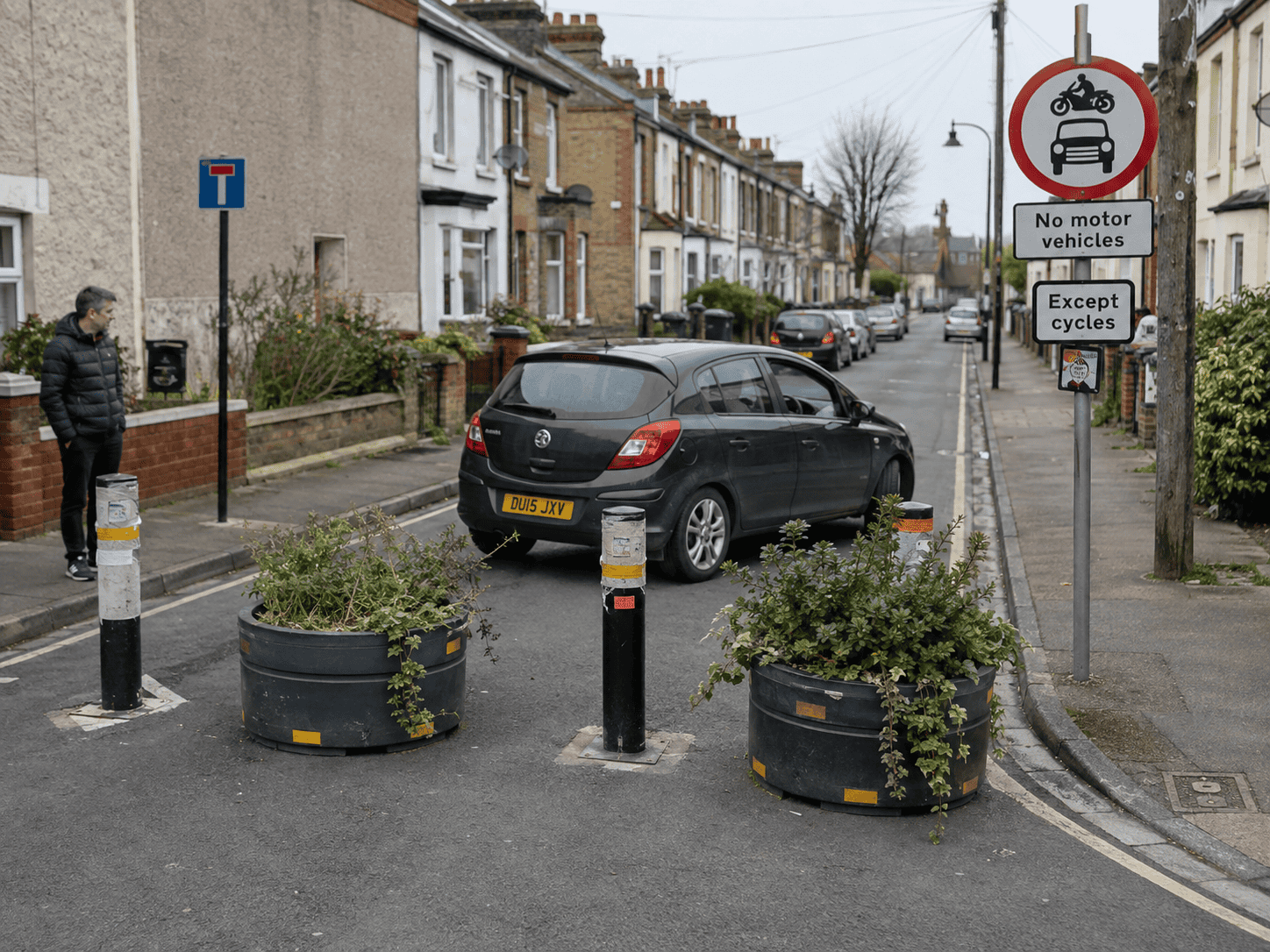
Croydon Made £7.2 Million From LTNs a Judge Ruled Existed Just to Raise Money

AXA Fixes 82 Percent of Breakdowns at the Roadside, Allianz Just 42 Percent
530,000 Flood-Damaged Cars Are Already on US Roads, NICB Warns
NHTSA Reviews 87,000 Toyota Grand Highlanders Over Grille Design Flaw
Trending on Motoring Chronicle
Rolls-Royce Motor Cars presents the Phantom Centenary Private Collection: a defining statement, 100 years in the making [Photo Gallery]

Geely’s New Flagship Electric SUV Has 280 Miles Of Range And Costs Less Than A Base Model Tesla

Subaru focuses on consumer affordability and excellent value with updated pricing on 2026 Subaru Forester
What Louisiana Drivers Need to Know as Inspection Stickers Give Way to QR Codes
