
Car Insurance Averages $142 a Month as Connecticut Tops $161
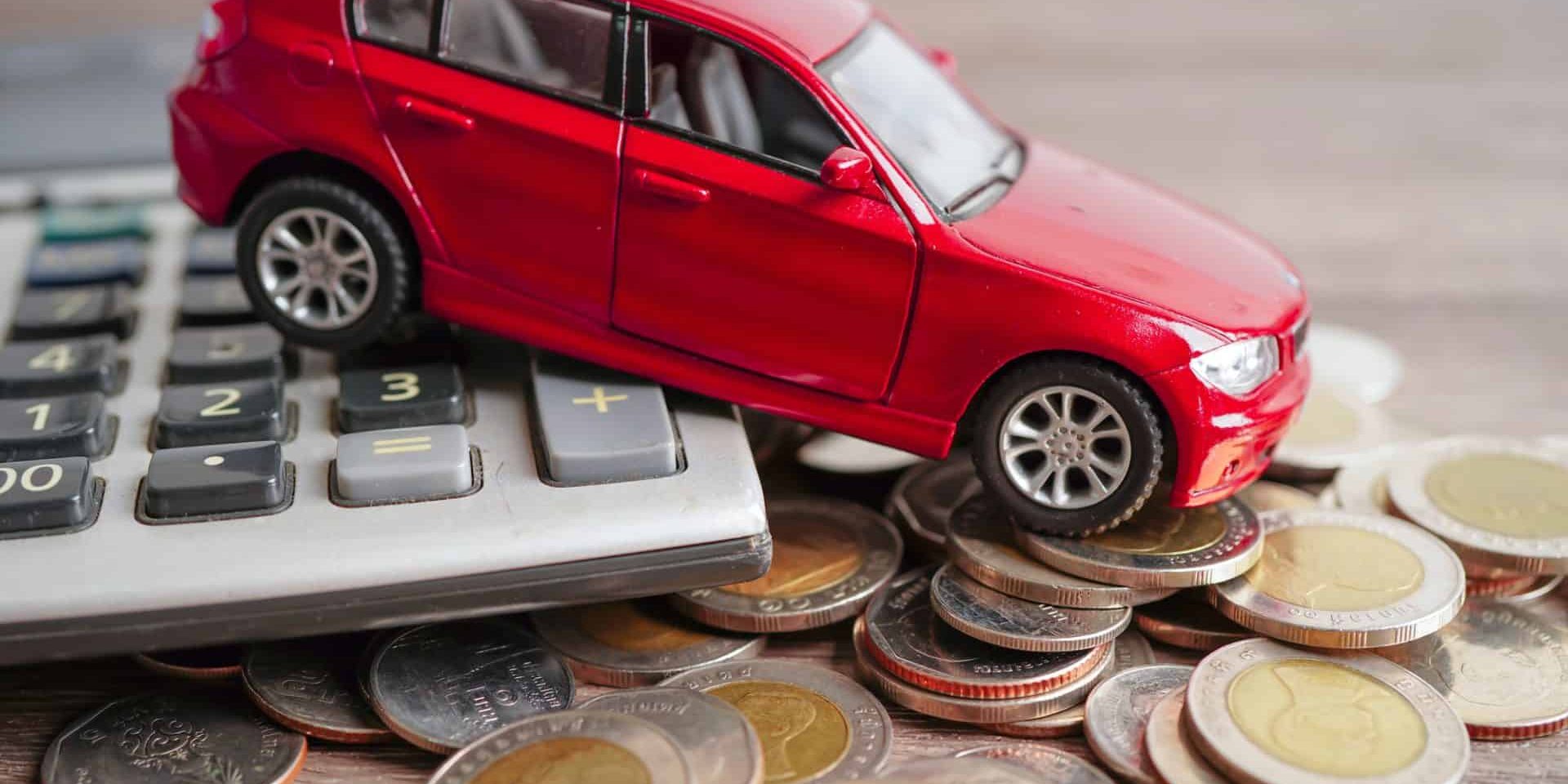
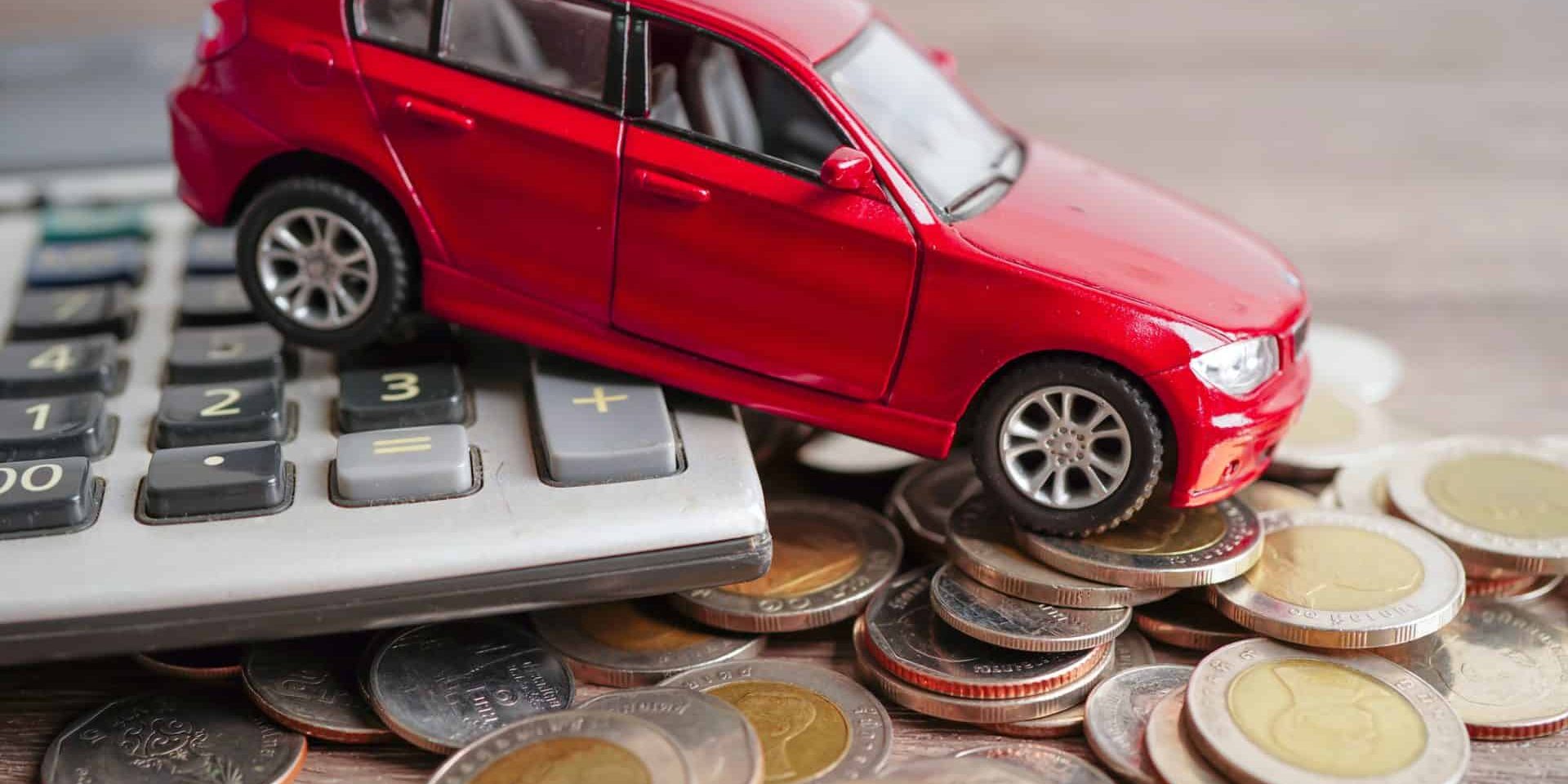
The average American driver is paying $142 a month for car insurance this summer, a figure that held flat in June after a stretch of steady increases, according to real-time quote data from Insurify covering the ten days leading up to July 8, 2026. That national number hides enormous swings from state to state, with drivers in North Carolina paying an average liability rate of just $69 while drivers in Connecticut pay $161 for the same coverage, more than double.
The gap gets even wider once full coverage enters the comparison. Nevada, Louisiana, Florida, Connecticut and Delaware all average more than $300 a month for full coverage, a bill that runs well over $3,600 a year before a single accident or ticket ever touches a policy. Meanwhile states such as Vermont, Maine, Wyoming and New Hampshire sit well below the national average, with New Hampshire drivers paying closer to $98 a month for liability and $186 for full coverage.
Why the Same Coverage Costs So Differently by State
Insurers set rates using a mix of factors that vary sharply by geography: the density of a state’s population, how often local courts see large jury awards in accident lawsuits, how common severe weather damage is, and how aggressively drivers in that state file claims in the first place. States with crowded cities and heavy traffic tend to post more frequent, lower-cost fender-bender claims, while states exposed to hurricanes, hail or flooding carry higher storm-damage coverage costs baked into every policy sold there.
Minimum coverage requirements set by each state legislature also shape the numbers. A state that mandates higher liability limits forces every driver to buy more protection than a state with a bare-bones minimum, which pushes the average bill up even before any driver-specific factor like age, credit history or driving record comes into play. Connecticut and Delaware both carry relatively high minimum liability requirements compared with cheaper states, which is part of why they rank near the top of the cost list even for drivers with clean records.
Litigation costs play a role too. States where injury lawsuits routinely produce large jury awards tend to see insurers price in that risk across every policy sold in the state, not just the ones that end up in court. Florida and Louisiana, both near the top of the full-coverage cost list, have long been cited by insurers as states with higher litigation exposure tied to auto claims, on top of the hurricane and flood risk that already pushes their storm-and-theft coverage pricing upward.
What Is Driving Rates Nationally This Year
The Zebra’s 2026 State of Insurance report projects the typical American driver will pay $2,256 a year on average, and the company’s chief commercial officer, David Seider, has tied the pricing outlook to a combination of economic pressure, population growth in dense metro areas and severe weather exposure. Seider has also warned that household budgets are feeling the squeeze directly: the Zebra’s Premium Pressure Index estimates Americans now spend about 2.6 percent of their annual income on auto insurance, and he has cautioned that a weaker economy could push that figure higher, prompting more drivers to shop around or, in worse cases, drop coverage they can no longer afford.
Rate movement is truly mixed heading into the second half of 2026 rather than uniformly rising. Earlier-year projections showed premiums increasing in 19 states while declining in 13 others, and six states, Louisiana, Nevada, New York, Georgia, Maryland and Utah, posted increases of more than 50 percent between 2024 and 2025 alone, a jump steep enough to push many households into comparison shopping for the first time in years. On the other end, states like Vermont, Minnesota and Mississippi are projected to see decreases in the 6 to 13 percent range this year, giving drivers in those states genuine relief rather than a temporary dip before the next hike.
What Actually Moves an Individual Driver’s Bill
State averages set the baseline, but the number on an individual policy still depends heavily on personal factors an insurer can control for. The vehicle a driver chooses affects the bill more than most people realize: among non-luxury models, the Nissan GT-R has been cited as the most expensive vehicle to insure at nearly $400 a month, while the Ford Bronco lands among the least expensive at roughly $76 a month, a gap driven by repair costs, theft rates and the price of replacement parts rather than anything about the driver behind the wheel.
Driving behavior carries its own price tag. Insurance data shows texting while driving is tied to an average 17 percent premium increase once an insurer becomes aware of the citation, a jump that applies on top of whatever a driver’s state and vehicle already cost. A clean record, a paid-off vehicle with strong safety ratings, and a policy that has not lapsed even for a single day all work in a driver’s favor, while a lapse in coverage, even a brief one, can trigger a rate increase once real-time electronic verification systems flag it at renewal time.
Age, credit history and how far a driver commutes each week factor into the price an insurer offers, though how much any single factor influences the final number differs by state and by company. Some states have banned or restricted the use of credit-based insurance scores altogether, which means the same driver profile can produce noticeably different quotes depending on which side of a state line the policy is written. A driver relocating for work or school should treat an insurance quote as one more line item to check before signing a lease or buying a home, as a move from a cheap state to an expensive one can add hundreds of dollars a year even with an unchanged driving record.
How to Bring a High Premium Down
Shopping around remains the single most effective step a driver can take, and more people are doing exactly that. A 2025 J.D. Power study found 57 percent of customers actively sought new coverage within the past year, reflecting how normal comparison shopping has become as rates shift. Getting quotes from at least three insurers before a renewal date, rather than after a bill arrives, gives a driver real negotiating power and time to switch without a coverage gap.
Beyond shopping, drivers can ask their current insurer about bundling home and auto policies, raising a deductible in exchange for a lower monthly premium, and enrolling in a telematics or usage-based program that tracks driving habits in exchange for a discount. Many insurers also offer discounts for paying the full six-month or annual premium up front instead of monthly, for completing an approved defensive driving course, and for insuring multiple vehicles on the same policy, discounts that rarely show up automatically and usually have to be requested. Drivers in high-cost states like Connecticut, Nevada or Florida stand to save the most in dollar terms from these steps, simply as their starting point is so much higher, while drivers already in cheap states like North Carolina or New Hampshire will likely find the savings smaller but still worth pursuing before a policy renews automatically at last year’s rate.
Sources:
- Insurify: Average Car Insurance Rates as of July 2026
- Insurify: Car Insurance Rates by State (July 2026)
- Insurance Business: Nineteen States Set for Auto Insurance Increases

Leave a Comment
More in News

Every Illegal Tyre Now Risks Drivers a £2,500 Fine and Three Penalty Points

Bath Council Now Charges SUVs and Vans Up to £308 Extra for Parking Permits

How UK Garages Were Caught Charging Five Times the Price for a £110 Repair

How Five Parking Firms Got Your Details From the DVLA 7.2 Million Times Last Year

Why the Way Most Drivers Hold the Steering Wheel Could Break Their Arms in a Crash
Trending on Motoring Chronicle

All-new 2026 Dodge Charger Scat Pack Drops the Hammer With 550 Horsepower [Photo Gallery]

Gas Prices Hit an All-Time Labor Day Record at $4.14 a Gallon
GEM Warns UK Drivers Over Five Heatwave Hazards as Hot Weather Hits Britain

Diesel Prices Cross $6 a Gallon for the First Time in US History
