
Electric Car Owners Will Pay 3p a Mile From 2028 Under New eVED Road Tax
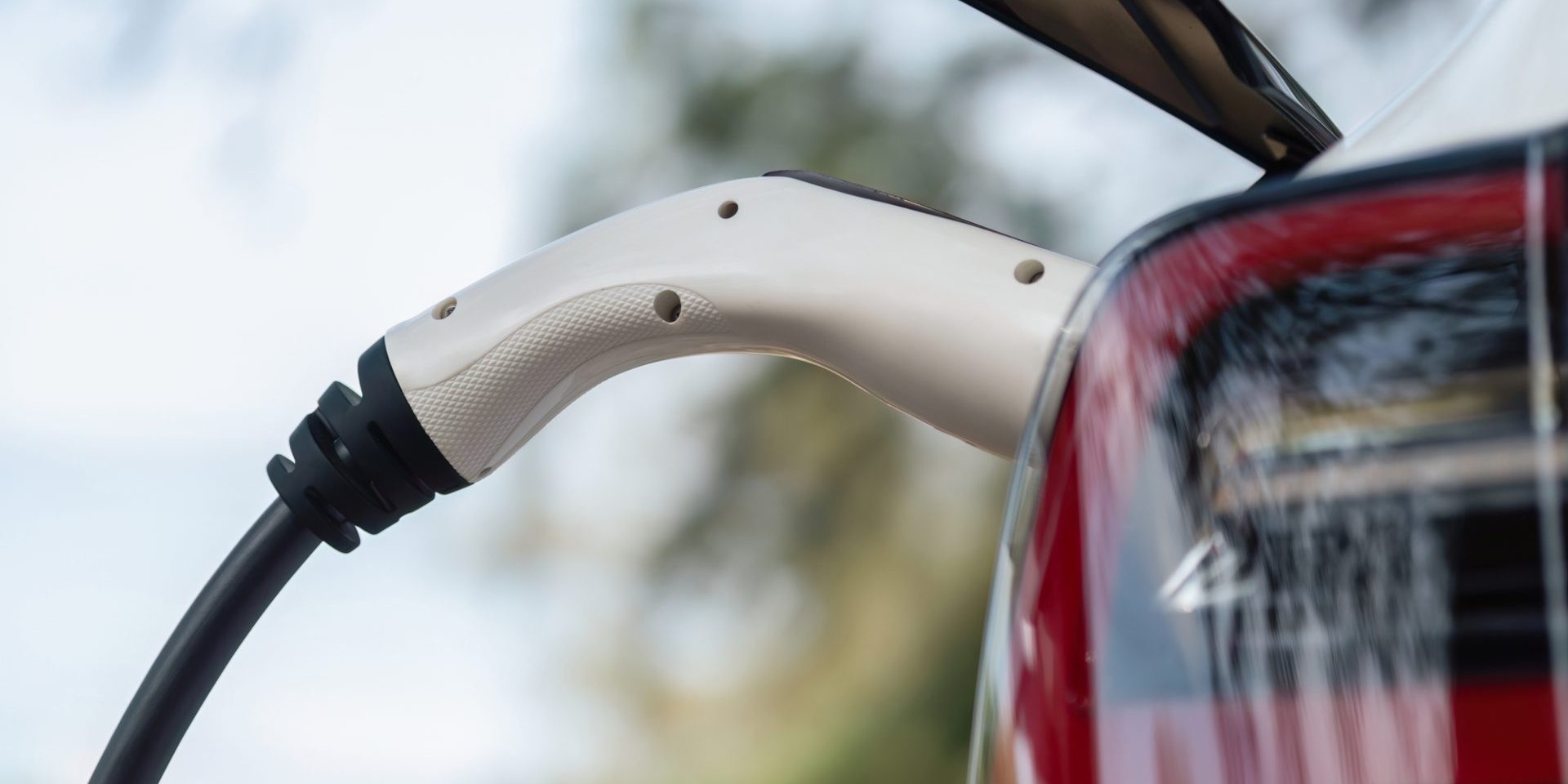

Electric car owners will pay a new mileage charge on top of their annual road tax from April 2028, the government confirmed this week, ending months of speculation over how officials plan to replace the fuel duty revenue lost as drivers switch away from petrol and diesel.
The Treasury’s response to its Electric Vehicle Excise Duty consultation, published in the past few days, sets the rate at 3p per mile for fully electric cars and 1.5p per mile for plug-in hybrids. Both figures rise each year in line with the Consumer Price Index. The charge sits alongside the standard Vehicle Excise Duty that all drivers already pay, not instead of it, and electric vans stay exempt.
For a typical driver covering around 7,000 miles a year, that works out at roughly £200 to £300 in extra tax annually, according to analysis from Auto Express. A driver covering longer distances will pay more: the outlet calculated a London to Glasgow round trip would add around £12 in eVED for a battery-electric car and roughly £6 for a plug-in hybrid. The Treasury expects the new charge to raise about £1.2 billion a year once it beds in, money it says will help fund roads and public services as fuel duty income keeps shrinking.
What the New Tax Actually Charges
The government first floated a mileage-based charge for electric cars in the Autumn Budget, and this week’s document is the formal response to the public consultation that followed. More than 5,000 people, businesses and industry bodies took part.
Ministers stress that eVED does not replace existing road tax. Drivers still pay standard VED, currently £195 a year for most cars registered after April 2017, though that figure typically rises each spring. From 2028, electric and plug-in hybrid owners add the mileage charge on top of that base rate.
The Treasury frames the change as a fairness measure. Petrol and diesel drivers already pay for every mile through fuel duty built into the pump price. Electric car owners currently avoid this entirely, an arrangement the government argues cannot continue as the vehicle fleet electrifies and fuel duty receipts fall. Officials have set the EV rate at roughly half what an equivalent petrol driver pays per mile in duty, a gap the consultation response says reflects the wider environmental and cost benefits of switching to electric.
How the Mileage Charge Gets Collected
Perhaps the most contested question raised in the consultation was how the government would track mileage without resorting to GPS trackers or telematics boxes fitted to every car. Ministers have now ruled that out entirely.
Instead, the system relies on odometer readings. Cars three years old or older already have their mileage recorded at every MOT test, and the government plans to use that existing data to verify what drivers report. For newer cars not yet due an MOT, owners submit an annual reading when they renew their vehicle tax through the DVLA website, alongside an estimate of how far they expect to drive over the coming year.
Drivers can then pay their estimated eVED bill as a single upfront amount or spread the cost across the year, similar to some current VED payment options. At the end of the tax period, once the actual mileage is known, the DVLA reconciles the account: drivers who drove less than estimated get a partial refund, while those who drove more receive a top-up bill.
The mileage counted includes trips made anywhere, not just in the UK. With no GPS tracking built into the system, there is no way to strip out miles driven abroad, and the consultation response says building one in would undermine the privacy protections the government wants to preserve. The document argues that, as only a small proportion of UK-registered cars rack up meaningful mileage overseas each year, it is proportionate to charge for all of it rather than build a more complex verification system.
The government has also confirmed new enforcement powers alongside eVED. Cars will need a functioning, tamper-proof odometer as a legal requirement, and officials plan new offences specifically covering odometer tampering, on top of penalties for drivers who submit knowingly inaccurate mileage figures.
What Changed After the Consultation
The scale of the response, more than 5,000 submissions, pushed the Treasury to soften several elements of the original proposal that businesses and drivers had flagged as overly bureaucratic.
New electric cars under three years old will not need an extra mileage inspection before their first MOT, removing a step that fleet operators in particular had warned would create unnecessary cost and delay. Leasing and rental companies also secured simplified reporting rules, the ability to use estimated rather than exact mileage figures in some circumstances, bulk licensing arrangements covering multiple vehicles at once, and more flexible payment structures, including the option to settle outstanding liabilities with a top-up payment before a vehicle leaves the fleet.
The government says these adjustments are meant to keep the system “fair, proportionate and sustainable” while cutting the administrative load that a straight mileage tax would otherwise place on businesses running large numbers of electric vehicles.
Why the Industry Remains Divided
Reaction to the confirmed scheme has split along familiar lines. The Society of Motor Manufacturers and Traders has repeated its warning that the policy amounts to the wrong tax at the wrong time, pointing to Office for Budget Responsibility figures suggesting the charge will result in around 440,000 fewer electric cars sold by 2031 than would otherwise be the case, as the extra running cost puts off some prospective buyers.
The British Vehicle Rental and Leasing Association welcomed the concessions but stopped short of backing the policy itself. Chief executive Toby Poston said ministers had “taken some of the roughest edges off” the original plan by addressing fleet operators’ concerns, though he warned that raising the cost of owning an electric car could still make the wider transition to zero-emission motoring harder to achieve. Separate industry analysis estimates the administrative burden on fleets could cost the sector around £260 million a year, made up of roughly £75 million in direct compliance costs and £185 million in lost productivity from vehicles taken off the road for mileage checks.
Vicky Edmonds, chief executive of EVA England, went further, arguing the policy still fails drivers even after the changes. “The government has made one welcome change for newer EVs, but the wider scheme remains too complex, risks leaving people out of pocket and fails to give drivers the confidence they need,” she said. “At such a crucial point in the switch to electric, ministers should be making the system simpler, fairer and easier to understand, not pressing ahead with a policy whose key faults remain unresolved. This now piles pressure on the public charging review that must pave the way for affordable charging, or this transition simply won’t work for drivers.”
Not every response has been critical. Electric Vehicles UK chief executive Tanya Sinclair said scrapping mandatory mileage checks for cars under three years old removes an unnecessary burden for both private motorists and fleet operators, while pressing the government for clearer communication about its wider electric vehicle strategy. The AA’s president, Edmund King, said the organisation would push for a fair and transparent system that drivers can actually understand, and called for specific protections for groups such as carers who rely on their cars for work and rural drivers with few alternatives to driving.
What This Means for Your Next Car
Even with the new charge, running an electric car is set to remain cheaper than running a petrol or diesel equivalent for most drivers, at least when charging at home overnight. Comparing a Volkswagen Golf with its electric counterpart, the ID.3, analysis from Auto Express found that charging at typical off-peak domestic electricity rates keeps the ID.3 well ahead of its petrol sibling on cost per mile even once the new eVED charge is added. That gap narrows considerably for drivers who charge mainly at the more expensive public rapid chargers, where per-mile costs can end up higher than simply filling a petrol tank.
Anyone planning to buy a used electric car from 2028 onwards will also need to pay closer attention to mileage records at the point of sale. As eVED liability follows the car’s actual mileage, buyers and sellers will need accurate, agreed odometer readings when ownership changes hands to avoid disputes over who owes what. Keeping documented proof of the reading at handover is likely to become as routine as checking a service history.
The changes announced this week sit alongside a separate adjustment already confirmed for April 2026: the threshold above which electric cars pay the Expensive Car Supplement rises to £50,000, up from the current £40,000 that still applies to petrol and diesel models. That change, unrelated to eVED but announced as part of the same broader package of EV tax reforms, means fewer electric car buyers will face the additional annual charge in the years before the mileage tax itself begins.
Final legislation for eVED has still to be introduced, and further detailed guidance is expected before the scheme takes effect. For now, the practical takeaway for electric and plug-in hybrid owners is simple: nothing changes at the pump or on the road before April 2028, but drivers should expect an annual mileage declaration to become part of renewing their vehicle tax from that point on, alongside the odometer check they already get at every MOT.
Sources:

Leave a Comment
More in News

Porsche Cayenne Electric Gets Auto-Opening Doors for 2027, Starts at $109,000

MINI 1998 GT Edition Priced at $36,875 as Sixth Icon Drop of 2026

2027 Lexus IS Priced from $47,545 with New Special Appearance Package

UK Councils Fined Drivers £37.7 Million for Bus Lane Mistakes in Six Months

What Your Airbag Warning Light Actually Means (and Is It Safe to Drive?)
Trending on Motoring Chronicle

How Nearly Half of UK Councils Will Offer EV Charging Outside Your Home by End of 2026

Lamborghini few-offs: when a rarity turns into a passion
All-new 2026 Nissan LEAF wins 2026 MotorWeek Drivers’ Choice Award for Best EV
Nine in Ten Britons Cannot Tell If an E-Bike Is Legal, Survey Finds
