Why North Lincolnshire Is Cracking Down on School Gate Parking on Double Yellow Lines
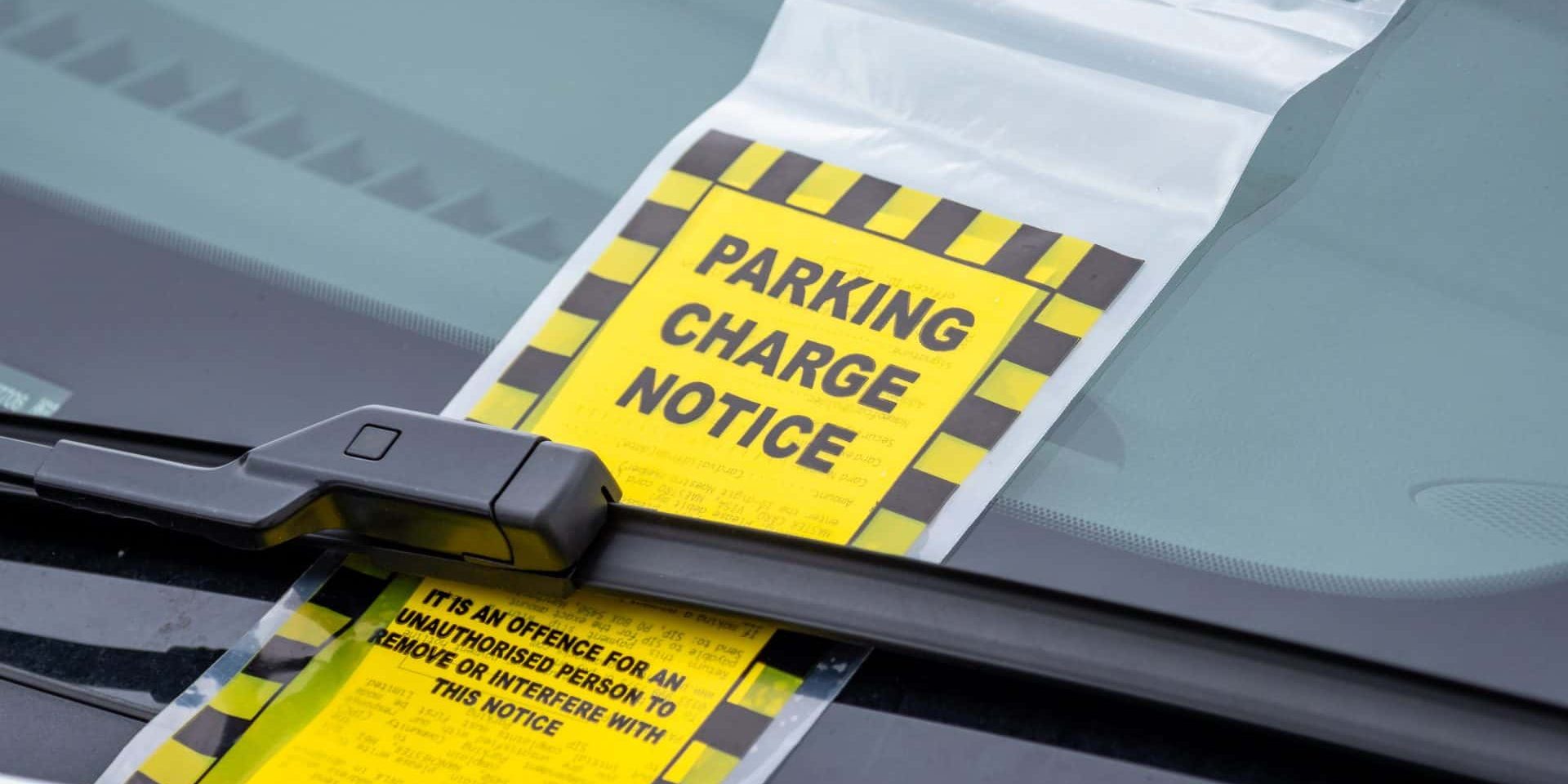
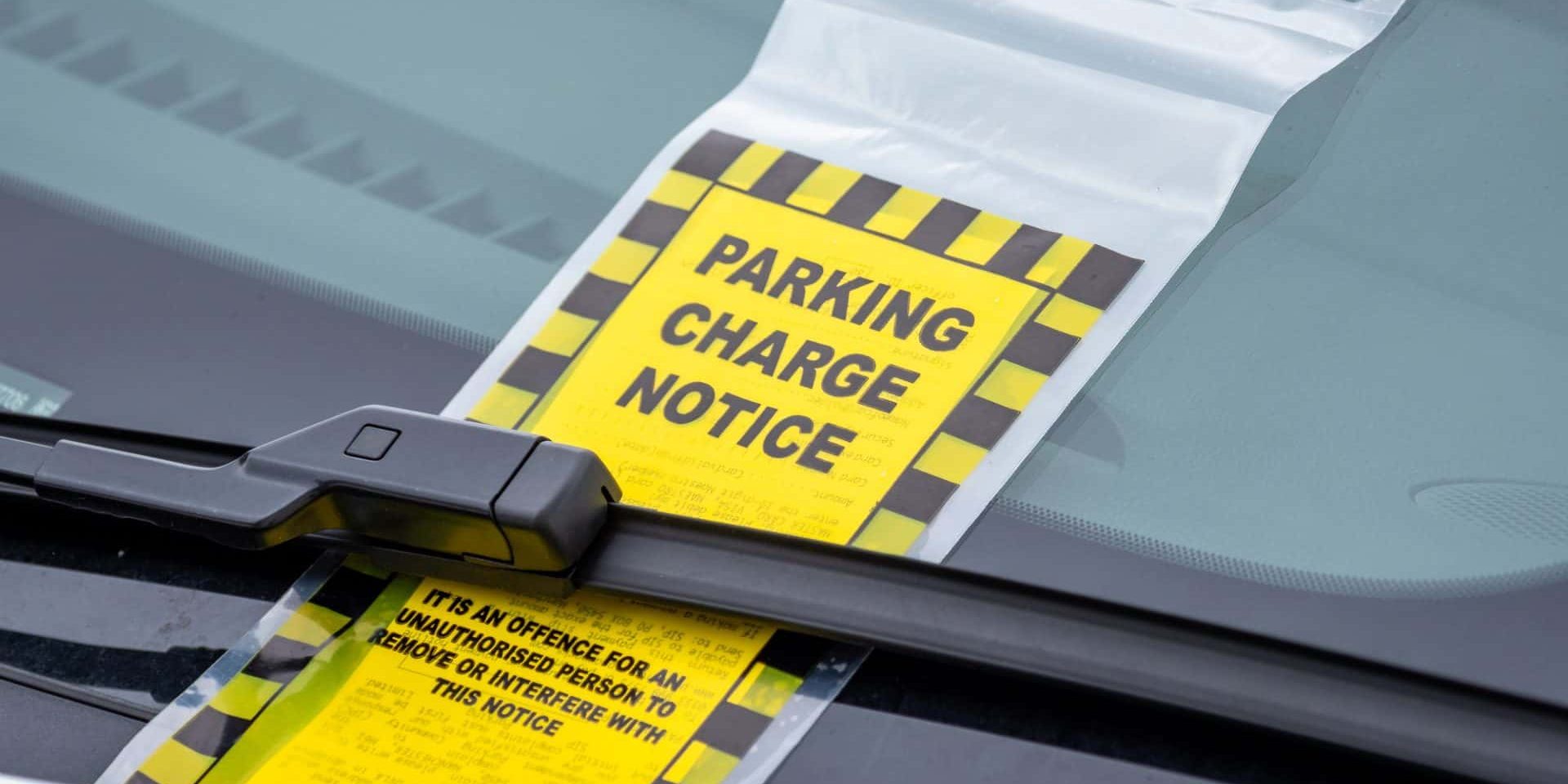
Parents who stop on double yellow lines outside school gates, even for a couple of minutes to walk a child in, now face a fine under a tightened enforcement policy from North Lincolnshire Council.
What’s changing at the school gate
The council has removed the informal tolerance that let drivers pause briefly on waiting restrictions at drop-off and pick-up, insisting that vehicles cannot be left unattended on double yellow lines under any circumstances, including a short walk to the school gate. Officials say too many drivers have continued to stop in restricted areas under existing controls, creating hazards for pupils, parents and other road users in the busiest minutes of the school day.
Councillor Rob Waltham, who represents Bottesford, pitched the change as a child safety measure first and foremost. “Most parents park responsibly, but we continue to see vehicles stopping where they shouldn’t, creating unnecessary risks outside schools,” he said. He was careful to add that the policy was not designed to catch parents out: “We want parents to understand the rules, make safe choices and help us keep school entrances clear for everyone.”
Cabinet member for Ashby, Bottesford and Scunthorpe, Councillor John Davison, said the update followed direct conversations with residents living near affected schools. “I’ve met parents and residents at Bottesford schools, we’ve listened to their concerns, and we’ve made changes to provide greater clarity about what is and isn’t permitted and will help enforcement officers apply the rules consistently,” he said. He added a clear warning for anyone tempted to ignore the change: “Parking restrictions outside schools are there for a reason. They help maintain visibility, keep traffic moving and allow children to cross more safely. If people persist in flouting the rules and putting their children in danger, we’ll fine them.”
The council argues that cars left on waiting restrictions near schools do measurable harm beyond inconvenience. Vehicles parked on double yellow lines can block sight lines for children stepping into the road, force pedestrians into moving traffic to get around them, hold up buses and other through-traffic, and slow emergency vehicles trying to reach a school in a crisis.
North Lincolnshire covers a mix of market towns and rural villages stretching from Scunthorpe down to the Trent villages around Bottesford, where school catchments often sit on narrow residential streets never designed for the volume of cars now dropping children off twice a day. Councillors have pointed to Bottesford specifically, where complaints have been the most persistent, but the clarified policy applies to every school in the authority’s area, not just the sites named in the announcement.
Double yellow lines versus zig-zag markings, and what they actually mean
The rule change is a useful reminder that not all school-adjacent road markings carry the same restriction. Double yellow lines mean no waiting at any time, with narrow exceptions for loading in some locations, and drivers breaching them face a civil penalty charge notice, typically £70, reduced to £35 if paid within 14 days. Yellow zig-zag markings directly outside a school gate are a separate and usually stricter marking: stopping is banned at any time while the school is issuing a Traffic Regulation Order for that stretch, and many councils, including North Lincolnshire, now enforce them with dedicated cameras rather than relying on a warden happening to pass by.
The distinction is worth knowing, as drivers often assume a brief stop to drop off a child counts as an exemption from a waiting restriction, when in fact loading exemptions on double yellow lines are narrowly defined and rarely cover a school run in practice. North Lincolnshire’s clarified guidance removes any grey area: escorting a child to the gate, however briefly, is treated the same as any other unauthorised wait.
How this compares with other councils’ school parking crackdowns
North Lincolnshire’s approach, based on manual enforcement of existing waiting restrictions by patrol officers, differs from the automated camera enforcement several other authorities have adopted for “school street” schemes, where a road is closed to through traffic entirely at opening and closing times. Brent, in London, issued 73,000 fines in a single year through its automated school street cameras, a figure that illustrates how much low-level non-compliance persists even once a scheme is well established. North Lincolnshire’s crackdown targets the same underlying problem, poor parking discipline around school gates, through a different legal mechanism: reasserting an existing waiting restriction rather than creating a new road closure.
That distinction counts for cost as much as legality. A school street scheme typically requires a new Traffic Regulation Order, signage, and in many cases camera installation, a process that can take months of consultation and a meaningful capital outlay. North Lincolnshire’s approach, by contrast, simply restates and more consistently enforces restrictions that are already in place on the ground, making it a far quicker option for a council under budget pressure to roll out across dozens of schools at once, using officers it already employs rather than new infrastructure.
Councils across England are moving in the same direction. Enforcement of school-adjacent parking has tightened steadily as local authorities respond to road safety data showing that the school run remains one of the most collision-dense periods of the day on residential streets, driven partly by the sheer concentration of children crossing roads just as parking supply is at its tightest.
What parents in North Lincolnshire should do now
The clearest way to avoid a fine is to stop treating double yellow lines outside a school as a grey area at drop-off time. Parents who need to walk a child to the gate should use a designated parking bay, a nearby side street without waiting restrictions, or a park-and-stride arrangement if the school operates one, leaving the car a short walk away and covering the final stretch on foot. Councillor Davison’s comments make clear that officers will be applying the rule consistently rather than exercising discretion for a “quick drop-off,” so the safest assumption from now on is that any stop on a double yellow line outside a North Lincolnshire school will attract a penalty charge notice.
Anyone who believes they have been wrongly fined, for example where signage was missing or unclear, or a genuine loading exemption applied, can challenge the notice through the council’s formal representation process, and escalate to the independent Traffic Penalty Tribunal if the council rejects that challenge. As with any civil parking PCN, ignoring the notice rather than paying or challenging it within the stated deadline will only increase the amount owed as the case escalates through the recovery process.
The council says the priority is prevention rather than revenue: encouraging more families to park further away and walk the final stretch, reducing congestion outside the gates, and keeping sightlines clear for the children most at risk in the morning and afternoon rush.
Schools themselves have a part to play too. Many primaries elsewhere in England run park-and-stride arrangements, using a supermarket car park or community hall a few streets away as an informal drop-off point, a model North Lincolnshire schools without an existing scheme could copy now that enforcement of the double yellow line rule has tightened. Parent councils keen to explore the idea can approach the local authority directly to ask whether a nearby car park could be designated for this purpose, spreading congestion away from the immediate school gate rather than simply displacing it onto neighbouring residential streets.
The change also lands at a point when fuel and insurance costs are already squeezing household budgets, making a £70 penalty, or even the discounted £35 rate, an unwelcome addition for families already managing tight mornings. Councillor Davison’s insistence that officers are not trying to “catch parents out” is likely to be tested in practice over the coming weeks, as drivers used to an informal blind eye adjust to a policy that now treats any stop on a restricted line the same way, regardless of how brief it is.
Sources:
- GB News: https://www.gbnews.com/lifestyle/cars/lincolnshire-drivers-fines-school-parking-rules-children
- North Lincolnshire Council
- Comparison data: Brent Council school street enforcement (Motoring Chronicle, 8 July 2026)

Leave a Comment
More in News

How Oxfordshire’s New ‘Quiet Lanes’ Plan Could Cut Off Rural Villages

Liverpool Council Fines Nearly 3,000 Drivers as New Traffic Cameras Go Live

A celebration of Bugatti past and present: the inaugural concours d’Élégance International Schlumpf [Photo Gallery]

Audi Nuvolari arrives in London: a meeting of progressive design and innovation [Photo Gallery]

School Buses in Georgia Now Issue $1,000 Camera Fines for Illegal Passing
Trending on Motoring Chronicle

Bugatti Bolide: a customer’s first track experience at the iconic circuit of the Americas [Photo Gallery]

YANGWANG U9 Xtreme becomes world’s fastest production car, with top speed of 308.4 mph [Photo Gallery]
Why Public EV Charging Is Now Cheaper Per Mile Than Petrol for the First Time

Aston Martin Valhalla: the ultimate driver’s supercar [Photo Gallery]