
What Police Access to Your DVLA Driving Data Could Look Like Under New Plans
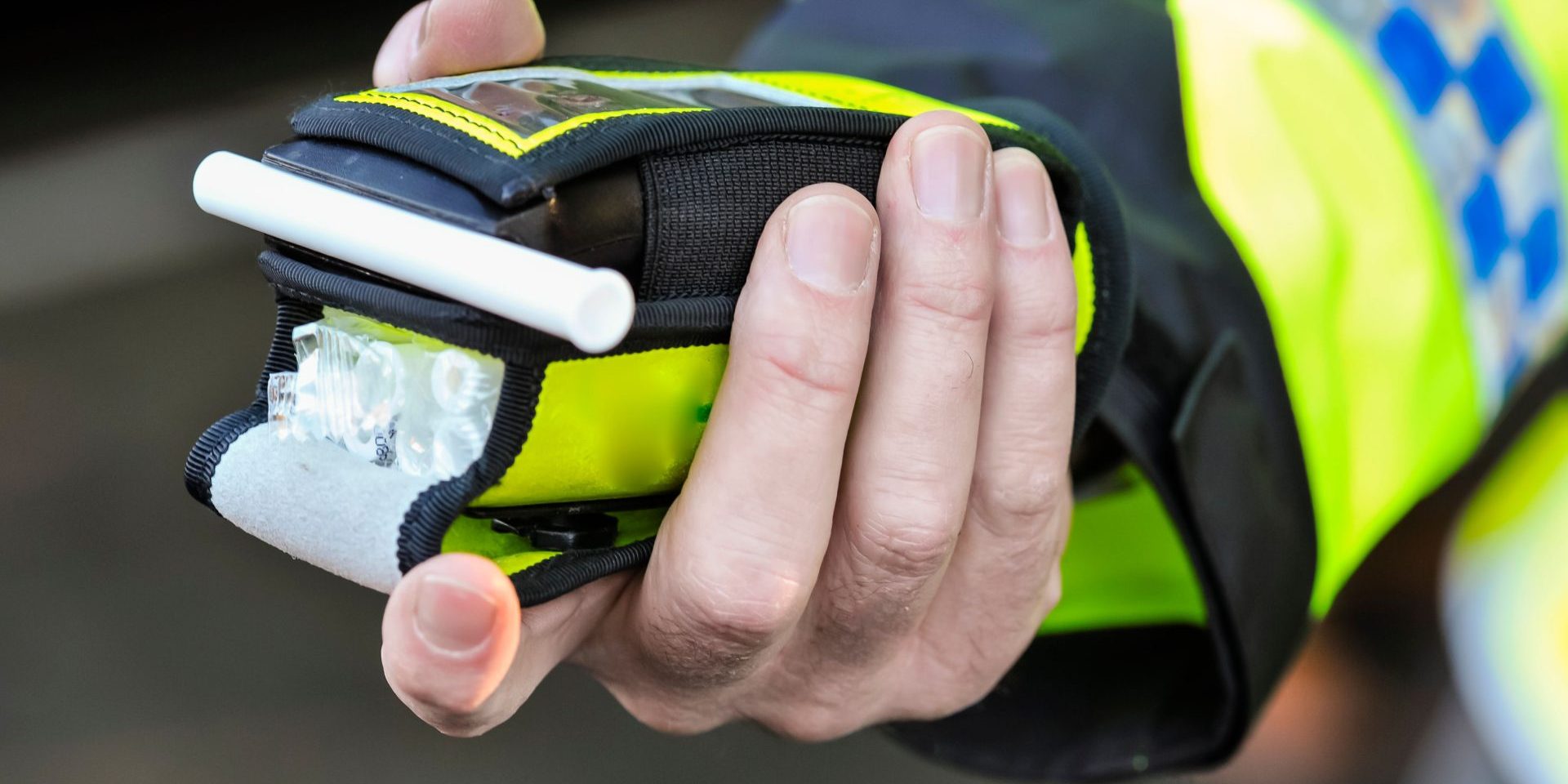
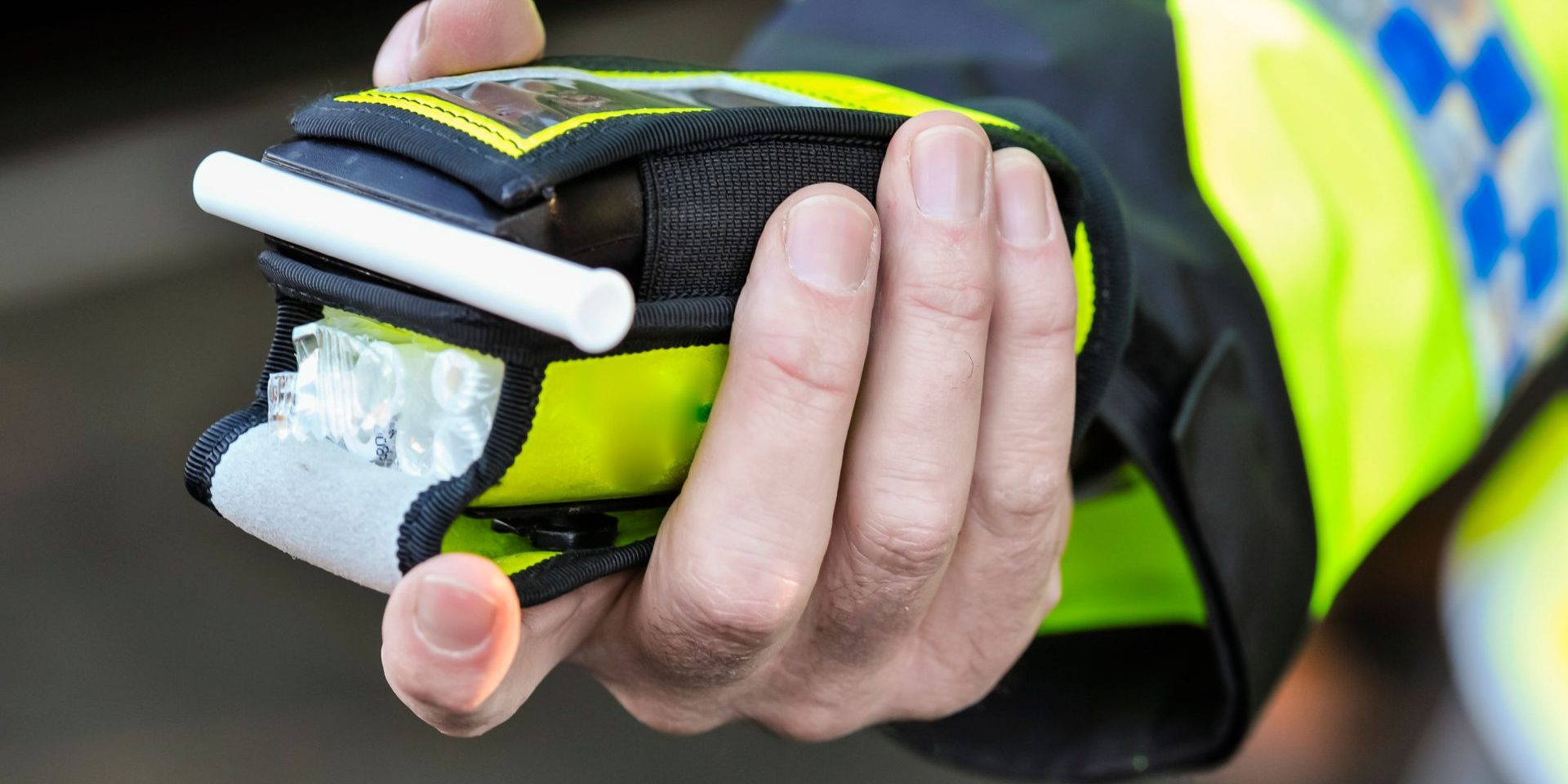
Police forces already check DVLA driving licence records almost six million times a year, mostly to confirm who is behind the wheel in a roadside stop. A new Home Office consultation, opened on 7 July, asks whether officers should be allowed to use that same data far more widely, for everything from missing persons cases to identifying a body after a crash. Every one of the UK’s 40 million-plus licence holders has a stake in how the answer plays out.
The consultation runs until 11:59pm on 8 September and sets out four options, ranging from leaving the rules as they are to opening up your name, address, date of birth, photograph and driving record for use in any police investigation, not just road traffic ones. Responses will shape legislation that could reach Parliament within the next year.
Why the Rules Are Changing Now
The current system dates back to the Criminal Justice and Court Services Act 2000 and regulations made the following year. Officers get automatic, instant access to DVLA data, but only for a narrow set of purposes tied to the Road Traffic Act 1988 and equivalent Northern Ireland legislation: confirming a licence is valid, checking endorsements, and similar roadside checks. Ask for the same data to help find a missing teenager or identify a driver linked to a burglary, and the request has to go through a manual, case-by-case process that can take hours or days.
The Home Office says that gap has become harder to justify as policing becomes more data-led and time-critical. The document points to the Police National Computer, the 1974-era system that has underpinned these checks for half a century, reaching the end of its working life. The PNC stopped receiving support beyond 31 March 2026 and is being replaced by the Law Enforcement Data Service, a cloud-based system built to handle exactly the kind of on-demand access the consultation is asking about. Officials argue that rebuilding the legal framework alongside the new technology is a chance to fix decades of what the consultation calls rules that have been amended “around the edges” rather than overhauled.
The Four Options on the Table
The consultation does not recommend a preferred outcome. Instead it lays out a ladder of options for how far automatic access should extend beyond road traffic enforcement.
Option P0 changes nothing. Automatic access stays limited to road traffic purposes, and anything else still requires a manual request.
Option P1 adds serious crime and national security cases, using the definition of serious crime set out in the Serious Crime Act 2007. A senior officer would still need to authorise access outside road traffic purposes.
Option P2 goes further, opening automatic access for the investigation of any criminal offence under Section 31 of the Data Protection Act, with tiered safeguards meant to stop the power being used for trivial cases.
Option P3 is the broadest change. It would let police use DVLA data for the full range of policing purposes recognised in England, Wales, Scotland and Northern Ireland, including safeguarding vulnerable people, tracing missing persons and protecting life and property, even in situations where no crime has taken place.
Under every option, more sensitive data such as your photograph and signature would sit behind extra checks, described in the consultation as “elevated thresholds” requiring a defined operational reason, restricted staff access and closer audit scrutiny. Medical information the DVLA holds on drivers is explicitly ruled out of the automated system altogether under all four options and would stay on the existing manual request process.
What Safeguards Are Actually Being Proposed
The document leans heavily on the idea that wider access has to come with stronger governance, not less. Every option beyond P0 would be underpinned by what the Home Office calls a governance “spine”: a statutory Code of Practice, mandatory training and vetting for any officer using the system, tamper-proof audit logs recording the purpose behind each individual search, and an annual report to Parliament covering volumes, complaints, errors and equality impacts.
The Home Office also wants to publish a public list of every organisation authorised to use the system and the purposes they are allowed to use it for, something that does not exist today. Bethan Page-Jones, Director of the Home Office’s Public Safety Group, writes in the consultation’s foreword that the proposals are “focused on clarity: clarity about who can access DVLA driver data, for what purposes, and under what conditions,” rather than starting from an assumption that access should simply grow.
The document is also careful to draw a line between this consultation and separate government work on facial recognition and biometric policing tools, stating explicitly that access under these proposals “remains case-specific and operationally justified” and is not a step toward searching the DVLA database to identify an unknown person from an image.
How This Could Play Out for Ordinary Drivers
For the overwhelming majority of licence holders who never come into contact with the police, none of this changes anything day to day. The practical effect falls on situations where officers currently face delay: a hit and run where witnesses only have a partial number plate, a welfare check on someone reported missing, or the aftermath of a fatal collision where police need to trace a family before the next of kin hears about it from social media rather than a knock at the door.
The consultation cites the requirement under the Criminal Procedure and Investigations Act to pursue all reasonable lines of enquiry, and under the European Convention on Human Rights to take reasonable steps to protect life, as reasons officers sometimes need faster access than the current manual system allows. It also flags a narrower but real risk: broader access to name and address data increases the chance of officers attending the wrong address, a concern the consultation says the tiered authorisation model is designed to reduce rather than increase.
Civil liberties groups are likely to focus their responses on Option P2 and P3, questioning whether “all crime” or “full policing purposes” are precise enough thresholds, and whether an audit log alone is enough to catch misuse after the fact rather than prevent it. Insurers, motoring organisations and licence holders themselves are among the groups the Home Office says it wants to hear from directly.
How This Compares With Other Data Police Already Hold
Drivers who assume the police cannot already build a detailed record of their movements are only partly right. Automatic number plate recognition cameras log millions of vehicle movements a day and are retained separately under their own rules, while insurers, the DVLA’s vehicle keeper records and council enforcement systems already exchange data for parking and traffic offences. What the consultation is really about is a narrower but more sensitive category: the driver licensing record tied to a named individual, including a photograph that can confirm identity in person, not just a vehicle’s movements caught on camera.
That distinction is significant: it marks the difference between data that shows where a car was and data that confirms who a specific person is and whether they are legally entitled to drive. Widening automatic access to the second category, even with the audit and training safeguards proposed, is why campaigners are expected to scrutinise this consultation more closely than routine ANPR data-sharing arrangements that already exist with far less public debate.
What To Do If You Want a Say
Anyone can respond to the consultation, though it is aimed primarily at devolved administrations, police and crime commissioners, and law enforcement bodies. Individual drivers, civil society groups and professional organisations are explicitly told their views are welcome too.
Responses can be submitted online through the Home Office’s survey tool, linked from the consultation page at gov.uk, or emailed to [email protected]. Paper responses can be posted to DVLA Driver Consultation, Public Safety Group, 2 Marsham Street, London, SW1P 4DF. The closing date is 11:59pm on 8 September 2026, after which the Home Office will publish a summary of responses along with its formal decision on which option, if any, to take forward.
Until that decision is made and any resulting legislation passed, the current rules stand: automatic DVLA data access for police remains limited to road traffic enforcement, with everything else going through the slower manual route the consultation is trying to fix.
Sources:
- https://www.gov.uk/government/consultations/police-and-law-enforcement-access-to-driver-data-held-by-the-dvla/police-and-law-enforcement-access-to-dvla-driver-licensing-data-consultation
- https://hodigital.blog.gov.uk/2026/02/02/leds-police-data-in-the-digital-age/
- https://www.gov.uk/government/publications/law-enforcement-data-service-data-protection-impact-assessment-2026

Leave a Comment
More in News

Home Charging Saves EV Drivers £1,240 a Year Over Diesel, Ofgem Cap Shows

How to Open a Frozen Car Door Without Breaking the Handle or Seal

Diesel Drivers Covering 10,000 Miles Now Pay £2,020 in Fuel, RAC Data Shows

What Your Car Service Actually Includes (and Which One You Need)

How Electric Cars Became Some of Britain’s Most Stolen Vehicles This Year
Trending on Motoring Chronicle

Aston Martin Vanquish – an icon returns to reign supreme [Photo Gallery]

How long does a car alignment take?

Toyota Recalls Grand Highlander and Lexus TX Over a Cracking Rear Axle
How Electric Cars Became Some of Britain’s Most Stolen Vehicles This Year
