
New Crash Tests Reveal Why Cars Slam Into the Back of Lorries on Motorways
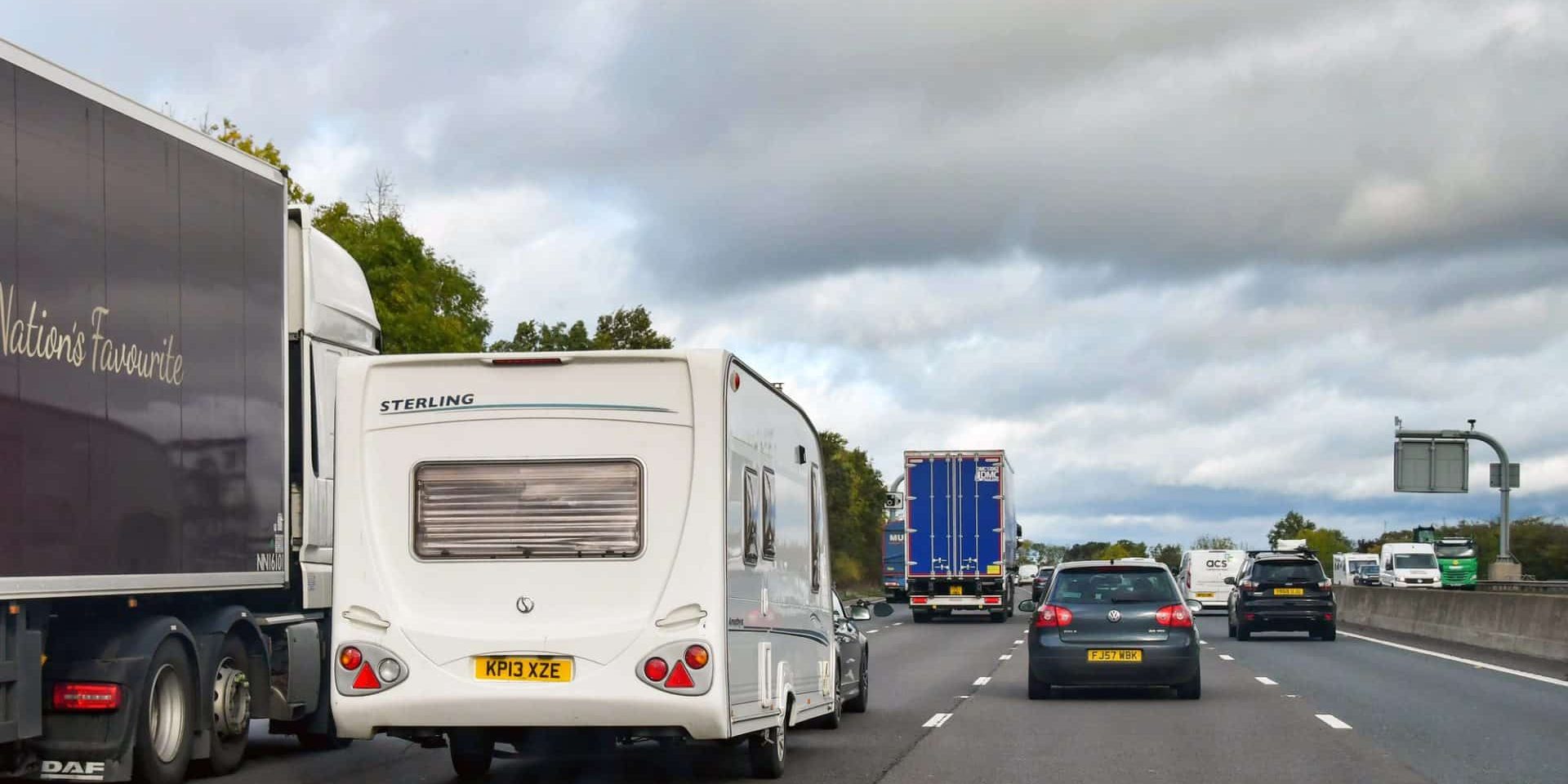
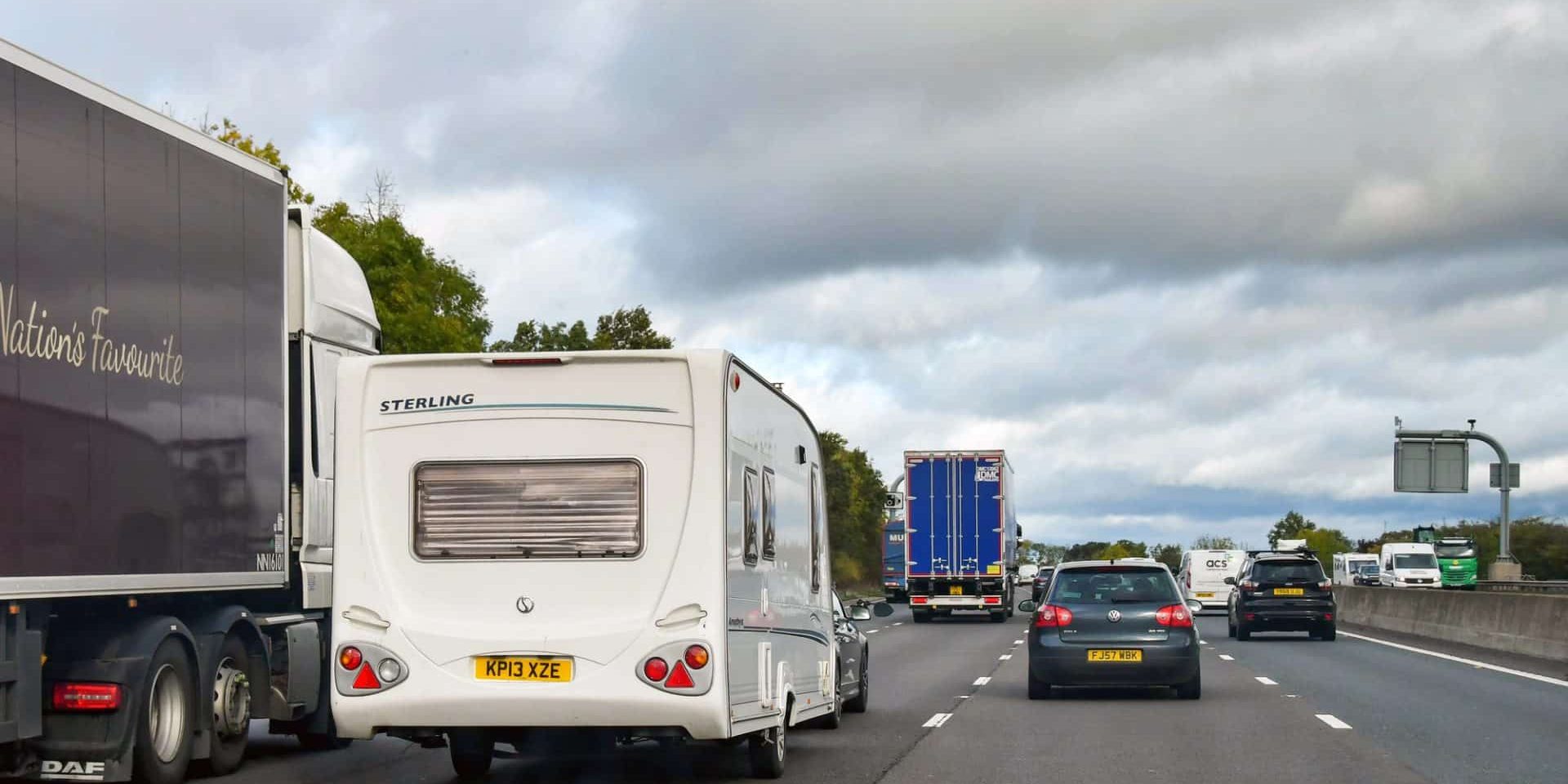
National Highways has launched a major investigation into one of the deadliest kinds of motorway crash, after new figures showed how often cars slam into the back of lorries on England’s fastest roads. Crash tests carried out for the project found something that should worry every driver: some cars’ automatic emergency braking failed to spot the back of a trailer at all, leaving the safety system that is meant to save you switched off at the worst possible moment.
What the Figures Show
Heavy goods vehicles made up just 10 per cent of traffic on England’s motorway and A-road network in 2024, the motorways and major A-roads managed by National Highways. Yet they were involved in almost one in five crashes that killed or seriously injured someone. In total there were 1,151 crashes involving at least one HGV on that network last year.
The most common type was a rear-end collision, where a car or smaller vehicle runs into the back of a lorry. Those made up 39 per cent of all crashes involving lorries. There were 160 such crashes last year, and they were among the most serious, accounting for almost one in five of the deaths and serious injuries linked to HGVs. In other words, a large share of the worst outcomes on our motorways come from a single, avoidable moment: a car failing to stop in time behind a truck.
Why the Safety Tech Is Failing
To understand the problem, National Highways teamed up with road safety experts from across Europe, including the crash-test body Euro NCAP, Sweden’s transport authority and Germany’s largest motoring organisation, ADAC. Between them they ran two rounds of crash testing earlier this year.
The first round looked at whether the automatic emergency braking fitted to modern cars could recognise the rear of different lorry trailers. Automatic emergency braking, or AEB, watches the road ahead, warns you if a crash looks likely and applies the brakes itself if you do not react in time. The tests found performance varied depending on the trailer design. Older versions of the technology struggled the most, and some failed to detect the lorry altogether. When that happened, the system never activated, so the driver got no warning and no automatic braking, exactly the help the feature is sold to provide.
The second round tested rear underrun protection bars, the metal bars bolted to the back of a lorry to stop a car sliding underneath the trailer in a crash. Researchers compared bars built to international standards against similar tests run in the United States. The results confirmed these bars can reduce how badly people are hurt, but they also exposed weaknesses. Several bars failed to stop the test vehicle travelling underneath the trailer, an outcome researchers said would likely cause severe injuries to anyone inside the car. When a car slides under a trailer, the strongest part of the vehicle passes beneath the bumper and the cabin takes the full force, which is why these crashes are so often fatal.
What Happens Next
The findings will feed into the government’s new Road Safety Strategy, the first in more than a decade, which aims to cut deaths and serious injuries on the roads by 65 per cent by 2035. Roads and Buses Minister Simon Lightwood said: “Every death on our roads is a tragedy, which is why I am pleased to see National Highways taking the initiative with this vital research.”
Sheena Hague, Director of Road Safety at National Highways, said the work would help make the network safer for everyone. “Collisions where smaller vehicles run into the back of HGVs can have devastating consequences,” she said. “This testing helps build a clearer understanding of how and why they happen, so we can work with our partners to take practical steps to prevent them or reduce their impact.” The research points to tougher standards for underrun bars and better AEB systems that can read the back of a trailer reliably, though changes to vehicle rules take years to reach the cars and lorries on the road.
What Drivers Can Do Now
The clearest lesson is not to treat driver aids as a safety net. Automatic emergency braking is a backup for a moment’s lapse, not a guarantee, and this research shows it can miss a lorry entirely. Keep your own following distance and stay ready to brake yourself, whatever your car promises to do.
Leave a bigger gap behind lorries than you would behind a car. The two-second rule is the minimum on a dry road, and you should at least double it in rain, spray or poor light, when a truck’s brake lights are harder to read and your own stopping distance grows. Take extra care on the approach to slow or stopping traffic, where rear-end shunts cluster, and back off early rather than braking late. Try not to sit directly behind a lorry for long stretches, as you lose your view of the road ahead and the driver cannot see you in the mirrors. If you cannot see a truck’s mirrors, the driver cannot see you. A steady gap, an early read of the traffic and a bit of patience remain the best protection against the kind of crash this research is trying to stop.
Where This Fits in the Wider Road Safety Effort
Rear-end crashes into lorries are so often fatal, and the reason comes down to a simple mismatch in height and mass. A car’s crumple zones and airbags are built to protect you in a crash with another car, roughly the same height. A lorry’s load bed sits higher, so in the worst cases the car slides under the trailer and the cabin, rather than the engine bay, takes the hit. That is exactly what the underrun bars are meant to stop, and it is why the test failures count for so much.
Speed makes the maths brutal. At 60mph a car covers 27 metres every second, and even an alert driver needs several car lengths to react and stop. Add a wet road, a tired driver or a glance at a phone, and the gap that felt safe disappears. That is why closing speed, not just raw speed, is the real danger when traffic ahead slows or stops without warning.
The research lands as ministers prepare the first Road Safety Strategy in more than ten years. Road deaths in Britain fell steeply for decades but have stalled recently, hovering around 1,600 a year, and campaigners have pressed for fresh action. Targeting the specific crashes that cause the most harm, rather than broad slogans, is the approach National Highways is taking here. For drivers, the message is simple and concrete: the single biggest thing you control is the gap you leave, and this research is a reminder of what is at stake when it shrinks.
There is a role for technology as well. Better automatic emergency braking that reliably reads the back of a trailer, tighter standards for underrun bars and clearer rear markings on lorries could all cut the toll over time. None of that arrives overnight, as vehicle rules take years to filter through to the fleet, which is why driver behaviour stays the front line for now.
Dash cam footage has a part to play too. If you are shunted from behind, or you witness a lorry driving dangerously, clear video makes a claim or a police report far stronger, and forces across the country now accept submissions online. Keeping a working camera front and rear will not stop a crash, but it can protect you from a false claim and help show how these collisions really happen.
Sources:

Leave a Comment
More in News

Someone Used AI To Turn A Car Creator’s Drag Strip Video Into A Different Woman, And It Should Be Banned
English Councils Banked a Record £1.1 Billion From Every Driver’s Parking Fines Last Year
How DVLA Promises 99% of Licences in Three Days After Admitting Services Fall Short
What to Do in a Motorway Breakdown (and When to Stay Inside)

How to Jump Start a Car Safely (and What a New Battery Costs)
Trending on Motoring Chronicle

Q by Aston Martin celebrates 60 years of Volante with exclusive anniversary editions
Only 33 Percent of UK Drivers’ Car Insurance Complaints Succeed With the Financial Ombudsman

Garage Complaints to the Motor Ombudsman Jumped 22 Percent as Payouts Hit £4,308

Automobili Lamborghini ignites DreamHack Dallas 2025 with a fusion of gaming, performance and innovation
