
Why Britain Could Lose One in Seven Parking Spaces to Ever Larger SUVs
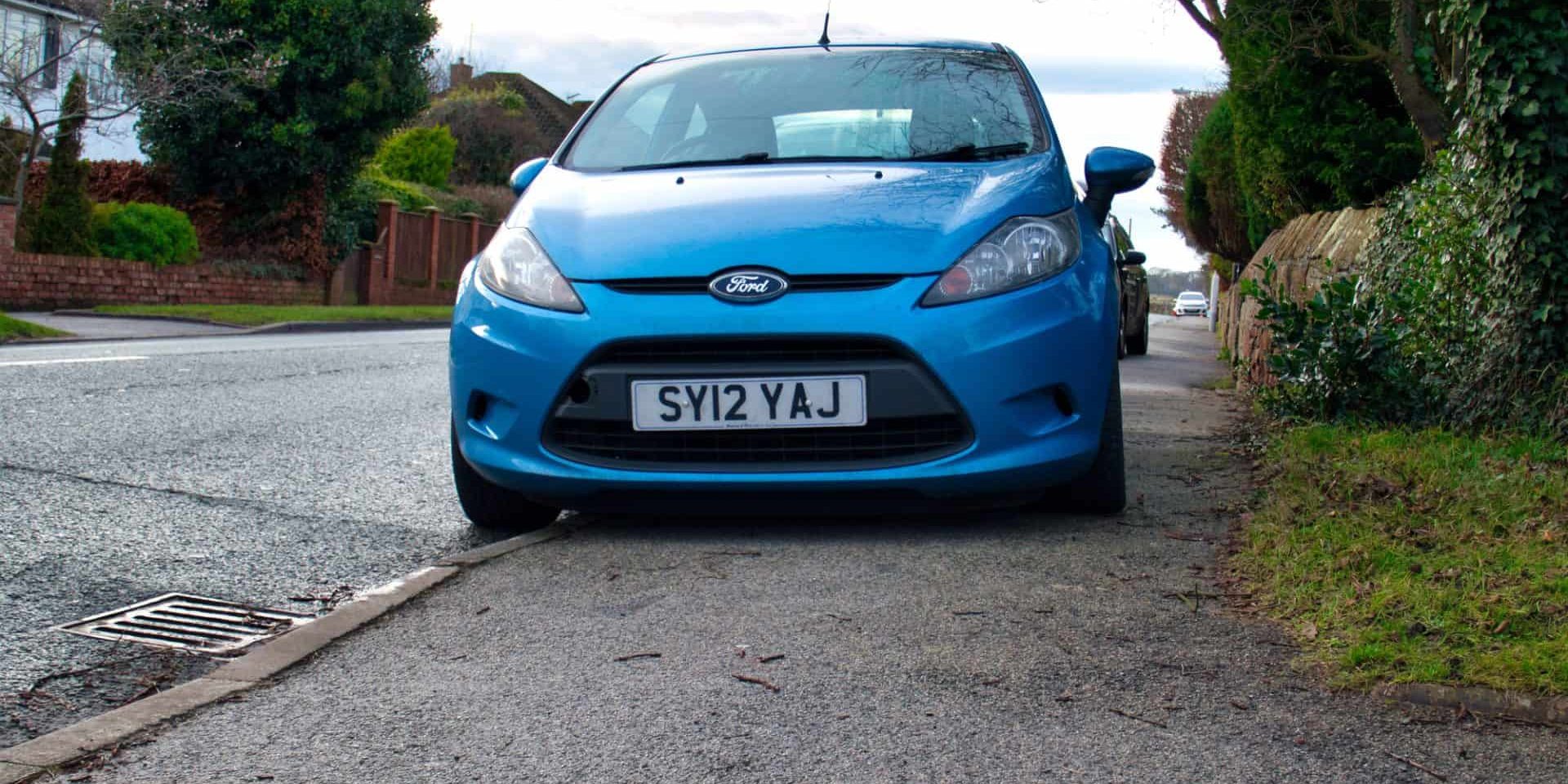
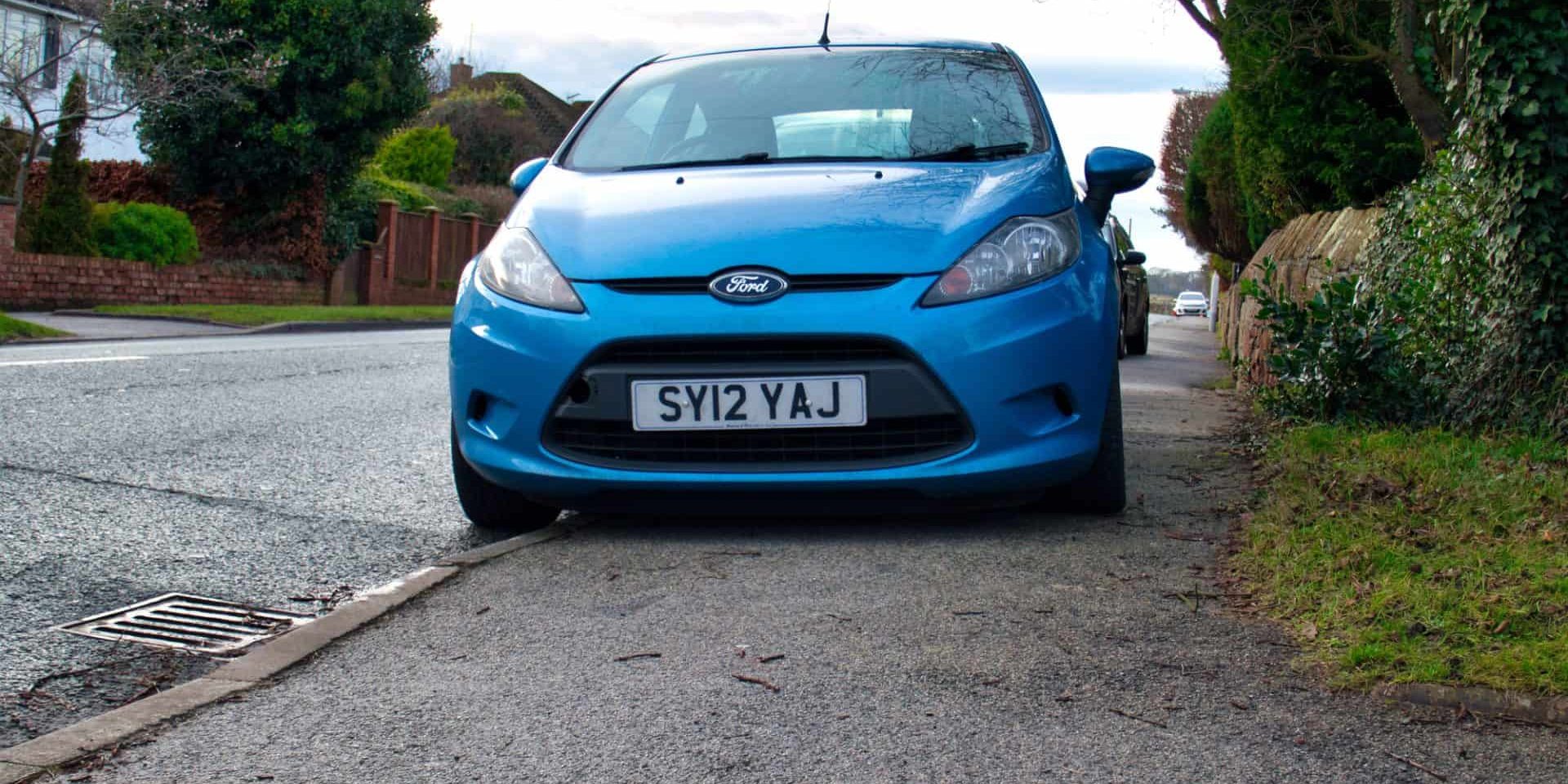
If you have ever circled a car park watching wing mirrors brush against the bay markings, the problem is about to get worse. New research published this week warns that the steady growth of cars, and SUVs in particular, could wipe out as many as one in seven on street parking spaces across British towns and cities within 15 years. The analysis, from the campaign groups Transport and Environment and Clean Cities, puts a number on something drivers already feel every day: modern cars are simply outgrowing the spaces and streets that were laid out for them.
The report calls the trend “carspreading”, and it carries a direct cost for ordinary motorists, not just for councils. Fewer usable bays mean longer searches for a space, more disputes between neighbours over residential parking, and growing pressure on local authorities to charge more or redesign streets. For anyone about to change their car, it is also a reason to think hard about how big a vehicle really needs to be.
How Carspreading Eats Into Parking
The headline finding is that current vehicle size trends could cut urban parking capacity by between 8.5 and 14 per cent by 2040. London faces the sharpest squeeze, with roughly 100,000 parking spaces at risk of being lost as the average vehicle keeps growing. The maths is simple enough: when every car is a few centimetres wider and longer, a row of bays that once held ten vehicles comfortably starts to hold nine, and kerbside space that fitted a run of hatchbacks no longer stretches as far.
The growth has been relentless. Newly sold vehicles have been getting around 1.2cm longer every year since 2000, while width, overall height and bonnet height have each crept up by roughly 0.5cm a year over the same period. The average new car now measures about 4.52 metres long and 2.03 metres wide, more than 30cm longer and 20cm wider than the typical car back in 2001. Yet a standard UK parking bay has barely changed, still sitting at around 4.8 metres by 2.4 metres, which leaves precious little room to open a door once two large vehicles park side by side.
Weight is the other half of the story. The shift to large SUVs, and to heavy electric models in particular, has pushed up the mass of the average car as well as its footprint, and that has consequences beyond the parking bay. Heavier vehicles cause more wear to road surfaces, accelerating the pothole problem that already costs councils and drivers dearly, and they raise questions for older multi storey car parks, some of which were designed decades ago for a much lighter national fleet. A handful of operators have begun reviewing weight limits on ageing structures as the cars using them get heavier.
To put the squeeze in concrete terms, several of the best selling family SUVs now measure close to or beyond 1.9 metres across the body before mirrors are added, while a standard bay is 2.4 metres wide. Park two such cars in adjacent bays and the gap left for passengers can drop below the width many people need to open a door fully, which is part of why door to bodywork dents have become one of the most common minor insurance claims. The report’s authors argue this is not simply a matter of driver behaviour but of a vehicle fleet that has outgrown the infrastructure around it.
SUVs are driving the change. The report notes that 62 per cent of all new cars sold in the UK are now SUVs, and it estimates that figure could climb to 75 per cent of new registrations by 2027 if buyer appetite keeps growing. The campaigners argue that manufacturers have steered away from compact models in favour of larger, higher margin vehicles, even as households have become smaller and fewer people travel in each car. The result is more metal competing for the same finite kerb space.
The Safety Cost of Bigger Bonnets
The study goes beyond parking to a starker warning about road safety. It projects that the trend towards larger SUVs could lead to around 400 additional road deaths each year across the UK and European Union by 2040, compared with a scenario in which vehicle dimensions gradually returned to 2015 levels. Children are identified as facing the greatest danger, with the report projecting a 40 per cent rise in pedestrian deaths among young people if current trends continue.
The reason lies in the shape of the modern front end. Rising bonnet heights, expected to average 86.2cm by 2040, present a particular hazard to smaller pedestrians. While an adult struck by a car is typically hit in the legs or torso, a tall, blunt bonnet is more likely to strike a child in the head or chest and to push them under the vehicle rather than over it. Higher bonnets also enlarge the blind spot directly in front of a vehicle, which is most dangerous on the streets and in the car parks where children are present.
Anna Krajinska, UK director of Transport and Environment, said car makers had “spent decades pushing large expensive cars at the expense of smaller models” and described the situation as a market failure that would continue without rules to limit vehicle size. Oliver Lord of Clean Cities was blunter, asking how many more reports were needed “until the car industry stops peddling massive and unnecessary SUVs”. Not everyone accepts the analysis. AA president Edmund King argued that “depending on design, some larger cars can be safer for pedestrians, as well as occupants”, and that it is too simplistic to assume bigger always means more dangerous. Mike Hawes, chief executive of the Society of Motor Manufacturers and Traders, said consumer demand ultimately shapes the cars that are built.
What Cities Are Already Doing
Some authorities are not waiting for national rules. Paris has already led the way, with residents voting in a 2024 referendum to roughly triple parking charges for the heaviest SUVs in the central districts, pushing hourly rates sharply higher for vehicles above a set weight. Closer to home, Cardiff has weighed proposals to charge more to park larger and heavier cars, and Transport for London floated its own plans earlier this year to use charges and parking fees to discourage the biggest vehicles in the capital. A growing number of councils now run weight or size based residents’ permits, where a heavier or longer car costs more to keep on the street.
For drivers, the direction of travel is clear. Where surcharges arrive, they tend to be tied to weight, length or engine size, so the owner of a large SUV can expect to pay a premium to park where a small hatchback parks cheaply. That makes the size of your next car a financial decision as well as a practical one, especially for households without a driveway who depend on kerbside or council car park space.
What It Means for You When You Park or Buy
There are sensible steps drivers can take now. If you are choosing a new or used car, check its length and width against the bays you use most, because a vehicle near or over 1.9 metres wide will leave little room to load children or shopping in a standard bay. Many manufacturers list exact dimensions in the specification sheet, and comparing them before you buy can save years of awkward parking. If you already run a large vehicle, reversing into bays improves your view when leaving, and choosing end bays or wider accessible style spaces, where you are entitled to use them, reduces the risk of door dings and tight squeezes.
It is also worth keeping an eye on your own council’s plans. Size or weight based parking charges and permit changes are usually put out to public consultation before they take effect, which gives residents a chance to respond and to budget for any increase. With the report projecting a loss of up to 100,000 spaces in London alone, parking pressure and the charges that come with it look set to rise, and the cheapest defence for many drivers may simply be choosing a car that fits the spaces they actually use. We will keep tracking how councils respond on Motoring Chronicle.
Sources:

Leave a Comment
More in News

The August 31 Deadline That Could Determine Your Car Finance Payout
The Bugatti Destrier makes its public debut at Monterey Car Week

Lamborghini unveils the latest heir to the legendary SV lineage: a 1,065 CV V12 hybrid [Photo Gallery]

The Insurance Loophole That Lets Risky Young Drivers Escape Monitoring

Cars in Some UK Postcodes Are Twice as Likely to Fail Their MOT
Trending on Motoring Chronicle
2026 Nissan LEAF named The Drive’s Best EV of 2026
Public EV Charging Now Averages 49 Cents a kWh as Seven States Top 50 Cents

What the World Cup Drink Drive Crackdown Means for Drivers This Summer
What Somerset’s 10 Percent Taxi Fare Rise Means for Rural Passengers and Drivers
